
Selecting the right moving boxes is the foundation of a successful, stress-free relocation. When preparing for a move, matching your household items to the correct carton sizes prevents damaged goods, reduces physical strain, and optimizes space inside the moving vehicle. Using the wrong box size—such as packing heavy books into a massive carton—often leads to structural failure and potential injury.
Understanding Standard Moving Box Dimensions
Moving boxes are generally classified into small, medium, large, and specialty categories. Rather than relying on rigid measurements, view these categories as relative volume brackets. A standard small box is compact enough to be carried easily by one person, while a large box offers substantial volume for lighter goods.
When planning, remember that external dimensions do not represent the actual usable space inside. The thickness of the corrugated cardboard, known as the fluting, reduces the internal width, length, and depth. Heavy-duty double-wall boxes have thicker sides, which slightly decreases internal capacity but significantly increases protection.
Products mentioned in this guide
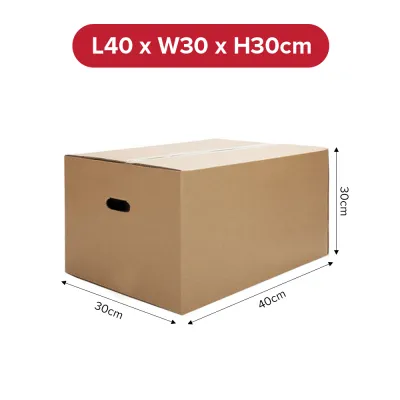
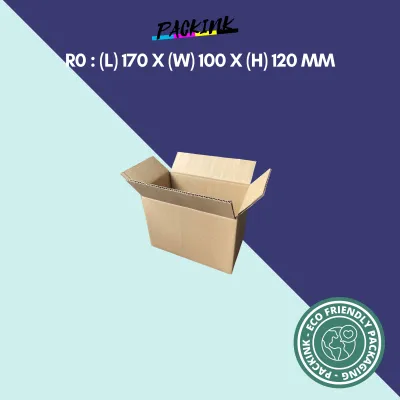
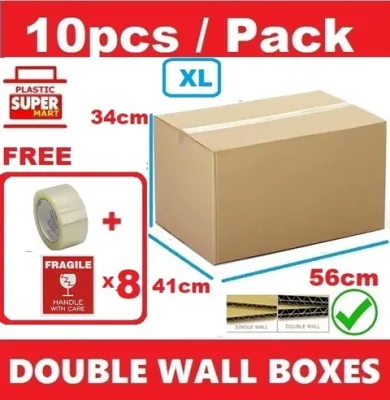
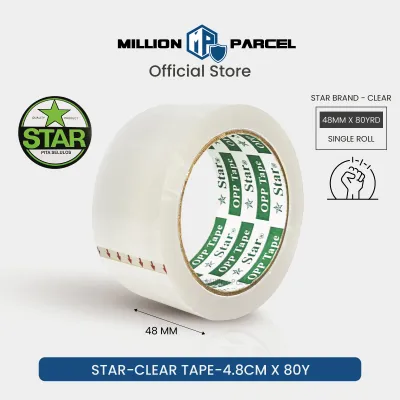
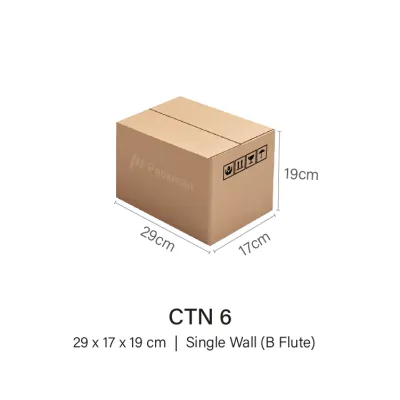
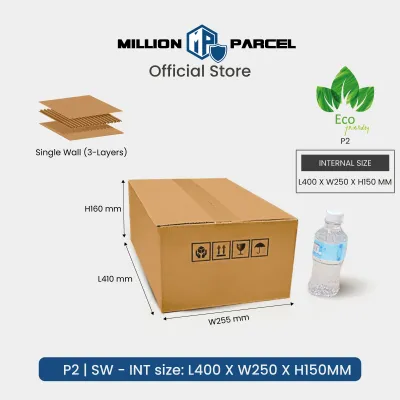
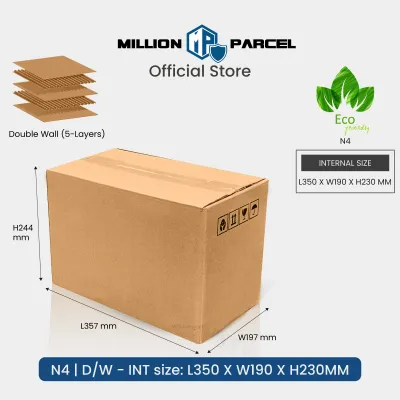
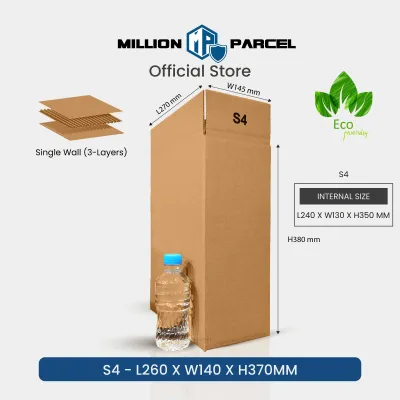
Prices are valid at publication and may change. Please refer to the product page for the latest price.
The physical dimensions you choose directly impact how safely the boxes can stack in a moving truck. Uniformly sized cartons fit together tightly, minimizing shifting during transit. Conversely, mixing mismatched or irregular boxes creates unstable gaps and uneven weight distribution, which can cause stacks to collapse when navigating tight turns or sudden stops.
Matching Box Sizes to Item Categories
Small boxes are best reserved for dense, heavy items. Books, files, tools, and canned pantry goods should always go into small cartons. Keeping these items concentrated in smaller volumes ensures the total weight remains manageable for lifting and prevents the bottom of the box from bowing or blowing out.

Medium boxes are ideal for mixed-weight household goods. This category is the workhorse of any move, perfectly balancing volume and liftability. Use medium boxes for kitchenware, small appliances, toys, and decorative items. You can pack a mix of heavier items at the bottom and lighter items on top to maximize space without making the carton too heavy to carry.
Large and extra-large boxes should be reserved strictly for bulky, lightweight items. Bedding, pillows, winter clothing, cushions, and large plastic toys are ideal candidates. Packing heavy items into these large volumes makes the box incredibly difficult to lift and causes the cardboard to deform, compromising its structural integrity and crushing other boxes stacked beneath it.
Specialty cartons, such as wardrobe boxes and picture boxes, serve specific protective roles. Wardrobe boxes feature an integrated metal hanging bar, allowing you to transfer clothes directly from the closet without folding. Picture or mirror boxes are flat and adjustable, designed to cradle framed art and glass securely. Before purchasing these specialty options, verify that your items fit within the height and width limits of the specific carton design.
Key Material and Strength Specifications
The structural integrity of a moving box depends heavily on whether it is single-wall or double-wall corrugated board. Single-wall cartons feature one layer of fluted paper sandwiched between two flat liners, making them lightweight and suitable for standard household goods. Double-wall cartons add a second layer of fluting, providing superior puncture resistance and stacking strength for heavy, fragile, or high-value items.
While manufacturers often print technical ratings like the Edge Crush Test (ECT) on the bottom of boxes, observable physical characteristics are more practical for everyday moves. Assess the box’s stiffness by firmly pressing the sides; a high-quality carton should resist squeezing and feel rigid. If the cardboard bends easily under light hand pressure, it may not withstand the weight of stacked boxes in a moving truck.
Before packing your belongings, conduct a thorough visual inspection of each carton. Look for structural weak points such as worn creases, soft corners, or signs of moisture damage. Cardboard that has been exposed to high humidity—a common issue in tropical climates—loses its structural integrity rapidly. Additionally, check for old tape residue or tears that could compromise the box’s seams when loaded.
Packing and Loading Verification Steps
Always place the heaviest items at the bottom of the box and lighter items on top. This practice maintains a low center of gravity, preventing the box from tipping over during handling or transit. It also ensures that delicate items are not crushed under the weight of heavier objects inside the same container.
Empty space is the enemy of a secure box. Use clean packing paper, bubble wrap, or even household textiles like towels and blankets to fill any remaining gaps. Once packed, gently shake the box; if you hear or feel items shifting inside, add more void fill. This prevents internal movement that can lead to breakage or punctured cardboard.
Secure the box using a high-quality packaging tape, applying it in an “H” pattern across the center seams and side edges of both the top and bottom. If using heavy-duty solvent-based tapes, ensure you work in a well-ventilated space, and test your marker on a small area to ensure the ink dries quickly without smudging. When opening boxes later, handle utility blades with care to avoid slicing into the contents.
Frequently Asked Questions (FAQ)
Is it safe to reuse free grocery or retail cartons?
Reusing free cartons from grocery stores or retail outlets can save money, but it introduces several risks. These boxes often suffer from structural fatigue due to previous handling, humidity, and transport. They may also harbor hidden pests or food residues that can attract insects to your belongings. If you choose to use recycled boxes, restrict them to lightweight, non-fragile items like linens or plastic kitchenware, and carefully inspect them for structural integrity beforehand.
How can I estimate the total number of cartons needed?
Estimating the number of boxes required depends on the size of your home and the density of your belongings. A practical framework is to estimate by room type: kitchens and home offices typically require a higher ratio of small and medium boxes for heavy, dense items, while bedrooms require more large and wardrobe boxes. As a general rule, calculate your estimated needs based on your room count, then add a 10% to 15% buffer stock to accommodate last-minute packing, odd-sized items, or unexpected storage needs.

Community discussion
Share your experience or ask a question. Comments are reviewed before publication.