
Selecting the right box for moving house is the foundation of a successful relocation. Using the correct dimensions and structural grades ensures your belongings arrive intact while preventing physical strain during transport. The general rule of thumb is simple: the heavier the item, the smaller the box should be. By matching your household goods to the appropriate box size and verifying the structural limits of your packaging, you can optimize space in the moving vehicle and safeguard fragile items from damage.
Understanding Common Moving Box Categories
Standard moving boxes are generally categorized into small, medium, large, and specialty sizes. Rather than relying on rigid, universal measurements, manufacturers typically design these categories to accommodate standard household volumes. A small box is typically designed for compact, heavy items, whereas larger boxes are sized to handle high-volume, low-weight goods.
The core principle of packing relies on weight distribution and box capacity. Packing heavy items like books or tools in a large box makes the container incredibly difficult to lift and increases the risk of the bottom flaps bursting open. Conversely, packing light items in small boxes results in an inefficient use of space and requires a higher total number of boxes.
Products mentioned in this guide
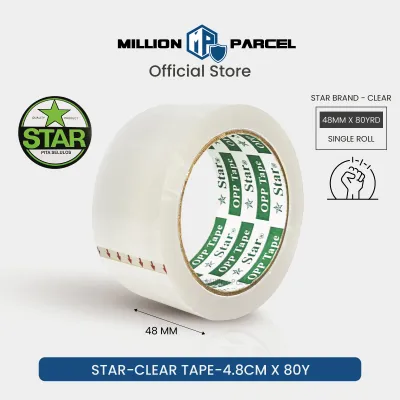
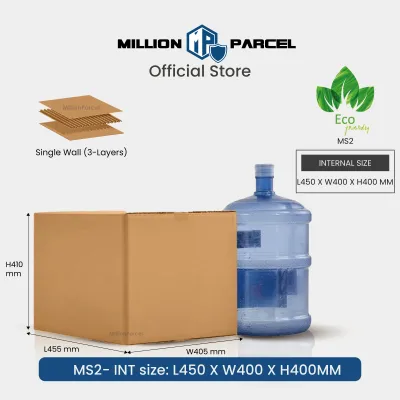
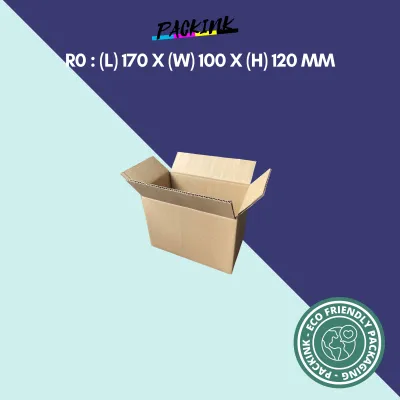
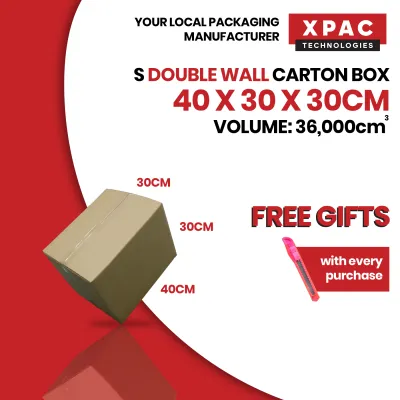
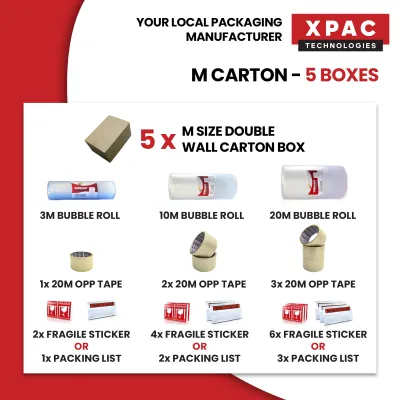
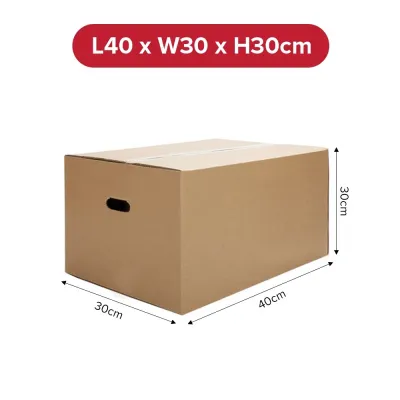
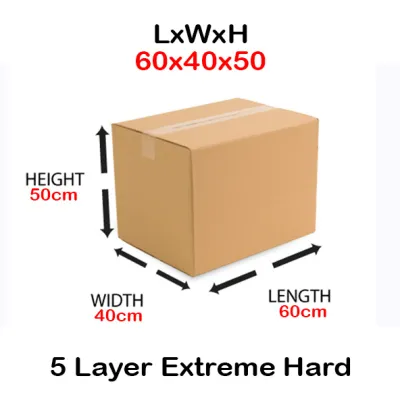
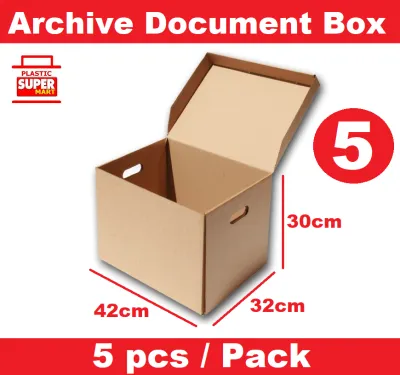
Prices are valid at publication and may change. Please refer to the product page for the latest price.
Before purchasing your packing supplies, it is essential to check the manufacturer’s exact specifications. Dimensions can vary slightly between suppliers, and knowing the precise external and internal measurements helps you plan how the boxes will stack together. Standardized dimensions allow for neat rows in a moving truck, minimizing shifting during transit.
Matching Household Items to the Right Box Size
Small boxes are highly suitable for dense, heavy items that require secure containment. Books, documents, hand tools, canned goods, and heavy kitchenware like cast-iron pans should be packed in these smaller containers. Fragile items, such as ceramic mugs and small plates, also benefit from small boxes because they limit the amount of internal movement and require less packing material to fill empty spaces.

Medium boxes serve as the versatile workhorse of any residential move. They are designed for medium-weight items that are too bulky for small boxes but too heavy for large ones. Excellent candidates for medium boxes include shoes, toys, board games, small kitchen appliances like blenders or kettles, and folded clothing such as jeans and sweaters.
Large and extra-large boxes are reserved strictly for bulky, lightweight items. Bedding, pillows, winter coats, cushions, comforters, and linens fit well in these spacious containers. Attempting to pack books or heavy kitchenware in a large box will make it nearly impossible to carry safely and will likely cause the cardboard to buckle under the weight.
Specialty boxes are engineered for specific household items that require extra protection or unique handling. Wardrobe boxes feature an integrated metal hanger bar, allowing you to transfer hanging clothes directly from your closet without folding them. Dish-pack boxes utilize double-walled cardboard and customizable cell dividers to isolate fragile glassware, wine bottles, and delicate porcelain plates from one another.
Verifying Box Quality and Weight Limits
To ensure your boxes can safely hold your belongings without collapsing, you should inspect the Box Manufacturer’s Certificate (BMC) usually printed on the bottom flap. This stamp displays the Edge Crush Test (ECT) rating or the Bursting Test rating. The ECT rating indicates the box’s stacking strength, which is crucial when boxes are piled on top of one another in a moving truck.
For dense, heavy, or highly valuable items, look for double-walled or heavy-duty corrugated construction. Double-walled boxes feature two layers of fluting sandwiched between three flat linerboards, providing enhanced resistance to puncturing and crushing. Standard single-wall boxes are generally sufficient for lighter, everyday items but may fail under heavy vertical loads.
You can perform a quick structural check on any box by pressing firmly on the bottom seams and corners. If the cardboard feels soft, damp, or bends easily under light pressure, its structural integrity is compromised. Always reinforce the bottom seams and corners with high-quality, pressure-sensitive packing tape, applying it in an “H” pattern across the flaps to distribute the weight evenly.
Packing Strategies to Prevent Overloading and Wasted Space
Optimizing the space inside each box is key to a stable stack and an efficient move. Use soft household items like towels, socks, or clean linens as natural padding to fill empty gaps and protect fragile contents. This technique eliminates air pockets that allow items to shift during transit, while also reducing the need for excess plastic bubble wrap.
Avoid overfilling boxes beyond the top flaps. The flaps must meet completely flat without bulging or bowing upward. A bulging box cannot be stacked safely, which wastes valuable vertical space in the moving vehicle and places dangerous pressure on the items packed inside the box directly underneath it.
Always distribute weight evenly across the bottom of the box and keep the center of gravity as low as possible. Place the heaviest items at the very bottom and layer lighter items on top. This distribution prevents the box from tipping or slipping out of your hands when lifted, making the physical task of carrying the boxes much safer.
Frequently Asked Questions (FAQ)
Can I reuse regular delivery cartons for moving?
Reusing e-commerce delivery cartons is a practical way to reduce waste, but you must evaluate their structural integrity first. Inspect the flutes and corners for signs of crushing, softening, or moisture damage from previous shipping cycles. Because delivery cartons are often made of thinner single-wall cardboard, they should be reinforced with heavy-duty packing tape and reserved only for lightweight, non-fragile items.
How do I estimate the total number of boxes needed?
To estimate your box requirements, break down your inventory by room type and usage. Kitchens and home offices typically require a higher proportion of small, heavy-duty boxes for dishes, books, and files. Bedrooms and living rooms require a larger share of medium and large boxes for clothing and bedding. It is highly recommended to add a buffer of 10% to 15% more boxes to your initial estimate to accommodate unexpected items and last-minute packing adjustments.

Community discussion
Share your experience or ask a question. Comments are reviewed before publication.