
When packing for a move, matching the right moving box size to your household items is the single most important factor in preventing damage, avoiding physical strain, and optimizing transport space. A common mistake is packing by volume alone—putting heavy books into large boxes or light pillows into small ones. The golden rule of packing is that density determines box size: heavy, compact items belong in small boxes, while light, voluminous goods require larger containers. By understanding standard dimensions and planning your inventory, you can secure the exact packaging supplies you need without overspending or running out of materials mid-pack.
Decoding Standard Moving Box Dimensions
Standard moving boxes are generally categorized into four primary sizes: small, medium, large, and wardrobe (or extra-large). While these categories are universal, exact physical dimensions (length, width, and height) vary depending on the manufacturer or local supplier. Because of these discrepancies, always verify the specific product labels or manufacturer specifications before purchasing.
The relationship between a box’s physical volume and its structural weight limit is critical. A larger box offers more space, but it does not possess a higher weight capacity. In fact, standard corrugated cardboard boxes have strict structural limits printed on their bottom flaps, known as the Box Certificate. Exceeding these limits compromises the corrugated board, leading to structural failure, collapsed stacks, or bottom blowouts. Furthermore, an overloaded large box becomes incredibly difficult and dangerous to lift, increasing the risk of personal injury during transit. Always prioritize weight distribution over simply filling empty space.
Products mentioned in this guide
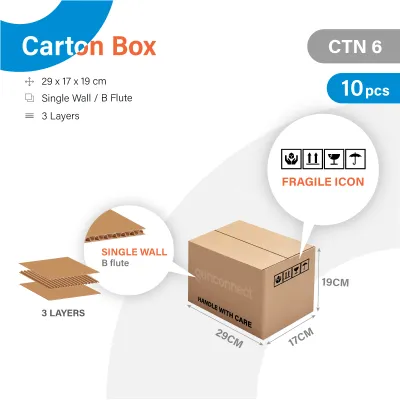
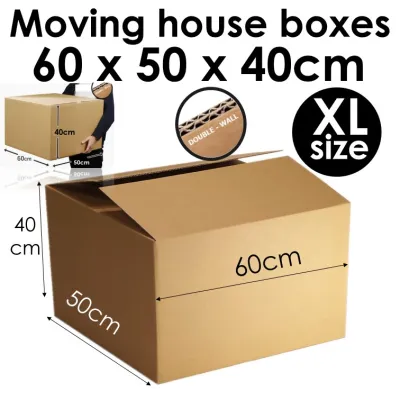
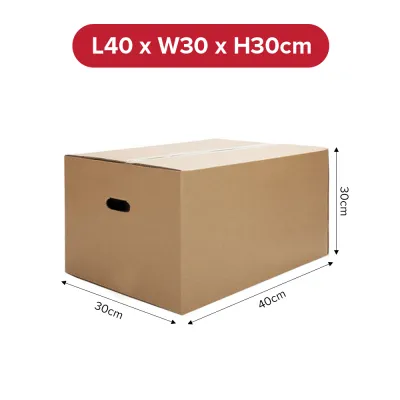
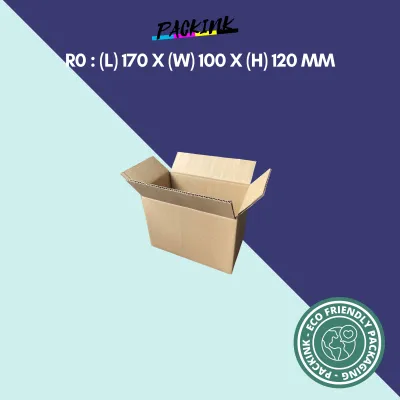
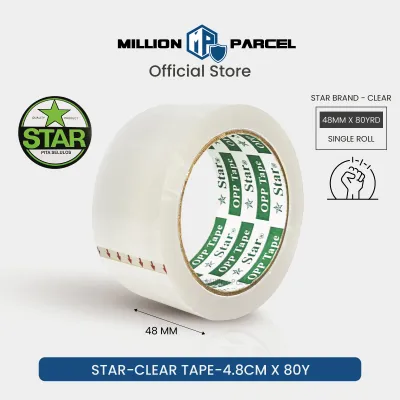
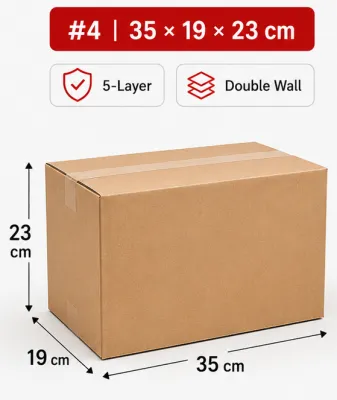
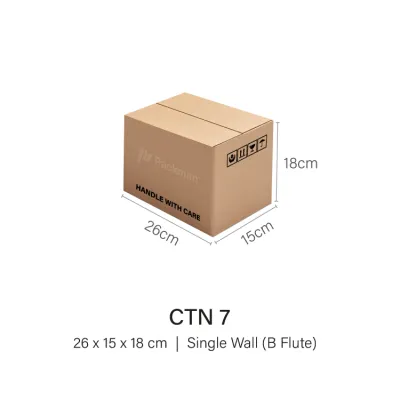
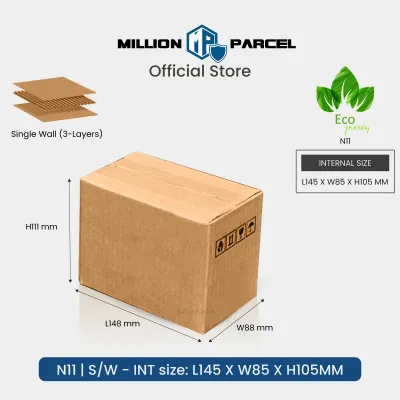
Prices are valid at publication and may change. Please refer to the product page for the latest price.
Matching Box Sizes to Household Categories
Organizing your belongings into distinct weight and size categories before packing ensures that every carton remains structurally sound. This systematic approach streamlines both the loading process and the eventual unpacking in your new home.

Small Boxes for Heavy and Dense Items
Small moving boxes typically measure around 30 x 30 x 30 cm to 40 x 30 x 30 cm. These compact containers are specifically engineered to hold heavy, high-density items. Ideal candidates for small boxes include books, magazines, canned food, hand tools, small kitchen appliances, and heavy decorative pieces.
Additionally, small boxes are perfect for fragile glassware, ceramics, and porcelain when wrapped in protective layers. Because these items require substantial padding, a smaller container prevents them from shifting too much. Adhering to the “heavy items in small boxes” rule is essential; it keeps the overall weight of each loaded carton manageable—typically under 15 to 20 kilograms—preventing back strain and ensuring the bottom of the box does not rupture under pressure.
Medium Boxes for Everyday Goods
Medium moving boxes, often measuring approximately 45 x 40 x 40 cm, serve as the workhorse of any residential move. This highly versatile size is designed for general household packing, balancing volume with manageable weight limits.
You should use medium boxes for folded clothing, shoes, toys, board games, moderate-sized electronics, pots, pans, and bathroom essentials. Because they accommodate a wide variety of mid-weight goods, medium cartons are typically the most frequently used size in a standard move. They act as the baseline for packing bedrooms, living rooms, and kitchens alike. When packing a medium box, aim to mix slightly heavier items at the bottom with lighter items on top to maintain a stable center of gravity.
Large and Wardrobe Boxes for Bulky Items
Large boxes (roughly 50 x 50 x 50 cm or larger) and specialty wardrobe boxes are reserved exclusively for lightweight, voluminous items. Ideal contents for large boxes include bedding, pillows, duvets, winter coats, lampshades, and large but light plastic storage containers.
Wardrobe boxes are specialized, extra-large cartons equipped with an integrated metal or heavy-duty cardboard hanging rail. These are highly efficient for moving suits, dresses, delicate evening wear, and long coats directly from your closet without removing them from their hangers. This prevents deep wrinkling and saves hours of refolding and ironing after your move.
A strict warning applies here: never pack books, files, or heavy kitchenware into large or wardrobe boxes. An oversized carton filled with dense items is almost guaranteed to suffer structural failure, making it impossible to stack safely in a moving truck and highly hazardous to lift.
Estimating Your Required Box Quantities
Calculating the precise number of boxes you need requires a room-by-room estimation strategy. Different rooms demand entirely different ratios of box sizes. For example, a home office or a kitchen contains dense, heavy items like documents, books, and cookware, requiring a high proportion of small boxes. Conversely, bedrooms and living areas feature bulkier, lighter items like bedding, cushions, and clothing, demanding a higher ratio of medium and large boxes.
In Singapore, you must also assess your physical staging and transport constraints. Many residential properties, such as HDB flats or high-rise condominiums, feature narrow corridors, tight elevator doors, or strict service lift dimensions. Opting for excessively large boxes can make maneuvering through these spaces difficult, especially when navigating communal walkways or lift lobbies.
To avoid cluttering your living space with unused packaging, avoid hoarding massive quantities of empty cartons upfront. Instead, start by purchasing a conservative, high-quality mixed bundle of small and medium boxes. You can easily purchase additional specific sizes from local stationery and packaging suppliers as your packing progresses and your actual needs become clearer.
Packing Techniques for Box Stability and Weight Limits
Proper packing techniques are just as important as choosing the right box size. To guarantee carton integrity, always reinforce the bottom of every moving box using the H-tape method. This involves sealing the center seam with heavy-duty packing tape, and then applying additional strips of tape along the two exposed perpendicular edge seams, forming the letter “H.” This distributes the weight load evenly across the flaps and prevents the bottom from opening.
Inside the box, practice strategic weight distribution. Always place the heaviest items at the very bottom to create a solid base. Fill any remaining empty voids, corners, or pockets with crumpled packing paper, bubble wrap, or clean towels. Eliminating these voids prevents items from shifting during transit, which is a primary cause of breakage and box collapse when stacked.
Before sealing the top, locate the manufacturer’s printed specifications on the box flap. Check the maximum weight capacity and stacking limits. Never exceed these ratings, and ensure the top flaps fold completely flat; a bulging box cannot be stacked safely and is highly prone to crushing.
Frequently Asked Questions (FAQ)
Can I use free grocery cartons instead of standard moving boxes?
While repurposing free grocery cartons from local supermarkets can save money, it introduces several risks. These boxes often have inconsistent dimensions, making them difficult to stack securely in a moving vehicle. Furthermore, grocery cartons are typically designed for single-use retail transit and may have weakened corrugated layers, increasing the risk of collapse. They may also carry food residue, moisture, or pests. If you choose to use them, thoroughly inspect them for structural integrity, clean them, and heavily reinforce all seams with high-quality packing tape.
What is the best way to seal and reinforce a moving box?
The most reliable method is the H-taping technique, applied to both the top and bottom flaps of the carton. For a secure seal, use heavy-duty, pressure-sensitive acrylic or hot-melt packing tape. Avoid standard stationery tape, masking tape, or paper duct tape, as these adhesives lack the tensile strength required for heavy loads and are highly prone to peeling off under Singapore’s high humidity levels.

Community discussion
Share your experience or ask a question. Comments are reviewed before publication.