
Selecting the correct moving box sizes is a fundamental step in ensuring a smooth, damage-free relocation. When preparing to pack, many people assume that larger boxes are always better because they hold more items. However, professional movers rely on a systematic approach that matches the weight, density, and fragility of household goods to specific carton volumes.
By choosing the right moving boxes (纸箱搬家), you protect your belongings from damage, prevent structural failures, and reduce physical strain. This guide explains how to match small, medium, large, and specialty cartons to your household items for a seamless move.
The Core Principle: Balancing Item Weight and Box Volume
The golden rule of packing is simple: the heavier the item, the smaller the box should be. Packing dense, heavy items like books or hand tools into a large box makes the container incredibly difficult to lift and increases the risk of the bottom seams splitting open.
Products mentioned in this guide
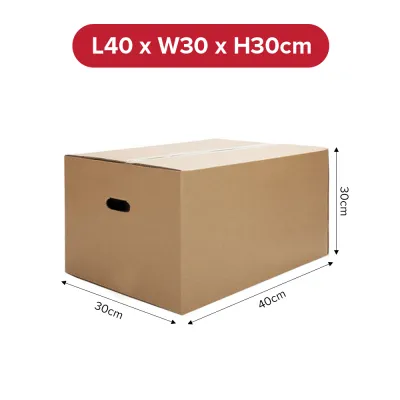
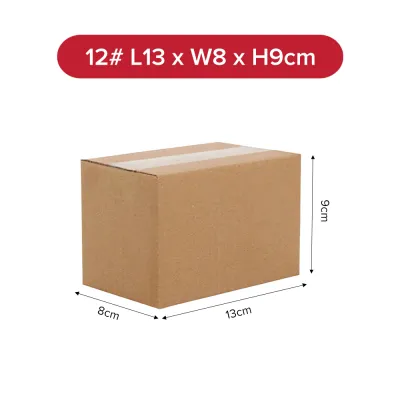
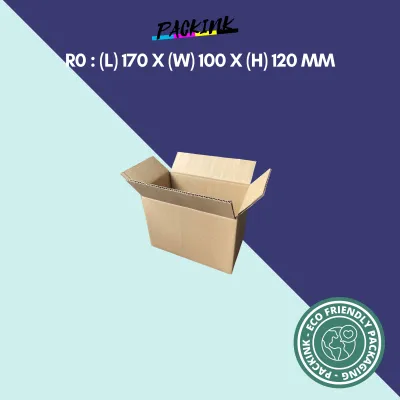
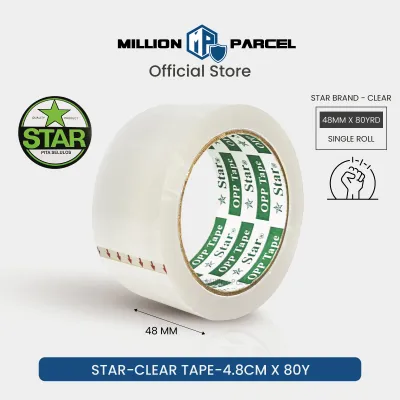
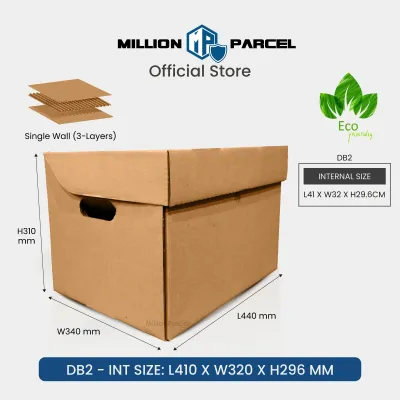
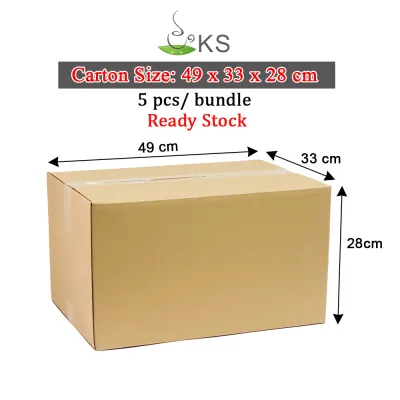
Prices are valid at publication and may change. Please refer to the product page for the latest price.
Corrugated cardboard boxes are available in single-walled and double-walled constructions. Single-walled boxes consist of a single layer of fluted paper between two flat liners, suitable for light items, while double-walled boxes offer two layers of fluting for heavy-duty support.
In Singapore’s highly humid tropical climate, cardboard fibers can absorb moisture from the air, which naturally weakens their structural integrity over time. To ensure your boxes do not fail, always check the manufacturer’s weight capacity labels and Edge Crush Test (ECT) ratings printed on the bottom flaps before you begin packing.
Small Boxes: The Best Choice for Heavy, Dense Items
Small moving boxes, typically measuring around 1.5 to 2.0 cubic feet (approximately 40 x 30 x 30 centimeters), are designed specifically for high-density belongings. By limiting the physical volume of the box, you naturally prevent the packed weight from exceeding safe lifting limits.

Books, Documents, and Media
Paper is exceptionally heavy when stacked. Small cartons are mandatory for packing books, files, office documents, and vinyl records to keep the overall weight manageable.
When packing books, place them flat or spine-down to protect the bindings and prevent pages from warping. Avoid packing books with the open paper edges facing downward, as the weight of other items will bend and ruin the pages. Fill any remaining empty spaces with crumpled packing paper to prevent the contents from shifting during transport.
Tools, Hardware, and Canned Goods
Metal hand tools, heavy hardware, and canned pantry items are highly dense and often have sharp or irregular edges. For these items, standard single-walled boxes are highly susceptible to punctures and structural failure.
Instead, opt for double-walled small boxes that offer superior puncture resistance. When packing tools, always wrap sharp metal edges in thick packing paper or bubble wrap first to prevent them from piercing the cardboard walls. Place heavy canned goods flat at the bottom of the carton, and distribute the weight evenly to maintain a stable center of gravity.
Medium Boxes: The Versatile Standard for Everyday Household Goods
Medium moving boxes, generally ranging from 3.0 to 3.5 cubic feet (approximately 50 x 40 x 40 centimeters), are the most versatile standard size for residential moves. They are ideal for items that have a moderate balance of volume and weight, making them the primary workhorse of your packing process.
Kitchenware, Small Appliances, and Pantry Items
Kitchens contain a diverse array of shapes, sizes, and materials that require careful packing. Medium boxes are perfect for pots, pans, baking sheets, and small kitchen appliances such as blenders, coffee makers, or toasters.
Before packing appliances, remove any detachable parts, wrap the power cords securely around the units, and tape them down to prevent scratching. Place heavier pots at the bottom of the box, nesting smaller pots inside larger ones with sheets of packing paper in between. Always cushion the top, bottom, and sides of the box with crumpled packing paper or bubble wrap to absorb shocks.
Shoes, Toys, and Bathroom Essentials
Shoes, children’s toys, and toiletries fit perfectly into medium-sized cartons. If you have kept the original shoe boxes, stack them neatly inside the medium carton to maximize space and preserve the shoes’ shape. For loose shoes, wrap each pair in packing paper to prevent scuffing.
When packing toys, group them by durability, placing sturdier plastic items at the bottom and more delicate toys on top. For bathroom essentials like shampoos and cleaning agents, ensure all lids are tightly sealed. Wrap the openings with adhesive tape and place the bottles upright inside sealable plastic bags before packing them to prevent leaks from damaging other dry goods.
Large and Extra-Large Boxes: Perfect for Bulky, Lightweight Items
Large and extra-large boxes, measuring between 4.0 and 6.0+ cubic feet (approximately 60 x 50 x 50 centimeters or larger), are designed exclusively for voluminous, lightweight items. A common moving mistake is filling these massive cartons with heavy belongings, resulting in a box that is impossible to lift and highly likely to collapse under its own weight.
Bedding, Pillows, and Linens
Bedroom textiles take up a significant amount of physical space but weigh very little. Large and extra-large boxes are perfect for comforters, pillows, bedsheets, blankets, and bath towels.
To optimize space and protect these items from dust and moisture, consider placing them in vacuum seal bags before packing them into the boxes. Vacuum sealing drastically reduces the volume of fluffy pillows and comforters, allowing you to fit more into a single carton while providing an airtight barrier against Singapore’s high humidity.
Folded Clothing, Jackets, and Stuffed Toys
Folded clothing, winter jackets, and large plush toys should also be packed in large cartons. Lay folded clothes flat in neat stacks to minimize wrinkling. Heavy winter coats or bulky sweaters can be placed on top of lighter t-shirts.
Avoid mixing heavy, dense items like books or shoes into these large boxes, as they will crush the fabrics underneath and quickly exceed safe lifting weights. Keep the total weight of a large box under 20 kilograms to ensure it can be handled safely by you or your professional movers.
Specialty Cartons: When Standard Sizes Are Not Enough
Standard rectangular boxes are not always suitable for every item in your home. Some belongings require specialized packaging designs to protect their unique shapes, preserve delicate structures, or prevent valuable garments from being ruined during transit.
Wardrobe Cartons for Hanging Garments
Wardrobe boxes are tall, upright cartons equipped with a heavy-duty metal hanging rod across the top. They allow you to transfer suits, dresses, coats, and formal wear directly from your closet hanger onto the box’s rod without folding them. This keeps high-value garments wrinkle-free and clean.
However, because wardrobe boxes have a large footprint and are quite tall, it is crucial to measure your doorways, hallway clearances, and lift dimensions. In many Singapore condominiums and HDB blocks, elevator heights and narrow stairwell corners can make maneuvering these bulky boxes challenging, so verify clearances before purchasing.
Dish Packs with Dividers for Fragile Glassware
Dish packs are heavy-duty, double-walled boxes specifically engineered to protect fragile kitchenware, such as plates, bowls, wine glasses, and porcelain. They often feature customizable cardboard cells or dividers that isolate individual glasses and bottles, preventing them from knocking against each other.
When packing a dish pack, always place a thick layer of crumpled packing paper at the very bottom to act as a shock-absorbing cushion. Wrap each individual glassware item in multiple layers of clean packing paper or bubble wrap before placing it into its designated cell. Even though these boxes are highly protective, keep the overall weight balanced and avoid overstuffing the upper sections.
Essential Purchasing and Packing Strategies for a Smooth Move
When planning a move in Singapore, avoid the temptation to collect free, discarded cardboard boxes from local supermarkets or wet markets. These boxes are often single-walled, weakened by previous use, and may have absorbed moisture or harbor pests like cockroaches or ants. Instead, source high-quality, new corrugated cartons from specialized local packaging suppliers, reputable stationery stores, or your professional moving company. Investing in fresh, dry cartons ensures structural integrity and protects your household goods. New moving boxes typically range in price from S$2 to S$6 per carton depending on size and wall thickness.
To seal your cartons, use high-quality, heavy-duty packing tape that is at least 2 inches (50 millimeters) wide. Avoid using thin stationery tape or masking tape, which do not have the adhesive strength to hold heavy cardboard flaps together under tension. Secure the bottom of every box using the ‘H-tape’ method: apply tape down the center seam, and then apply tape along the side edges to form an ‘H’ shape. This reinforces the seams and prevents the bottom flaps from opening during transport. When cutting tape or boxes with a utility knife, always cut away from your body and keep blades out of reach of children.
Clear labeling is the secret to an organized move. Use a thick, waterproof permanent marker to write on multiple sides of every box. Do not just label the top, as boxes will be stacked on top of each other in the moving truck. Write the destination room (e.g., ‘KITCHEN’, ‘MASTER BEDROOM’), a brief summary of the contents, and clear handling instructions such as ‘FRAGILE’ or ‘HEAVY’ with arrows pointing upward to show the correct orientation.
Frequently Asked Questions (FAQ)
Can I reuse free cartons from supermarkets or retail stores for moving?
While free supermarket cartons seem cost-effective, they pose significant risks. These boxes have already undergone structural stress, making them prone to collapsing when stacked. Furthermore, retail boxes often carry food residues, which can attract pests like ants and rodents, and they may have absorbed ambient moisture from refrigeration or humid Singapore weather, severely compromising their strength. For valuable, fragile, or sentimental items, it is always safer to purchase new, dry, purpose-built moving cartons.
How do I know if a moving box is too heavy to lift safely?
A simple physical ‘lift test’ can help you determine if a box is overloaded. Try to lift the packed box straight up off the ground using your legs, keeping your back straight and your arms close to your body. If you cannot lift it comfortably, or if the box feels unbalanced and the cardboard begins to bow or flex outward, it is too heavy. Immediately open the box and redistribute the heavier items into smaller cartons, filling the remaining space in the original box with lightweight packing materials.

Community discussion
Share your experience or ask a question. Comments are reviewed before publication.