
Selecting the right mover box sizes is the foundation of a successful, stress-free relocation. The secret to efficient packing lies in matching the weight and density of your household items to the structural capacity of the cardboard. As a general rule, heavy and compact items belong in small boxes, while light and bulky items should be reserved for larger containers.
In Singapore’s humid climate, choosing the correct box specifications also protects your belongings from moisture-induced structural weakening. Whether you are moving between HDB flats, transitioning to a condominium, or putting items into temporary storage, understanding standard carton dimensions will prevent damaged goods and physical strain during transit.
Decoding Mover Box Specs: Dimensions, Ply, and Weight Limits
While the external length, width, and height of a mover box determine its total volume, these measurements do not dictate its strength. The load-bearing capacity of a carton is determined by its corrugated board construction, specifically the ply rating and flute profile. Single-wall cardboard consists of one wavy fluted layer sandwiched between two flat linerboards, whereas double-wall cardboard features two fluted layers for significantly higher structural rigidity.
Products mentioned in this guide
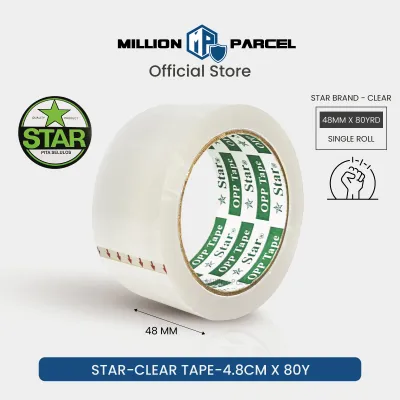
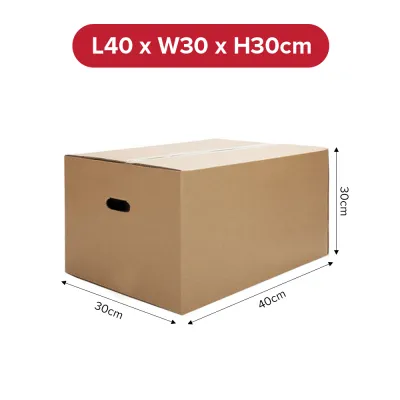
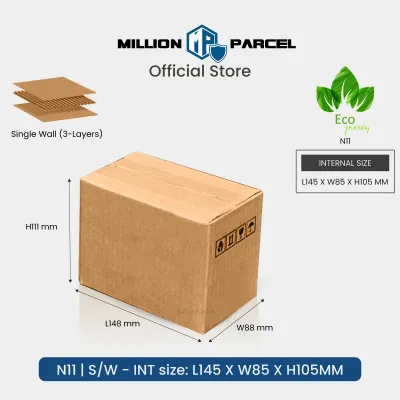
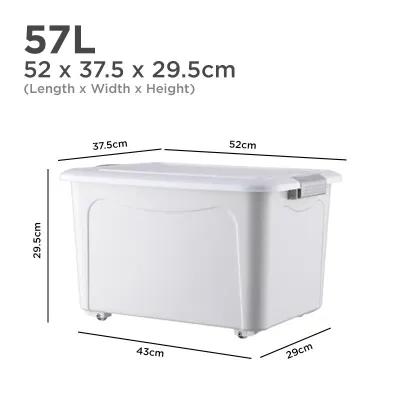
Prices are valid at publication and may change. Please refer to the product page for the latest price.
When purchasing packing materials, do not assume a larger box is inherently stronger than a smaller one. A large single-wall box will buckle under a fraction of the weight that a small double-wall box can easily support. Always check the manufacturer’s printed specifications, which often include the Edge Crush Test (ECT) rating or a maximum gross weight limit stamped on the bottom flap.
Ignoring these weight limits is the leading cause of bottom blowouts and torn handles during a move. In high-humidity environments like Singapore, cardboard naturally absorbs ambient moisture, which can reduce its structural integrity by up to thirty percent over a few days. Opting for double-wall cartons for valuable or heavier items provides an essential safety margin against sudden structural failures.
Small Mover Boxes: Managing High-Density and Heavy Items
Small mover boxes, typically measuring around 40 x 30 x 30 centimetres, are designed specifically for high-density items. These cartons are the ideal choice for packing books, magazines, printed documents, kitchen crockery, heavy tools, and vinyl records. Because these items carry significant weight relative to their volume, keeping them in smaller containers is essential for safe handling.

There is a strict physical constraint when packing dense goods: a box must remain light enough for an individual to lift safely. For most adults, the maximum comfortable lifting weight ranges between 15 and 20 kilograms. Filling a medium or large carton entirely with books will easily exceed this limit, creating a severe safety hazard for you or your professional movers.
To pack these items safely, place the heaviest objects flat at the bottom of the box to keep the center of gravity low. Distribute the weight evenly across the base rather than concentrating it in one corner. Before packing, reinforce the bottom seams of the carton with high-quality, pressure-sensitive acrylic packing tape applied in an “H-pattern” across all open joints.
Medium Mover Boxes: Balancing Volume for Everyday Goods
Medium mover boxes, generally sized around 50 x 40 x 40 centimetres, are the versatile workhorses of any residential move. They offer the perfect compromise between storage volume and manageable physical dimensions. This size is highly suited for everyday household goods, including folded clothing, shoes, bed sheets, toys, board games, and non-perishable pantry items.
Because of their balanced proportions, medium cartons allow you to pack a high volume of items without making the container impossibly heavy. They are particularly useful for items that have an irregular weight-to-volume ratio, making them the safest default choice when you are unsure which box size is appropriate for a specific object.
To prevent damage during transit, fill any empty pockets inside a medium box with crumpled packing paper, bubble wrap, or clean towels. Items that shift during transport are highly susceptible to breakage, and empty spaces can cause the box to collapse when stacked inside a moving truck. Ensure the box is filled completely to the top edge so it maintains its shape under pressure.
Large and Extra-Large Boxes: Handling Bulky, Lightweight Loads
Large and extra-large mover boxes, which typically exceed 60 x 50 x 50 centimetres, are built exclusively for bulky, low-density items. These spacious cartons are designed to hold lightweight goods such as pillows, duvets, winter coats, cushions, curtains, and oversized plastic toys. Using large boxes for these items reduces the total number of trips required to load the moving vehicle.
Loading heavy items into a large carton is a common and costly packing mistake. Packing books, heavy kitchen appliances, or extensive dishware collections into an extra-large box makes the container dangerously heavy and causes the cardboard walls to bow outward. This structural distortion makes the box impossible to stack securely, increasing the risk of a stack collapsing in transit.
Before sealing any large carton, perform a quick physical check known as the “shake test.” Gently lift the box a few centimetres off the ground; if the cardboard bulges significantly or if the weight feels unmanageable, immediately unpack it. Redistribute the heavy items into smaller cartons and fill the remaining space in the large box with lighter materials.
Specialty Cartons: Solutions for Fragile and Awkward Items
Standard rectangular cartons are not always suitable for fragile, expensive, or awkwardly shaped household items. For these challenging objects, specialty mover boxes provide targeted protection and structural support. Investing in specialized packaging minimizes the risk of damage to high-value belongings that do not fit standard dimensions.
- Wardrobe Boxes: These tall, sturdy cartons feature an integrated metal or heavy-duty cardboard hanging rail. They allow you to transfer clothes directly from your closet on their hangers, keeping garments wrinkle-free and saving hours of folding time.
- Dish Packs: Designed with double-wall cardboard and customizable cardboard cell dividers, these boxes keep fragile glassware, porcelain plates, and ceramic mugs isolated and upright to absorb shocks.
- Picture and Mirror Boxes: These slim, telescoping cartons can be adjusted to fit flat-screen monitors, framed artwork, and large mirrors, featuring reinforced corners to prevent impact damage.
Before purchasing specialty cartons, measure the exact external dimensions of your awkward items. Compare these figures against the internal clearance specifications of the specialty box to ensure a snug fit that leaves enough room for protective foam or bubble wrap cushioning.
Frequently Asked Questions (FAQ)
How can I estimate the total number of mover boxes I need?
To estimate your required boxes, conduct a room-by-room visual audit of your home. Group your belongings by density rather than simply counting items, noting how many bookshelves, wardrobes, and kitchen cabinets you need to clear. It is highly recommended to purchase a few extra small and medium boxes, as these are the most versatile sizes. Having a surplus of cartons prevents the temptation to overpack, protecting the structural integrity of your boxes and keeping your items safe.
Are reused grocery or delivery cartons safe for moving?
Reused grocery or delivery cartons often carry hidden structural fatigue, minor tears, or moisture damage from their previous journeys. In Singapore’s humid climate, second-hand cardboard can soften quickly, making it unreliable for supporting heavy loads. Inspect any free boxes thoroughly for soft spots, water stains, or compromised seams. Limit the use of recycled cartons to lightweight, non-fragile items like linens, and invest in brand-new, rated mover boxes for your valuable, fragile, or heavy household goods.

Community discussion
Share your experience or ask a question. Comments are reviewed before publication.