
Choosing a premium notebook often comes down to how the paper interacts with your favorite writing instruments. While a Moomin Moleskine notebook charms with its illustrated covers, the writing experience inside is determined by physical paper characteristics that vary across brands like Leuchtturm1917 and Midori. Evaluating these notebooks requires looking past the cover art and understanding how paper weight, texture, and sizing affect your daily writing.
Because paper specifications can vary significantly between different product lines and manufacturing batches, this guide provides a structured framework to help you evaluate paper weight, texture, and ink performance. By understanding these core metrics, you can verify specifications and test samples to ensure you choose a notebook that matches your daily writing needs.
Key Metrics for Evaluating Premium Notebook Paper
To objectively assess and compare notebook paper quality across different brands, you must first understand the standard criteria that dictate how paper behaves under a pen. These physical properties are not indicators of universal superiority; rather, they determine how well a paper matches specific writing styles and tools.
Products mentioned in this guide
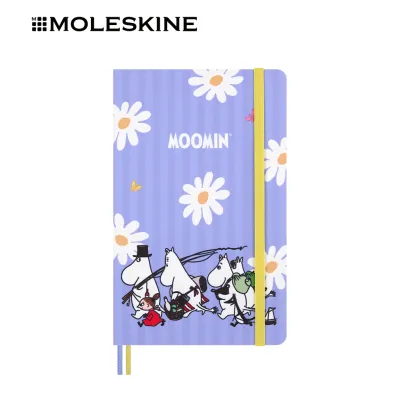
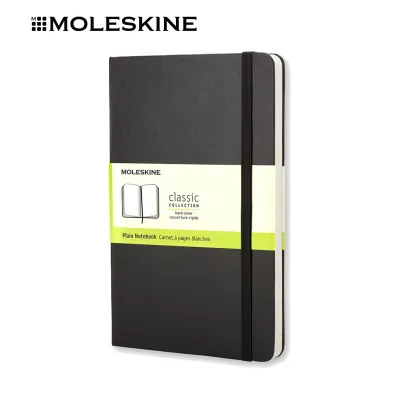
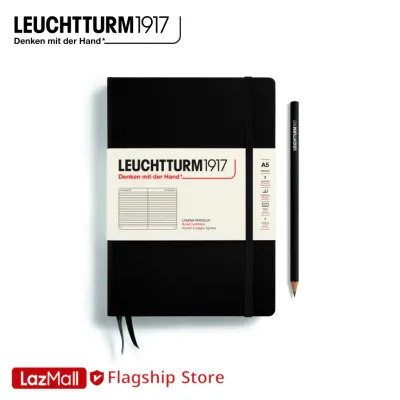
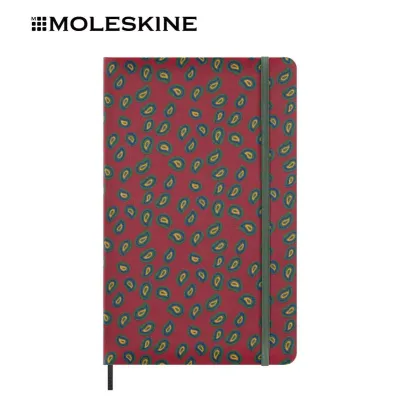
Prices are valid at publication and may change. Please refer to the product page for the latest price.
Paper weight, measured in Grams per Square Meter (GSM), is the most common specification you will encounter. This metric directly impacts the paper’s thickness, opacity, and overall durability. Thicker paper with a higher GSM generally offers greater resistance to ink show-through, but it also increases the physical bulk and weight of the notebook, making it less portable.
Surface texture, often referred to as “tooth,” describes the tactile feel of the paper surface. A smooth paper surface minimizes friction, allowing pens to glide effortlessly across the page, which is ideal for fast writing and fine-tip pens. Conversely, a toothy paper surface features microscopic texture that grips the pen tip or pencil graphite, providing tactile feedback and greater control over your handwriting.
Paper sizing and coating treatments are chemical applications that regulate how much liquid the paper absorbs. Highly sized paper resists ink absorption, keeping lines crisp and preventing ink from spreading, though this often results in longer drying times. Unsized or lightly sized paper absorbs ink quickly, which reduces drying times but increases the risk of feathering and bleed-through.
Comparing Paper Specifications Across Brands
When comparing Moomin Moleskine, Leuchtturm1917, and Midori, you must look at their official specifications rather than relying on general brand reputation. Manufacturers frequently update their paper sources or use different paper stocks for special editions, collaborations, and standard lines.

Always check the product packaging, back cover labels, or official brand websites for the exact specifications of the notebook edition you are considering. This ensures you are comparing equivalent products rather than making assumptions based on older batches or different product lines.
Paper Weight and Thickness (GSM)
Locating the GSM rating is the first step in predicting how a notebook will handle your pens. This rating is typically printed on the paper band wrapping the notebook or listed in the online product specifications.
Standard notebooks often range from 70 GSM to 120 GSM. While a higher GSM rating helps prevent ink from showing through on the reverse side of the page, it also makes the notebook noticeably thicker and heavier. If you carry your notebook daily in a bag, you will need to balance the desire for high opacity with the practical need for a lightweight, portable book.
Surface Texture and Tooth
Assessing the texture of a notebook’s paper before writing on it requires looking for specific descriptive terms or physically feeling a sample page. Terms like “vellum,” “satin,” or “smooth” indicate a low-friction surface, whereas “matte,” “rough,” or “medium tooth” suggest a surface with more tactile feedback.
Your choice between a smooth or toothy surface should align with your writing speed and grip. A frictionless surface allows for rapid, effortless writing but can feel slippery with certain rollerball pens. A toothy surface slows down your hand slightly, which can help improve legibility and provides a satisfying tactile response, especially when using pencils or fountain pens with feedback.
Assessing Ink Performance and Bleed-Through
When testing a new notebook, you should evaluate three primary ink-related issues: feathering, bleed-through, and show-through (often called ghosting). Feathering occurs when ink spreads sideways along the paper fibers, causing sharp lines to look fuzzy. Bleed-through happens when ink penetrates completely through the sheet, leaving spots on the opposite side. Show-through refers to the shadow of your writing being visible on the back of the page, even if the ink has not physically broken through the surface.
To perform a reliable ink test, use a page at the very back of the notebook as a test sheet. Write a few lines using your everyday pens, applying normal writing pressure. Draw a small solid block of ink to test how the paper handles heavy saturation, and write a single word with a quick stroke to check the drying time.
Keep in mind that ink performance is never determined by the paper alone; it is a chemical interaction between the paper’s sizing and the specific formulation of your ink. A pen that bleeds in one notebook might perform beautifully in another, making personal testing with your specific pen-and-ink combinations essential.
Matching Paper Characteristics to Your Writing Tools
Fountain pen users require paper with robust sizing and sufficient weight to handle wet, water-based inks. Without proper sizing, fountain pen ink will quickly soak into the fibers, leading to severe feathering and bleed-through. Look for papers specifically designated as fountain-pen-friendly, which often feature a smoother, coated surface that keeps the ink on top of the paper to preserve line crispness and showcase ink properties like shading or sheen.
Gel and rollerball pens deliver liquid or gel-based inks that require a balance of absorption and drying speed. Left-handed writers, in particular, should prioritize papers that absorb ink relatively quickly to prevent smudging as their hand moves across the page. If you use highly saturated gel pens, a moderately absorbent paper with a medium weight will help keep your notes clean and smudge-free.
Pencils and ballpoint pens perform best on papers that offer a specific type of physical resistance. Pencils require a paper with enough tooth to abrade the graphite core, leaving a clear, dark mark on the page. Ballpoint pens, which rely on a tiny rolling ball to distribute thick, oil-based ink, benefit from a smooth but slightly yielding surface that ensures the ball rotates consistently without skipping.
How to Verify Paper Quality Before Purchasing
Before purchasing a premium notebook, always verify the exact product line name. Brands often use completely different paper stocks across their various collections. For example, a brand’s sketchbooks, academic planners, and standard journals may all feature different paper weights and textures despite sharing identical cover designs.
If you are uncertain about how a particular paper will handle your writing tools, consider purchasing a smaller, pocket-sized version or a softcover edition first. These smaller formats are typically more affordable and allow you to conduct thorough ink and texture tests before investing in a larger, premium hardcover notebook.
Whenever possible, visit a physical stationery store to inspect the notebooks in person. This allows you to feel the paper weight and texture directly. In humid climates, such as Singapore, paper stored in non-air-conditioned environments can absorb ambient moisture over time, which can degrade the sizing and alter how the paper handles ink. Inspecting the notebook in person helps you check for any signs of humidity damage, warping, or manufacturing defects before making your purchase.
Frequently Asked Questions (FAQ)
Does the Moomin collaboration change the paper quality inside the Moleskine?
No, special collaboration editions like the Moomin series typically use the brand’s standard paper stock designated for that specific notebook size and format. The unique elements of these collaboration notebooks are generally limited to the cover artwork, themed endpapers, and included stickers or inserts. To determine the exact paper quality inside, you should check the product’s official specifications and model code rather than assuming the paper differs from the brand’s standard classic line.
Which paper is best for preventing fountain pen feathering?
To prevent fountain pen feathering, you should look for paper that features high-quality surface sizing and a smooth, dense finish. Sizing acts as a barrier that prevents water-based inks from spreading rapidly through the paper fibers. However, because feathering is also heavily influenced by your pen’s nib size, the wetness of your ink, and your writing speed, conducting a personal test with your specific pen-and-ink setup remains the most reliable way to ensure a feather-free writing experience.

Community discussion
Share your experience or ask a question. Comments are reviewed before publication.