
Selecting the right money envelope size depends on the physical dimensions of the banknotes, the total volume of cash, and the formality of the occasion. For formal events like weddings or festive celebrations, long envelopes that hold bills flat and unfolded are the standard choice. For casual gifting, daily budgeting, or smaller token amounts, compact envelopes that require folding the bills offer a practical and space-saving alternative. Understanding how paper dimensions interact with cash volume ensures your presentation remains neat and secure.
Understanding Standard Money Envelope Sizes and Labels
Stationery manufacturers categorize money envelopes into two primary designs: short (or folded) and long (or flat). Short envelopes require you to fold banknotes in half or thirds, making them highly compact and easy to carry. Long envelopes are designed to let banknotes lie completely flat without any creases, preserving the pristine condition of the paper and offering a more formal presentation.
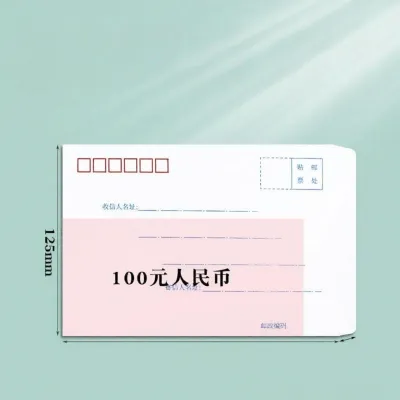
Standard stationery size codes often guide these dimensions, though they are not always uniform across brands. For example, a C6 envelope (typically measuring 114 mm by 162 mm) easily accommodates bills folded in half. A DL envelope (measuring 110 mm by 220 mm) is a classic choice for unfolded banknotes, offering ample length and height for standard currency denominations.
Products mentioned in this guide
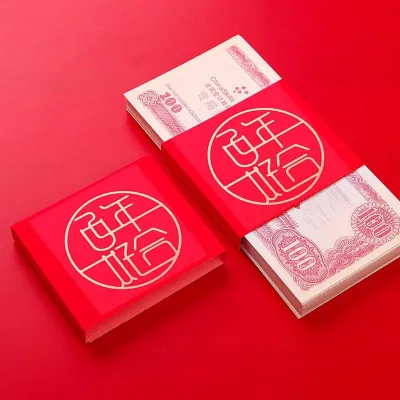
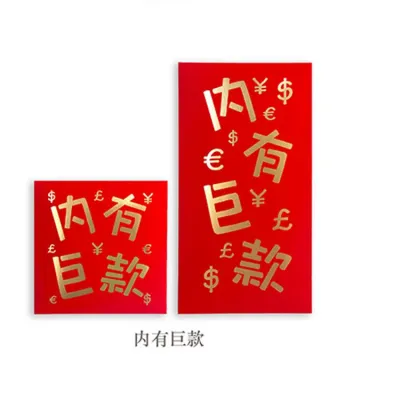
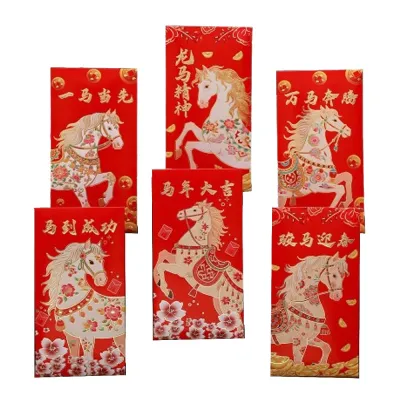
Prices are valid at publication and may change. Please refer to the product page for the latest price.
However, generic labels like “medium,” “large,” or “standard” can vary significantly between manufacturers. It is always safest to check the exact millimeter or centimeter measurements printed on the packaging before making a purchase. This prevents buying envelopes that are slightly too narrow for local banknotes, which can vary in length depending on the denomination, such as larger S$50 or S$100 notes compared to smaller denominations.
Matching Dimensions to Cash Volume and Folding Preferences
The physical bulk of your cash gift or savings bundle directly dictates the envelope thickness you need. A single banknote slides easily into almost any standard envelope, but a stack of ten or more bills creates a noticeable bulge. For substantial cash bundles, standard flat paper envelopes can stretch, warp, or even tear at the seams under the pressure of the contents.

If you plan to present a large stack of notes, look for envelopes with gusseted sides or expandable folds. These specialized designs feature pre-creased sides that expand outward, allowing the envelope to maintain its shape without putting excessive tension on the paper seams. This is particularly useful for corporate gifting or significant family milestones where multiple bills are distributed together.
The condition of the banknotes also affects the required volume inside the envelope. Crisp, newly printed banknotes—often preferred for festive gifting—do not compress as easily as circulated, softer notes. A stack of new bills naturally occupies more vertical space, requiring a slightly wider opening and a more generous envelope depth to avoid tearing the paper during insertion.
When your cash includes coins, the structural demands on the envelope increase significantly. Coins require secure adhesive closures, such as peel-and-seal strips or heavy-duty gummed flaps, to prevent them from slipping out during transport. Ensure the envelope features reinforced seams and a sturdy paper weight to support the concentrated weight of metal coins without puncturing the bottom or sides.
Selecting Envelope Sizes for Weddings, Festivals, and Daily Use
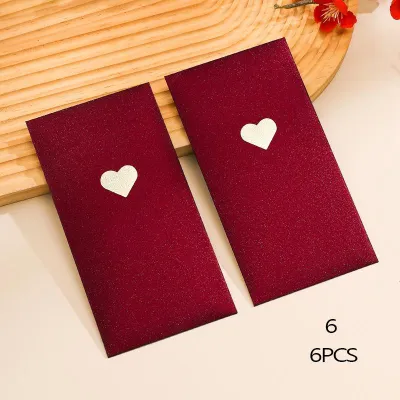
Formal occasions like weddings carry specific presentation expectations that influence envelope selection. In Singapore, wedding cash gifts are traditionally presented in long red packets or elegant decorative envelopes. Keeping the banknotes flat and unfolded is considered a sign of respect and formal presentation, making long envelopes the preferred choice for these celebrations.
For festive occasions like Chinese New Year, both short and long red packets (ang baos) are widely used. The choice often depends on personal preference and the denomination of the bills. For example, smaller denominations like S$2 or S$10 notes given to children are frequently placed in compact, short envelopes with folded bills, while larger amounts or gifts for elders are typically presented in long envelopes to accommodate flat, crisp notes.
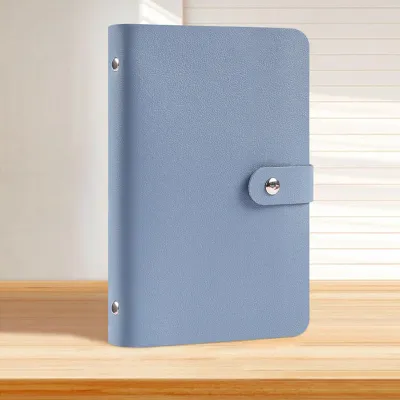
Daily budgeting, cash stuffing, or weekly allowances call for a more utilitarian approach. Compact, standard-sized envelopes are ideal for these purposes because they fit easily into personal planners, wallets, or desk drawers. Since formal presentation is not a priority, folding the bills allows you to use smaller, highly portable envelopes that keep your household finances organized without taking up unnecessary space. Many budgeting enthusiasts use specialized plastic or laminated paper envelopes with pre-punched holes to fit directly into personal organizer binders.
How to Measure and Verify the Fit Before Buying
To guarantee a perfect fit, measure the physical dimensions of your banknotes before purchasing envelopes. Use a standard ruler to measure the length and width of the specific denomination you plan to use, both in its flat state and folded state if you prefer a compact envelope.
Always add a safety margin of at least 5 to 10 millimeters to both the length and width of your measurements. This extra space accounts for the thickness of the paper itself, the cumulative bulk of multiple bills, and the clearance needed to slide the cash in and out smoothly without crumpling the edges.
If you are shopping in a physical stationery store, bring a sample banknote or a piece of paper cut to the exact size of your cash bundle to perform a quick test fit. When purchasing online through an ecommerce platform, carefully review the product specifications for exact millimeter dimensions and check the seller’s return policy to ensure you can exchange the envelopes if they do not match your requirements.
Frequently Asked Questions (FAQ)
Can I use a standard business envelope for cash gifts?
While a standard white business envelope can physically hold cash, it is generally not recommended for formal gifting due to its plain appearance and thin paper. Business envelopes often lack decorative elements and can be translucent, exposing the cash inside to plain view. They are best reserved for informal budgeting, internal office collections, or situations where the envelope is placed inside a larger card.
Do I need a thicker paper weight for large cash amounts?
Yes, a thicker paper weight is highly beneficial when enclosing larger cash amounts or multiple banknotes. Envelopes made from heavier paper, such as 120 gsm (grams per square meter) or higher, provide better structural integrity to prevent tearing under tension. Thicker paper also ensures opacity, keeping the contents completely private and secure from external view.

Community discussion
Share your experience or ask a question. Comments are reviewed before publication.