
Determining whether a momsboard or an alternative magnetic letter board is the right choice for early childhood education depends on verifying specific product specifications against your child’s developmental stage and your home learning environment. While large-format boards offer an expansive canvas for play, smaller alternatives might better suit compact spaces or specific educational goals. By establishing a clear comparison framework, you can make an informed decision that supports your child’s learning journey without cluttering your living space.
What to Look for When Comparing Magnetic Letter Boards
When comparing magnetic letter boards, the physical dimensions and mounting options are critical starting points. A large, heavy board requires a dedicated wall area and secure mounting hardware, which is a key consideration for apartment living where wall space is highly utilized. Conversely, a smaller, freestanding, or portable board can be easily stored away when not in use, making it ideal for multi-purpose rooms. The weight of the board also dictates whether it can safely hang on temporary adhesive hooks or if it requires drilling into concrete or drywall.
The material composition of the magnetic pieces directly impacts their durability and tactile appeal. Foam letters are lightweight, soft, and quiet when dropped, but they can be easily damaged or chewed by younger children. Hard plastic letters are highly durable and easy to sanitize, though they can feel less tactile. Wooden pieces offer a classic, sturdy feel but require careful inspection to ensure there are no rough edges or splinters.
Products mentioned in this guide
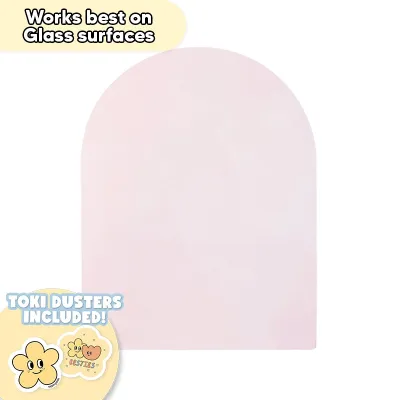
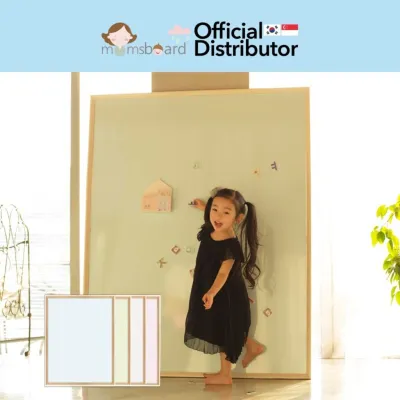
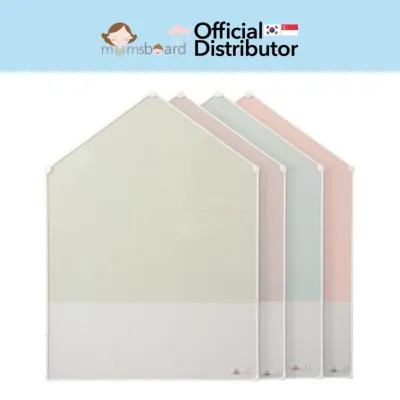
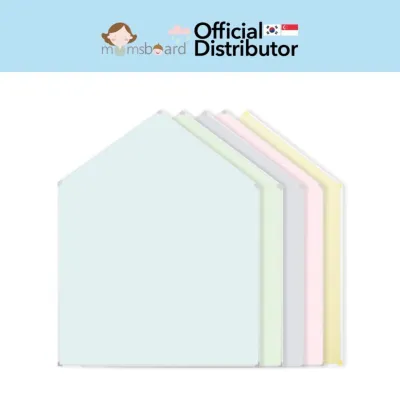
Prices are valid at publication and may change. Please refer to the product page for the latest price.
Completeness of the set is another essential factor for language development. Ensure the set includes a generous distribution of both uppercase and lowercase letters, as early reading instruction heavily emphasizes lowercase recognition. Having multiple copies of common vowels and consonants is necessary for spelling full sentences.
Evaluate the surface quality of the board itself. A high-quality magnetic board should have a low-glare finish to prevent eye strain under bright indoor lighting. If the board is also designed for drawing, verify its compatibility with dry-erase markers, checking how easily the ink can be wiped away without leaving permanent stains or ghosting.
How to Evaluate Momsboard for Your Home Setup
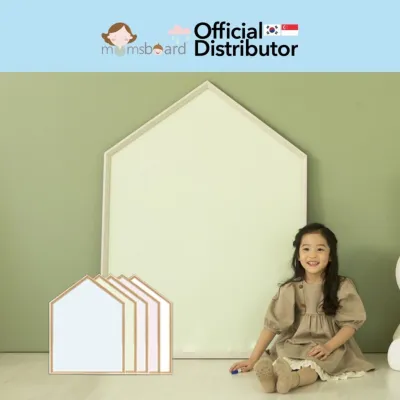
To assess whether a momsboard is the right fit for your home, start by verifying the exact specifications of the model you are considering. Momsboard is widely recognized for its large, framed design, which provides a generous area for creative play and structured learning. Measure your intended wall space carefully and compare it against the product’s listed dimensions to ensure a proper fit.

Next, check the exact piece count and what is included in the package. Some momsboard options are sold as standalone boards, while others come as bundles with letters, numbers, and drawing accessories. Reviewing the product description carefully prevents the surprise of receiving a board without the necessary magnetic characters.
Pay close attention to the age grading and safety certifications listed on the packaging. Because magnetic letters can vary in size, ensuring the pieces match your child’s developmental stage is vital for safety. If you have younger toddlers in the home, verify if the letters are large enough to prevent choking hazards.
Consider the storage and maintenance requirements of the board. A larger board may require dedicated storage bins for the magnetic pieces to keep your living area tidy. Look for bundles that include storage pouches or organizers, which help maintain order and prevent pieces from getting lost.
How Alternative Magnetic Boards Compare
Exploring alternative magnetic boards on online marketplaces reveals a diverse range of options tailored to different educational needs. Some alternative brands focus on specialized learning systems, such as phonics-focused sets with color-coded vowels and consonants to help children distinguish letter sounds. Others offer bilingual character sets, which are highly beneficial for families supporting multilingual development.
When comparing build quality, look closely at the magnetic backing of the pieces. High-quality alternatives often feature a full magnetic sheet backing, which provides a stronger grip and eliminates the risk of small, individual magnets detaching. Check verified buyer feedback to see how well the pieces adhere to the board and whether they slide down over time.
The price-to-piece ratio is an excellent metric for evaluating overall value. Calculate this by dividing the total cost in S$ by the number of included pieces. While premium brands may have a higher initial cost, budget-friendly alternatives often provide larger quantities of letters, allowing for more complex spelling activities.
Note the differences in board design and portability. Some alternatives feature lightweight, double-sided folding boards or portable easel designs. These are highly practical for families who travel frequently or prefer to move their learning activities between different rooms.
Decision Guide: Which Magnetic Board Should You Choose?
Choosing the right magnetic board requires balancing your educational goals with your physical space constraints. Opt for a momsboard if you have a dedicated playroom or a large, permanent wall space and want a premium, expansive board that can serve as a long-term learning hub. Its large surface area is ideal for households with multiple children, allowing them to collaborate and play simultaneously.
Choose an alternative magnetic board if you require specialized educational features, such as bilingual characters or specific phonics tiles, that are not included in standard bundles. Alternatives are also the better choice if you need a highly portable system that can be packed away to save space in a smaller home. If budget is your primary constraint, a high-value alternative set can deliver excellent educational utility at a lower price point.
If neither option meets your safety standards or space limitations, it may be best to look for other tactile learning mediums. For example, if your child is still in the stage of putting objects in their mouth, felt letter boards or large wooden tracing blocks are safer alternatives until they are ready for magnetic toys.
Before finalizing your purchase, always verify the product details. If you are unsure about the magnetic strength, board weight, or piece dimensions, contact the manufacturer or ask the seller for detailed specifications to ensure the product meets your expectations.
Essential Safety and Care Checks for Magnetic Learning Toys
Ensuring the safety and longevity of your magnetic learning tools requires regular maintenance and careful supervision. Inspect the magnetic pieces frequently for any signs of wear and tear. Look for peeling layers on foam letters, cracked plastic, or loose backing magnets, and immediately discard any damaged pieces to prevent choking or ingestion hazards.
Strictly follow the manufacturer’s age recommendations, particularly for children under three years old. High-powered magnets pose severe internal safety risks if swallowed, so magnetic play should always be supervised by an adult. Keep spare pieces and unused sets stored securely out of reach of younger siblings.
To clean the board surface, use only the cleaning methods recommended on the product label. Avoid harsh chemical cleaners, alcohol-based wipes, or abrasive sponges, as these can permanently damage the dry-erase coating and make the board difficult to clean in the future. A soft microfiber cloth slightly dampened with water is usually the safest option for daily maintenance.
Establish a consistent storage routine with your child at the end of each play session. Using dedicated storage bags, bins, or magnetic trays not only keeps your home organized but also allows you to quickly count the pieces and ensure no magnets are left on the floor where they could be stepped on or swallowed.
Frequently Asked Questions (FAQ)
At what age should a child start using a magnetic letter board?
Most manufacturers recommend magnetic letter boards for children aged three and older due to the choking hazards associated with small parts. At this stage, children are developing the fine motor skills needed to grasp, rotate, and place the letters on the board. For younger toddlers, you can introduce larger, non-magnetic tactile letters, transitioning to standard magnetic sets once they no longer put toys in their mouths.
Can magnetic letter boards be used on refrigerators or other metal surfaces?
Yes, the magnetic pieces themselves can generally be used on refrigerators or any flat, magnetically receptive metal surface. However, you should check the backing of the letters first; rough plastic or exposed metal magnets can scratch appliance finishes. Additionally, using them in a high-traffic area like the kitchen increases the risk of pieces falling under appliances and getting lost.
How do I clean magnetic letters without ruining the print or magnetic backing?
To clean magnetic letters safely, avoid submerging them in water, as moisture can seep between the layers of foam or weaken the adhesive holding the magnet. Instead, wipe each piece gently with a damp, lint-free cloth. If sanitizing is necessary, use a mild, diluted soap solution on the cloth, wipe dry immediately, and allow them to air dry completely before storing.

Community discussion
Share your experience or ask a question. Comments are reviewed before publication.