
Choosing the right premium planner depends entirely on your primary writing instrument, as paper weight, surface finish, and chemical coating dictate how ink behaves on the page. While a Moleskine planner remains a classic, design-forward choice for professionals, its standard paper weight and uncoated texture require careful verification if you write with wet inks like fountain pens or heavy markers. Conversely, alternative premium planners often feature specialized, high-density paper designed to handle heavy ink loads, though this frequently comes at the cost of a heavier physical book, fewer pages, or longer drying times. Choosing the right planner is not about finding a universally perfect notebook, but about matching your specific pen’s ink flow and drying characteristics to the paper’s physical specifications. By understanding how to check paper metrics and conduct your own physical tests, you can secure a planner that keeps your daily schedule crisp, legible, and free from distracting bleed-through.
Key Paper Specifications to Verify on Any Premium Planner
When shopping for a premium planner, whether in a boutique stationery shop or browsing an online marketplace, the product specifications provide critical clues about how the paper will perform. The most common metric you will encounter is GSM (grams per square meter), which indicates the weight and density of the paper. While a higher GSM generally suggests a thicker page that is more resistant to ink penetration, it is not a universal guarantee of performance. The internal structure of the paper fibers and the presence of surface sizing play equally critical roles in how the paper handles wet inks.
Beyond weight, you must evaluate the paper’s finish, which typically falls into coated or uncoated categories. Coated papers have a microscopic sealant layer that prevents ink from absorbing immediately into the fibers. This coating keeps ink crisp, prevents feathering, and allows fountain pen inks to show their true color and shading properties, but it also significantly extends drying times—a major consideration for fast-paced note-taking or left-handed writers. Uncoated papers absorb ink much faster, which reduces smudging but increases the risk of the ink spreading outward or soaking through to the other side. When evaluating options, look closely at the product details for specific manufacturer designations such as “fountain pen friendly,” “ink-proof,” or partnerships with specialized paper mills, as these indicate the paper has been treated to resist feathering and bleed-through.
Products mentioned in this guide
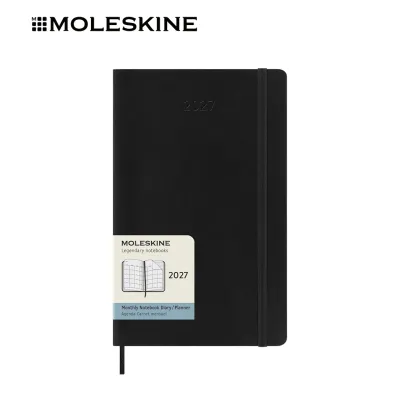
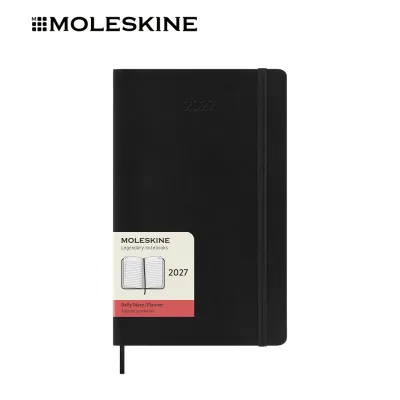
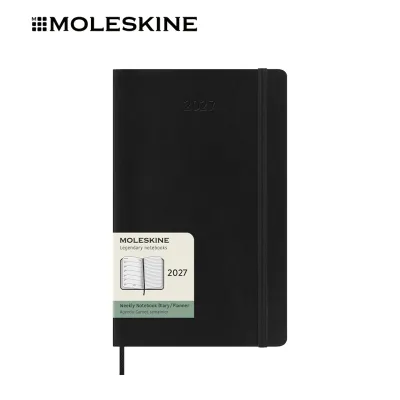
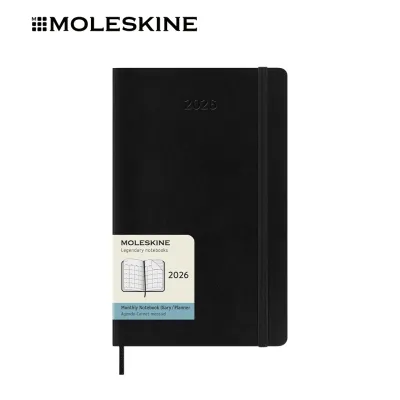
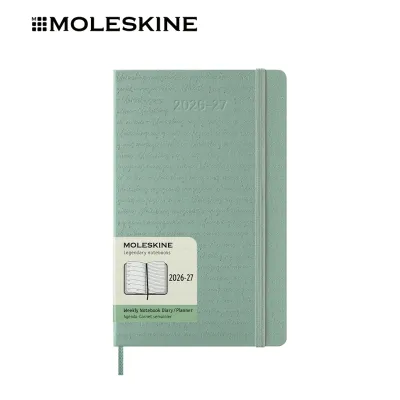
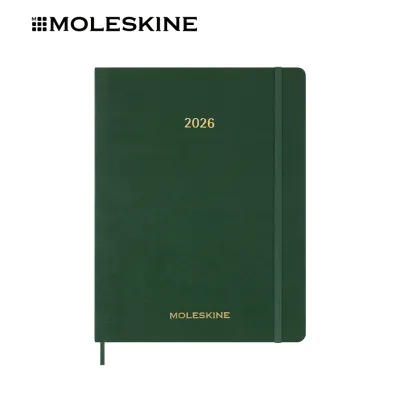
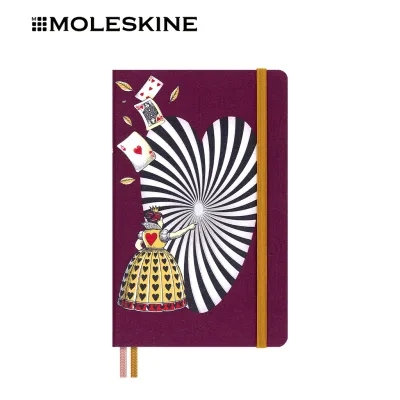
Prices are valid at publication and may change. Please refer to the product page for the latest price.
Evaluating Moleskine Planners for Your Preferred Pens
Moleskine planners are widely recognized for their distinct ivory-colored pages, rounded corners, and elastic closures. However, when planning to use fountain pens, gel pens, or markers, you must carefully inspect the specific edition you intend to buy. Standard Moleskine planners typically feature paper around 70 GSM to 80 GSM, which is optimized for portability and works exceptionally well with ballpoint pens and fine-tipped gel pens. For heavier or wetter writing instruments, you will want to look for specialized Moleskine editions, such as their art journals or heavy-paper notebooks, which feature significantly higher GSM ratings designed to handle wet media.

If you are considering a standard Moleskine planner for daily use with fountain pens or markers, it is highly recommended to perform a physical pen test on a back page before committing to a full year of planning. During your test, observe how the ink interacts with the surface. Look for signs of feathering, where the ink spreads along the paper fibers like tiny tree roots, making your handwriting look fuzzy. Check the reverse side of the page for show-through (also known as ghosting) and actual bleed-through, where the ink physically penetrates to the other side. Additionally, pay attention to the planner’s binding. Moleskine’s signature lay-flat binding is excellent for comfortable writing, but you should observe whether the ink flow changes or pools when writing near the center gutter, where the paper tension and surface coating can sometimes vary slightly.
Comparing Alternative Premium Planner Paper Approaches
If your writing style demands a paper that can handle heavy ink loads without flinching, exploring alternative premium planner brands is a logical step. Many alternative manufacturers explicitly target stationery enthusiasts by utilizing paper with higher GSM ratings, often ranging from 100 GSM to 120 GSM or even higher. Others use specialized, ultra-thin papers that are highly coated, allowing them to remain incredibly lightweight while offering exceptional resistance to ink bleed-through. When researching these alternatives, look for brands that highlight their paper’s specific manufacturing origin or proprietary coating technologies designed to resist wet inks.
Opting for these alternative paper approaches involves clear physical trade-offs that you must weigh against your daily routine. A planner featuring thick 120 GSM paper will naturally be much heavier and bulkier, making it less convenient to carry in a daily commuter bag. Alternatively, planners that use highly coated, thin papers can keep the book slim, but they require you to accept significantly longer dry times, which can lead to smudging if you close the planner too quickly. You must also compare page opacity; some papers may prevent ink from physically bleeding through to the next page but still have low opacity, meaning you will clearly see the shadow of your writing from the reverse side, which can make double-sided planning visually cluttered and difficult to read.
Pen-by-Pen Testing and Observation Guide
Because ink formulas, pen feed wetness, and writing pressure vary dramatically from person to person, the only way to guarantee compatibility is through structured testing. Before purchasing a full-year dated planner, which can represent a significant investment of S$40 to S$70, consider buying a pocket-sized notebook from the same brand or requesting a paper sample if visiting a physical stationery store. This allows you to run a controlled trial without risking a costly planner.
When conducting your tests, it is vital to use the exact pen, ink bottle or cartridge, and nib size you plan to use daily. A paper that performs beautifully with a fine-nib fountain pen and dry ink may behave completely differently when paired with a medium-nib pen filled with a highly saturated, wet ink. Set aside a dedicated test page at the back of your sample notebook and systematically evaluate each of your preferred writing instruments using the specific criteria outlined below.
Fountain Pens: Checking for Feathering and Show-Through
Fountain pens deliver a continuous flow of liquid, water-based ink to the page, making them the ultimate test of paper quality. When testing your fountain pens, write a few lines of text and observe the edges of your strokes under good lighting. If the lines remain sharp and crisp, the paper has sufficient sizing to resist feathering. If the ink begins to spread outward into the paper fibers, creating a fuzzy appearance, the paper is too absorbent for that specific pen and ink combination.
After writing, turn the page over to assess how the paper handles the ink volume. Distinguish clearly between show-through and bleed-through. Show-through, or ghosting, means you can see the shadow of your writing through the page, which is common with thinner papers and is largely a matter of personal preference. Bleed-through occurs when the ink physically penetrates the paper fibers and spots or pools on the reverse side, rendering that side unusable. If you observe physical bleed-through, you will need to either switch to a drier ink, use a finer nib, or choose a planner with more robust paper specifications.
Gel Pens: Observing Dry Times and Smudge Risks
Gel pens use a water-based gel ink that is thicker than fountain pen ink but still requires time to dry, especially on premium, coated planner papers. When testing gel pens, write a series of words and use a stopwatch or count slowly to time how long it takes for the ink to dry completely. Rub your finger gently over the ink at five-second intervals to determine the exact point at which it no longer smudges.
On highly coated premium papers, the gel ink tends to sit on top of the page rather than absorbing quickly. While this results in incredibly vibrant colors and clean lines, it poses a high risk of smudging, particularly if you are left-handed or need to close your planner quickly after making a note. If your test reveals a dry time of more than ten seconds, you will need to decide if you are willing to use blotting paper or if you should look for a planner with slightly more absorbent, uncoated paper that facilitates faster drying.
Markers: Assessing Ghosting and Bleed-Through
Markers, including highlighters, felt-tip pens, and creative coloring markers, deliver a high volume of ink to the page, often using alcohol- or water-based solvents. When testing markers in your planner, draw a solid line and a small colored block, then inspect the reverse side of the page. Because markers apply a heavy saturation of ink, they are the most likely tools to cause severe ghosting or structural bleed-through that can ruin subsequent pages.
Check the thickness of the page and observe whether the marker ink causes the paper to buckle or warp. If you notice significant ghosting but no physical bleed-through, the paper is structurally holding up, but the visual clutter may still bother you during daily use. If you plan to use markers extensively for color-coding or bullet journaling, verify whether the planner manufacturer recommends using a protective blotter sheet behind your active page to catch any stray ink, or opt for a planner specifically designed with ultra-high GSM paper.
Decision Framework: Choosing the Right Planner for Your Ink
To make your final decision, align your primary writing tools and lifestyle needs with the physical characteristics of the paper.
- Choose Moleskine if: Your daily writing toolkit consists primarily of standard ballpoint pens, fine-liner pens, or dry, fine-tipped gel pens. A standard Moleskine planner is ideal if you prioritize a classic, elegant design, lightweight portability for daily commuting, and the convenience of being able to purchase a replacement easily at local bookstores or online.
- Choose an alternative premium planner if: You write exclusively with wet fountain pens, broad or stub nibs, or heavy creative markers. You will benefit from seeking out alternative brands that explicitly advertise high-GSM paper or specialized ink-resistant coatings, ensuring your writing remains crisp and double-sided planning remains perfectly legible.
- Verify first if: You use a diverse mix of writing instruments, such as switching between gel pens for quick notes and fountain pens for journaling. In this case, check the specific paper specifications of the exact planner edition you want, and perform a physical ink test on a sample page before committing to a full year of layout.
- Neither may fit if: You require an ultra-lightweight, pocket-sized planner for maximum portability but also demand absolutely zero show-through with heavy, wet inks. Because paper thickness and opacity are bound by physical laws, you will need to compromise by either adopting drier writing instruments or accepting a slightly heavier, thicker planner.
Frequently Asked Questions (FAQ)
Does paper color affect how ink looks and dries?
Yes, the color of your planner’s paper has a noticeable impact on the visual presentation of your ink, though it does not directly dictate drying times. Ivory or cream-colored pages, which are standard in Moleskine and many other premium planners, reduce eye strain under bright office lights but can warm up the appearance of your inks, sometimes altering the perceived shade of blue, grey, or pastel fountain pen inks. Bright white paper provides maximum contrast and represents ink colors with high accuracy, making it popular for color-coded planning. While paper color itself does not change dry times, the chemical sizing and manufacturing processes used to achieve different paper shades can alter surface absorption, which does affect how quickly ink dries.
Can I use both sides of the page if I write with a fountain pen?
Whether you can comfortably write on both sides of a page with a fountain pen depends entirely on the paper’s opacity, weight, and sizing. In planners with standard-weight paper (around 70 GSM to 80 GSM), you are highly likely to experience noticeable show-through, which can make the reverse side difficult to read once written on, even if the ink does not physically bleed through. To successfully use both sides of the page with a fountain pen, look for planners that feature high-opacity paper, typically 100 GSM or higher, or specialized coated papers designed to keep ink on the surface. Always test your specific pen, nib size, and ink combination on both sides of a back page to evaluate the visual clutter before committing to a double-sided layout.

Community discussion
Share your experience or ask a question. Comments are reviewed before publication.