
Choosing the ideal notebook to serve as a guest book depends on matching the event’s aesthetic with the specific writing instruments your guests will use. While Moleskine offers a classic, globally recognized look that suits formal gatherings, Leuchtturm1917 provides an extensive palette of cover colors and robust lay-flat binding, and Midori delivers an exceptional minimalist writing experience with paper designed to handle fountain pens and heavy inks. To find the right fit for a wedding, corporate event, or gallery opening in Singapore, hosts must balance paper weight, binding flexibility, and cover presentation.
Defining Your Guest Book Requirements: Paper, Binding, and Aesthetics
A guest book is a physical keepsake of a milestone event, whether a wedding in a historic chapel, a corporate launch in the Central Business District, or an intimate housewarming in Singapore. Because guests will arrive with a variety of writing instruments—ranging from fine-liner gel pens to heavy fountain pens—the paper must handle different ink types without immediate bleeding. If the paper is too thin, ink can seep through to the reverse side, rendering subsequent pages unusable.
Binding durability and lay-flat capability are equally critical. When a notebook is placed on a reception table, guests should be able to write comfortably from edge to edge without fighting a stiff spine. A book that lies completely flat encourages neat handwriting and prevents accidental smudges.
Products mentioned in this guide
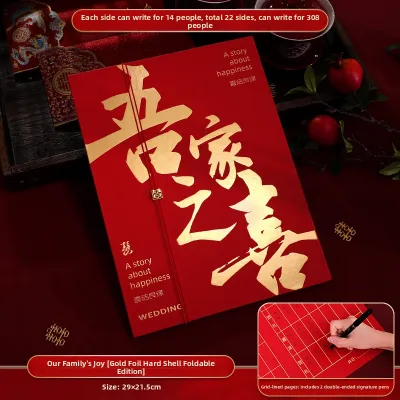
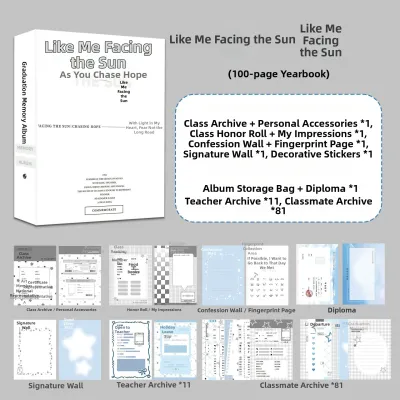
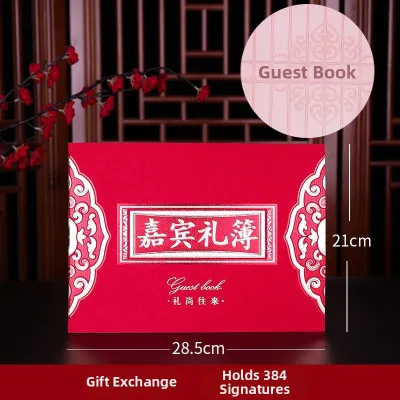
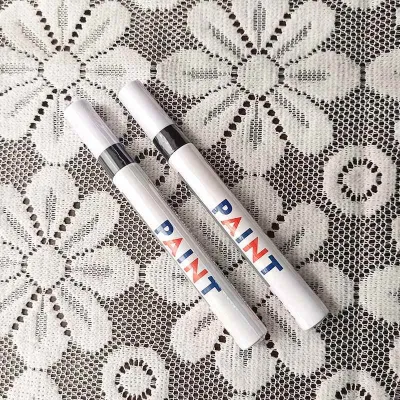
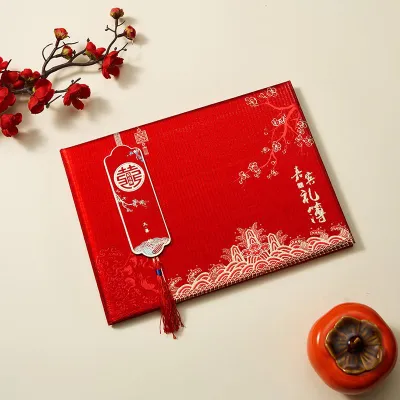
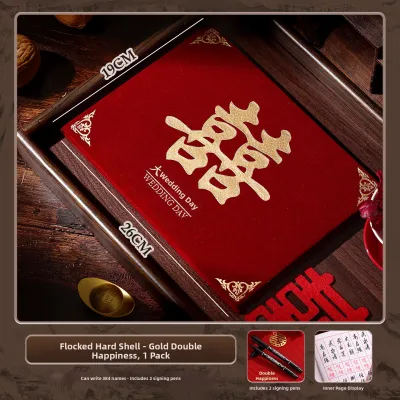
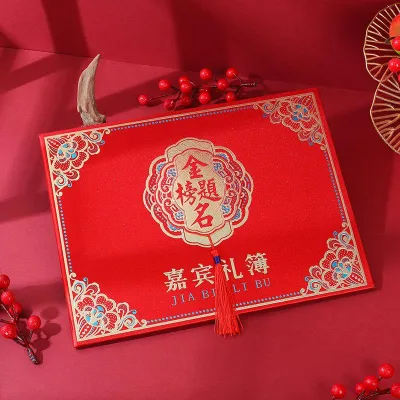
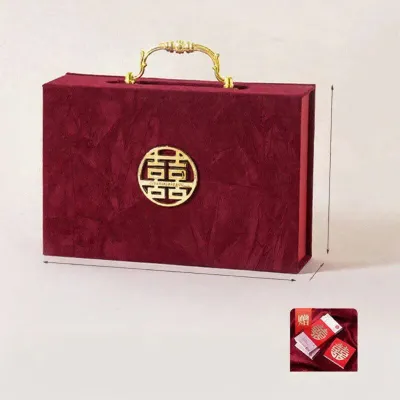
Prices are valid at publication and may change. Please refer to the product page for the latest price.
Aesthetic presentation sets the tone for the display. The cover material, texture, and color should complement the overall theme of the event. Additionally, the choice between warm cream and crisp white paper affects readability under event lighting, while the total page count must be balanced against your expected guest list.
Moleskine: Classic Aesthetics and Traditional Binding
Moleskine is widely recognized for its classic, understated design, making it a familiar and sophisticated choice for formal events. The brand’s signature hardcovers offer a sturdy, oilcloth-wrapped surface that provides excellent support when guests are signing without a solid table underneath. This traditional aesthetic, characterized by rounded corners and a clean cover, fits seamlessly into classic wedding receptions or upscale gallery openings.

However, the paper characteristics of standard Moleskine notebooks require careful consideration. Typically featuring a lighter paper weight (often around 70 gsm to 85 gsm), these pages are highly suited for dry ballpoint pens and light gel pens, but they may exhibit noticeable ghosting or ink bleed-through if guests use wet fountain pens or heavy markers. If you select this brand, it is highly recommended to provide fine-tip ballpoint pens at the reception desk to ensure clean, legible entries.
For practical event-day management, Moleskine notebooks include several functional details. The built-in elastic closure band keeps the book securely closed during transport, preventing pages from getting damaged. The integrated ribbon bookmark allows coordinators to mark the exact page where the next guest should sign, while the expandable inner pocket at the back serves as a convenient storage space for loose cards or photo strips.
Leuchtturm1917: Color Variety and Lay-Flat Durability
Leuchtturm1917 is highly regarded for its structural integrity and extensive color palette, making it an exceptionally adaptable option for themed events. With dozens of distinct hardcover colors available, hosts can easily find a notebook that matches their specific event decor, wedding color scheme, or corporate branding. The durable hardcover material resists scuffs and fingerprints, ensuring the book remains pristine throughout the day.
One of the most significant advantages of Leuchtturm1917 for guest book applications is its thread-bound spine, which offers excellent lay-flat performance. When opened, the notebook rests flat on the table with minimal resistance, allowing guests to write comfortably across the entire width of the page. This structural design reduces the risk of hand fatigue and helps guests maintain neat handwriting near the center gutter.
The paper used in standard Leuchtturm1917 notebooks is slightly heavier than that of standard Moleskine books, typically rated at 80 gsm, with specialized 120 gsm editions also available. While the standard 80 gsm paper offers improved resistance to ink feathering, it is still advisable to perform a quick pen-compatibility check if you plan to provide heavy markers. The inclusion of pre-printed page numbers and a blank table of contents allows hosts to index different sections of the book, while a spacious gusseted pocket at the back provides ample room to store loose keepsakes safely.
Midori: Minimalist Design and Paper Formulation
For events where the tactile writing experience and minimalist design are the highest priorities, the Midori MD Notebook series offers a distinctive alternative. Midori is celebrated for its proprietary MD Paper, which is specifically formulated to resist ink bleed-through, feathering, and ghosting. This makes it an outstanding choice if you wish to provide premium writing instruments, such as fountain pens or calligraphy pens, for your guests to use.
Aesthetically, Midori embraces a clean, Japanese minimalist design language. The notebooks often feature a bare, cheesecloth-reinforced spine that exposes the binding threads, or they can be paired with minimalist covers such as clear PVC or soft cotton cloth. This understated look is highly suited for modern, rustic, or artistic events. The exposed thread-binding allows the notebook to open completely flat, 180 degrees, providing an unhindered surface for signing.
Because Midori prioritizes a stripped-back design, these notebooks lack some of the built-in convenience features found in Western brands. There are no integrated elastic closure bands, pre-printed page numbers, or built-in expandable pockets. If your event coordination requires these elements, you will need to implement external solutions, such as purchasing a separate elastic band or using a brass clip to mark the signing page.
Side-by-Side Comparison: Matching Brand Traits to Event Needs
To help you determine which notebook aligns best with your upcoming event, it is helpful to compare their physical characteristics and design philosophies side by side. Each brand represents a different balance between aesthetic appeal, paper performance, and structural utility.
| Feature | Moleskine | Leuchtturm1917 | Midori (MD Notebook) |
|---|---|---|---|
| Cover Aesthetics | Classic, leather-like oilcloth; limited traditional colors | Durable hardcover; extensive color palette | Minimalist, raw paper or cotton; optional clear PVC cover |
| Paper Weight & Behavior | ~70–85 gsm; best for dry ballpoints and light gel pens | ~80–120 gsm; moderate bleed resistance; good for most pens | ~80 gsm (MD Paper); high bleed resistance; excellent for fountain pens |
| Binding Style | Thread-bound; requires some breaking-in to lie fully flat | Thread-bound; lies flat easily with minimal resistance | Exposed thread-binding; lies completely flat at 180 degrees |
| Ideal Event Type | Traditional weddings, formal corporate galas, classic memorials | Themed parties, colorful weddings, brand-aligned corporate events | Modern art gallery openings, rustic weddings, minimalist events |
Choosing between these options involves clear trade-offs. If you prioritize a vibrant cover color that matches your floral arrangements, Leuchtturm1917 is the logical choice, though its paper may not handle heavy calligraphy ink as effortlessly as Midori. Conversely, if you want your guests to experience the smooth glide of a fountain pen, Midori offers the superior paper formulation, but you must accept its raw, minimalist cover design or purchase an external cover separately. Premium notebooks in these categories typically range from S$20 to S$45 in local stationery boutiques.
Before finalizing your purchase from an online marketplace or a local stationery boutique, use this physical specification checklist to verify your selection:
- Dimensions: Ensure the notebook size (such as A5 or B6) fits comfortably on your display easel or signing table.
- Page Count: Estimate your guest count; a notebook with 150 to 250 pages is typically more than sufficient for most events.
- Paper Layout: Choose blank or unruled pages to give guests the freedom to write large messages, or ruled pages if you want to keep signatures strictly aligned.
- Paper Tone: Confirm whether the cream or ivory tone of the paper matches your event's lighting.
Verifying Paper and Pen Compatibility Before the Event
To prevent unexpected ink smudges, feathering, or bleed-through from marring your guest book on the day of the event, proactive testing is essential. Because paper finishes and ink formulations interact differently, you should never assume a pen will perform perfectly without a trial. If possible, purchase a pocket-sized memo book from the same brand to use as a test medium, or dedicate the very last page of your actual guest book to ink testing before the event begins.
When selecting pens for your guests, match the ink type to the paper’s characteristics. For Moleskine’s lighter paper, opt for high-quality, quick-drying gel pens or fine-tip ballpoint pens that deposit a controlled, dry line of ink. For Leuchtturm1917 and Midori, you have more flexibility to use archival pigment liners, fine felt-tip pens, or rollerballs. Avoid heavy permanent markers or thick paint pens unless you have verified that the paper can absorb the solvent without bleeding through.
If you anticipate that guests might use wetter inks or write with heavy hand pressure, place a clean sheet of blotting paper or a thick piece of cardstock directly beneath the active signing page. This protective barrier acts as a shield, absorbing any excess ink that might seep through and preventing physical indentations from transferring to the clean pages underneath.
For a seamless event-day setup, prepare a dedicated signing tray containing only your pre-tested, approved writing instruments. Remove any unapproved pens from the area to ensure guests do not accidentally use a damaging marker. Additionally, place a small, neatly framed instruction card next to the guest book, gently guiding guests on where to sign and encouraging them to allow a few seconds for the ink to dry.
Final Decision Framework: Choosing the Right Brand for Your Event
To make your final decision, evaluate which core priority aligns closest with your event’s logistical needs and aesthetic goals. If your primary objective is a globally recognized, classic presentation with a traditional hardcover feel that fits seamlessly into a formal or black-tie setting, select Moleskine. Its familiar design and sturdy construction provide a reliable, elegant backdrop for traditional signatures.
If your priority is matching a specific color theme while ensuring a highly functional, lay-flat signing experience with built-in organization, choose Leuchtturm1917. The vast array of cover colors allows you to coordinate perfectly with your event decor, while the numbered pages and flat-opening spine make it incredibly user-friendly for guests and hosts alike.
If you are prioritizing the writing experience itself, plan to provide fountain pens or calligraphy markers, and prefer a modern, minimalist aesthetic, choose Midori. The exceptional quality of MD Paper ensures that diverse ink types are handled beautifully, while the exposed thread-binding offers unparalleled flexibility on the signing table.
Finally, always consider the physical environment of your venue. If your event is held outdoors in Singapore’s humid climate, or if you expect guests to use heavy metallic markers, ensure you have tested the paper under similar conditions and have protective sheets ready to preserve your keepsake.
Frequently Asked Questions (FAQ)
Is a softcover notebook suitable for a guest book display?
While softcover notebooks offer a lightweight and flexible feel, they are generally less suitable for a standalone guest book display unless properly supported. Without a rigid cover, a softcover notebook can bend or sag when placed on an easel, making it difficult for guests to sign comfortably if they are standing. If you prefer the aesthetic of a softcover, ensure you place it flat on a sturdy signing table, or provide a solid clipboard or decorative backing board to give guests a firm writing surface.
How can I prevent pen indentations on underlying guest book pages?
Pen indentations occur when guests write with heavy physical pressure, which is common with standard ballpoint pens. To prevent these deep ridges from marking the clean pages underneath, place a sheet of thick cardstock or a dedicated plastic writing board directly beneath the page being signed. Additionally, providing smooth-flowing writing instruments, such as gel pens, rollerballs, or felt-tip liners, encourages guests to write with a lighter hand, as these pens require minimal pressure to deposit vibrant ink.

Community discussion
Share your experience or ask a question. Comments are reviewed before publication.