
Finding the most suitable mini book for your daily notes depends entirely on the specific pen you use, as paper sizing, weight, and surface finish dictate how ink behaves on the page. While many stationery enthusiasts search for a single superior brand, paper formulations can vary significantly even within a single manufacturer’s product lineup. To avoid issues like ink bleeding, feathering, or skipping, you must evaluate mini notebooks based on observable specifications and physical testing rather than brand reputation alone. This guide focuses on matching the three most common writing instruments—fountain pens, gel pens, and ballpoint pens—to their ideal paper characteristics, providing a practical framework you can use when browsing local boutiques or online marketplaces in Singapore. By understanding how paper chemistry and manufacturing methods interact with different ink types, you can make an informed decision that ensures a smooth, frustration-free writing experience every time you open your notebook.
Key Paper Characteristics for Fountain, Gel, and Ballpoint Pens
Fountain pens use water-based inks that flow freely from the nib, making them highly sensitive to paper quality. If the paper lacks proper sizing—a chemical treatment applied during manufacturing to control liquid absorption—the ink will spread rapidly along the paper fibers. This causes a fuzzy, blurred effect known as feathering, which ruins the clean lines of your handwriting. Furthermore, highly absorbent paper allows the ink to seep through to the reverse side of the page, a phenomenon called bleed-through. To prevent this, fountain pen users must look for high-opacity paper that explicitly states it has been sized or treated to resist water-based inks.
Gel pens utilize water-based gel inks that carry suspended pigments, offering vibrant colors and a very smooth writing experience. These inks require a paper surface that balances smoothness with moderate absorption. If the paper is too absorbent, the gel ink will sink in too deeply, causing minor feathering and rapid ink consumption. Conversely, if the paper is completely non-porous or heavily coated, the gel ink will pool on the surface and remain wet for a long time. In Singapore’s humid climate, slow-drying ink is highly prone to smudging when you close your mini book or turn the page. A balanced, smooth finish allows the gel pen to glide effortlessly while ensuring the ink dries within a reasonable timeframe.
Products mentioned in this guide
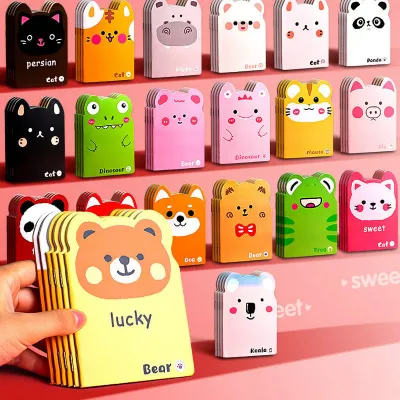
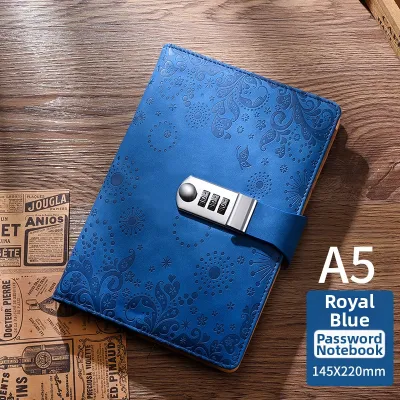
Prices are valid at publication and may change. Please refer to the product page for the latest price.
Ballpoint pens operate on a completely different mechanism, using a tiny rotating ball to transfer highly viscous, oil-based ink. This process requires physical friction, often referred to as paper “tooth” or texture. If you write on paper that is overly smooth, coated, or glossy, the ball may slide instead of rolling, leading to annoying ink skips and faint lines. A standard, slightly textured paper provides the necessary grip to keep the ball spinning smoothly. Additionally, because ballpoint ink is thick and does not saturate the paper fibers, it is highly resistant to bleed-through, meaning you can easily use lower-GSM paper without worrying about ruining the reverse side of the page.
How to Compare Mini Notebook Brands by Paper Specs
When comparing different mini book options, paper weight is one of the most accessible specifications. Measured in grams per square meter (GSM), this number indicates the density of the paper. Standard notebook paper typically ranges from 50 GSM to 80 GSM, while premium options often feature 90 GSM to 120 GSM or higher. While higher GSM generally offers better opacity and resistance to show-through, it also makes the notebook thicker and heavier, which might affect the portability of a pocket-sized book. For a mini notebook, a weight of 80 GSM to 100 GSM often represents the sweet spot, balancing portability with ink resistance.

The paper finish describes the texture of the page surface and plays a massive role in how your pen feels. Smooth finishes, such as satin or hot-pressed surfaces, minimize friction and are excellent for fine-nib pens and detailed writing. Vellum finishes have a subtle, velvety texture that offers a balanced writing experience for most pen types, providing just enough friction without feeling scratchy. Laid paper features a textured pattern of parallel lines from the manufacturing mold, providing significant tooth that works exceptionally well with pencil and ballpoint ink but can cause fountain pen nibs to catch or skip.
Binding quality is particularly critical for mini notebooks due to their compact dimensions. A stiff, glued binding can make it incredibly difficult to write near the inner margin, or gutter, of a small page, forcing you to hold the book open with force. Look for thread-bound or section-sewn bindings that allow the notebook to lay completely flat on a desk. This design ensures you can utilize every square centimeter of the limited page real estate without fighting the springiness of the cover, which is especially important when taking quick notes on the go.
If you intend to keep your journals or notes for years, check the product specifications for acid-free or archival-grade labels. Acidic paper, often made from untreated wood pulp, degrades and turns yellow over time, causing inks to fade or discolor. Acid-free paper is chemically neutralized during production, ensuring your written records remain legible and intact for decades. This is particularly important in tropical environments where heat and humidity can accelerate the chemical degradation of lower-quality paper stocks.
Decision Framework: Matching Your Pen to the Right Mini Book
To simplify your selection process, you can use a structured framework to match your primary writing instrument with the correct paper specifications. The table below outlines the ideal paper characteristics for each pen category, helping you narrow down your choices when shopping.
| Pen Type | Ideal Paper Finish | Sizing Level | Recommended Opacity | Key Benefit |
|---|---|---|---|---|
| Fountain Pen | Smooth / Satin | High (Sized) | High (Minimal Show-Through) | Prevents feathering and bleed |
| Gel Pen | Smooth / Vellum | Moderate | Medium | Balances glide and drying speed |
| Ballpoint Pen | Textured / Tooth | Low to Moderate | Standard | Prevents skipping and sliding |
If your daily writing relies heavily on wet fountain pens, prioritize heavily sized paper with a higher GSM. This combination ensures that the liquid ink remains on the surface of the page rather than soaking through to the back. This allows you to write comfortably on both sides of each sheet, maximizing the utility of your compact notebook. Look for brands that specify their paper is optimized for wet inks, as these formulations prevent the ink from spreading laterally.
For those who prefer the vibrant colors and smooth flow of gel pens, a smooth, medium-weight paper is the most practical choice. This surface reduces friction, allowing the pen to glide quickly across the page, while the moderate absorption rate helps the ink dry fast enough to prevent smudging when you turn the page or close the book. This balance is crucial for maintaining clean, legible notes during fast-paced meetings or lectures.
If you rely on the reliability of ballpoint pens for quick notes on the go, look for standard-weight paper with a slightly textured finish. The subtle tooth of the paper provides the necessary traction for the ball mechanism to rotate, ensuring a consistent flow of oil-based ink without skipping, even when writing quickly or holding the notebook in your hand. This makes textured paper highly efficient for everyday utility tasks.
Many writers use a mix of different pen types depending on the task at hand. If this applies to you, look for versatile mid-range paper, typically around 80 GSM to 90 GSM with a satin finish. Before purchasing multiple notebooks or committing to a bulk pack, buy a single unit to test how your specific pen collection performs on that particular paper batch. This step prevents unnecessary spending on notebooks that may not suit your writing style.
Practical Testing and Purchasing Tips in Singapore
When shopping in Singapore, visiting physical stationery boutiques is one of the most effective ways to evaluate paper quality firsthand. Many local stores in retail hubs like Bras Basah, Bugis, or Orchard provide display models or sample sheets specifically for customers to test. You can perform a quick swipe test by writing a single line and immediately running your finger across it to gauge drying time. Additionally, hold the page up to the light to check for potential bleed-through and opacity, ensuring the paper meets your standards before you spend your hard-earned S$.
If you prefer the convenience of online marketplaces, read the product descriptions with extra care. Look for explicit mentions of GSM, paper finish, and compatibility with specific pen types. If the listing only uses vague marketing terms like “premium quality” without providing technical specifications, search for user reviews or check the manufacturer’s official website to verify the actual paper details. Many online stationery communities share detailed close-up photos of paper performance, which can serve as a valuable reference.
Keep in mind that online purchases can sometimes carry risks of batch variations. Always check the retailer’s return and exchange policies before placing an order. If the paper you receive does not match the advertised specifications or exhibits unexpected defects like excessive bleeding with standard inks, a flexible return policy will allow you to exchange the item without hassle. This is especially important when ordering imported stationery brands that may have undergone long transit times.
Finally, avoid assuming that all notebooks from a single brand share the same paper quality. Manufacturers often use different paper mills for different product tiers, sizes, or regional editions. A brand’s flagship A5 notebook might feature fountain-pen-friendly paper, while its mini book counterpart in the same line might use a lighter, untreated paper stock. Always verify the specifications for the exact model and size you intend to buy to ensure a consistent writing experience.

Community discussion
Share your experience or ask a question. Comments are reviewed before publication.