
Finding the right packaging is essential for protecting your items during transit, storage, or relocation. A comprehensive range of corrugated carton sizes—spanning from compact mailing boxes to expansive moving cartons—is designed to accommodate everything from delicate cosmetics to bulky household goods. To ensure your items arrive undamaged, you must match their physical dimensions, weight, and fragility to the correct box size and structural design. Selecting the ideal carton involves understanding how these sizes are classified, evaluating material strength, and factoring in the space required for protective cushioning.
Understanding the Million Parcel Size Classification
When browsing packaging options in Singapore, navigating the extensive list of available dimensions can feel overwhelming. Local packaging suppliers typically categorize their cartons using standard alphanumeric codes, series numbers (such as T-series for tiny mailing boxes or M-series for medium cartons), or straightforward small, medium, and large labels. These codes help streamline the ordering process, especially for ecommerce businesses managing high-volume shipping. However, relying solely on a label or code is not enough; you must always verify the exact length, width, and height specifications listed on the product page or physical packaging label before making a purchase.
A common pitfall when selecting cartons is failing to distinguish between internal and external dimensions. The external dimensions represent the outer boundaries of the box, which are crucial for calculating shipping rates, courier limits, and storage space in tight HDB bomb shelters or warehouse racks. Conversely, the internal dimensions represent the actual usable space inside the box. Because corrugated cardboard has a physical thickness—which increases significantly with double-wall construction—the internal space is always slightly smaller than the external measurements. Always use the internal dimensions as your guide to ensure your items actually fit inside the assembled box.
Products mentioned in this guide
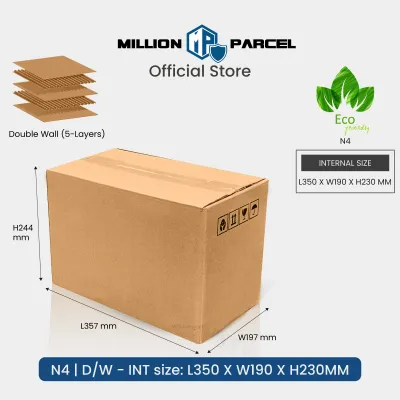
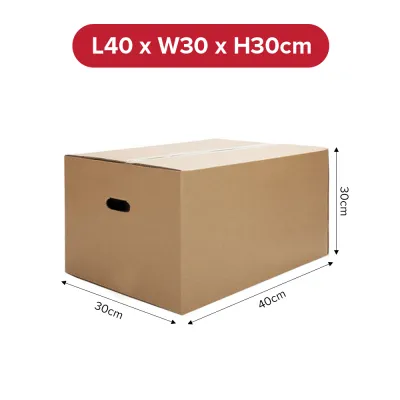
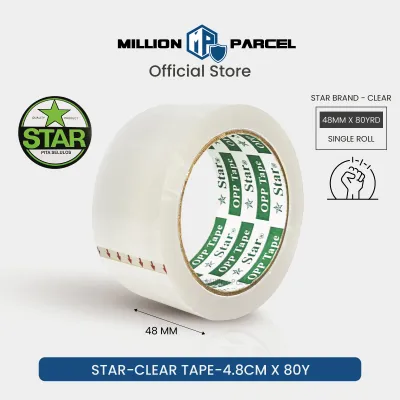
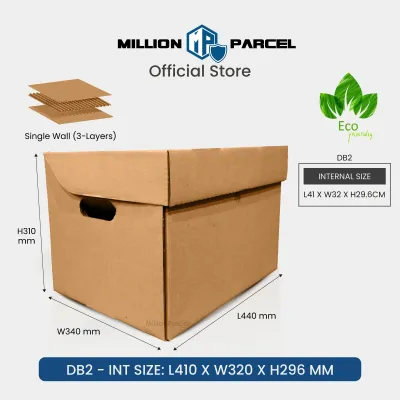
Prices are valid at publication and may change. Please refer to the product page for the latest price.
How to Match Carton Dimensions to Your Items
Selecting the right box volume is a balancing act between the physical size of your items and their overall density. Choosing the wrong volume can lead to damaged goods or unnecessarily high shipping fees.

Small cartons are the optimal choice for heavy, dense items such as books, documents, files, or compact, fragile kitchenware. Packing these items into a small space prevents the box from becoming too heavy to lift safely and minimizes the risk of bottom blowouts during transport. It is a common mistake to pack heavy items into large boxes, which often leads to structural failure and physical strain.
Medium cartons offer the most versatility, making them ideal for mixed household goods, shoes, small home appliances, and medium-sized electronics. These boxes provide enough space to accommodate standard-sized items while remaining manageable in weight when fully packed. They are highly favored for residential moves, as they stack neatly in moving vans and fit easily through standard doorways.
Large and extra-large cartons should be reserved almost exclusively for bulky but lightweight items. Soft goods such as pillows, blankets, winter clothing, comforters, and plush toys are perfect candidates for these larger volumes. Packing heavy items into an extra-large carton makes it incredibly difficult to carry and increases the likelihood that the cardboard will buckle under the weight when stacked.
Specialty or tall cartons are designed for items that do not fit standard rectangular proportions. If you are packing tall floor lamps, golf clubs, or delicate garments that must remain hanging, look for specialized wardrobe boxes or elongated shipping tubes. These shapes prevent awkward packing angles and reduce the need for excessive void fill.
Evaluating Weight Capacity and Material Strength
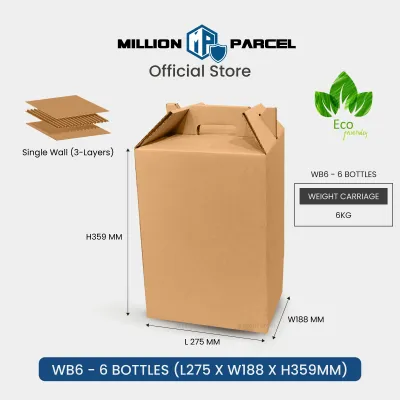
The structural integrity of your packaging depends heavily on the board strength and construction of the carton. When reviewing product descriptions, look for indicators of board strength, such as single-wall or double-wall corrugated construction. Single-wall cartons consist of a single fluted medium sandwiched between two flat linerboards, offering lightweight protection suitable for standard shipping. Double-wall cartons feature two layers of fluted medium, providing significantly higher puncture resistance, rigidity, and stacking strength.
Before packing, always check the manufacturer’s recommended maximum weight limit for each specific box size. While a box may physically fit a large item, it may not be engineered to support its weight. Overloading a carton compromises its structural integrity, especially in humid climates, which can naturally soften paper-based packaging materials over time. You can verify the box’s performance under local conditions by testing a single assembled unit with your target weight before committing to a large batch.
Larger boxes require much stricter weight management and reinforced taping compared to smaller ones. Because large boxes have a greater surface area, they are more prone to flexing and bowing under pressure. To secure these cartons, apply heavy-duty packaging tape in an “H-tape” pattern across all seams on both the top and bottom flaps, ensuring the tape extends several centimeters down the sides of the box for maximum reinforcement.
A Step-by-Step Guide to Measuring and Ordering
To avoid ordering the wrong quantities or sizes, follow a systematic measurement process before placing your order. Begin by measuring your largest or most awkwardly shaped items along their longest points of length, width, and height. Write these measurements down and compare them directly against the internal dimensions of the cartons you are considering.
Next, factor in the necessary space for protective packaging materials. If you are shipping fragile items, you must leave a clearance of at least two to three centimeters on all sides to accommodate bubble wrap, packing paper, or biodegradable void fill. Failing to account for this extra space will result in a tight fit that compresses the cushioning, rendering it ineffective at absorbing shocks during transit.
Finally, consider the stackability limits of your boxes if they are intended for long-term warehouse storage, commercial freight, or container shipping. If you plan to stack boxes several layers high, prioritize double-wall cartons and ensure they are filled completely to the top—using void fill to plug any empty spaces—so the boxes do not collapse under the weight of the stack above them.
Frequently Asked Questions (FAQ)
Do these cartons arrive flat-packed or pre-assembled?
Standard shipping and moving cartons are delivered flat-packed to minimize shipping volume and optimize storage space before use. This flat format makes it easy to store dozens of boxes in a small closet or office corner until they are needed. To assemble them, you will need high-quality packaging tape to securely seal the bottom flaps before placing any items inside.
Can I use standard moving boxes for international shipping?
Standard local moving boxes are generally not recommended for international transit or air freight. Overseas shipping subjects packages to extreme pressure, temperature fluctuations, and rough handling across multiple sorting facilities. For international journeys, it is highly advisable to use heavy-duty, double-wall corrugated boxes and to consult your specific freight forwarder for their exact packaging, weight, and palletization guidelines.
What is the difference between single-wall and double-wall cartons?
The primary difference lies in their structural layers and load-bearing capacity. Single-wall cartons feature one layer of fluted cardboard, making them lightweight, cost-effective, and perfectly suited for light to medium-weight household items or standard courier shipments. Double-wall cartons contain two fluted layers, offering superior puncture resistance, exceptional stacking strength, and the durability required for heavy, fragile, or high-value commercial goods.

Community discussion
Share your experience or ask a question. Comments are reviewed before publication.