
What does 5 ply mean for yarn, and how should you use it? In the textile world, 5 ply refers to a specific yarn weight category that sits comfortably between delicate fingering weight and thicker double knitting (DK) weight. Often classified as a Sport or light DK weight, 5 ply milk cotton yarn is highly prized for its exceptional softness, crisp stitch definition, and balanced thickness. This makes it an outstanding choice for a wide variety of projects, ranging from breathable summer garments and everyday home accessories to detailed amigurumi toys.
What "5 Ply" Actually Means in Yarn Weight
Historically, the term “ply” referred directly to the number of individual strands twisted together to form a single thread of finished yarn. A 2-ply yarn consisted of two strands, while a 4-ply yarn consisted of four. In modern commercial manufacturing, however, this literal definition has shifted. Today, “ply” is widely used as a standardized weight or thickness classification system, particularly in regions like Australia, New Zealand, and parts of Asia.
When you purchase milk cotton yarn 5 ply, the label does not necessarily mean the yarn is constructed from exactly five physical strands. Instead, it indicates that the overall thickness of the strand falls into a specific category on the global yarn weight scale. This classification helps crafters quickly identify how thick the yarn will behave during crafting, regardless of how many micro-strands are spun together to create the final thread.
Products mentioned in this guide
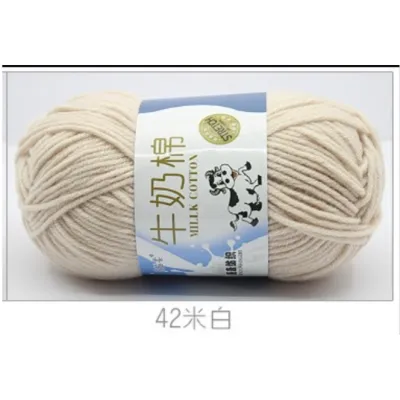
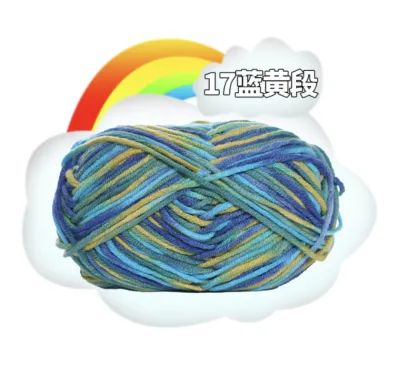
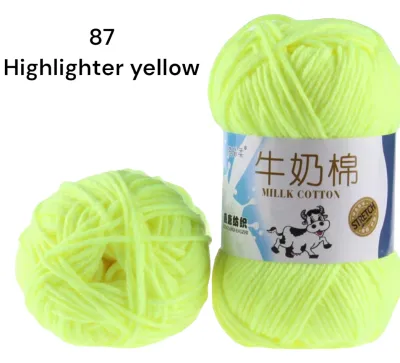
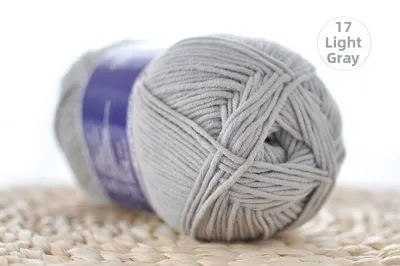
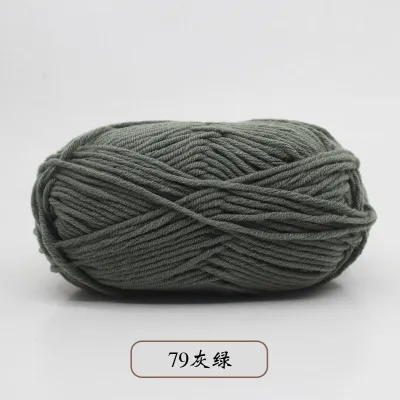
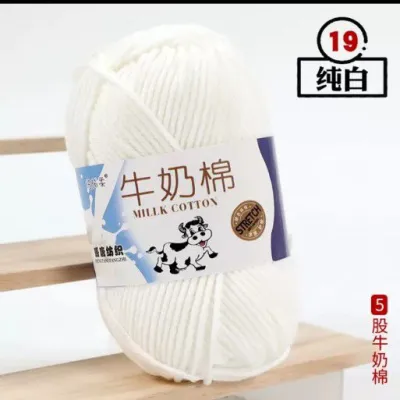
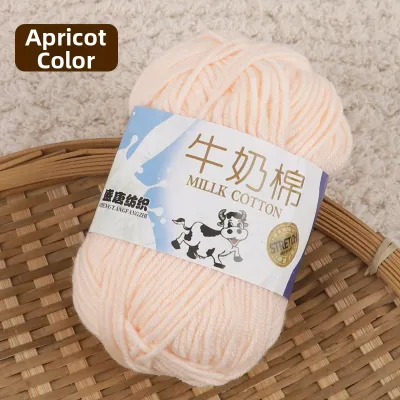
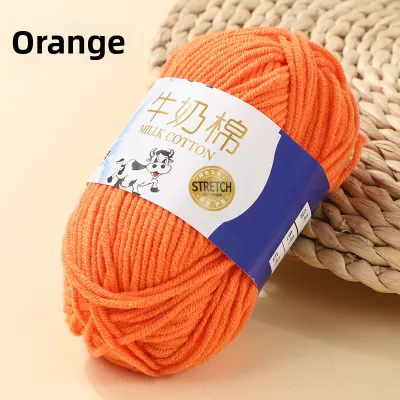
Prices are valid at publication and may change. Please refer to the product page for the latest price.
On the standard international yarn weight scale, 5 ply yarn sits in a very practical sweet spot. It is positioned directly between 4 ply (which typically aligns with fingering or sock weight) and 8 ply (which corresponds to double knitting or light worsted weight). Most yarn standards classify 5 ply as a “Sport” weight or a “light DK” weight. This intermediate thickness makes it exceptionally versatile for projects that require more structural substance than delicate lace, but less bulk than heavy winter wear.
Milk cotton blends at this specific weight offer an ideal balance of performance characteristics. The combination of milk protein fibers and cotton creates a strand that is remarkably smooth and lightweight. Working with a 5 ply thickness allows you to complete projects relatively quickly while still retaining the ability to showcase intricate stitch definitions, delicate textures, and refined details that might get lost in thicker yarn weights.
Recommended Needle and Hook Sizes for 5 Ply Yarn
Achieving the perfect fabric texture requires matching your 5 ply yarn with the correct tool sizes. Because 5 ply sits between fingering and DK weights, the baseline recommendations for tools are highly accessible. For knitting projects, needles ranging from 3.0 mm to 4.0 mm generally yield the best results. For crochet projects, hooks ranging from 3.5 mm to 4.5 mm are typically recommended to maintain a comfortable stitch tension.

While these baseline dimensions serve as an excellent starting point, you should always check the manufacturer’s specific recommendations printed on the yarn banderole or product label. Different brands of milk cotton blends may feature slightly tighter twists, varying ratios of milk protein to cotton, or distinct manufacturing processes that subtly alter how the yarn behaves on your tools. The label provides the most reliable starting parameters tailored to that exact product’s physical properties.
The material of your knitting needles or crochet hooks also plays a significant role in your crafting experience. Milk cotton yarn is known for its exceptionally smooth, almost silky surface texture. If you choose highly polished metal tools, the yarn will glide very quickly, which is excellent for speed but can occasionally lead to dropped stitches for beginners. If you find the yarn slipping too easily, switching to wood or bamboo tools provides a natural grip that helps stabilize your stitches and maintain uniform tension.
Understanding Gauge and Tension with 5 Ply Milk Cotton
Before diving into a major project, understanding and measuring your gauge is essential for ensuring your finished item fits correctly. Gauge refers to the number of stitches and rows that fit into a standard square area, typically measuring 10 cm by 10 cm (4 inches by 4 inches). Because every crafter holds their yarn with a unique level of tension, working a test swatch is the only way to verify that your physical measurements will match your pattern’s specifications.
Milk cotton yarn possesses unique physical traits that distinguish it from traditional animal fibers like wool. While wool has natural elasticity and “memory” that allows it to spring back into shape, cotton and milk protein blends are much more inelastic. This means that once the stitches are formed, they have less natural bounce. Any tension inconsistencies in your hands will show up more clearly in the finished fabric, making a consistent gauge even more critical.
To create an accurate gauge swatch, cast on enough stitches to exceed 10 cm in width and work the pattern stitch for slightly more than 10 cm in height. Once completed, you must wash and block the swatch before taking any final measurements. Cotton blends naturally relax, stretch, or slightly contract when exposed to moisture. Measuring the swatch only after it has dried flat ensures your final garment will not unexpectedly change sizes during its first trip through the laundry.
If your washed swatch does not match the gauge specified in your pattern, adjusting your tool size is a straightforward remedy. If you count more stitches per 10 cm than the pattern requires, your fabric is too tight, and you should switch to a larger needle or hook size. Conversely, if you count fewer stitches than required, your fabric is too loose, and you should step down to a smaller tool size to tighten the stitch structure.
Best Projects for 5 Ply Milk Cotton Yarn
The specific physical properties of 5 ply milk cotton yarn make it incredibly well-suited for a wide range of creative applications. Its blend of softness, durability, and intermediate thickness allows it to transition seamlessly between wearables, home accessories, and toys.
Lightweight Garments and Summer Wear
For wearable items, 5 ply milk cotton is an exceptional choice, especially in warm climates like Singapore. It is highly breathable, allowing air to circulate easily through the stitches, which makes it perfect for lightweight cardigans, summer tops, and delicate baby clothing. The milk protein content gives the yarn a luxurious, skin-friendly softness that does not irritate sensitive skin, while the 5 ply weight provides enough structural integrity to hold the shape of a garment without feeling heavy or stifling.
Accessories and Home Decor
The inherent durability of cotton blends makes this yarn weight highly practical for everyday household items and personal accessories. It is an excellent choice for crafting reusable market bags, durable dishcloths, lightweight spring scarves, and decorative coasters. Because cotton is naturally absorbent and holds up well to frequent washing, these practical items remain functional and visually appealing even after heavy, repeated use around the home.
Amigurumi and Small Toys
In the crochet community, 5 ply milk cotton is widely considered a premier choice for making amigurumi and small stuffed toys. The 5 ply thickness is substantial enough to work up quickly, yet fine enough to allow for tight, dense stitches that completely conceal the polyester stuffing inside. Furthermore, milk cotton has very low fuzziness, resulting in clean, crisp stitch definition that makes safety eyes, embroidered details, and complex toy shapes stand out beautifully.
Frequently Asked Questions (FAQ)
Is 5 ply yarn the same as DK (Double Knitting) weight?
While 5 ply yarn is occasionally grouped close to DK weight in simplified charts, they are not identical. Standard DK weight yarn is traditionally equivalent to 8 ply, making it noticeably thicker than 5 ply. 5 ply yarn sits closer to Sport weight on the standard yarn classification scale. To ensure your project turns out as intended, always rely on the recommended gauge and needle sizes listed on your specific yarn’s label rather than relying solely on regional ply terminology.
Does milk cotton yarn shrink in the wash?
Milk cotton yarn can experience minor shrinkage or stretching depending on how it is laundered. Because cotton and milk protein fibers are sensitive to high temperatures, exposing your finished projects to hot water or high-heat tumble dryers can cause the fibers to contract or lose their shape. To preserve the dimensions and softness of your items, always check the specific care instructions on the product label, wash items in cool or lukewarm water, and lay them flat on a towel to dry.

Community discussion
Share your experience or ask a question. Comments are reviewed before publication.