
Choosing the right zipper for bag projects depends on balancing structural needs, fabric weight, and aesthetic goals. The zipper is often the most active component of a bag, subjected to constant pulling, tension, and environmental exposure. Choosing between metal and plastic is not merely a matter of visual preference; it involves understanding how each material interacts with your chosen fabric, the bag’s intended use, and your sewing equipment. By evaluating the structural differences, weight limitations, and aesthetic qualities of these two zipper types, you can ensure your handmade or repaired bag remains durable and easy to use for years to come.
Understanding Structural and Functional Differences
To make an informed choice, you must first understand how metal and plastic zippers are constructed. Metal zippers feature individual teeth made of brass, aluminum, nickel, or manganese that are clamped directly onto a woven fabric tape. This construction creates a highly rigid and secure closure, but it also means the zipper tape has less flexibility. The individual teeth must align perfectly for the slider to move smoothly, making precise installation crucial.
In contrast, plastic zippers generally fall into two categories: molded plastic zippers and nylon coil zippers. Molded plastic zippers feature individual teeth made of synthetic polymers that are melted and injected directly onto the zipper tape. Nylon coil zippers, which are incredibly common in bag making, consist of a continuous spiral of nylon filament sewn onto the tape. This continuous loop design makes coil zippers exceptionally flexible, allowing them to bend around tight corners and curves without binding or catching.
Products mentioned in this guide
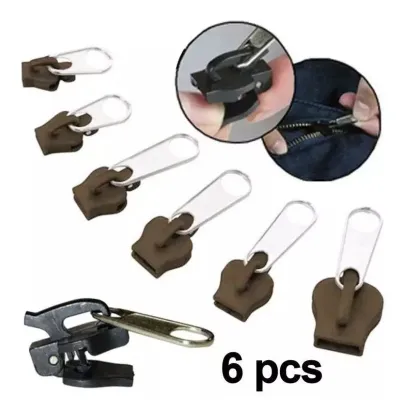
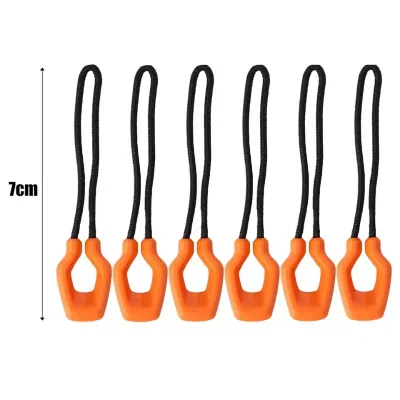
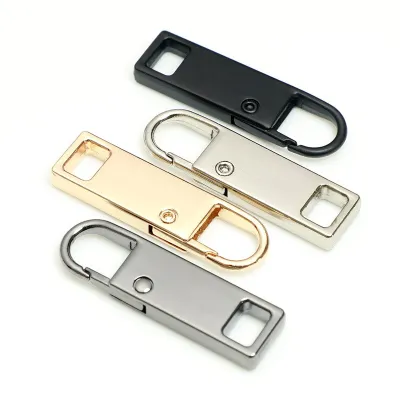
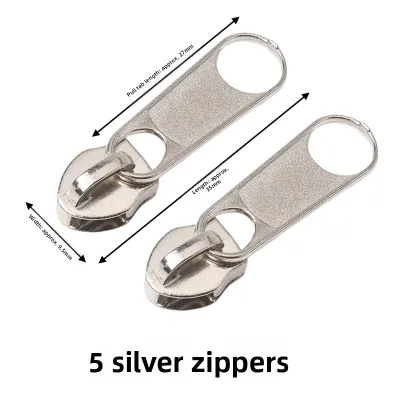
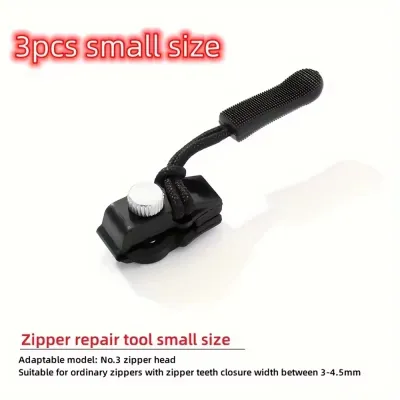
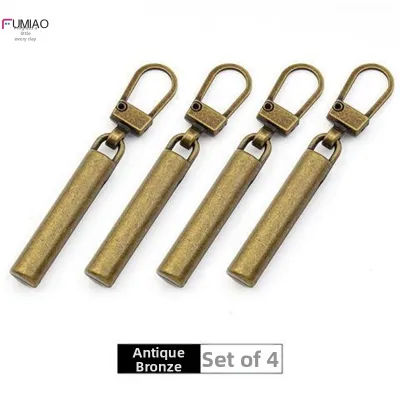
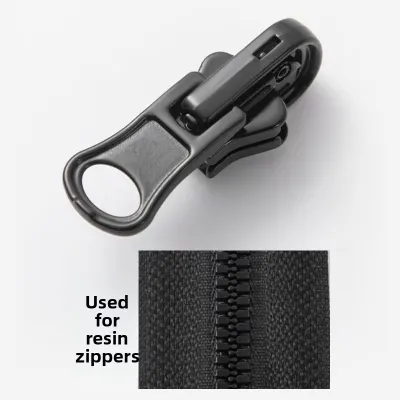
Prices are valid at publication and may change. Please refer to the product page for the latest price.
The tape material itself also plays a significant role in how the zipper behaves during sewing and daily use. Most modern zippers use polyester or nylon tapes, which offer excellent resistance to stretching, shrinking, and mildew. However, some specialty or vintage-style metal zippers feature cotton tapes. Cotton tapes provide a classic, matte look that pairs beautifully with natural canvas or leather, but they require careful handling as they can shrink when washed, potentially causing the zipper to pucker.
Before purchasing a zipper for bag projects, you must verify key sizing metrics. Zippers are categorized by gauge sizes, typically ranging from #3 to #10, which represent the width of the closed zipper teeth in millimeters. A #3 zipper is ideal for delicate internal pockets, while a #5 is the standard choice for external closures on medium-sized bags. Heavy-duty duffels and backpacks often require a #8 or #10 zipper to withstand high tension. Additionally, you must measure the tape width and overall length, ensuring you choose between a closed-end zipper or a separating zipper depending on your bag pattern.
Evaluating Durability, Weight, and Fabric Compatibility
The weight of your zipper must match the structural integrity of your bag fabric. Metal zippers are inherently heavy, which can cause lightweight fabrics like silk, thin nylon, or quilting cotton to sag, warp, or drape poorly. If you are crafting a delicate clutch or a lightweight lining pocket, a heavy metal zipper will distort the clean lines of your design. Conversely, a heavy-duty backpack or a travel duffel made of thick canvas or denim requires a robust zipper that can handle packed contents without bursting. In these high-stress applications, a heavy metal zipper or a thick molded plastic zipper is necessary to maintain structural integrity.

Before finalizing your installation, perform observable verification steps to ensure smooth operation. Baste the zipper to a scrap piece of your project fabric and test the slider. The slider should glide effortlessly along the teeth without catching on the fabric edges or requiring excessive force. If you notice the fabric puckering or the slider resisting, you may need to adjust your seam allowance or increase the distance between the stitching line and the zipper teeth.
Environmental factors and care routines also dictate which material is most suitable. In warm, humid climates like Singapore, metal zippers are susceptible to oxidation and tarnishing over time, especially if the bag is frequently exposed to sweat or outdoor moisture. If you choose metal, look for treated or high-quality plated finishes to minimize this risk. On the other hand, plastic zippers are completely immune to rust and corrosion, making them excellent for gym bags or outdoor gear. However, plastic is sensitive to high heat. When pressing your bag seams with an iron, you must avoid direct contact with plastic zipper teeth, as they can easily melt or deform, ruining the entire closure mechanism.
Always check the manufacturer’s specifications or care labels when sourcing zippers for specialized projects. If your bag needs to be highly water-resistant, look for specialized plastic coil zippers that feature a water-repellent polyurethane coating over the tape and teeth. For bags carrying heavy loads, verify that the zipper is rated for high lateral strength to prevent the teeth from separating under pressure.
Matching Zipper Aesthetics to Bag Styles
The visual impact of your zipper can define the overall style of your bag. Metal zippers offer a classic, premium aesthetic with a variety of metallic finishes, including antique brass, shiny nickel, copper, and gunmetal. These finishes catch the light and add a touch of luxury, making them the preferred choice for high-end leather goods, structured briefcases, and heritage canvas tote bags. The metallic sheen acts as a design accent, elevating a simple bag into a polished, professional piece.
Plastic zippers offer a completely different design language. Because plastic can be dyed in almost any color, these zippers can be matched perfectly to your fabric for a seamless, invisible look. Alternatively, you can choose bright, contrasting colors to create a playful, sporty, or modern aesthetic. Molded plastic zippers with oversized teeth are popular in casual, athletic, or streetwear-inspired bags, providing a bold and rugged appearance without the added weight of metal.
When selecting a zipper, it is important to verify colorfastness and finish durability. Low-quality metal zippers may lose their plated finish over time, exposing the base metal and causing discoloration on the surrounding fabric. Similarly, poorly dyed plastic zipper tapes can bleed color when washed or exposed to moisture. To prevent this, check supplier descriptions for colorfastness ratings, or perform a quick test by dampening a scrap piece of the zipper tape and pressing it against a white cloth to see if any dye transfers.
Comparing Cost, Sourcing, and Hardware Requirements
Budgeting for your sewing project requires looking at both the cost of the zipper and the tools needed to install it. Metal zippers are generally more expensive than plastic ones due to the materials and manufacturing processes involved. While a standard plastic coil zipper might cost around S$1 to S$3, a high-quality metal zipper of the same length can range from S$5 to S$15 or more, especially if it features custom pulls or specialized finishes. If you are making multiple bags or working on a tight budget, these costs can add up quickly.
Installing different zipper types also requires specific sewing machine needles and accessories. When working with heavy metal zippers, you must use a sturdy needle, such as a denim or leather needle (size 90/14 or 100/16), to pierce the thick zipper tape without bending or breaking. You must also sew slowly and use a zipper foot to get as close to the metal teeth as possible without hitting them, which could shatter your needle and damage your machine. Plastic coil zippers are much more forgiving; because the nylon coil is soft, you can sew closer to the teeth, and accidentally running over a plastic coil with a standard needle is less likely to cause severe machine damage, though caution is still recommended.
When sourcing your materials, check local haberdashery shops or online craft stores for exact length availability and specific mechanism types. Many local shops offer a wide range of standard sizes, but if your pattern requires a non-standard length, plastic coil zippers are much easier to customize. You can buy continuous zipper chain by the meter and cut it to the exact size you need, whereas metal zippers must be shortened by physically removing individual metal teeth with pliers and installing new metal stops, which requires specialized tools and extra patience.
Decision Framework: Choosing the Right Zipper for Your Bag
To finalize your choice, evaluate your project against this condition-based framework:
Choose a metal zipper if:
- You are working with heavy, structured fabrics such as leather, heavy canvas, or thick denim.
- Your bag design prioritizes a premium, classic, or industrial aesthetic.
- The zipper will be exposed to high physical tension and requires maximum tensile strength.
- You want the zipper to act as a prominent visual design feature on the exterior of the bag.
Choose a plastic zipper if:
- You are sewing lightweight fabrics, delicate linings, or internal pockets where weight must be kept to a minimum.
- The zipper path involves curves, tight corners, or flexible shapes that require a continuous nylon coil.
- The bag is intended for outdoor, athletic, or wet environments where rust resistance is essential.
- You need to customize the zipper length easily or are working on a budget-conscious project.
Before cutting your fabric or purchasing your hardware, always verify if your bag pattern requires a specific mechanism, such as a two-way separating zipper for a travel bag or a closed-end zipper for a simple pouch. Additionally, check if your base fabric is delicate or loosely woven; sharp metal teeth can easily snag fine threads, making a smooth plastic coil the safer option for protecting your fabric.
Frequently Asked Questions (FAQ)
Can I replace a broken metal zipper slider without replacing the whole zipper?
Yes, you can often replace a broken metal zipper slider without replacing the entire zipper tape, provided the metal teeth themselves are undamaged and aligned. To do this, you must match the replacement slider exactly to the gauge size and profile of the original zipper. You will need to gently pry off the top metal stops using pliers, slide the old slider off, thread the new slider onto the tape, and then clamp new metal stops in place. However, if any metal teeth are missing, bent, or detached from the fabric tape, a slider replacement will not fix the issue, and you must replace the entire zipper to ensure secure closure.
How do I shorten a plastic coil zipper for a custom bag size?
Shortening a plastic coil zipper is a straightforward process because the nylon material is easy to cut and secure. First, measure your desired length from the top stop down and mark the new bottom stop location on the zipper tape. Use a needle and heavy-duty thread to sew a secure bar tack (several stitches wrapped around the coils) at the mark to create a new bottom stop, or clamp a metal stopper prong over the coils. Once the new stop is securely in place, cut across the zipper tape and coils approximately 2.5 centimeters below your new stop, leaving adequate seam allowance for installation.

Community discussion
Share your experience or ask a question. Comments are reviewed before publication.