
Selecting the right zipper material is the difference between a garment that lasts for years and one that fails after a few washes. The ideal choice depends on your fabric’s weight, the amount of physical stress the seam will endure, and the environment where the item will be used. By matching these factors to the unique properties of metal, plastic, and nylon, you can ensure your sewing projects remain functional and secure.
For heavy-duty items like denim jeans, leather jackets, or canvas bags, metal zippers are the standard choice due to their high tensile strength and classic aesthetic. If you are working on activewear, winter coats, or outdoor gear exposed to moisture, plastic molded zippers offer the best balance of lightweight flexibility and weather resistance. For everyday garments, delicate fabrics, cushions, and bags where smooth operation is key, nylon coil zippers provide unmatched versatility and ease of use. Before finalizing your selection, always verify if your project requires specialized features, such as an invisible finish for formal wear or fire-retardant properties for safety gear.
Understanding Zipper Anatomy and Material Differences
To make an informed choice, you must first understand how a zipper is built. Every zipper consists of four primary parts: the tape, the teeth (or elements), the slider, and the stops. The tape is the fabric strip sewn into the garment, while the teeth are the interlocking parts that hold the seam together. The slider is the mechanism that opens and closes the teeth, and the stops prevent the slider from running off the ends of the tape.
Products mentioned in this guide
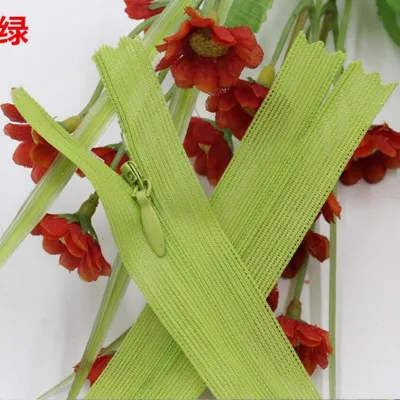
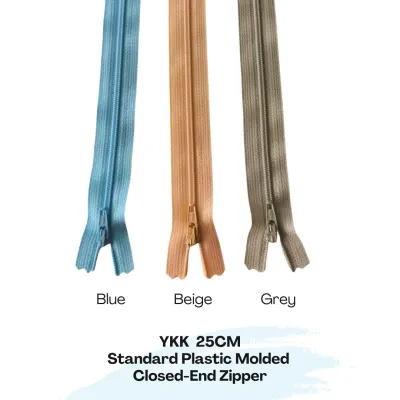
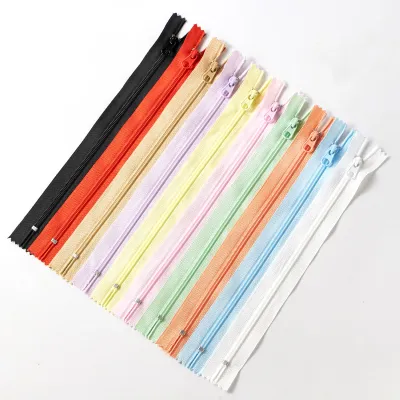
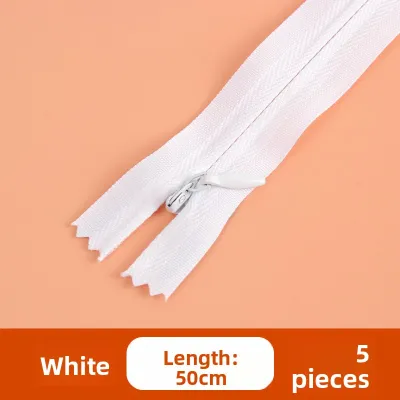
Prices are valid at publication and may change. Please refer to the product page for the latest price.
How these teeth are constructed defines the zipper’s category and performance. Stamped metal teeth are individual metal pieces clamped onto the fabric tape at precise intervals. Injection-molded plastic teeth are formed by melting synthetic resin directly onto the tape, creating a highly uniform and secure bond. Continuous nylon coils, on the other hand, are made from a coiled synthetic monofilament that is stitched onto the tape, forming a continuous, flexible chain.
The interaction between the tape material and the teeth is critical during both sewing and laundering. Most modern zipper tapes are made from polyester, which resists shrinking and stretching. However, some vintage-style metal zippers feature cotton tapes, which can shrink when washed. If you sew a cotton-tape zipper into a synthetic fabric without pre-washing, the tape may shrink and cause the zipper to buckle or puckering along the seam.
Metal Zippers: Durability and Heavy-Duty Applications
Metal zippers are celebrated for their exceptional durability and high tensile strength. They are designed to withstand significant lateral pressure, making them the ideal choice for high-stress seams. You will commonly find them on heavy denim jeans, rugged workwear, leather jackets, and heavy-duty canvas bags where a weaker zipper would quickly fail under tension.

Beyond utility, metal zippers offer a distinct aesthetic appeal that synthetic alternatives cannot replicate. They are available in various metallic finishes, including brass, antique brass, nickel, copper, and gunmetal. These finishes can elevate a garment, adding a premium, rugged, or vintage look that complements heavy fabrics beautifully.
However, metal zippers have distinct limitations that you must consider. They are significantly heavier than plastic or nylon, which can cause lightweight fabrics to sag or drape awkwardly. The sharp edges of metal teeth can also snag delicate fibers, making them unsuitable for silk, satin, or fine knits. Additionally, unless treated with protective coatings, metal zippers can corrode or oxidize when exposed to prolonged moisture or harsh outdoor environments.
Before installing a metal zipper, perform a quick physical inspection. Run your fingers along the teeth to check for any sharp burrs or misaligned elements that could catch on the fabric. Pull the slider back and forth several times to ensure it glides smoothly and locks securely without sticking.
Plastic (Molded) Zippers: Lightweight and Weather-Resistant Uses
Plastic molded zippers, often made from polyacetal resins, offer a lightweight alternative to metal without sacrificing structural integrity. Their individual, blocky teeth are highly flexible, making them excellent for bulky outerwear, sportswear, and heavy fleece jackets. They allow the garment to move naturally with the body while keeping the weight of the closure to a minimum.
One of the greatest advantages of plastic zippers is their complete resistance to moisture and chemical corrosion. Because plastic cannot rust, these zippers are the industry standard for marine gear, raincoats, ski jackets, and outdoor backpacks. They perform reliably in damp, salty, or humid environments where metal zippers would quickly seize up and fail.
Despite their strengths, plastic zippers have lower heat tolerance than metal. Direct contact with a hot iron can easily melt or deform the plastic teeth, rendering the zipper useless. They can also crack or lose teeth if subjected to extreme lateral pressure or impact, meaning they are less suited for tight-fitting, high-stress garments like fitted trousers.
When sourcing a plastic zipper, check for uniform tooth molding. The teeth should be identical in shape and size, with no excess plastic flashing left over from the manufacturing process. Tug gently on individual teeth to verify they are securely fused to the polyester tape and will not pop off during use.
Nylon (Coil) Zippers: Flexibility and Everyday Sewing
Nylon coil zippers are the most versatile and widely used fasteners in modern sewing. Because the teeth are formed from a continuous spiral of nylon monofilament, the zipper is incredibly flexible and bends easily around curves. This makes them the perfect choice for curved bags, cushions, lightweight jackets, and everyday apparel like skirts and dresses.
Within the nylon coil family, you will find invisible zippers, which are a staple for formal wear and tailored garments. On an invisible zipper, the coils are located on the reverse side of the tape, allowing the zipper to disappear completely into the seam line. This creates a clean, professional finish where only a tiny, unobtrusive slider tab remains visible on the outside of the garment.
While highly flexible, nylon coil zippers have lower lateral strength than metal or molded plastic. If a bag is overstuffed or a garment is too tight, the continuous coil can stretch or separate, causing the zipper to burst open. Like plastic, nylon is also vulnerable to high heat; direct contact with an iron can melt the coils, permanently damaging the zipper’s ability to close.
To ensure smooth operation, always verify that you are using the correct slider type. Sliders are engineered specifically for either metal, molded plastic, or nylon coil zippers. Using a metal-zipper slider on a nylon coil will prevent the teeth from interlocking correctly and will quickly damage the delicate synthetic coils.
Comparison Matrix: Matching Zipper Materials to Sewing Projects
| Zipper Type | Ideal Projects | Weight | Flexibility | Heat Tolerance | Moisture Resistance | Verify First |
|---|---|---|---|---|---|---|
| Metal | Denim, leather jackets, workwear, canvas bags | Heavy | Low | High | Low (unless treated) | Check for sharp burrs and pre-wash cotton tapes |
| Plastic (Molded) | Outerwear, sportswear, marine gear, raincoats | Light | Medium | Low | High | Keep irons away from teeth; check for uniform molding |
| Nylon (Coil) | Dresses, skirts, cushions, lightweight bags | Very Light | High | Low | High | Match slider to coil type; avoid overstuffing seams |
How to Verify Zipper Quality and Compatibility Before Sewing
Before you begin stitching a zipper into your project, taking a few minutes to inspect the hardware can save you hours of frustrating seam ripping later. Start by checking the zipper gauge, which refers to the width of the teeth in millimeters (such as #3, #5, or #10). Match the gauge to your fabric weight; a heavy #10 zipper will overwhelm a delicate silk blouse, while a tiny #3 zipper will quickly fail on a heavy canvas backpack.
Next, test the slider mechanism. Pull the slider up and down the entire length of the tape several times. It should glide smoothly without catching, jumping, or splitting the teeth behind it. If the zipper features a locking slider, test that the lock engages when the pull tab is pressed flat against the teeth, preventing the zipper from sliding open on its own.
Examine the zipper tape closely. The tape should be flat, even, and free of puckering or loose threads. Ensure the tape is wide enough to accommodate your sewing machine’s zipper foot safely, allowing you to stitch close to the teeth without running over them. Tight, even weaving in the tape indicates a high-quality construction that will hold up to repeated washing.
Establish a clear stop condition during your inspection. If you observe loose or missing teeth, a slider that catches repeatedly, or a tape that is already fraying at the edges, do not sew it into your project. Discard the faulty zipper and source a high-quality replacement to ensure your finished item remains functional for its entire lifespan.
Frequently Asked Questions (FAQ)
Can I replace a metal zipper with a nylon one?
You can replace a metal zipper with a nylon coil zipper, but you must evaluate the stress points of the garment first. Nylon coil zippers are highly flexible and comfortable against the skin, making them a great upgrade for casual jackets or bags. However, they lack the high tensile strength of metal. If you are replacing a zipper in a high-stress area, such as tight-fitting denim jeans or heavy work trousers, stick to a metal zipper to prevent the teeth from splitting under tension. If you must substitute, consider reinforcing the surrounding seam with interfacing to distribute the stress.
How do I shorten a plastic molded zipper?
Shortening a plastic molded zipper requires a different approach than shortening a nylon coil zipper, which can simply be sewn across and cut. Because plastic teeth are thick and rigid, you cannot sew over them without breaking your sewing machine needle. To shorten a plastic zipper, mark your desired length, then use a pair of needle-nose pliers to carefully pull off the individual plastic teeth above that mark. Once the teeth are removed, you must install a new metal top stop or sew a secure thread wrap over the empty tape to prevent the slider from running off the top of the zipper. Never cut directly through the plastic teeth with your sewing scissors, as this will dull the blades and leave sharp, uncomfortable edges.

Community discussion
Share your experience or ask a question. Comments are reviewed before publication.