
Quick Answer: Which Sequin Base Fits Your Project?
Choosing the right sequin fabric cloth depends on how the finished item must behave. The base material acts as the foundation, determining whether your project drapes softly, stretches with body movement, or holds a structured shape.
For garments requiring physical movement, such as dancewear or form-fitting dresses, a stretch base is highly suitable. If your project involves structured overlays, breathable sleeves, or garments needing moderate support without bulk, a mesh base is typically a practical option. For voluminous skirts, bridal wear, or stiff decorative accents, a tulle base provides structural loft.
Before purchasing, check the fabric label for fiber content and conduct a manual drape test to ensure the base material aligns with your design goals.
Products mentioned in this guide
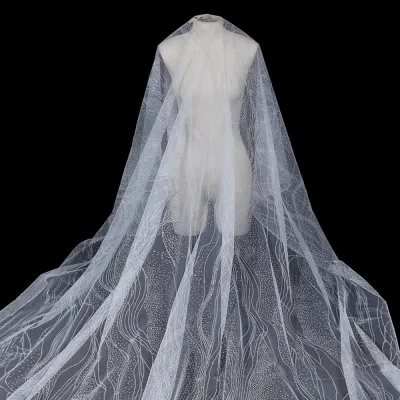
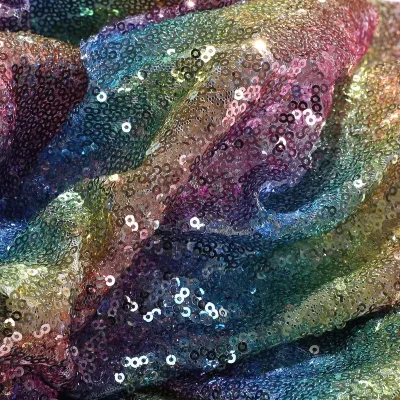
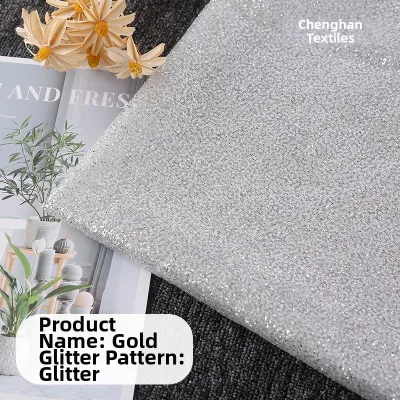
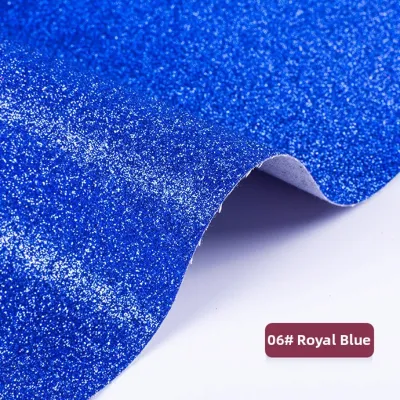
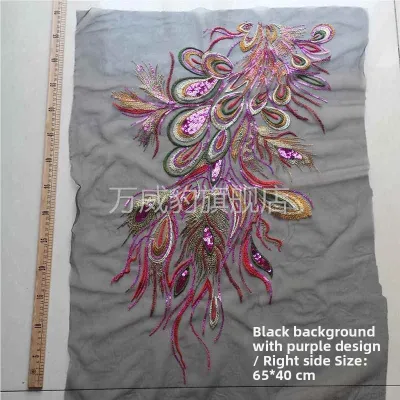
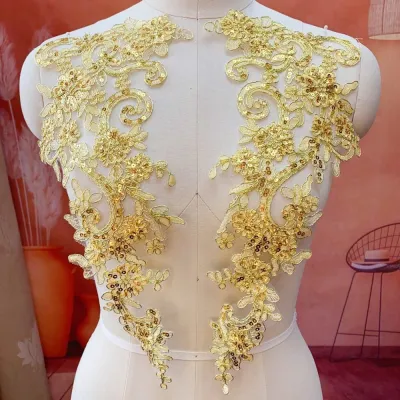
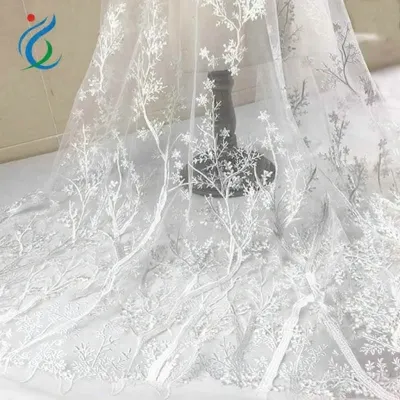
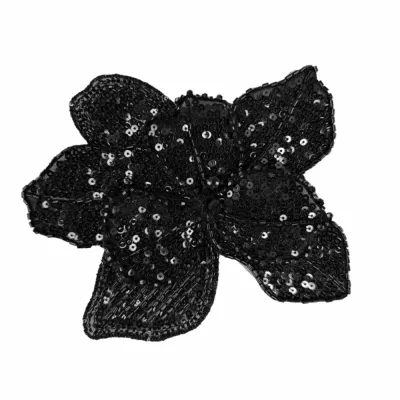
Prices are valid at publication and may change. Please refer to the product page for the latest price.
Understanding the Three Sequin Fabric Bases
To select the right sequin fabric cloth, you must first understand the physical characteristics of the three primary base materials. Each base is constructed differently, directly affecting its weight, flexibility, and durability.

Mesh Base
A mesh base features an open-weave grid structure. Typically made from polyester or nylon fibers, this base is characterized by its durability and moderate weight-bearing capacity. When examining a mesh base, look closely at the size of the grid. A tighter grid offers more stability, while a wider grid provides greater breathability.
To assess a mesh base’s suitability for structured garments, perform a simple diagonal pull test. Hold a corner of the fabric and pull it diagonally along the bias. A high-quality mesh will offer slight mechanical give but will resist excessive stretching, helping the garment maintain its intended shape.
Stretch Base
A stretch base is specifically engineered for flexibility and form-fitting designs. This base is usually a knit fabric that incorporates elastic fibers such as spandex or elastane. The presence of these fibers allows the fabric to expand and contract without losing its shape.
When shopping for a stretch sequin fabric cloth, check the manufacturer’s label for the exact elastane or spandex percentage. To evaluate the quality of the stretch, perform a manual recovery test. Gently stretch a ten-centimeter section of the fabric, then release it. A high-quality stretch base will immediately snap back to its original length without leaving wavy or distorted edges.
Tulle Base
A tulle base consists of a very fine, lightweight netting with hexagonal or diamond-shaped openings. Tulle is traditionally made from nylon, silk, or polyester, and its stiffness can vary significantly.
When evaluating a tulle base, distinguish between soft bridal illusion tulle and stiff structural tulle. Soft illusion tulle feels smooth to the touch and drapes gently, making it ideal for delicate veils and overlays. Stiff structural tulle feels scratchy and springy, holding its shape even under the weight of heavy sequins. Gently scrunch the fabric in your hand to observe how quickly it springs back; this indicates the level of built-in structure.
Comparing Drape, Structure, and Movement
The way a sequin fabric cloth behaves when worn depends on the interplay between the base material and the weight of the attached sequins. Understanding these dynamics helps prevent common sewing disappointments, such as sagging seams or collapsed silhouettes.
Structure and Volume
Tulle is the choice for projects requiring dramatic volume and crisp silhouettes. Because of its stiff netting structure, tulle stands away from the body, making it perfect for ballgown skirts, petticoats, and architectural fashion accents. It supports the weight of dense sequins by distributing the load across its springy grid.
In contrast, a mesh base provides moderate support without adding excessive bulk. Mesh does not flare out like tulle; instead, it supports the sequins while allowing the garment to hang closer to the body. This makes mesh highly suitable for structured bodices, tailored jackets, and decorative home accessories where a clean, semi-rigid line is desired.
Drape and Flow
If your design relies on fluid movement and body-hugging contours, a stretch base is the most effective choice. Stretch sequin fabric cloth conforms naturally to the wearer’s shape, moving dynamically with every step. The weight of the sequins actually enhances the drape of a stretch base, pulling the fabric downward to create a sleek, elongated silhouette.
A soft mesh base offers a different kind of movement, often described as a floating drape. Because mesh is lightweight yet stable, it moves independently of the body, creating an airy effect. This floating quality is highly desirable for sheer sleeves, capes, and loose-fitting evening wear overlays.
Verification Step: The Drape Test
Before cutting into your fabric, perform a physical drape test. Pin a half-meter sample of your chosen sequin fabric cloth to a dress form or a sturdy clothes hanger. Step back and observe how the fabric falls naturally.
Note whether the weight of the sequins causes the base to sag, distort, or pull thin. If the fabric pools heavily at the bottom or distorts along the pin line, you may need to reinforce the seams or choose a more stable base material. This simple visual check ensures your finished project will behave exactly as planned.
Ease of Sewing and Handling Sequin Cloth
Sewing with sequin fabric cloth presents unique challenges, regardless of the base material. Preparing your workspace, selecting the correct tools, and understanding how to handle the sequins themselves will prevent machine damage and ensure professional results.
Needle and Thread Compatibility
Your sewing machine setup must be tailored to both the base fabric and the sequins. For stretch bases, use a ballpoint or stretch needle (typically size 80/12 or 90/14). These needles have a rounded tip that slips between the knit fibers rather than piercing them, preventing skipped stitches.
For mesh and tulle bases, a sharp or universal needle is preferred. Because tulle and mesh are delicate, a dull needle can cause snags or tears. Use a high-quality, strong polyester thread that can withstand the friction of rubbing against the sharp edges of the sequins during the sewing process.
Edge Finishing and Fraying
Before you begin assembly, inspect the cut edges of your fabric. Tulle and mesh bases do not fray in the traditional sense because they are not woven from intersecting threads. However, their open structures are highly susceptible to snagging on other fabrics, jewelry, or the sequins themselves.
To protect the raw edges and ensure wearer comfort, consider binding the seams with a soft bias tape or serging them with a lightweight thread. For stretch bases, a narrow zigzag stitch or a four-thread overlock stitch is necessary to allow the seams to stretch without snapping.
Sequin Clearance: Protecting Your Equipment
One of the most critical steps in working with sequin fabric cloth is clearing the seam allowance. Sewing directly over plastic or metallic sequins can break your machine needle, damage the feed dogs, or snap the thread.
To prevent this, mark your seam lines clearly on the reverse side of the fabric. Using fine embroidery scissors, carefully snip away the sequins from the seam allowance (usually 1.5 centimeters from the edge) on the right side of the fabric. Be careful not to cut the structural threads that secure the remaining sequins to the base. If the sequins are glued rather than stitched, you may need to use a solvent or gently peel them away according to the manufacturer’s instructions.
Decision Framework: Matching Base to Project Type
To finalize your fabric selection, match the specific requirements of your project to the physical properties of the base material. This systematic approach ensures durability, comfort, and visual appeal.
Apparel and Dancewear
For activewear, costumes, and dancewear, mobility is the primary concern. A stretch base is essential to allow for a full range of motion. When selecting a stretch sequin fabric, verify that the fabric has adequate recovery so it does not bag out at the joints.
Skin comfort is another critical factor. The reverse side of sequin fabric can be highly abrasive. Always plan to line these garments with a soft, breathable stretch lining, such as a lightweight jersey or tricot, to protect the skin from irritation.
Bridal and Evening Gowns
Bridal and formal wear often require a balance of volume and delicate detail. Tulle is the traditional choice for creating dramatic, full-skirted silhouettes that hold their shape throughout an event. Mesh is highly effective for creating illusion necklines, sheer sleeves, and delicate overlays that appear to float over an under-dress.
When constructing formal wear, inspect the reverse side of the sequin fabric carefully. Ensure that the sharp edges of the sequins on the overlay will not catch on or damage delicate underlayers, such as silk satin or organza, as the wearer moves.
Home Decor and Accessories
For non-apparel projects like throw pillows, table runners, or structured evening bags, a stable base is required. Mesh or stiff tulle is ideal for these applications because they do not stretch out of shape under tension.
Ensure the chosen base material can physically support the weight of the sequins, especially for larger items like curtains or heavy cushions. If the base feels too flimsy, reinforce it with a fusible interfacing or a sturdy backing fabric before assembly.
Summary Table: Sequin Base Selection Guide
| Project Type | Recommended Base | Key Pre-Purchase Physical Checks |
|---|---|---|
| Dancewear & Active Costumes | Stretch Base | Check elastane content; perform manual stretch recovery test. |
| Evening Gown Overlays & Sleeves | Mesh Base | Assess diagonal stability; verify soft, floating drape. |
| Voluminous Skirts & Bridal Wear | Tulle Base | Check netting stiffness; ensure sequins are securely attached. |
| Cushions, Bags & Home Decor | Mesh or Stiff Tulle | Evaluate weight-bearing capacity; check backing stability. |
Frequently Asked Questions (FAQ)
Do I need to line sequin fabric cloth?
Yes, lining is highly recommended for most projects utilizing sequin fabric cloth. The open-weave structure of both mesh and tulle bases is inherently sheer, meaning a lining is necessary to provide opacity. Additionally, the back of sequin fabric—where the sequins are stitched or glued—can be scratchy and uncomfortable against the skin.
For stretch garments, choose a lightweight stretch lining like tricot or jersey to preserve the fabric’s flexibility. For structured garments, a smooth lining fabric like satin, crepe, or rayon will provide comfort and help the garment slip on and off easily. Always check your garment pattern instructions for specific lining recommendations and fabric weight pairings.
How should I store and care for finished sequin garments?
Proper storage and care are essential to maintain the structure and appearance of sequin garments over time. Heavy sequin garments, especially those on stretch or mesh bases, should be stored flat in a breathable garment bag. Hanging heavy sequin items can cause the base material to stretch out of shape, permanently distorting the fit. Structured tulle garments can be hung, but ensure they have enough space in the wardrobe to prevent the delicate netting from being crushed.
For cleaning, always check the manufacturer’s care label first. If no label is available, default to gentle hand washing in cool water with a mild detergent, or spot cleaning the affected areas. Never expose sequin fabric to high heat from an iron, as the sequins can melt or lose their luster. If you must press the seams, use a low-heat setting on your iron and always place a thick press cloth between the iron and the reverse side of the fabric.

Community discussion
Share your experience or ask a question. Comments are reviewed before publication.