
Selecting the ideal fabric material requires matching its physical structure, weight, and fiber behavior to the specific demands of your sewing project. A successful project balances aesthetic drape with functional durability, ensuring that a finished item performs well during wear or daily use. Mismatching these elements—such as using a stiff, heavy canvas for a flowing summer dress or a delicate silk for high-traffic cushion covers—leads to structural failure, poor fit, and premature wear. By systematically analyzing fabric properties, you can confidently select materials that elevate your handmade garments, home decor, and accessories.
Evaluating Fabric Properties and Reading Labels
Before purchasing any fabric material, you must determine its structural category: woven or knit. Woven fabrics are constructed by interlacing warp and weft yarns at right angles, offering excellent structural stability but requiring finished seams to prevent fraying. Knit fabrics, formed by interlocking loops of yarn, possess inherent stretch and flexibility, making them highly comfortable but more challenging to sew due to potential seam stretching and edge curling. Understanding this fundamental distinction dictates your choice of sewing machine needles, stitch types, and seam finishes.
Reading the manufacturer’s care and composition label on the bolt provides essential data regarding fiber content and maintenance limits. The label indicates whether a fabric material consists of natural fibers like cotton and linen, synthetic fibers like polyester, or a blend. This composition directly influences how much the material will shrink during its first wash, its maximum ironing temperature threshold, and its overall colorfastness. Checking these details early prevents irreversible damage during the pre-washing phase or subsequent pressing steps.
Products mentioned in this guide
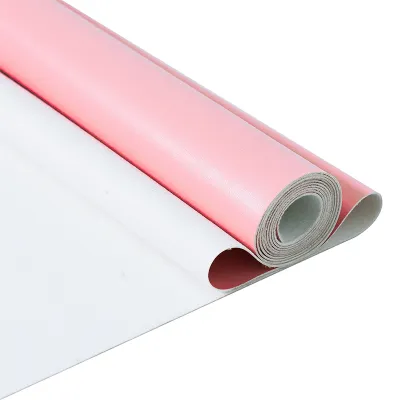
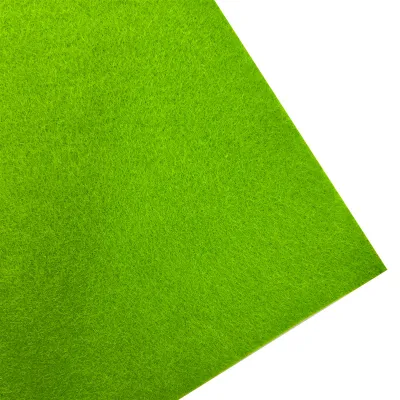
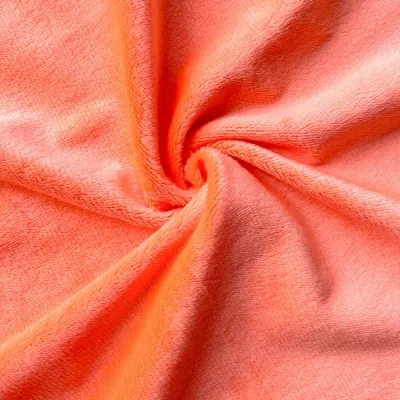
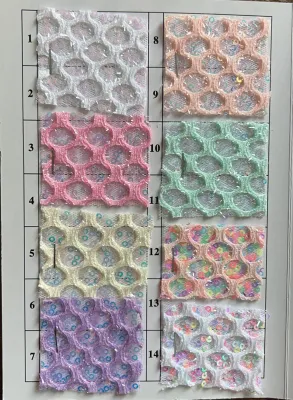
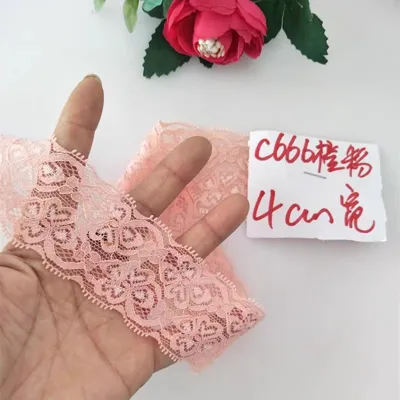
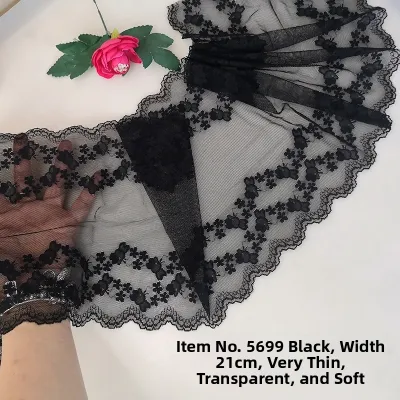
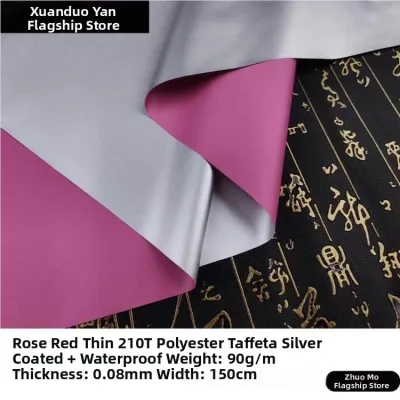
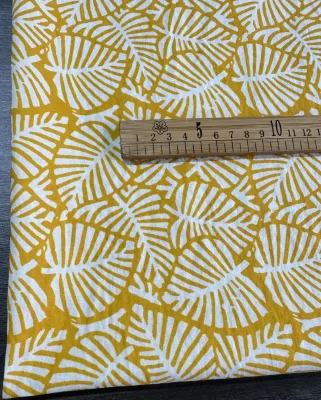
Prices are valid at publication and may change. Please refer to the product page for the latest price.
Physical handling remains the most reliable method to assess fabric weight, drape, and opacity. By draping a section of the fabric over your hand, you can observe whether it falls in soft, fluid folds or holds a rigid, structured shape. Holding the material up to a light source reveals its weave density and opacity, helping you determine if a lining is necessary. Finally, inspect the grainline alignment and pattern direction directly on the bolt to prevent cutting errors that cause garments to twist or hang unevenly.
Selecting Materials for Garment Construction
Garment sewing demands a careful balance of comfort, breathability, and movement, particularly when designing clothes for warm and humid tropical climates like Singapore. For close-fitting tops, undergarments, and everyday wear, prioritize breathable, skin-friendly natural fibers such as lightweight cotton lawn, linen, or bamboo rayon. These materials allow air circulation and absorb moisture, preventing discomfort during prolonged body contact.

For structured garments like tailored trousers, structured skirts, and lightweight jackets, select medium-to-heavyweight woven fabrics that offer bias stability and clean lines. Materials such as cotton twill, mid-weight linen, or wool blends provide the necessary body to support pockets, waistbands, and structured closures without sagging. When working with these denser fabrics, verify that your sewing machine can handle multiple layers at intersecting seams without skipping stitches.
When constructing activewear or casual knitwear, evaluate the stretch recovery and edge-curling tendencies of your chosen knit fabric. High-quality knits should stretch easily and return to their original shape immediately when released; poor recovery leads to saggy elbows and stretched-out neckbands. Additionally, be prepared for the raw edges of single-jersey knits to curl tightly during handling, which requires careful pinning or the use of temporary fabric starch to stabilize the edges before stitching.
Delicate, slippery, or highly fraying materials like chiffon, satin, or loose-weave linen require specialized handling and seam allowance adjustments. Always pre-wash these fabrics to complete any potential shrinkage before cutting your pattern pieces. When sewing, consider using French seams or flat-felled seams to fully enclose raw edges, and increase your seam allowances slightly to prevent the fabric yarns from pulling apart under tension.
Choosing Fabrics for Home Decor Textiles
Home decor projects require fabric materials that can withstand environmental exposure and physical wear over extended periods. For window treatments, curtains, and sun-exposed cushions, prioritize materials with high lightfastness to prevent premature fading from intense sunlight. Denser weaves or specialized drapery fabrics help block light and provide thermal insulation, which is particularly useful for maintaining comfortable indoor temperatures in sunny rooms.
Before committing to heavy-duty canvas, denim, or upholstery fabrics, verify your domestic sewing machine’s capabilities. Heavy materials require adequate presser foot clearance and a robust motor to pierce multiple thick layers. You will need to equip your machine with a heavy-duty needle, such as a size 90/14 or 100/16 jeans needle, and adjust the presser foot pressure to ensure even feeding without stalling the machine.
Achieving the desired stiffness, structure, or light-blocking effect in home textiles often depends on matching the primary fabric with appropriate linings and interfacings. A lightweight decorative fabric can be transformed into a structured cushion cover or a crisp valance by fusing a medium-weight woven interfacing to the wrong side. Similarly, adding a blackout lining to decorative curtain panels protects the face fabric from sun damage while providing complete light control.
For high-traffic household items like dining chair covers or entryway cushions, look for fabrics with stain-resistant treatments or easy-care finishes. If these treatments are not pre-applied, verify whether the fabric can be safely washed in a domestic machine or if it requires dry cleaning. Selecting a washable cotton-polyester blend ensures that everyday spills can be cleaned easily without shrinking or distorting the finished item.
Picking Materials for Accessories and Small Crafts
Accessories such as tote bags, pouches, and hats require structurally stable fabrics that can support heavy hardware and maintain their shape under load. Prioritize tightly woven, non-fraying materials like heavy cotton canvas, waxed cotton, or synthetic packcloth. These sturdy bases securely hold metal zippers, magnetic snaps, and rivets without tearing or pulling through the fabric fibers over time.
When selecting patterned fabrics for small crafts, scale the prints and motifs appropriately for the size of your cutting pieces. Large-scale floral or geometric patterns often get lost or look disjointed when cut into small coin purses or keychains. Choosing small-scale prints, solids, or textured weaves ensures that the design remains visually cohesive and does not require complex pattern matching across tiny seams.
Lighter decorative fabrics can still be used for accessories if you reinforce them with stabilizers or fusible interfacings. Applying a firm sew-in stabilizer or a heavy fusible fleece adds the necessary body and rigidity to lightweight quilting cottons, allowing them to stand upright as structured bags. This technique expands your design options, letting you use delicate prints without sacrificing the utility of the finished accessory.
Thick materials and multiple layers of interfacing can easily exceed the grip limits of your sewing machine’s feed dogs, leading to uneven stitches or jammed needles. To prevent this, test your fabric stack on a scrap piece before sewing the final project. Plan to reduce bulk at intersecting seams by grading seam allowances, clipping corners, or using a seam jumper tool to help the presser foot glide smoothly over thick transitions.
Maximizing Cross-Scenario Compatibility
Some versatile fabric materials can successfully bridge the gap between different project categories, offering excellent value and flexibility. Medium-weight cotton blends, linen-cotton mixes, and chambray work beautifully for both casual apparel and simple home textiles like napkins, table runners, or lightweight throw pillows. These multi-purpose fabrics are generally easy to cut, sew, and wash, making them ideal for beginners experimenting across different sewing disciplines.
When transitioning a single fabric type between different applications, you must adjust your sewing machine settings to match the specific task. For example, sewing a lightweight linen blouse requires a fine universal needle, standard polyester thread, and a medium stitch length. Transitioning that same linen to a structured table runner may require adding a fusible backing, switching to a slightly heavier thread, and lengthening the stitch to accommodate the increased thickness.
However, versatile fabrics have clear functional limits, and attempting to use them in extreme-demand applications will lead to failure. A medium-weight cotton utility fabric cannot replace specialized heavy-duty outdoor canvas for awnings, nor can it mimic the delicate drape of silk chiffon for formal evening wear. Recognizing these boundaries ensures you do not waste time and materials on projects that require highly specialized technical textiles.
Frequently Asked Questions (FAQ)
How do I test a fabric's drape and stretch before buying?
To evaluate drape in a retail store or studio, unroll a portion of the fabric from the bolt and let it hang over your arm or a flat surface to observe how the folds settle. For stretch testing, cut or isolate a 10-centimetre section of the fabric along the crosswise grain, hold it against a ruler, and gently pull it to measure the expansion percentage. Release the fabric to observe its recovery; if it remains stretched out or distorted rather than returning to its original 10-centimetre length, it lacks the recovery needed for fitted garments.
What needle and thread adjustments are needed for different fabric weights?
Match your needle size and point type directly to the fabric’s weight and structure to prevent skipped stitches or fabric damage. Lightweight fabrics like chiffon require fine needles (size 60/8 to 70/10) and fine thread to avoid puckering, while medium-weight cottons pair well with standard 80/12 universal needles and all-purpose polyester thread. For heavy canvas or denim, use a thick jeans or upholstery needle (size 90/14 to 100/16) and heavy-duty thread, and consult your sewing machine manual to ensure the motor can handle the resistance.

Community discussion
Share your experience or ask a question. Comments are reviewed before publication.