
Selecting the right cotton cloth depends entirely on matching the fabric’s weight and weave structure to the physical demands of your project. For quilting, a medium-weight plain weave offers the ideal balance of stability and ease of sewing. Garment sewing requires a broader spectrum, ranging from lightweight plain weaves like lawn for airy blouses to heavier twill weaves for structured trousers. Home decor projects demand durable, heavyweight fabrics such as canvas or duck to withstand friction and tension. By understanding how these structural elements interact, you can ensure your finished project looks professional and lasts for years.
Every fabric choice involves a trade-off between drape, durability, and ease of handling. A fabric that feels soft and flowing on a bolt may stretch out of shape during precise quilting, while a sturdy utility fabric might feel stiff and uncomfortable when worn as a garment. Evaluating these characteristics before you cut into your material prevents wasted time and ruined projects.
Understanding Cotton Cloth Weaves and Weights
The weave of a cotton cloth refers to how the vertical warp threads and horizontal weft threads interlace. The most common structure is the plain weave, where threads cross over and under each other in a simple, alternating pattern. This structure creates a highly stable, uniform fabric with equal strength in both directions, making it exceptionally easy to cut and sew. Common examples of plain-weave cotton include muslin, broadcloth, and lawn.
Products mentioned in this guide
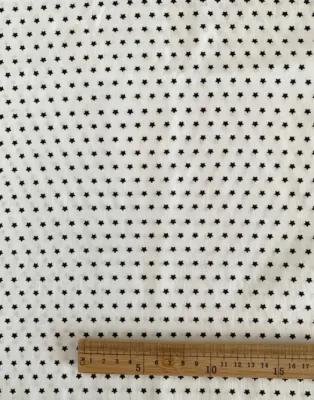
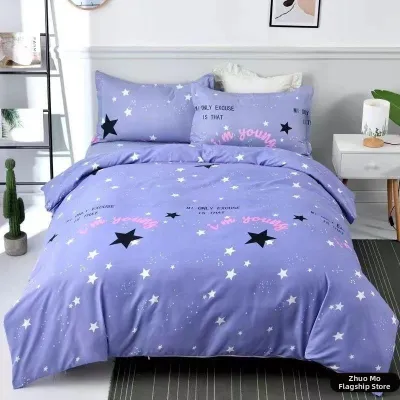
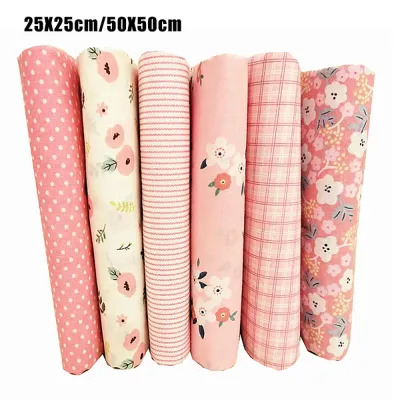
Prices are valid at publication and may change. Please refer to the product page for the latest price.
Twill weaves are characterized by a diagonal rib pattern created by crossing one warp thread over multiple weft threads. This structure allows the fabric to be thicker, heavier, and more resistant to wear while maintaining a relatively soft drape. Denim, drill, and gabardine are classic examples of cotton twills, frequently chosen for their rugged durability and resistance to tearing.
Sateen weaves utilize a structure where warp threads float over several weft threads before interlacing, creating a smooth, lustrous surface with a subtle sheen. While sateen drapes beautifully and feels luxurious against the skin, the floating threads are more susceptible to snagging and abrasion than plain or twill weaves.
Fabric weight is typically categorized as lightweight, medium-weight, or heavyweight. Lightweight cottons are sheer and airy, making them ideal for warm-weather clothing but too delicate for structural uses. Medium-weight cottons offer a balance of pliability and strength, while heavyweight cottons are thick, stiff, and highly resistant to stretching.
To assess a fabric’s properties before purchasing, perform a few simple physical checks. Drape a corner of the fabric over your hand to observe its drape. Hold the cloth up to a bright light to evaluate the density of the weave, looking for consistent thread spacing. Finally, gently pull the fabric along its grain lines to check for stability and ensure the threads run straight.
Selecting Cotton Cloth for Quilting Projects
Quilting requires fabrics that can withstand repeated cutting, piecing, pressing, and stitching without losing their shape. The standard choice for this craft is medium-weight, plain-weave cotton, often labeled specifically as quilting cotton. This fabric has a balanced thread count that allows sewing machine needles to pass through smoothly without deflecting, ensuring highly accurate seam allowances.

When planning a quilt, consistency in fabric weight across the quilt top is essential. Mixing lightweight voile with heavy denim in the same quilt top can cause uneven tension, puckered seams, and distortion during the quilting process. For the quilt backing, a slightly wider plain-weave cotton is acceptable, but it should still closely match the weight of the top to ensure even wear and shrinkage over time.
The binding of a quilt covers the raw edges and bears the brunt of physical handling. For this reason, choose a tightly woven, high-quality plain weave. Cutting the binding strips on the bias—diagonal to the grain—allows the fabric to stretch slightly around corners and lay flat without twisting.
Before cutting your pieces, always test the fabric for grain alignment and colorfastness. Check the grain by pulling the fabric diagonally; a stable grain will resist stretching, while the bias should stretch evenly. To test for colorfastness, dampen a small scrap of the fabric and press it firmly against a clean white paper towel. If any dye transfers to the towel, the fabric may bleed during future washes and should be treated or pre-washed separately.
Avoid using loosely woven cottons, such as gauze or cheap utility muslin, for quilting. These fabrics fray rapidly at the raw edges, making narrow seam allowances unstable and prone to pulling apart. Similarly, avoid heavy upholstery fabrics, which create bulky seams that are difficult to quilt by hand or machine and result in a stiff, heavy blanket rather than a cozy quilt.
Choosing Cotton Cloth for Garment Sewing
Garment construction demands a careful match between the fabric’s drape and the pattern’s design. Structured garments, such as tailored trousers, utility jackets, and button-down shirts, require fabrics that hold their shape. Medium-weight plain weaves like poplin or heavier twills like cotton drill provide the necessary body to support collars, cuffs, and structured seams.
Flowing garments, such as gathered summer dresses, peasant blouses, and lightweight skirts, require fabrics that move easily with the body. Lightweight plain weaves like cotton lawn, voile, and batiste drape softly without adding bulk. These fabrics are highly breathable and comfortable in warm climates, though sheer options may require a lining or layering.
When purchasing cotton for clothing, examine the fabric label or manufacturer specifications for fiber blends and finishes. While 100% cotton is prized for its breathability and natural feel, blends containing polyester can reduce wrinkling and increase durability. Blends with rayon or viscose offer a silkier drape, while a small percentage of spandex adds comfortable stretch to fitted garments.
Pre-washing is a critical step in garment sewing because cotton fibers naturally shrink when exposed to water and heat. Wash and dry your fabric using the exact settings you plan to use for the finished garment. After drying, lay the fabric flat on a cutting table to check for skewing or distortion. If the fabric has warped, gently pull it diagonally from opposite corners to realign the grain before cutting your pattern pieces.
Picking Cotton Cloth for Home Decor Projects
Home decor items must endure a level of friction, tension, and environmental exposure that apparel and quilts rarely encounter. Projects like cushion covers, slipcovers, curtains, and light upholstery require heavyweight cotton fabrics with tight, dense weaves. Cotton canvas, duck, and heavy twill are the standard choices for these demanding applications.
To verify if a cotton cloth is durable enough for home decor, inspect the tightness of the weave. Attempt to scratch or shift the yarns with a fingernail; if the threads slide easily or separate, the fabric is too loose and will likely pull apart at the seams under tension. For items like seat cushions that experience high friction, check the manufacturer’s specifications for durability ratings, such as rub tests, to ensure long-term performance.
Sunlight exposure is another critical factor for home decor, particularly for curtains and window seat cushions. Cotton is susceptible to fading and fiber degradation from ultraviolet rays. Look for fabrics treated with UV-resistant finishes, or plan to line your cotton curtains with a dedicated drapery lining fabric to protect the face fabric from direct sun damage.
Using standard apparel or quilting cotton for high-wear home decor projects is a common mistake. These lighter fabrics lack the structural integrity to hold up against daily sitting, sliding, and stretching. Within a short period, thin cotton cushion covers will stretch out of shape, pill, develop thin spots, or tear at the seams, requiring premature replacement.
Cross-Project Compatibility and Fabric Care
While it is tempting to find a single, universal cotton cloth for all your sewing needs, a medium-weight plain weave has distinct limitations. It can serve as a structured garment fabric or a sturdy quilt top, but it will fail as a heavy-duty cushion cover or a fluid, flowing dress. Understanding these boundaries helps you avoid frustrating project failures.
Proper maintenance is key to preserving the appearance and strength of your cotton projects. Always refer to the manufacturer’s care instructions for specific washing and drying guidelines. As a general rule, tightly woven plain weaves can tolerate warm machine washing and tumble drying, while delicate weaves, sateens, and deeply dyed fabrics should be washed in cold water and line-dried to prevent fading and fiber wear.
When ironing cotton, use a hot setting with plenty of steam to release stubborn wrinkles, but lower the temperature for cotton blends to avoid melting synthetic fibers. If you are working with an antique fabric, a delicate weave, or a fabric of unknown origin, always perform a spot test on a small corner before washing or ironing the entire piece. If the fabric shows signs of fiber degradation, color bleeding, or extreme shrinkage, consult a professional textile conservator or limit its use to low-stress decorative items.
Frequently Asked Questions (FAQ)
Can I use quilting cotton for making clothes?
Yes, you can use quilting cotton for clothing, but it is best suited for structured garments. Because quilting cotton is stiffer and denser than apparel cotton, it does not drape softly. It works well for items like structured skirts, structured shirts, aprons, and children’s pinafores, but should be avoided for fluid, flowing dresses or blouses.
How do I test cotton cloth for shrinkage before sewing?
To test for shrinkage, cut a precise 10 cm by 10 cm square from your fabric. Wash and dry this swatch using the exact cycles and temperatures you plan to use for the finished project. Measure the dry swatch afterward; any reduction in size will give you the exact shrinkage percentage, allowing you to adjust your pattern or decide if pre-washing the entire fabric bolt is necessary.

Community discussion
Share your experience or ask a question. Comments are reviewed before publication.