
Presenting a cash gift (duit kahwin) at a Malay wedding is a cherished tradition that reflects blessings, support, and respect for the newlyweds. To ensure your gift is presented elegantly, the cash must fit perfectly inside the wedding packet without any folded corners, crumpled edges, or strained seams. Selecting the right packet size is not just about aesthetics; it is a practical decision based on the physical dimensions, thickness, and quantity of the notes you plan to give.
For standard cash gifts ranging from S$10 to S$100, a standard-sized packet measuring at least 165 mm by 80 mm will comfortably house common denominations like S$10 or S$50 notes. However, if you are presenting a larger sum or a thick stack of notes, you must opt for oversized packets or those made from heavier paper stock (at least 120 gsm) with deep sealing flaps. This prevents the packet from buckling under the weight or tearing at the seams before it reaches the wedding reception’s collection box.
Understanding Standard vs. Large Packet Dimensions
To make an informed choice, it is essential to understand the physical differences between standard and oversized wedding packets available on the market. Standard packets are designed primarily for flat, unfolded notes of typical local currency dimensions. In Singapore, common notes like the S$10 note (141 mm by 69 mm) and the S$50 note (156 mm by 74 mm) require an envelope that offers a generous margin beyond these numbers. Most standard commercial packets measure roughly 165 mm in length and 80 mm in width, which provides just enough clearance for a few flat notes to slide in smoothly.
Products mentioned in this guide
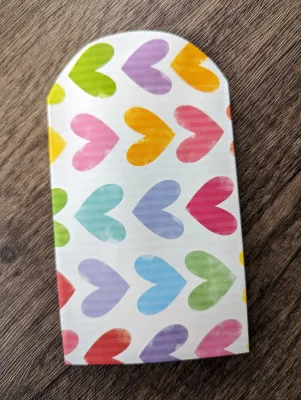
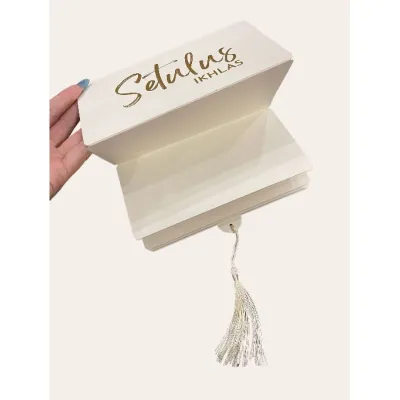
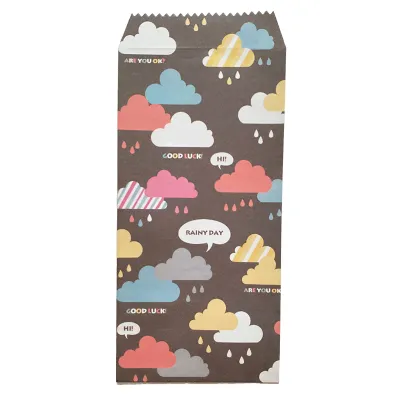
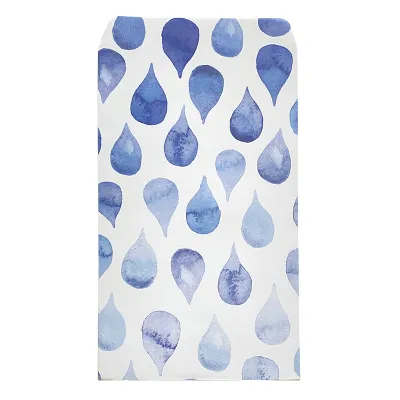
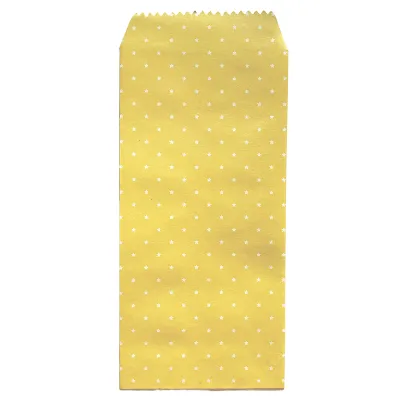
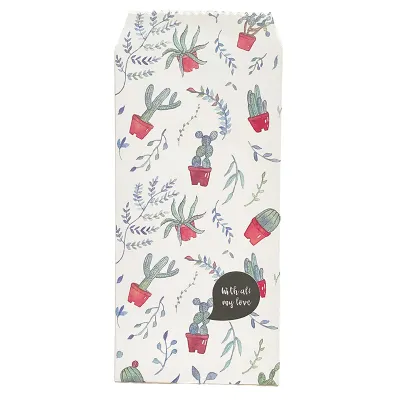
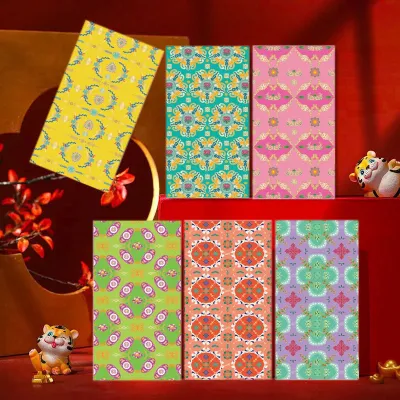
Prices are valid at publication and may change. Please refer to the product page for the latest price.
On the other hand, large, jumbo, or thick-capacity packets are specifically engineered for bulkier stacks or larger denomination notes, such as the S$100 note (162 mm by 77 mm). These packets often feature wider dimensions, sometimes reaching 180 mm by 90 mm, or they may incorporate expandable side gussets that allow the envelope to expand three-dimensionally. This structural variation is crucial because a flat envelope has zero depth; as you add more notes, the envelope’s sides are pulled inward, reducing the effective length and width available for the cash.
Furthermore, buyers must distinguish between the external packaging measurements listed on a product and the actual internal usable space of the envelope. Envelopes are constructed by folding paper flaps inward and gluing them down. Whether the packet uses a center-seam or side-seam construction, these glued edges typically consume 3 mm to 5 mm of space on each side. Consequently, an envelope with an external length of 160 mm might only have an internal usable length of 150 mm, making it too tight for a S$50 note.
Matching Packet Size to Your Cash Amount
Matching the packet size to your specific cash amount requires evaluating both the total value and the physical volume of the notes. For low to medium amounts, such as S$10 to S$100, standard packets are generally sufficient. If you are gifting a single S$50 or S$100 note, a standard flat packet will keep the note pristine and flat. Even a small stack of up to five S$10 notes will fit comfortably without causing the paper to bulge or distort.

For high-value gifts ranging from S$500 to S$1,000 or more, the physical stack thickness becomes the primary concern. If you choose to give this amount in S$50 notes, you will be inserting ten to twenty notes. A stack of this size, especially when dealing with polymer notes, is highly springy and does not compress easily. Standard flat packets will struggle to contain this volume; forcing them closed often results in broken adhesive seals, wrinkled notes, or burst side seams. For these larger sums, you should opt for packets with expandable sides, deeper sealing flaps, or reinforced edges that can accommodate the three-dimensional volume of a thick stack.
Another factor to consider is the use of mixed denominations. Gifting a combination of S$10, S$50, and S$100 notes creates an uneven stack that is thicker in some areas than others. This uneven bulk can cause the notes to shift inside the packet, putting concentrated pressure on the corners of the envelope. When using mixed denominations, always select a packet size based on the dimensions of the largest note in the stack (the S$100 note) and choose a slightly more generous fit than you would for a uniform stack of identical notes.
How to Measure and Verify the Fit
To guarantee a perfect fit, you can perform a quick physical measurement and verification process at home before purchasing your wedding packets. First, prepare the exact stack of notes you intend to gift. Align them neatly and use a standard ruler to measure the length, width, and total thickness of the stack in millimeters.
Next, compare these physical measurements against the packet’s usable internal space. As a rule of thumb, the internal length of the packet should be at least 8 mm longer than your longest note, and the internal width should be at least 6 mm wider than your widest note. This extra clearance ensures that the cash can slide in and out without friction and leaves adequate room for the sealing flap to fold over and close completely flat. If the flap is forced to bend over the edge of a thick stack, it will create an unsightly bulge and may fail to stay sealed.
Finally, check the paper weight and material stiffness of the packet. The weight of the paper, measured in grams per square meter (gsm), dictates how well the packet can support a heavy stack of cash. Standard envelopes are often made from 80 gsm to 100 gsm paper, which is suitable for light gifts. For heavier stacks of ten or more notes, look for premium packets made from 120 gsm to 150 gsm art paper, textured cardstock, or kraft paper. These heavier materials provide the structural integrity needed to prevent the packet from sagging, creasing, or tearing under the weight of the cash.
Common Sizing Mistakes to Avoid
Avoiding common sizing mistakes will save you from the embarrassment of a damaged gift at the wedding reception. One of the most frequent errors is confusing external decorative dimensions with internal usable space. Shoppers often buy beautifully designed packets online based on the listed dimensions, only to find that the internal glue lines make the packet too narrow for their cash. Always look for specifications that explicitly state the internal dimensions, or buy a slightly larger size to be safe.
Another common mistake is ignoring the thickness of the cash stack. Many people assume that if a single note fits, a stack of twenty notes of the same denomination will also fit. However, as the stack grows thicker, it pulls the front and back faces of the envelope closer together, shortening the usable length. This tension often leads to broken adhesive seals or burst side seams when the packet is handled or placed in the wedding collection box.
Lastly, choosing flimsy or overly thin materials for large cash amounts is a frequent misstep. A heavy stack of notes in a thin, low-gsm paper packet will cause the envelope to lose its shape, look unkempt, and potentially tear open. Investing in a high-quality, thick paper packet ensures that your gift remains secure and maintains its elegant presentation throughout the event.
Frequently Asked Questions (FAQ)
Can I fold the notes to fit them into a standard packet?
In Malay wedding etiquette, presenting flat, crisp notes is highly preferred as it signifies respect, sincerity, and well-wishes for the couple’s new beginning. Folding cash, particularly polymer notes, leaves permanent, unsightly creases and makes the notes springy. This springiness increases the thickness of the stack, making it harder to seal the envelope securely. While folding might be acceptable as a last resort for very small packets, it is always best to choose a properly sized packet that allows the notes to lie completely flat.
Do Malay wedding packets differ in size from standard Chinese ang pows?
Yes, they can differ significantly in both shape and proportion. While many modern money packets are designed to be versatile, traditional Chinese ang pows (red packets) frequently come in smaller, square, or short rectangular formats that require notes to be folded. In contrast, Malay wedding packets (often green or decorated with elegant floral and geometric patterns) are traditionally designed as long rectangles to accommodate unfolded notes. Always check the specific dimensions on the product label rather than assuming cross-cultural interchangeability, as a packet designed for folded notes will not fit flat currency.

Community discussion
Share your experience or ask a question. Comments are reviewed before publication.