
Quick Answer: Magnetic vs Felt Boards for Early Literacy
When supporting early literacy at home, choosing the right tools is essential for your child’s progress. Neither a magnetic letter board nor a felt letter board is universally superior; the ideal choice depends on your child’s age, developmental stage, and home environment.
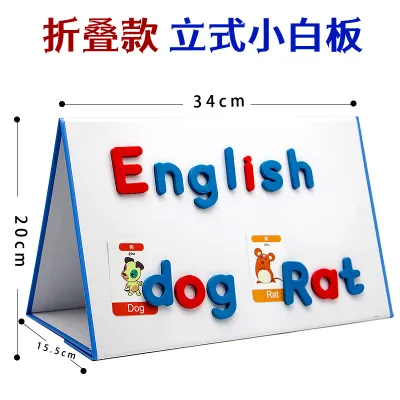
Magnetic letter boards are generally better for older toddlers and preschoolers (typically ages three and up) who are actively practicing structured spelling, phonics, and word building. These boards allow children to slide letters easily across a smooth surface, and the letter sets often feature standardized print fonts and systematic color-coding that align with school curricula.
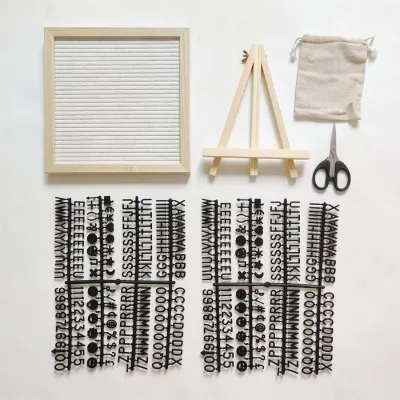
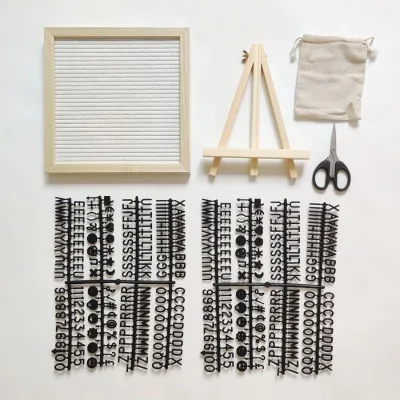
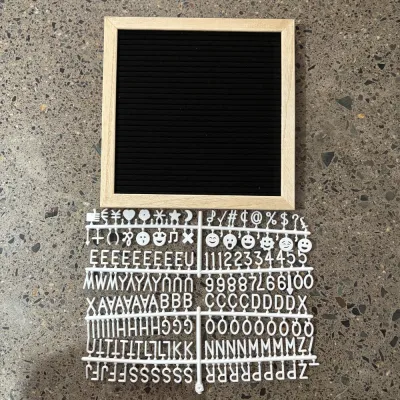
Felt letter boards are safer, quieter, and more tactile, making them ideal for younger toddlers (around ages one and a half to three) who are just beginning letter recognition and sensory play. Because felt is soft and lightweight, it offers a gentle, low-risk introduction to the alphabet without the hazards associated with small, heavy, or magnetic parts.
Products mentioned in this guide
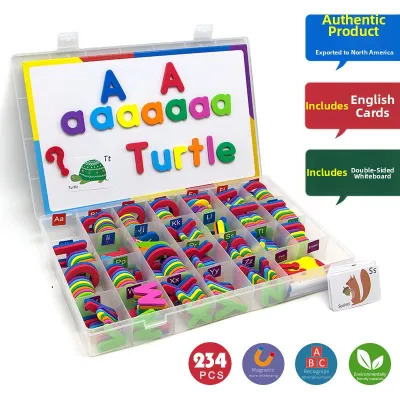
Prices are valid at publication and may change. Please refer to the product page for the latest price.
Material and Design: How Magnetic and Felt Boards Differ
Understanding the physical construction and mechanical differences between magnetic and felt boards is essential for determining how they will perform during daily educational activities. Each material offers a distinct physical interface that shapes how a child interacts with letters, words, and sentences.

Magnetic Letter Boards
Magnetic letter boards rely on magnetic attraction to hold learning pieces in place. The board itself is typically constructed from sheet metal, steel, or a magnetic-receptive rubber composite encased in a protective frame made of wood, aluminum, or durable plastic. Some magnetic boards double as dry-erase whiteboards, providing a dual-purpose surface for writing and drawing alongside letter play.
The letters used with these boards are usually made from molded plastic, die-cut EVA foam, or finished wood, with a small magnet securely embedded or attached to the back of each piece. When a child places a letter on the board, there is a distinct, satisfying tactile “click” or “snap” as the magnetic field pulls the piece onto the metal surface. This physical feedback is highly reinforcing for young learners, letting them know the letter is securely positioned. Furthermore, because the surface is smooth, children can easily slide letters around to rearrange words without needing to lift them completely off the board, facilitating fluid spelling adjustments and quick corrections.
Felt Letter Boards
Felt letter boards operate on a completely different mechanical principle: friction and the natural interlocking of microscopic fibers. The base of a felt board is typically made of a rigid backing material, such as medium-density fiberboard (MDF) or heavy cardboard, wrapped tightly in a high-pile felt, flannel, or velvet fabric. The surface is soft, textured, and entirely non-reflective, which reduces eye strain during play.
The letters for felt boards are usually die-cut from thick, stiffened felt, flannel, or wool. Unlike plastic letters, they have no hard edges, heavy backings, or embedded metal components. Instead, the fuzzy fibers on the back of the felt letters cling to the fuzzy fibers of the board surface when gentle pressure is applied. This creates a completely silent user experience; there are no clattering noises when letters are dropped or moved, making it a peaceful option for quiet afternoon play. Because felt boards do not require heavy metal sheets, they are exceptionally lightweight, highly flexible, and can often be rolled up or folded for easy storage and transport.
Educational Value: Phonics, Spelling, and Motor Skills
When evaluating these boards for home-based early literacy, it is important to look at how their designs support key developmental milestones, including letter recognition, phonics acquisition, and the refinement of fine motor skills.
Letter Recognition, Spelling, and Phonics
The visual design of the letters themselves plays a critical role in cognitive development. Educational magnetic letter sets are specifically engineered to support structured literacy programs. They almost always feature clean, standardized, sans-serif fonts that mimic the print styles children encounter in early reader books and primary school worksheets. This consistency is vital for early readers, as it prevents confusion between similar letters like “b,” “d,” “p,” and “q.”
Additionally, high-quality magnetic sets are systematically color-coded. A common standard is to have all vowels in one color (such as red) and all consonants in another (such as blue). This visual separation is a powerful pedagogical tool. It helps children visually isolate vowel sounds in consonant-vowel-consonant (CVC) words, understand spelling patterns, and grasp phonics rules more intuitively.
Felt letter sets, by contrast, are often designed with a greater focus on aesthetics, open-ended storytelling, or home decor. Consequently, the letters in felt sets may feature varied, decorative, or serif fonts that can confuse a child who is still trying to master basic letter shapes. While felt sets are excellent for simple letter matching, storytelling, and vocabulary building, they rarely offer standardized educational color-coding. They often come in monochromatic pastel shades, neutral tones, or random rainbow colors that do not correspond to phonetic categories. For parents who want to conduct structured, curriculum-aligned phonics lessons at home, a magnetic board with standardized, color-coded letters typically provides a more effective and direct learning path.
Fine Motor Skills and Sensory Feedback
The physical act of manipulating letters on a board is an excellent way to build hand strength and coordination, but the two board types target different aspects of motor development.
Peeling flat, thin felt letters off a felt board requires a highly precise pincer grasp—the coordination of the index finger and thumb. For very young toddlers, this can sometimes be challenging and occasionally frustrating if they struggle to get their fingernails under the edge of the felt piece. However, this challenge is highly beneficial; it strengthens the exact muscle groups and coordination patterns that children will later need to hold a pencil, use safety scissors, and tie their shoes. The tactile feedback of felt is soft, warm, and soothing, making it a wonderful sensory medium for children who are sensitive to hard textures or who benefit from calming, tactile-rich activities.
Chunky magnetic letters, particularly those made of thick EVA foam or molded plastic with raised, textured edges, are much easier for small hands to grasp. Children can use a full-hand grip or a three-finger digital grasp to pick them up, slide them, and position them. This makes magnetic letters highly accessible for younger toddlers who are still developing basic grip strength, as well as children with fine motor delays. The sensory feedback of magnetic play is highly structured and active. The physical pull of the magnet, the smooth slide across the board, and the audible “snap” when a letter connects provide immediate, clear cause-and-effect feedback. This active, highly responsive physical interaction can help keep high-energy children engaged and focused on their spelling tasks for longer periods.
Safety, Durability, and Maintenance for Kids
No educational tool is practical if it poses safety risks or requires excessive maintenance. Parents must carefully weigh the safety profiles and upkeep requirements of both magnetic and felt boards before bringing them into their homes.
Safety Considerations and Choking Hazards
Safety is the most critical factor to consider, particularly when younger siblings are present in the household. Small magnets represent a severe and well-documented hazard. If a child swallows a single magnet, it may pass through the digestive system without issue. However, if they swallow two or more magnets, or a magnet and a metallic object, these pieces can attract each other through the walls of the intestines. This can cause severe internal blockages, tissue damage, perforation, and life-threatening infections that require emergency surgical intervention.
When purchasing a magnetic letter board, parents must be highly vigilant. Look for high-quality sets where the magnets are fully encased within the molded plastic of the letter, rather than glued to the back. Inspect the letters regularly for cracks, chips, or signs of wear that could allow a magnet to come loose. Always check the manufacturer’s age recommendations; most magnetic letter sets are strictly rated for children aged three and older. If your child is still in the stage of putting toys in their mouth, magnetic letters should only be used under direct, undivided adult supervision, or kept completely out of reach.
Felt boards are inherently much safer for younger children. They contain no heavy metals, sharp plastic corners, or dangerous magnets. If a child mouths a felt letter, there is no risk of chemical exposure or internal magnetic injury. However, felt pieces are not completely free of safety concerns. Small felt letters can still be a choking hazard if they are small enough to fit inside a child’s airway or a standard choke-test cylinder. Furthermore, low-quality felt can tear easily under rough play, creating small, loose fibers or torn pieces that a child could swallow. Parents should regularly inspect felt letters for signs of fraying or tearing, discard damaged pieces immediately, and supervise play to ensure letters are not being chewed on.
Cleaning, Wear, and Long-Term Use
The long-term durability and ease of cleaning of each board type will determine how well it stands up to the daily chaos of a family home.
Magnetic boards excel in terms of cleanliness and durability. The smooth metal or plastic surface of the board, as well as the rigid plastic or foam letters, can be easily wiped clean with a damp cloth, a mild soap solution, or a child-safe disinfectant wipe. This makes it simple to remove sticky fingerprints, dust, or accidental crayon marks. However, parents should be aware of a few long-term wear issues. Cheap magnetic backings can rust if exposed to high humidity—a common issue in tropical environments like Singapore. Additionally, the magnetic strength of low-quality letters can degrade over time, causing them to slide down the board rather than stick. If a child loses a few letters from a magnetic set, finding exact individual replacements can be highly difficult, often forcing parents to buy an entirely new set to keep their alphabet complete.
Felt boards present a completely different set of maintenance challenges. The fuzzy, textured surface of felt acts like a magnet for household dust, lint, pet hair, and food crumbs. In humid climates, damp felt can also harbor dust mites or develop a musty odor if stored in a poorly ventilated closet. Cleaning a felt board is a multi-step process; you cannot simply wipe it down. Parents will need to use a lint roller, a soft-bristled brush, or a vacuum cleaner with an upholstery attachment to keep the surface clean. Over time and with heavy, repetitive use, felt letters will inevitably begin to “pill” (forming small, fuzzy balls of loose fibers), stretch out of shape, or lose their flat profile. As the fibers wear down, the friction between the letters and the board decreases, causing the pieces to slide off or fail to stick properly.
Space, Portability, and Storage at Home
Managing physical space and keeping learning materials organized are key to maintaining a tidy, functional home. This is particularly relevant in urban living environments, such as Singapore’s HDB flats, where space optimization and smart storage are highly valued.
Magnetic boards tend to be heavier and bulkier due to their metal components and rigid frames. To use them safely, they often require a permanent, dedicated space. This might mean mounting the board securely to a wall using heavy-duty anchors or setting it up on a stable, non-tipping floor easel. If a heavy magnetic board is simply propped against a wall, a toddler could easily pull it down, potentially causing injury or damaging household items. While magnetic boards provide a wonderful, structured “learning station” in a dedicated playroom, they are not easily moved from room to room or packed up for travel.
Felt boards, by contrast, are incredibly lightweight, highly portable, and space-efficient. Many felt boards are designed as foldable mats, soft books, or flexible panels that can be easily moved, propped against a sofa, or laid flat on the living room rug. When play is over, a soft felt board can be rolled up, tucked into a drawer, or hung from a simple adhesive hook on the back of a door. This makes felt boards an ideal option for families who need to keep their living spaces flexible and clutter-free.
The storage of the letters themselves is another practical consideration. A set of 50 to 100 loose alphabet pieces can quickly scatter across a home if not managed properly. Some magnetic letter sets are sold with high-quality, compartmentalized plastic storage cases. These cases make it easy to keep letters organized alphabetically, which not only prevents lost pieces but also teaches children valuable sorting and organizational skills. Felt letter sets are more commonly sold with simple drawstring fabric bags or zip-lock pouches. While these storage options are highly compact and travel-friendly, they require children to dump all the letters out onto the floor to find specific pieces, increasing the likelihood that letters will get lost under furniture or swept away.
Before purchasing any board, it is highly recommended to measure your intended wall or floor space. A compact board (around 30×40 cm) is perfect for individual play or travel, while a larger board (60×90 cm or larger) is better suited for wall-mounted, structured lessons or collaborative play with multiple children.
Decision Guide: Which Board Should You Buy?
To help you make the right choice for your family, use this straightforward decision framework based on your child’s age, learning goals, and home environment.
Choose a magnetic letter board if:
- Your child is older: Your child is three years or older, has stopped putting toys in their mouth, and can safely handle small parts.
- You want structured learning: You are focusing on formal phonics, spelling, and reading readiness, and you want color-coded letters with standardized, school-aligned print fonts.
- You prefer low-maintenance cleaning: You want a highly durable, rigid surface that can be quickly wiped clean, sanitized, and stands up to sticky fingers.
- You have a dedicated learning space: You have a permanent spot on a wall or a stable easel where a heavier board can be safely mounted.
Choose a felt letter board if:
- Your child is younger: Your child is between 1.5 and 3 years old, and you want a soft, safe, and sensory-rich introduction to letter shapes.
- You prioritize safety and quiet: You want to avoid the severe risks associated with small embedded magnets, and you prefer a silent learning tool that won't make noise when dropped.
- You need portability and easy storage: You live in a compact home, need a board that can be easily rolled up and stored away, or want a lightweight option for travel and floor play.
- You want to build fine motor skills: You want to encourage hand strength and precision through the pincer grasp required to peel and place felt pieces.
Verify first if:
- You are uncertain about safety: Always check the manufacturer's packaging for specific age ratings and safety certifications. If your child still mouths objects, avoid any magnetic letters with small, exposed, or glued-on magnets.
- You have a storage plan: Ensure you have a reliable storage system, such as a compartmentalized plastic box or labeled zip-lock bags, to keep your letters complete and organized.
- You have measured your space: Confirm the dimensions of the board fit your home's layout, whether you plan to mount it on a wall, place it on an easel, or use it on the floor.
Frequently Asked Questions (FAQ)
Can I use magnetic letters on a felt board or vice versa?
Standard magnetic letters will not stick to a standard felt board because felt is not a magnetic-receptive material. Similarly, standard felt letters lack magnetic properties and will not adhere to a magnetic board. Cross-compatibility is only possible if you purchase a specialized dual-sided board that features a magnetic whiteboard on one side and a felt surface on the other. Alternatively, you can manually modify your pieces by sticking small adhesive hook-and-loop (Velcro) dots to the back of magnetic letters to make them cling to felt, or by attaching flexible magnetic tape to the back of felt letters so they adhere to a metal board.
What is the best way to organize and store loose letter pieces?
To prevent lost pieces and keep your home-based learning sessions structured, use a clear plastic utility box with adjustable dividers, similar to a craft organizer or tackle box. This allows you to sort the letters alphabetically, making it easy for your child to find the exact letters they need without frustration. Another excellent option is to use color-coded, labeled zip-lock bags—one for vowels, one for consonants, and one for punctuation. Involving your child in sorting and storing the letters at the end of each session is also a fantastic way to teach early categorization, clean-up routines, and letter recognition.

Community discussion
Share your experience or ask a question. Comments are reviewed before publication.