
To choose the right replacement zipper for your luggage, you must match the exact zipper type (such as nylon coil or molded plastic), measure the precise gauge size of the teeth in millimeters, and select a compatible slider body. Luggage zippers endure significant tension and physical impact during travel, meaning a standard apparel zipper will not suffice. Identifying whether you need a complete zipper tape replacement or simply a new slider can save you hours of repair work and ensure your suitcase remains secure on your next journey.
Diagnose Your Current Luggage Zipper
Before purchasing any replacement parts, you must carefully inspect the damaged zipper to identify the exact failure point. A zipper system consists of several components: the fabric tape, the teeth or coils, the slider, and the top and bottom stops. Understanding which of these parts has failed determines whether you can perform a quick, inexpensive fix or if you must undertake a full zipper replacement.
If your luggage zipper splits open behind the slider as you pull it, or if the slider moves but fails to join the teeth together, the teeth themselves are often perfectly fine. In most cases, this issue is caused by a worn-out, stretched, or deformed slider. Over years of pulling against packed clothes, the metal walls of the slider can spread apart by a fraction of a millimeter, which prevents them from properly interlocking the teeth. This is a common failure point that only requires a slider replacement, saving you from having to rip out and sew new zipper tape.
Products mentioned in this guide
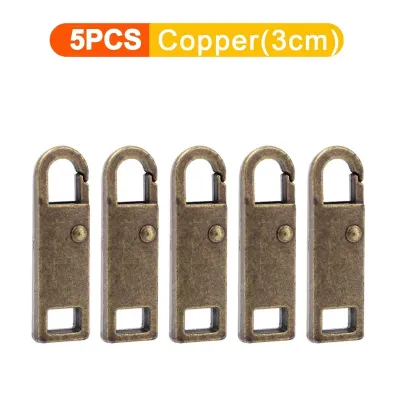
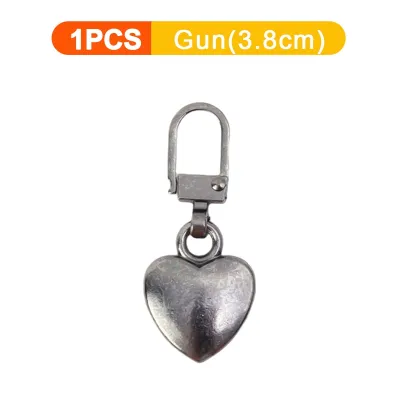
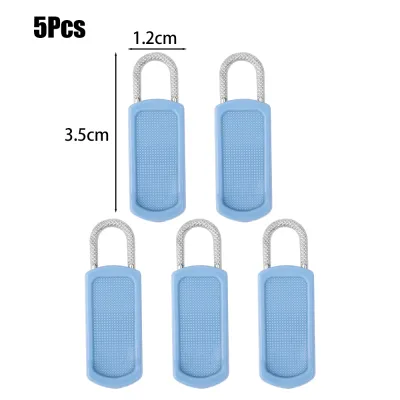
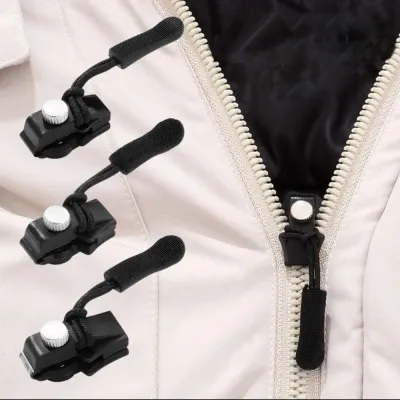
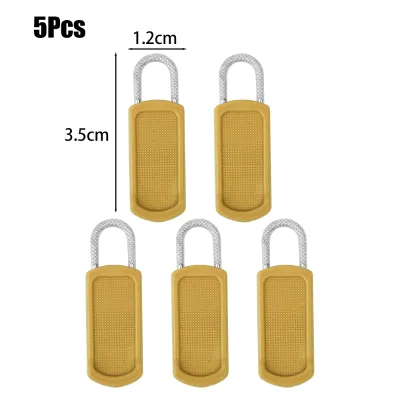
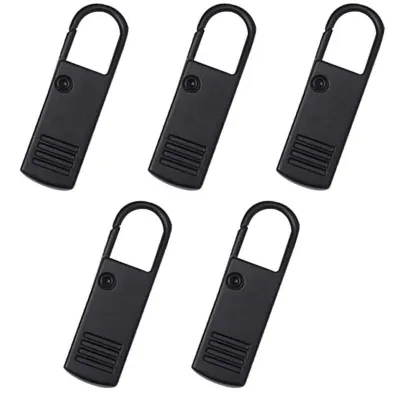
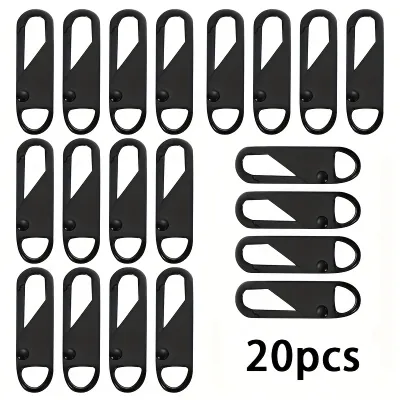
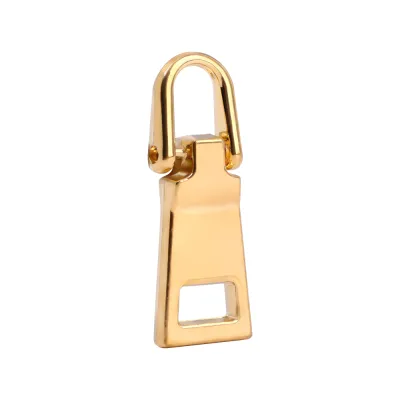
Prices are valid at publication and may change. Please refer to the product page for the latest price.
However, if you notice missing, cracked, or melted teeth along the track, a simple slider swap will not resolve the issue. Missing teeth create a gap where the slider will snag or derail, compromising the security of your bag. Similarly, if the fabric tape stitched into the luggage seam is torn, frayed, or separating from the suitcase body, the structural integrity of the zipper is lost. In these scenarios, a complete zipper tape and teeth replacement is necessary to ensure the bag can withstand the pressures of travel.
Before attempting any do-it-yourself repairs, check your luggage manufacturer’s warranty and repair policies. Many premium luggage brands offer lifetime warranties that cover zipper failures, providing free repairs or replacements through authorized service centers. Attempting to repair the zipper yourself, especially if it involves cutting the fabric or sewing new components, may void these warranties. If your bag is still covered, utilizing the official repair channel is often the safest and most reliable option.
Key Specifications to Measure Before Buying
To ensure your replacement zipper fits seamlessly into your luggage, you must obtain precise measurements of the existing hardware. Ordering parts based on guesswork often leads to incompatible components that cannot be installed. Taking a few minutes to measure the key dimensions will save you time and prevent the frustration of dealing with ill-fitting parts.

First, distinguish between the total tape length and the functional teeth length of the zipper. The functional length is the actual opening distance, measured from the top stop to the bottom stop where the slider travels. The total tape length includes the extra fabric extensions at both ends that are sewn into the seams of the luggage to secure the zipper. When purchasing a pre-cut, finished zipper, always measure the functional length of your current zipper and ensure the replacement has sufficient extra tape at the ends for sewing.
Next, determine the zipper gauge, which represents the size of the zipper teeth. Zipper sizes are standardized numerically, with larger numbers indicating wider and stronger teeth. For luggage, the most common sizes are #5, #8, and #10. To find your zipper’s gauge, use a ruler or a digital caliper to measure the width of the interlocked teeth in millimeters when the zipper is closed. A measurement of approximately 5 millimeters corresponds to a #5 zipper, while 8 millimeters indicates a #8 zipper, and 10 millimeters indicates a #10 zipper.
Finally, decide whether your repair requires a continuous zipper chain or a closed-end zipper. Continuous zipper chains, often sold by the yard or meter, are highly practical for large suitcases because they allow you to cut the exact length you need and install custom sliders. This is particularly useful for main compartments that require a double-slider configuration, where two sliders meet in the middle. Closed-end zippers, which have permanent metal or plastic stops at both ends, are better suited for smaller accessory pockets where the zipper track does not need to separate completely.
Matching Zipper Types to Luggage Materials and Use
Different styles of luggage require specific zipper types to handle the unique stresses of travel. Matching the replacement zipper material to your bag’s construction is essential for maintaining its shape, flexibility, and overall durability. The three primary zipper types used in luggage manufacturing are nylon coil, molded plastic, and metal.
Nylon coil zippers are the most widely used option for soft-sided suitcases, duffel bags, and expandable compartments. These zippers are constructed from a continuous polyester or nylon monofilament coiled into a spiral and stitched onto the fabric tape. Their main advantage is exceptional flexibility, which allows them to bend smoothly around the tight corners of a suitcase without binding or snagging. Nylon coil zippers also feature “self-healing” properties; if the teeth become misaligned or split open under pressure, simply pulling the slider back over the split area can often realign the coils and restore the track.
Molded plastic zippers, frequently referred to as Vislon zippers, consist of individual polyacetal plastic teeth molded directly onto the zipper tape. These zippers are highly rigid and offer excellent resistance to water, dust, and sand, making them ideal for hard-shell suitcases, heavy-duty duffel bags, and outdoor gear. While they lack the flexibility of nylon coils and cannot bend easily around sharp corners, their robust, individual teeth provide a secure lock that resists shifting under heavy loads.
Metal zippers, crafted from brass, aluminum, or nickel-plated metals, are typically found on premium leather luggage, vintage suitcases, and heavy canvas travel bags. They offer a classic, high-end aesthetic and outstanding long-term durability against wear and tear. However, metal zippers are significantly heavier than synthetic alternatives and can feel stiff or rough to operate. They also carry a risk of corrosion if exposed to humid environments or salt air, meaning they require occasional maintenance, such as applying a light coat of zipper wax or paraffin to keep them sliding smoothly.
When selecting a replacement, always try to match the original zipper type of your luggage. Installing a rigid molded plastic zipper on a flexible, expandable soft-shell bag can distort the fabric and make the bag difficult to close. Conversely, using a lightweight nylon coil zipper on a heavy, structured hard-shell case may result in the zipper bursting open when the bag is packed to capacity.
Selecting the Right Slider and Pull Tab
The zipper slider is the mechanical component that opens and closes the track, and its compatibility with your zipper tape is absolute. A common mistake is assuming any slider of the correct gauge size will work on any zipper track. In reality, the internal channels of a slider are shaped specifically to match the profile of the teeth they are designed to join.
You must match the slider body to both the zipper type and the exact gauge size. For example, a slider designed for a #5 metal zipper will not function on a #5 nylon coil zipper, as the metal teeth require a different channel shape than the rounded coils. When sourcing a replacement slider, look at the back of your old slider body, where manufacturers often stamp a code indicating the size and type, such as “5CN” for a #5 coil zipper or “8VS” for a #8 molded plastic zipper.
Security is another critical factor when choosing a slider for travel gear. Locking sliders, such as auto-lock or pin-lock varieties, feature an internal mechanism that prevents the slider from moving unless force is applied directly to the pull tab. This prevents the zipper from sliding open accidentally when the bag is packed tightly. For the main compartments of your luggage, look for sliders designed with integrated lock loops, which allow you to slide two pull tabs together and secure them with a TSA-approved padlock.
The pull tab is the part of the zipper you interact with most, so it must be durable and easy to grip. Cast metal pull tabs offer the greatest strength, while heavy-duty molded plastic tabs provide a lightweight, weather-resistant alternative. For travel bags used in cold climates or rugged environments, attaching a paracord loop or a textured plastic pull extension to the slider can make it much easier to operate while wearing gloves or when your hands are wet.
Sourcing Quality Zippers and Haberdashery Supplies
Finding reliable replacement zippers and hardware requires careful attention to product specifications, whether you are shopping at physical haberdashery shops in Singapore or browsing online marketplaces. Because luggage zippers must withstand far more stress than everyday clothing, you must avoid standard apparel zippers and look for heavy-duty alternatives.
When evaluating replacement zippers, read the product labels and descriptions carefully to verify the material composition, gauge size, and end-stop types. Look for terms like “heavy-duty,” “upholstery-grade,” “marine-grade,” or “luggage-specific.” These ratings indicate that the zipper tape is made from a thicker, more tightly woven polyester and that the teeth are designed to resist high lateral tension and burst forces.
For home repairs, purchasing a comprehensive zipper repair kit is often highly practical. These kits typically contain an assortment of common slider sizes, top and bottom stops, and sometimes a specialized tool like zipper installation pliers. Having a variety of sizes on hand is incredibly useful, especially if your measurements are slightly off or if you need to repair multiple bags with different zipper configurations. If you only need a single, specific component, sourcing individual parts from dedicated haberdashery suppliers allows you to match the exact color, finish, and style of your luggage’s original hardware.
If you prefer to inspect the materials in person before buying, visiting local sewing and craft shops in Singapore is an excellent option. Specialized haberdashery stores, particularly those located in historic textile districts like Chinatown or in dedicated craft plazas, carry a wide selection of heavy-duty zippers, continuous zipper chains, and replacement sliders. Bringing your broken slider or a small section of the damaged zipper track to the store allows the staff to help you verify the gauge and type, ensuring you purchase the correct parts for a successful repair.
Frequently Asked Questions (FAQ)
Can I use a standard clothing zipper for my luggage?
No, you should not use a standard clothing zipper for luggage repairs. Apparel zippers, which are typically size #3 or #4, are designed for lightweight garments like dresses, skirts, and light jackets. They lack the tensile strength, tooth depth, and burst resistance required to hold a packed suitcase together under pressure. Luggage zippers are subjected to extreme forces during transit, including rough handling by airport baggage systems and the internal pressure of packed items. Using a lightweight clothing zipper will likely result in the track splitting open or the fabric tape tearing along the seam, risking the loss of your belongings. Always choose a heavy-duty zipper, preferably size #5, #8, or #10, designed specifically for luggage, upholstery, or outdoor gear.
How do I fix a luggage zipper that splits open after zipping?
A luggage zipper that splits open behind the slider usually indicates that the slider body has become worn, bent, or stretched open, rather than a problem with the zipper teeth. Over time, the constant pressure of closing a full bag can cause the metal walls of the slider to widen by a fraction of a millimeter. When this happens, the slider can no longer press the teeth together tightly enough to lock them. You can attempt a temporary fix by using a pair of pliers to gently squeeze the sides of the slider body back into their original shape. However, for a reliable and permanent solution, you should replace the slider with a new one of the exact same gauge and type. If the zipper teeth are missing, cracked, or severely misaligned, squeezing the slider will not work, and you will need to replace the entire zipper track.

Community discussion
Share your experience or ask a question. Comments are reviewed before publication.