
Linen cloth fabric is a durable, highly breathable textile woven from the natural fibers of the flax plant. Prized for its distinct textured weave, natural luster, and exceptional moisture-wicking capabilities, this classic material is a staple of both garment making and home utility crafts. For sewing enthusiasts, understanding how linen behaves under the needle—from its tendency to fray to its characteristic structural drape—is essential for selecting the right fabric weight and achieving a professional finish. By evaluating its physical properties and learning proper handling techniques, you can confidently integrate this versatile textile into your next creative project.
Understanding Linen Cloth Fabric and Its Origins
Linen cloth fabric begins its journey in temperate fields where flax is cultivated. The long, strong fibers extracted from the stalks of the flax plant are spun into yarn and woven into a variety of weights, ranging from sheer handkerchief weights to heavy, dense canvas. Pure linen is celebrated for its high tensile strength, which actually increases when wet, making it one of the most durable natural fibers available for sewing. Its characteristic slubs—small, irregular lumps in the yarn—give the finished cloth its iconic, organic texture and rustic visual appeal.
While pure linen offers unmatched breathability and a classic crispness, modern textile manufacturing frequently blends flax with other fibers to alter its performance. Cotton-linen blends, for example, combine the breathability of flax with the softness and moderate wrinkle resistance of cotton, making the fabric easier to iron. Viscose-linen or rayon-linen blends introduce a fluid, heavy drape and a silkier hand-feel, which significantly reduces the stiff, structured quality of pure flax. Polyester-linen blends are also common, designed to enhance durability and minimize shrinkage, though they sacrifice some of the natural cooling properties of pure linen.
Products mentioned in this guide
![[Expert Recommended] Ethnic Floral Printed Cotton And Linen Cloth Fabrics For Tablecloth Curtains Apparel Handwork Craft Patckwork Tissues Tela](https://img.lazcdn.com/g/p/b8c83e829113fa3f3447fb0bdbac994a.jpg_400x400q80.jpg_.webp)
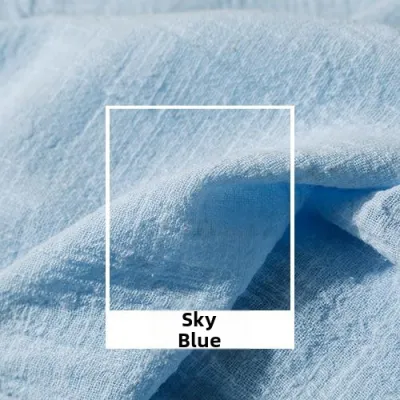
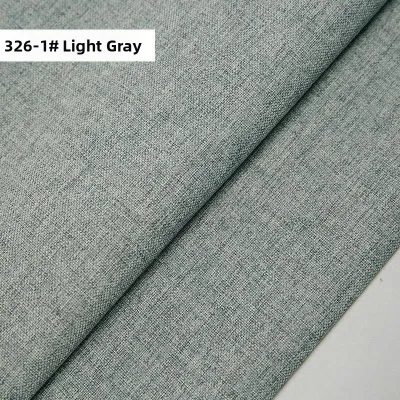
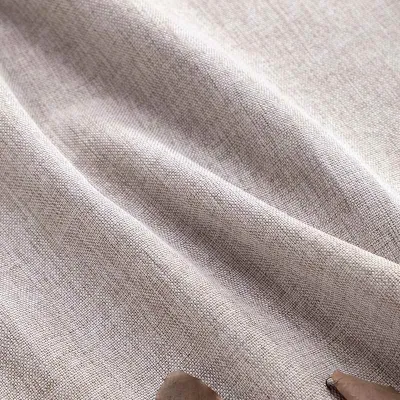
Prices are valid at publication and may change. Please refer to the product page for the latest price.
To ensure your sewing project behaves as expected, always verify the exact fiber composition before purchasing. Relying solely on the tactile feel of the fabric can be misleading, as starch-based factory finishes can make synthetic blends feel deceptively like pure linen. Check the manufacturer’s bolt end, product tag, or online specification sheet for the precise fiber percentages. If you are working with unlabeled vintage or deadstock fabric, a simple burn test can help verify the content: pure linen burns slowly with a yellow flame, smells like burning paper, and leaves a light, crumbly grey ash, whereas synthetic blends will melt, produce chemical odors, or leave hard, plastic-like beads.
Key Physical Properties for Sewing and Crafting
The drape, weight, and texture of linen cloth fabric vary widely depending on how the fibers are processed and woven. Lightweight linens are sheer and fluid, making them excellent for delicate layering, while medium-weight varieties offer a balanced, slightly structured drape that softens beautifully with wear and washing. Heavyweight linens, such as linen canvas or ticking, possess a stiff, highly structured texture suitable for projects requiring structural integrity. Understanding these variations allows you to match the fabric’s natural body to the silhouette of your pattern.

One of the most defining characteristics of linen is its natural tendency to wrinkle. Flax fibers contain a high amount of pectin, which gives the yarn its stiffness; when the fabric is folded or compressed, these stiff fibers crease easily rather than flexing. While some crafters embrace this relaxed, lived-in aesthetic as a hallmark of high-quality natural linen, others prefer a pristine, smooth finish. If your project requires a crisp, unwrinkled appearance, you must factor in the constant maintenance of ironing or opt for a linen blend that mitigates creasing.
Shrinkage is another critical factor that every sewist must anticipate before cutting into linen cloth fabric. Because flax fibers relax significantly when exposed to water and heat, pure linen can shrink by up to ten percent or more during its first wash. Failing to account for this dimensional change can ruin the fit of a tailored garment or distort the proportions of home decor items. Always consult the manufacturer’s care specifications for shrinkage estimates, and establish a consistent pre-washing routine to stabilize the fabric’s dimensions before laying out your pattern pieces.
Additionally, the loose, breathable weave of linen makes it highly prone to fraying along cut edges. During handling and stitching, the individual warp and weft threads can easily slip out of alignment, a phenomenon known as seam slippage. This structural characteristic requires careful handling during the construction process, as raw edges left unfinished will quickly disintegrate in the wash. Planning for robust seam finishes, such as French seams, flat-felled seams, or overlocked edges, is essential to secure the loose weave and ensure the longevity of your sewn items.
Matching Linen to Your Sewing and Crafting Projects
Matching the unique properties of linen cloth fabric to the right project is the key to sewing success. Linen is exceptionally well-suited for warm-weather apparel, such as loose-fitting trousers, button-down shirts, summer dresses, and relaxed tunics, where its breathability and moisture absorption can be fully appreciated. In home decor, medium-to-heavyweight linens excel as structured tablecloths, durable napkins, breathable bedding, and rustic window curtains that filter light beautifully. It is also an excellent choice for lightweight utility crafts, including reusable market bags, delicate embroidery samplers, and kitchen tea towels.
Conversely, linen is less suitable for projects that demand high elasticity, form-fitting silhouettes, or heavy, fluid draping. Because pure woven linen has virtually no natural stretch, using it for patterns designed for knit fabrics or tight, contoured garments will result in a restrictive, uncomfortable fit and put excessive stress on the seams. Projects that require a perfectly smooth, zero-wrinkle presentation—such as formal evening wear or highly tailored business suits—are also poor matches for pure linen, as the fabric will inevitably crease within minutes of wear.
To guide your material selection, utilize a simple decision framework based on your project’s functional requirements. First, assess whether the item needs to stretch or hold a precise, unyielding shape; if stretch is required, eliminate pure linen from your options. Second, consider the care demands and environment of the finished piece, evaluating whether you are willing to iron the item regularly or embrace its natural wrinkles. Finally, match the weight of the linen to the structural needs of the project, opting for lightweight blends for fluid garments and heavy, pure weaves for utilitarian home goods.
Essential Preparation, Sewing, and Care Steps
Successful linen projects begin long before you sit down at the sewing machine. Pre-washing and drying your fabric using the exact temperature and cycle settings you plan to use for the finished item is non-negotiable. This process not only triggers the initial shrinkage but also washes away temporary factory starches and sizing agents, revealing the fabric’s true drape and softness. Once dry, press the fabric thoroughly with a hot steam iron to remove all wrinkles, ensuring the grainline is perfectly straight before you pin and cut your pattern pieces.
When cutting and pinning linen, take extra care to prevent the loose weave from shifting out of alignment. Use sharp, fine pins or pattern weights to secure your pattern pieces, and cut with freshly sharpened shears or a rotary cutter to minimize fraying along the raw edges. To combat seam slippage, consider applying a thin strip of fusible interfacing to high-stress areas, such as necklines, armholes, and pocket openings. Finish all raw edges immediately after sewing each seam, utilizing clean techniques like serging, zigzag stitching, or binding to lock the loose fibers in place.
Selecting the correct sewing machine needle and thread is vital for maintaining clean, puckering-free stitches. For lightweight to medium-weight linens, a standard universal needle in size 70/10 or 80/12 paired with high-quality all-purpose polyester or cotton thread works beautifully. For heavier linen canvas, upgrade to a size 90/14 or 100/16 needle to easily pierce the dense fibers without skipping stitches. Adjust your stitch length to a moderate 2.5mm to 3.0mm; stitches that are too short can weaken the fabric fibers, while stitches that are too long may not adequately secure the loose weave.
Maintaining your finished linen creations requires adhering strictly to the fabric’s care label. While pure linen is incredibly durable and machine washable, washing it in cool or lukewarm water on a gentle cycle helps preserve the integrity of the fibers and prevents premature wear. Tumble dry on low heat or line dry to minimize deep, stubborn creases, and remove the items while they are still slightly damp to make ironing significantly easier. Store your linen items in a cool, dry place, avoiding plastic storage bins which can trap moisture and lead to mildew on natural fibers.
Frequently Asked Questions (FAQ)
Does linen fabric stretch when sewn?
Woven linen cloth fabric does not possess natural elasticity because flax fibers are inherently rigid and lack crimp. While the fabric may yield slightly along the bias (the diagonal direction of the weave), it will not stretch or recover like knit fabrics or synthetic stretch blends. When selecting patterns for pure linen, choose designs that feature relaxed, loose, or semi-fitted silhouettes that do not rely on fabric stretch for comfort and movement. If a pattern specifies a stretch percentage or is designed for knits, avoid using pure linen to prevent seam failure and restricted movement.
How can I soften stiff linen cloth fabric before sewing?
New linen often arrives with a stiff hand-feel due to natural flax pectin and factory sizing agents. You can safely soften the fabric before sewing by pre-washing it multiple times with a mild detergent, as repeated exposure to water and agitation naturally breaks down the stiff fibers. Adding a cup of white vinegar to the rinse cycle acts as a natural fabric softener without leaving chemical residues that can damage natural fibers. For mechanical softening, tumble drying the fabric with clean tennis balls or dryer balls helps loosen the weave, but always verify the manufacturer’s care instructions first to avoid heat damage.

Community discussion
Share your experience or ask a question. Comments are reviewed before publication.