
Liberty fabric represents one of the most celebrated names in textile history, renowned for its vibrant prints, rich heritage, and exceptional material quality. At the heart of this reputation is Tana Lawn cotton, a bespoke fabric that behaves like silk while offering the easy care and breathability of cotton. For sewing enthusiasts, crafters, and dressmakers, choosing this material is an investment in both aesthetic beauty and structural longevity. Understanding what sets this fabric apart helps you decide if it is the right match for your next creative project. This guide will walk you through the brand’s design heritage, the physical characteristics of Tana Lawn, how to verify authentic material, and the best practices for sewing and caring for this premium textile.
Understanding Liberty Fabric and Its Design Heritage
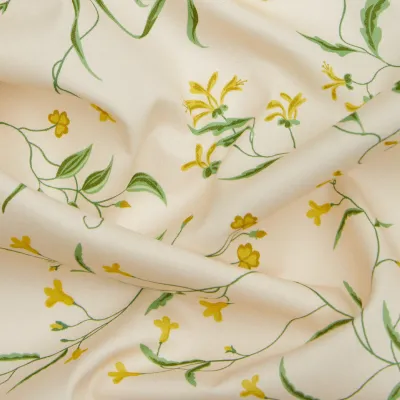
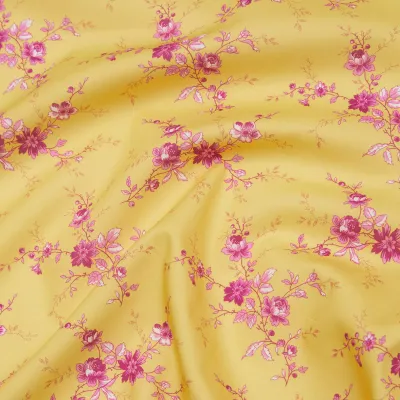
The story of Liberty fabric began in the late nineteenth century on Regent Street in London, where the brand’s founder established a department store that quickly became synonymous with the Avant-Garde Art Nouveau movement. Over the decades, the brand developed its own textile printing arm, creating intricate, highly detailed patterns that are instantly recognizable today. These designs frequently feature dense, delicate florals, whimsical botanical illustrations, and elaborate paisley motifs. Each print is carefully curated, often drawing from an extensive historical archive that spans over a century of artistic evolution, ensuring that every pattern carries a sense of narrative and history.
This rich heritage directly shapes the brand’s modern releases, which are divided into classic collections that remain in print for years and highly anticipated seasonal collections that reflect contemporary design trends. The brand frequently collaborates with modern artists, illustrators, and designers to bring fresh perspectives to their textile lines while maintaining their signature aesthetic. Because of the meticulous design process, which involves hand-drawn elements and complex color separation, the fabric commands a premium price in the global textile market. Genuine designs are characterized by an extraordinary depth of color and a level of detail that generic printed cottons simply cannot replicate. The color palettes are carefully balanced, ensuring that even the most complex, multi-colored patterns look harmonious and sophisticated on the drape.
Products mentioned in this guide
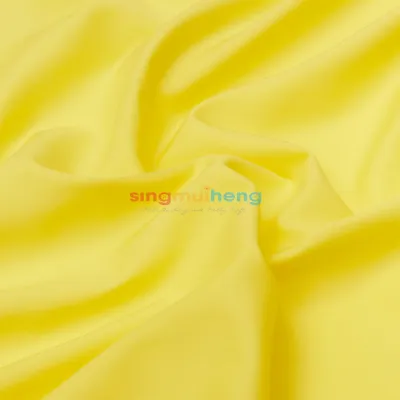
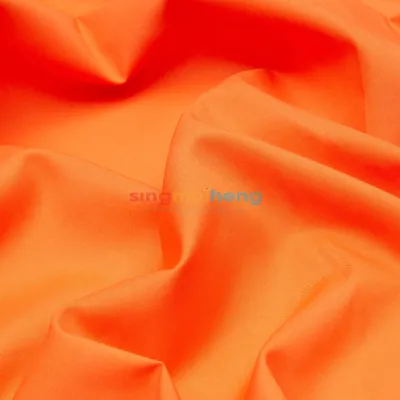
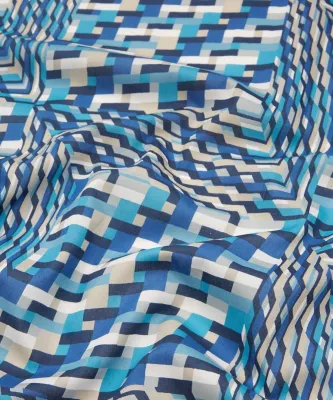
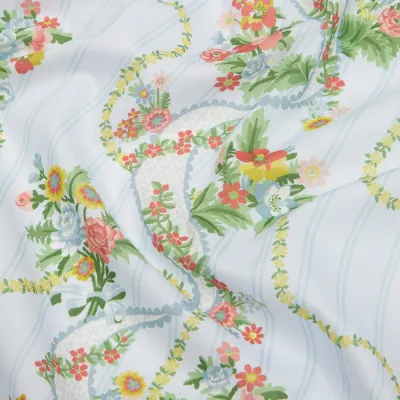
Prices are valid at publication and may change. Please refer to the product page for the latest price.
Identifying the Unique Qualities of Tana Lawn Cotton
The name “Tana Lawn” originates from Lake Tana in East Africa, where the ultra-fine, long-staple cotton fibers used to weave the original fabric were sourced. Today, the term represents a specific, proprietary manufacturing process that yields an exceptionally fine, high-thread-count plain weave fabric. When you handle a piece of genuine Tana Lawn, the first thing you notice is its remarkable hand feel. It is incredibly smooth, soft, and cool to the touch, closely mimicking the luxurious texture of silk while retaining the practical, breathable, and hypoallergenic qualities of pure cotton.

Unlike standard quilting cottons, which tend to be heavier, stiffer, and more structured, Tana Lawn possesses a fluid, elegant drape. It flows gently without clinging, making it an exceptional choice for apparel. The fabric is also highly breathable, which is particularly advantageous for warm, humid climates like Singapore, where lightweight and airy clothing is essential for daily comfort. Despite its delicate feel and lightweight nature, the tight weave of long-staple fibers ensures that the fabric is surprisingly durable, resisting fraying and maintaining its structural integrity through years of wear and washing.
However, because of its lightweight and slightly translucent quality, especially in lighter colorways, Tana Lawn has certain limitations. It is not suitable for projects that require heavy-duty structure, such as upholstery, structured outerwear, or heavy bags, unless it is heavily reinforced with interfacing. Instead, it shines brightest in lightweight garments like blouses, button-down shirts, summer dresses, and children’s heirloom clothing. It is also highly favored for delicate accessories, such as pocket squares, hair bows, and lightweight linings, where its soft drape and vibrant prints can be fully appreciated without requiring heavy structural support.
How to Select and Verify Authentic Liberty Fabric
Given the premium nature of the material, learning how to verify the authenticity of your purchase is essential to avoid counterfeit or misrepresented goods. The most reliable physical indicator of genuine fabric is the selvedge marking. Authentic Tana Lawn features clear, crisp text printed along the edge of the fabric, typically including the brand name, the specific design title, and often a colorway code. The print quality on the selvedge should be sharp and perfectly aligned, matching the high standards of the main pattern. Additionally, genuine Tana Lawn is typically manufactured in a standard width of approximately 136 centimetres, which is a useful specification to verify when purchasing.
Another key physical characteristic is the ink penetration. Because of the advanced printing techniques used by the manufacturer, the vibrant dyes penetrate deeply into the fine cotton fibers. When you look at the reverse side of the fabric, the design should still be clearly visible and colorful, rather than looking faded, white, or blurry as is common with cheaper, single-sided digital prints. The texture itself is also a giveaway; counterfeit versions often feel stiff, starchy, or overly synthetic, lacking the signature silk-like softness of genuine long-staple cotton.
To ensure you are buying the real deal, always source your material from authorized retailers, reputable local fabric shops, or established online merchants with a proven track record in the sewing community. Be cautious of listings on generic online marketplaces that offer these premium fabrics at unusually low prices, such as a fraction of the typical retail cost of S$40 to S$60 per metre. If a listing uses ambiguous terms like “Liberty-style,” “Liberty-type,” or “inspired by Liberty” without explicitly stating the brand name and fabric line, it is highly likely to be an imitation.
Sewing Preparation and Care Guidelines for Tana Lawn
Working with Tana Lawn is a joy for many sewists, but its fine, smooth texture requires a few specific adjustments to achieve professional results. Before cutting into your fabric, it is highly recommended to pre-wash the material. While high-quality long-staple cotton experiences minimal shrinkage compared to cheaper utility cottons, pre-washing helps to stabilize the weave and wash out any residual manufacturing finishes. Always refer to the manufacturer’s care label, but a gentle machine wash in cool or warm water with a mild detergent is generally safe and effective.
When preparing to stitch, selecting the correct tools is critical to prevent damaging the delicate fibers. Because the weave is so dense and fine, standard sewing needles can snag the fabric or leave visible holes. Opt for a fine, sharp needle, such as a size 60/8 or 70/10 Microtex or Universal needle. Pair this with a high-quality, fine sewing thread, such as a 50-weight or 60-weight polyester or cotton thread, which will blend seamlessly into the seams without adding unnecessary bulk.
During the sewing process, handle the fabric gently to prevent shifting. Using fine, sharp dressmaking pins or fabric clips will help hold your pieces securely without leaving permanent marks. For seam finishes, French seams are highly recommended; they enclose the raw edges beautifully, matching the delicate and high-end feel of the fabric while preventing fraying on the inside of the garment. When pressing your seams, use a clean iron on a medium cotton setting. Tana Lawn presses beautifully, holding crisp creases for collars, cuffs, and pleats, but using a pressing cloth can provide an extra layer of protection for highly saturated prints. To maintain the vibrancy of the colors over time, line dry your finished garments inside out and away from direct sunlight.
Frequently Asked Questions (FAQ)
Is Tana Lawn cotton suitable for quilting? (FAQ)
Yes, Tana Lawn can be used for quilting, though it behaves differently than traditional quilting cottons. Because it is much lighter and silkier, mixing it directly with heavier quilting cottons in the same patchwork block can cause tension issues and uneven wear over time. If you choose to use it in a quilt, consider using it for the entire quilt top to ensure a consistent weight and drape. Additionally, applying a lightweight, fusible woven interfacing to the back of the fabric pieces can provide the extra stability needed to match the structure of standard quilting cottons, making it easier to piece and quilt.
Why is Liberty fabric more expensive than standard printed cottons? (FAQ)
The premium price of Liberty fabric reflects the exceptional quality of its raw materials, its proprietary manufacturing processes, and its rich design heritage. The fabric is woven from ultra-fine, long-staple cotton fibers that are more expensive to source and spin than standard cotton. Furthermore, the intricate printing process involves highly precise color separation and bespoke dye formulations to achieve unmatched color saturation and detail. For sewists on a budget, you can maximize the value of this fabric by using it strategically for accent details, such as collar linings, cuffs, pocket details, or small accessories like hair bands and coin purses, rather than full garments.

Community discussion
Share your experience or ask a question. Comments are reviewed before publication.