
Selecting the right leather material for a sewing project requires balancing aesthetics, structural behavior, and machine compatibility. Unlike woven fabrics, leather does not have a warp and weft; instead, its physical properties depend on whether it is harvested from animal hides or manufactured from synthetic polymers. Understanding these differences prevents skipped stitches, broken needles, and ruined materials.
By evaluating the structural characteristics of genuine hides, synthetic alternatives, and reconstituted options, you can choose a material that aligns with your sewing machine’s capabilities and your project’s functional demands. This guide provides a practical framework for identifying these materials, understanding their physical behavior under the needle, and verifying specifications before making a purchase.
Understanding the Main Types of Leather for Sewing
Genuine leather is categorized by how the animal hide is split and finished. Full grain leather represents the outermost layer of the hide, retaining the natural grain and all its unique surface markings. Because it is not sanded or buffed, it remains highly durable and develops a natural patina over time, though its irregular surface requires careful pattern placement. Top grain leather is slightly altered; the very top surface is sanded to remove imperfections, resulting in a more uniform texture that is easier to work with but slightly less durable than full grain. Split leather is created from the lower layers of the hide after the top grain is removed. It is often buffed into suede or embossed with a synthetic grain pattern, offering a pliable texture suitable for soft accessories.
Products mentioned in this guide
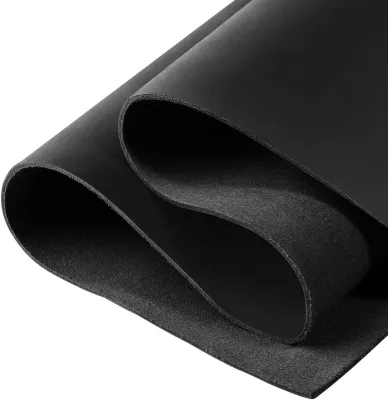
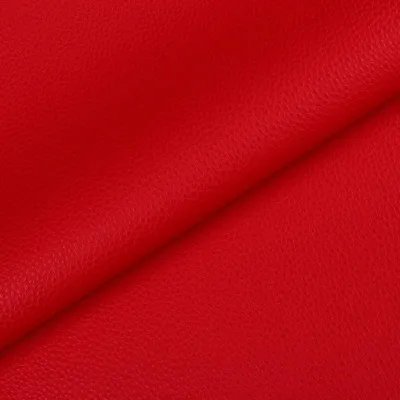
Prices are valid at publication and may change. Please refer to the product page for the latest price.
Synthetic leather materials, commonly referred to as faux leather, are manufactured to mimic the appearance of genuine hides without using animal products. Polyurethane (PU) leather features a plastic coating applied to a fabric backing, such as polyester or cotton. It is highly flexible, relatively breathable, and drapes well, making it a popular choice for apparel and lightweight bags. Polyvinyl chloride (PVC) leather is a stiffer synthetic option with a denser plastic coating. While PVC is highly water-resistant and easy to clean, its rigidity makes it more challenging to sew on domestic machines.
Bonded leather is a reconstituted material made by shredding genuine leather scraps and bonding them together with polyurethane or latex binders onto a fiber backing. While it is often marketed as containing real leather, its structural integrity is significantly lower than that of genuine hides. It tends to be uniform in thickness and texture, but it is prone to cracking and peeling along seam lines when subjected to repeated flexing or tension.
To verify the material type before starting your project, inspect the backing and the cut edges. Genuine leather features a fibrous, suede-like backing and a solid, non-layered cut edge. Synthetics typically reveal a woven, knit, or fuzzy microfiber backing, and their cut edges often show distinct layers where the plastic coating meets the fabric base. Additionally, genuine leather has a distinct, earthy scent, whereas synthetic options generally carry a mild chemical or plastic odor.
Key Differences That Affect Sewing and Crafting
The thickness and stiffness of your chosen leather material directly dictate the tools and techniques required for your project. Leather thickness is commonly measured in millimeters or ounces, where one ounce equals approximately 0.4 millimeters. Stiff, thick materials require heavy-duty sewing machine needles, specifically wedge-pointed leather needles (sizes 90/14 to 110/18), which cut a tiny slit in the material to allow the thread to pass through. Standard sharp or universal needles will struggle to penetrate dense layers, leading to needle breakage or motor strain. You must also increase your machine’s thread tension and use heavy-duty polyester or nylon thread to secure the seams properly.

Edge handling and drape vary significantly between natural and synthetic options. Genuine leather does not fray, but its raw edges can look unfinished. To achieve a professional look, you must burnish the edges with a slicking tool, apply specialized edge paint, or skive (shave down) the seam allowances to reduce bulk. Synthetics also resist fraying and cut cleanly, but their fabric backing may remain visible along raw edges, often requiring you to hem, bind, or fold the edges inward. Furthermore, genuine leather possesses a natural stretch that is more pronounced across the hide than along the spine, whereas synthetic materials offer uniform stretch and stability determined entirely by their knit or woven backing.
Unlike woven fabrics, where fibers shift to accommodate a needle, leather suffers permanent damage from every puncture. Standard sewing pins will leave irreversible holes in your material. To temporarily secure your pattern pieces before stitching, you must use alternative tools such as plastic sewing clips, double-sided basting tape, or temporary leather-safe adhesives. When using adhesives or sharp cutting tools like rotary cutters, always work on a self-healing cutting mat and ensure your workspace is well-ventilated to maintain a safe crafting environment.
Surface friction can also complicate the feeding process during machine sewing. Smooth or tacky coatings on PU leather and finished genuine hides often stick to the bottom of a standard metal presser foot, causing the machine to stretch the material or skip stitches. To ensure smooth feeding, replace your standard foot with a non-stick Teflon foot, a roller foot, or a walking foot. These auxiliary tools prevent friction and allow the feed dogs to move the leather evenly through the machine.
Matching Leather Types to Your Sewing Projects
For heavy-duty and high-wear projects like tote bags, backpacks, and belts, structural integrity is paramount. Full grain or thick top grain leather ranging from 1.6 to 2.4 millimeters (4 to 6 ounces) provides the necessary strength to support heavy loads and resist abrasion. If you prefer synthetic alternatives, look for heavy-duty upholstery-grade PU or PVC with a thick, stable backing. Before committing to a heavy-duty project, verify that your sewing machine can handle the combined thickness of multiple layers at seam intersections.
Lightweight and apparel projects, such as jackets, skirts, and soft pouches, require materials with excellent drape and softness. Thin lambskin, goatskin, or lightweight PU leather ranging from 0.6 to 1.0 millimeter (1.5 to 2.5 ounces) allows the finished garment to conform comfortably to the body’s movements. These thinner materials are also much easier to gather, pleat, or ease into sleeves using standard sewing techniques, though you must still monitor your thread tension to prevent puckering.
Small crafts and accessories like wallets, keychains, and cardholders benefit from medium-weight materials that offer excellent shape retention. Split leather, firm top grain, or medium-weight synthetic leather (1.0 to 1.4 millimeters) works well for these items because they hold their shape without collapsing. Because these projects often feature exposed edges, select a material that responds well to edge-finishing techniques, such as burnishing for genuine leather or neat folding for synthetics.
Budget and ethical considerations also play a significant role in material selection. Synthetic leather is generally more cost-effective, typically ranging from S$10 to S$30 per meter on online marketplaces, and its uniform rectangular rolls result in minimal cutting waste. Genuine leather is sold by the hide, which features irregular shapes, natural blemishes, and varying thickness, leading to higher waste factors and a higher overall cost. Always check product labels and manufacturer specifications to confirm the exact material composition and ensure it aligns with your budget and project goals.
How to Verify Leather Quality and Specifications Before Buying
Interpreting product labels accurately is essential to avoiding purchasing errors. Terms like “100% Genuine Leather” can sometimes be misleading, as this label often refers to lower-grade split leather rather than high-quality top grain. Look for precise descriptions such as “Full Grain Cowhide” or “Polyurethane (PU) Faux Leather” to understand exactly what you are buying. If a label mentions “PU Coated Leather” or “Action Leather,” it indicates a split leather base with a synthetic top coat, which behaves differently than pure genuine hide or pure synthetic material.
Always check the specified thickness in millimeters or ounces and compare it against your sewing equipment’s capabilities. Most domestic sewing machines can comfortably handle soft materials up to 1.2 millimeters thick, but anything thicker may require an industrial machine or manual hand-stitching tools. If you are unsure, consult your sewing machine’s manual to verify its maximum clearance and motor capacity.
Whenever possible, request or purchase small material swatches before buying large quantities. Use these swatches to perform simple, observable tests. Bend the swatch to evaluate its crease recovery; high-quality genuine leather and resilient synthetics should recover without leaving deep, permanent cracks. Rub the backing to check if the fibers or fabric layers separate easily, which indicates poor bonding and potential durability issues during sewing.
Finally, review the manufacturer’s care and cleaning instructions. Genuine leather typically requires specialized leather conditioners and dry cleaning to maintain its oils and prevent drying out. Synthetics are generally easier to maintain, often requiring only a wipe down with a damp cloth, but they cannot tolerate high heat from an iron. Knowing these limitations beforehand ensures you do not accidentally damage your material during construction or subsequent care.
Frequently Asked Questions (FAQ)
Can I use a standard sewing machine for all types of leather?
A standard domestic sewing machine can handle lightweight synthetic leather and soft genuine leather up to approximately 1.0 millimeter in thickness. However, attempting to sew thick, dense natural hides or multiple layers of heavy-duty PU can strain the machine’s motor, bend the needle bar, or cause severe tension issues. Always check your sewing machine manual for maximum thickness limits before starting. To improve performance on a standard machine, use a specialized leather needle, high-quality polyester thread, and a walking foot or Teflon foot to ensure even feeding.
How do I prevent needle holes from showing if I make a mistake?
Because leather is a dense, non-woven material, needle punctures cut through the fibers or plastic coating permanently, leaving visible holes that do not self-heal. To prevent these permanent marks, never use standard sewing pins to hold your pieces together. Instead, temporarily secure your seams using plastic sewing clips, leather-safe double-sided basting tape, or temporary adhesives. Always perform a test run on scrap pieces of your exact leather material to finalize your stitch length, needle size, and thread tension before sewing the final project.

Community discussion
Share your experience or ask a question. Comments are reviewed before publication.