
When selecting a leather bound journal, the cover material often draws the most attention, but the inner paper dictates the actual writing experience. For writers, artists, and daily journalers in Singapore, finding the right paper quality means matching the journal’s stock to your specific pens, inks, and writing habits. Because paper performance is highly subjective and dependent on the writing instrument, there is no single “best” brand. Instead, this guide compares the typical paper profiles found across popular leather journal categories, helping you identify the ideal match for your preferred tools and establish reliable verification standards before you buy.
The interaction between ink and paper is a physical science. A journal that feels luxurious to the touch might feather excessively when met with a wet fountain pen, while a highly coated paper might cause gel ink to smear under Singapore’s humid climate. By understanding how paper weight, texture, and binding methods interact, you can make an informed decision that ensures your thoughts are preserved beautifully over time.
Setting the Baseline: What Defines Paper Quality in Leather Journals
To evaluate any leather bound journal, you must first understand the technical specifications that govern paper behavior. The most common metric is paper weight, measured in grams per square meter (GSM). Standard notebook paper ranges from 70 GSM to 120 GSM, while heavier mixed-media paper can exceed 150 GSM. Higher GSM provides greater opacity, reducing the likelihood of ink bleeding through or causing “ghosting,” where the shadow of your writing is visible on the reverse page.
Products mentioned in this guide
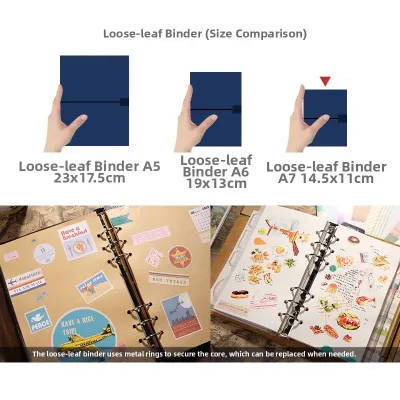
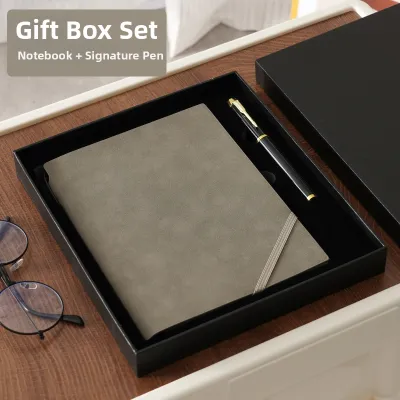
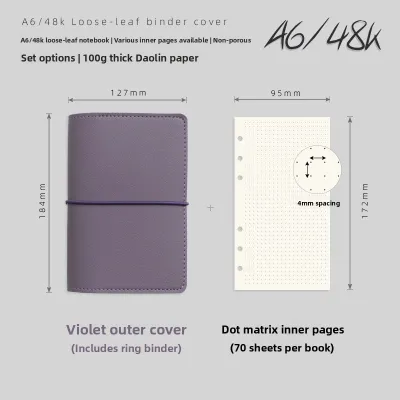

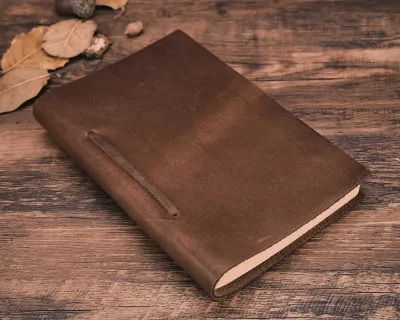
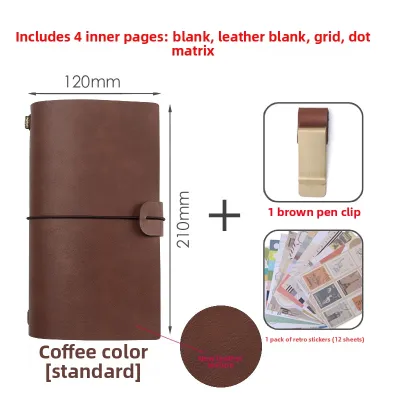
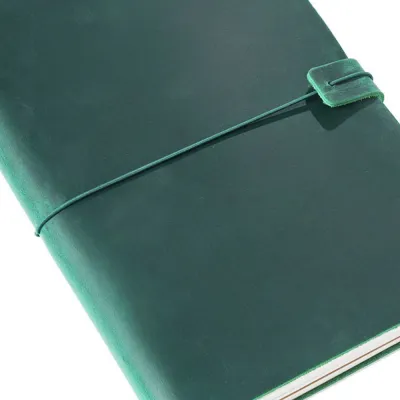
Prices are valid at publication and may change. Please refer to the product page for the latest price.
Beyond weight, the paper’s surface finish dictates how a pen behaves. Highly calendered papers are pressed between rollers to create an ultra-smooth surface. This finish minimizes friction, allowing pens to glide effortlessly, but it slows down ink absorption. Conversely, textured or “toothy” papers retain natural fiber variations, providing tactile feedback that grips the pen tip, which pencil and ballpoint users often prefer.
For journals intended to last, chemical composition is vital. Acid-free paper is processed to neutralize acids in wood pulp, preventing pages from yellowing or becoming brittle over time. Verifying that the paper is acid-free ensures your records remain legible and intact for decades.
Core Comparison Dimensions for Writing Experience
Evaluating a leather bound journal requires looking beyond specifications to assess real-world performance. For fountain pen enthusiasts, the primary concern is how the paper handles liquid ink. High-quality paper resists feathering—where ink spreads along fibers like a spiderweb—and bleed-through. It also preserves ink characteristics like shading (color gradations) and sheen (a metallic secondary color on dry ink).

For those using varied writing instruments, mixed-media tolerance is key. A versatile paper accommodates gel pens, fine-liners, ballpoints, and light watercolor washes without warping. While thin, coated paper excels with fine ballpoints, it buckles under water-based markers or paint, making heavier, absorbent stocks necessary for creative journaling.
Tactile feedback, or “tooth,” influences writing comfort. Some writers prefer a frictionless surface where the pen slides effortlessly, while others require slight resistance to maintain control. This preference dictates whether you should seek highly coated, modern papers or traditional, fibrous sheets.
Finally, physical construction affects how easily you write across the page. Lay-flat binding allows the journal to open completely flat on a desk. If a journal has a stiff, glued spine, writing near the gutter becomes difficult, ruining the experience regardless of paper quality.
Comparing Popular Leather Bound Journal Profiles
The market for leather bound journals in Singapore generally splits into two distinct categories: heritage artisan journals and modern commercial journals. Each category approaches paper manufacturing with different priorities, resulting in contrasting writing experiences. Understanding these profiles allows you to narrow down your choices based on your preferred writing tools rather than relying on brand names alone.
While artisan journals emphasize traditional aesthetics and tactile feedback, commercial journals focus on consistency, smooth writing surfaces, and rapid ink drying times. Both approaches have clear trade-offs, meaning the right choice depends entirely on your daily writing habits and the specific pens you use.
Heritage and Artisan Brand Profiles
Heritage and artisan leather journals often feature thick, hand-bound pages that evoke craftsmanship. The paper is typically heavier, ranging from 100 GSM to 150 GSM, with a textured, cream, or off-white finish. This texture provides tactile feedback, making each pen stroke feel deliberate and grounded.
These traditional papers are highly compatible with dry writing instruments, pencils, and certain fountain pens. However, because artisan paper is often less heavily coated, it can be more absorbent. This means high-flow fountain pens or wet calligraphic inks may experience slight feathering or broader line widths than intended.
When purchasing an artisan journal, inspect the product specifications closely. Because many are made in small batches or use handmade paper, slight variations in GSM, texture, and ink resistance can occur between production runs. Checking specifications or asking the maker about the paper’s sizing (the treatment controlling absorbency) helps avoid unexpected bleeding.
Modern and Commercial Brand Profiles
In contrast, modern and commercial leather bound journals utilize engineered, machine-made papers designed for consistency. These papers are calendered to a smooth finish, allowing gel pens, rollerballs, and ballpoints to glide with virtually no resistance. The paper chemistry is optimized to prevent bleed-through, even with thin sheets of 80 GSM to 100 GSM.
For everyday office use and quick note-taking, these commercial profiles offer reliable performance. The uniform surface ensures every page performs exactly like the last, and the paper is formulated to dry quickly, minimizing smudging as you turn the page.
However, fountain pen users may find limitations with heavily coated commercial papers. The smooth coating that prevents bleeding can cause liquid inks to pool on the surface rather than absorbing, leading to long drying times. This pooling can also mute the shading and sheen characteristics of specialty inks, resulting in a flatter appearance.
Pen and Ink Compatibility Checks
Because paper performance depends on your specific writing tools, performing a systematic compatibility check is the most reliable evaluation method. When you first receive a journal, locate an inconspicuous page at the back to use as a test sheet. Draw solid lines, crosshatches, and wet ink pools using your favorite pens to observe how the paper responds.
During this test, pay close attention to line crispness, drying time, and reverse-side behavior. Check if the ink lines remain sharp or if they spread into the paper fibers. Measure how many seconds it takes for the ink to dry completely to avoid accidental smearing. Finally, turn the page to inspect the back for ghosting or direct bleed-through.
In Singapore, high ambient humidity significantly influences ink behavior and drying times. Coated papers that dry quickly in arid climates can take much longer to dry in a humid environment, as moisture in the air slows down evaporation. If you frequently write on the go or in non-air-conditioned spaces, prioritizing slightly more absorbent paper or using a finer pen nib helps counteract this factor. Before purchasing, verify the manufacturer’s stated pen compatibility on the product label or official store listing.
Decision Framework: Choosing the Right Journal for Your Needs
To select the ideal leather bound journal, you must balance your writing style, preferred tools, and budget. If your writing routine centers around fountain pens, calligraphy, or expressive sketching, a heritage or artisan journal profile is often the most rewarding choice. These journals offer the tactile feedback and paper weight necessary to handle expressive strokes, though you may need to use drier inks or finer nibs to manage potential feathering. Expect to pay anywhere from S$40 to S$120 or more for genuine, hand-bound leather options in local specialty stationery shops.
If your priority is daily productivity, quick note-taking, and maximum portability, a modern commercial journal profile is highly recommended. These journals handle standard ballpoints, gel pens, and rollerballs with ease, offering fast drying times and consistent performance. They are widely available in local retail stores and online marketplaces, typically ranging from S$25 to S$60 depending on the leather grade and brand.
For mixed-media journalers who incorporate light watercolor, heavy markers, or pasted ephemera, paper weight must take precedence. Look specifically for journals containing at least 120 GSM to 150 GSM paper to prevent pages from warping or tearing when wet. In these cases, verifying binding strength is equally important, as heavy pages put more strain on the spine.
Lastly, consider the physical writing environment. If you write extensively at a desk, prioritize lay-flat binding, such as thread-bound or Smyth-sewn constructions, over ultra-thick paper. A journal that stays open on its own reduces hand strain and allows you to write comfortably from margin to margin, maximizing the usable space of your investment.
Frequently Asked Questions (FAQ)
Does genuine leather affect the paper quality inside the journal?
The leather cover primarily provides durability, structure, and aesthetics, rather than influencing paper performance. While high-quality leather journals often pair with better paper, the two materials are sourced and manufactured separately. When shopping, always evaluate the paper specifications—such as GSM, coating, and acid-free status—independently of the leather cover’s quality.
How can I prevent ink from bleeding through thin journal paper?
If your current journal has thin or highly absorbent paper, you can minimize bleed-through by adjusting your writing tools. Switching to a finer pen nib or using drier, fast-drying ink formulations reduces the volume of liquid absorbed by the paper fibers. Additionally, placing a heavy blotter sheet or a piece of cardstock behind the active page protects the reverse side from accidental ink transfer.

Community discussion
Share your experience or ask a question. Comments are reviewed before publication.