
To choose the right large gift bag, you need to match the three-dimensional measurements of your item—length, width, and depth—to the fully expanded dimensions of the bag, leaving a clearance buffer of at least two to three centimeters on all sides. A bag that is too small risks tearing at the seams, while an oversized bag can make your present look swallowed up and unsupported. By understanding how bag measurements translate to real-world volume, you can ensure your gift remains secure, upright, and beautifully presented.
How to Measure Your Gift and the Bag for a Perfect Fit
Before purchasing a gift bag, measure your item’s maximum length, width, and height using a standard ruler or measuring tape. If you plan to wrap the item in tissue paper, place it inside a box, or add a decorative bow, measure the item with these additions included. These external layers can easily add several centimeters to the overall footprint, turning a snug fit into an impossible one.
When reading bag dimensions on packaging or online listings, the standard format is width by depth by height. The width represents the front face from left to right, the depth (or gusset) is the side panel when fully opened, and the height is from the base to the top rim. Note that the stated height almost always excludes the handle drop, so you must calculate your clearance based solely on the paper or fabric body of the bag.
Products mentioned in this guide
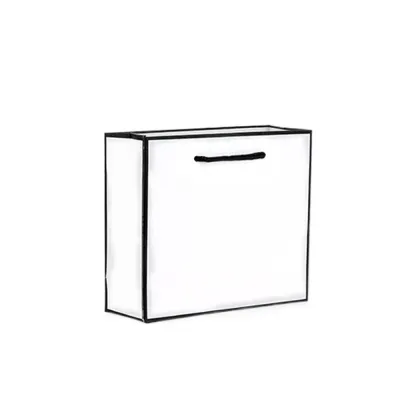
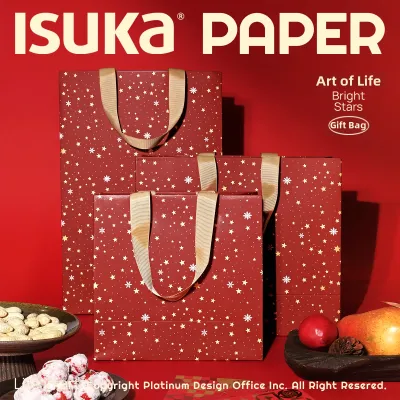
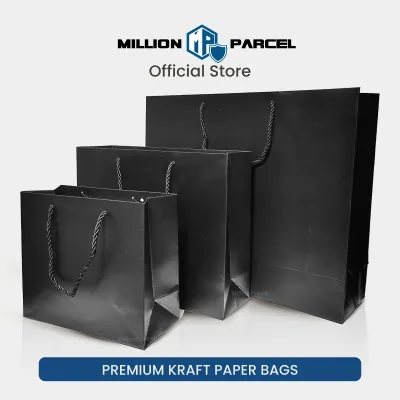

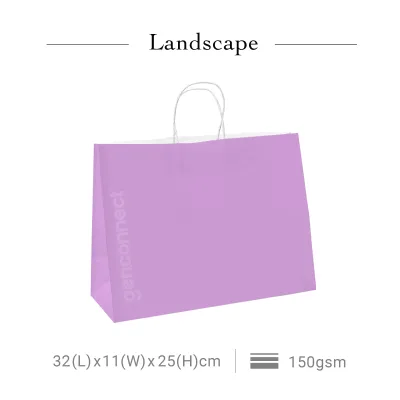
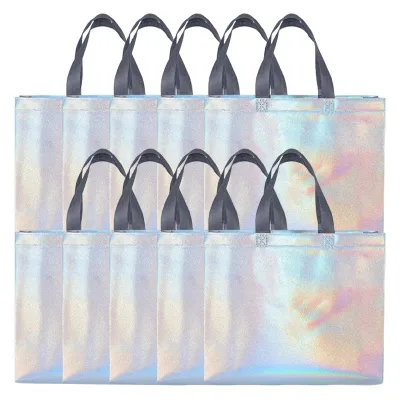
![[SG Stock]Non-Woven Fabric Gift Bag/Recycle Reusable Shopping Bag/Christmas gift bag](https://img.lazcdn.com/g/p/b65e29c07eabfe18a3ffe8239e8bfbd7.jpg_400x400q80.jpg_.webp)
Prices are valid at publication and may change. Please refer to the product page for the latest price.
Another critical factor is the bottom fold of the bag. When a paper bag is flat, the bottom is folded upward, which can make the bag appear taller than it actually is. Once you open the bag and push the base flat, the bottom fold consumes some of the vertical height, reducing the usable internal space. Always allow a few extra centimeters of height clearance to account for this structural transition.
Sizing Strategies for Different Types of Large Gifts
Clothing bundles and textiles require a bag with generous width and depth rather than extreme height. When stacking folded shirts, sweaters, or blankets, the fabric naturally expands outward, putting pressure on the sides of the bag. Selecting a bag with a wide gusset allows the clothing stack to sit flat without bowing the front and back panels, which can cause unsightly creasing or split seams.

Bulky toys and plush items often present irregular, compressible shapes that require a focus on overall volume. For soft plush toys, you can choose a bag that matches the general dimensions, as the toy can gently compress to fit the space. For hard plastic toys with protruding parts, prioritize a bag with a depth that exceeds the widest point of the toy to prevent sharp edges from puncturing the paper.
Hampers and gourmet baskets demand a precise match with the bag’s base footprint. The bottom of the bag must be wide and deep enough to allow the basket to sit completely flat on the base. If the basket tilts even slightly, contents like jars, bottles, or delicate treats may shift and spill. Additionally, ensure the height of the bag clears the tallest item in the basket, such as a bottle of sparkling juice or a decorative branch.
Electronics and boxed appliances have rigid, unyielding corners that can easily scuff or tear paper bags. For these items, measure the retail box precisely and add a minimum clearance buffer of two centimeters on all sides. This extra space allows you to slide the heavy box in and out of the bag smoothly without friction tearing the top edges or scraping the printed design off the bag’s exterior.
Checking Material Strength and Weight Capacity
A large gift bag is only as good as its ability to hold your gift without breaking. Before making a purchase, check the manufacturer’s packaging or product label for weight limit recommendations or material thickness indicators, often measured in grams per square meter (GSM) for paper. Heavy items like books, electronics, or glass jars require thick, heavy-duty kraft paper or laminated cardstock to prevent the bottom from sagging.
Inspect the handle attachments closely, as this is the most common point of failure for heavy gifts. Look for bags featuring reinforced metal grommets around the handle holes, thick rope or ribbon handles with secure knots, or wide paper handles glued flat against a reinforced top fold. Avoid thin, unreinforced paper handles if your gift weighs more than a few hundred grams.
Before loading a dense or heavy gift into the bag, perform a quick visual and physical check of the bottom seams and side gussets. Gently pull the bottom seams to ensure the adhesive is fully bonded and shows no signs of peeling. If the paper feels thin or the glue looks sparse, you may need to reinforce the base yourself or opt for a bag made of stronger material, such as woven fabric or heavy laminated board.
Common Sizing Mistakes and How to Avoid Them
One of the most frequent wrapping errors is forgetting to account for the vertical space needed for decorative tissue paper. If your gift fills the bag all the way to the top rim, there will be no room to tuck in tissue paper without crushing it or exposing the gift completely. To achieve a classic, polished look, choose a bag that leaves at least five to ten centimeters of empty space at the top.
Overstuffing a bag that is too narrow is another common mistake that ruins the presentation. When a gift is forced into a bag with an insufficient gusset, the sides bulge outward, pulling the handles inward and making the bag difficult to carry. This tension can easily cause the side seams to split open during transport, potentially damaging your gift.
Finally, ignoring the base gusset fold can lead to an awkward presentation where the gift sticks out above the bag’s rim. When a bag is flat, it may look long enough to cover your item, but as soon as the bottom expands to accommodate the item’s depth, the overall height of the bag shrinks. Always measure your gift’s depth and ensure the bag’s gusset matches it, while keeping the height of the bag taller than the gift.
Frequently Asked Questions (FAQ)
How to pack an oddly shaped gift in a large bag?
To pack an oddly shaped gift neatly, place the item inside a secondary, regularly shaped cardboard box first. This creates a stable, flat footprint that sits securely at the bottom of the bag, preventing the item from rolling around or tilting. If a box is not available, wrap the item in several layers of bubble wrap or thick tissue paper, then use crumpled tissue paper to fill the empty spaces around the item inside the bag to keep it centered and stable.
How to keep a large gift bag standing upright?
To keep a large gift bag from tipping over, insert a flat, rigid piece of cardboard cut to the exact dimensions of the bag’s bottom gusset. This reinforces the base, distributing the weight of the gift evenly across the entire bottom surface. Additionally, place the heaviest, flattest items at the very bottom of the bag to act as an anchor, keeping the center of gravity low and preventing the bag from folding or collapsing when set down.

Community discussion
Share your experience or ask a question. Comments are reviewed before publication.