
Choosing between a Kuretake watercolor set and a calligraphy set depends entirely on whether your primary creative goal is fluid color blending or structured, precise lettering. While both artistic paths utilize brushes and pigments, the tools included in these starter kits are engineered for completely different physical behaviors. A watercolor kit is designed to manage water flow, facilitate smooth color transitions, and cover broad paper surfaces. In contrast, a calligraphy kit is optimized for tip resilience, consistent ink delivery, and the fine control needed to execute sharp, contrasting strokes. Understanding these differences before making your purchase will save you from the frustration of using tools that resist your creative intentions.
Defining Your Focus: Watercolor Painting vs. Calligraphy
Watercolor painting is fundamentally about embracing fluidity, transparency, and the organic movement of pigment. When you paint with watercolors, you work with techniques like wet-on-wet washes, color glazing, and soft gradients. This requires tools that can hold a significant volume of water and release it gradually onto the paper. The creative process is exploratory, focusing on how colors merge and layer to build depth and form.
Calligraphy and brush lettering, conversely, are disciplines rooted in structure, rhythm, and muscle memory. The core challenge of calligraphy is achieving consistent stroke variation—producing delicate, hairline upstrokes and thick, dramatic downstrokes. This requires a tool with a highly responsive tip that bends under pressure and snaps back to a sharp point instantly. The ink must dry relatively quickly and remain crisp on the page without spreading or feathering into the paper fibers.
Products mentioned in this guide
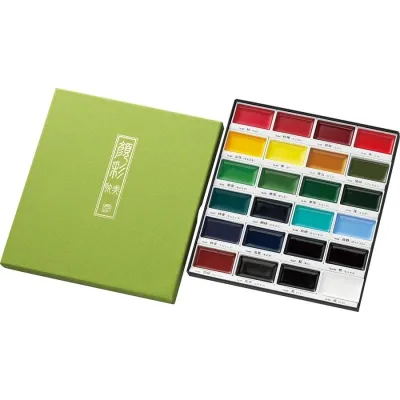
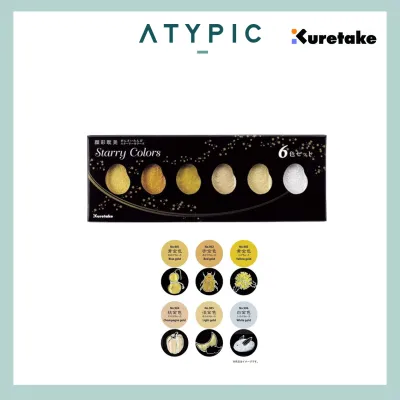
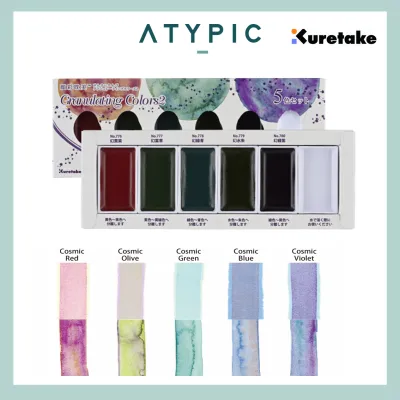
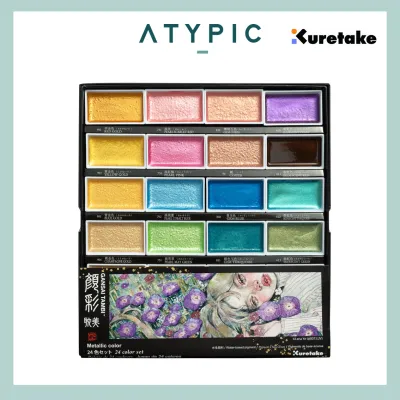
Prices are valid at publication and may change. Please refer to the product page for the latest price.
Because these two art forms demand opposite physical properties from their tools, a single universal beginner set rarely excels at both. A brush designed to hold a large pool of water for a sky wash will lack the spring and control needed to write crisp, small letters. Similarly, a calligraphy pen with a stiff, resilient tip cannot hold enough water to blend a smooth background gradient. Selecting a specialized starting point tailored to your primary interest is the most effective way to build your skills.
What to Look for in a Kuretake Watercolor Starter Kit
When evaluating a Kuretake watercolor starter kit, the first feature to examine is the paint format. Kuretake is widely recognized for its solid pan paints, which are large, rectangular blocks of dry pigment. For beginners, solid pans are highly advantageous over tubes. They are incredibly stable, easy to activate with a wet brush, and eliminate the risk of squeezing out too much paint. This format is particularly suited for compact workspaces, as you do not need to manage messy tubes or worry about paint drying out and cracking on an open palette.

The next critical component is the brush. Many modern watercolor starter kits include a water brush, which features a hollow handle that acts as a water reservoir. This design allows you to paint without a separate water cup, making it highly portable. When inspecting the brush, look for high-quality synthetic nylon bristles. These fibers are designed to mimic natural hair, providing excellent water retention while maintaining a sharp, fine point for detailed line work. A brush that loses its shape or splits at the tip will make it difficult to control where the paint lands.
A functional mixing area is also essential for watercolor success. Watercolor painting relies heavily on color theory and blending. Ensure the kit you choose includes a built-in palette, often integrated into the underside of the lid, or a separate plastic mixing tray. This area should have shallow wells that allow you to mix water and pigment without the colors running into one another or contaminating the pure paint pans.
Finally, keep in mind that watercolor paints require specialized paper to perform correctly. Standard drawing paper or notebook pages are too thin and will quickly warp, buckle, or pill when exposed to water. To get the best results from your starter kit, you will need to purchase heavyweight watercolor paper separately. Look for paper with a weight of at least 300 gsm. Cold-pressed paper is highly recommended for beginners because its subtle texture helps slow down water movement, giving you more time to manipulate the paint before it dries.
What to Look for in a Kuretake Calligraphy Starter Kit
Selecting a calligraphy or brush lettering starter kit requires a close look at the ink formulation and tip design. The ink type significantly impacts both your practice workflow and the longevity of your work. Many beginner kits feature water-based dye inks, which are vibrant, easy to blend, and flow effortlessly from the pen. These are perfect for daily practice and learning basic strokes. However, dye-based inks are susceptible to fading when exposed to light and will bleed if they come into contact with water. For final art pieces, certificates, or archival projects, look for kits that include pigment-based or traditional sumi inks, which dry to a rich, lightfast, and water-resistant finish.
The physical design of the pen tip determines how easily you can control your lettering. Beginners often find hard-tip brush pens or sign-pen style nibs much easier to control because they offer built-in resistance, making it simpler to maintain consistent line widths. As your hand strength and muscle memory improve, you can transition to soft synthetic brush tips or individual nylon bristle tips. These flexible tips allow for dramatic, expressive stroke variations but require a lighter touch and more precise pressure control to avoid shaky lines.
A comprehensive calligraphy kit should also support your learning journey with structured practice materials. Look for sets that include guide sheets, grid templates, or instructional booklets that demonstrate proper stroke order and letter angles. Having a physical guide beneath your paper or a step-by-step visual reference makes a substantial difference in how quickly you develop consistent spacing and letterforms.
Lastly, consider the long-term cost of your tools by checking refill availability. Calligraphy requires repetitive practice, which consumes a significant amount of ink. Some starter kits feature disposable pens, which are convenient but must be replaced entirely once empty. Other kits utilize refillable pens or cartridge systems. Opting for a refillable system is not only more sustainable but also more economical over time, as replacement ink cartridges are generally much cheaper than buying brand-new pens.
Comparing Kit Components: Watercolor vs. Calligraphy
To help you visualize the practical differences between these two creative paths, it is helpful to compare their typical kit components and operational requirements directly.
| Feature | Watercolor Starter Kit | Calligraphy Starter Kit |
|---|---|---|
| Primary Medium | Solid paint pans (activated with water) | Liquid ink (cartridges, bottles, or pre-filled pens) |
| Core Tools | Water brushes, mixing palettes, sponge | Brush pens, hard-tip markers, practice guides |
| Paper Requirements | Heavyweight watercolor paper (minimum 300 gsm) | Smooth, bleed-resistant paper (e.g., marker paper) |
| Setup & Cleanup | Requires water source, mixing area, and drying time | Instant setup; minimal cleanup (just cap the pens) |
| Learning Focus | Color theory, water control, blending, layering | Stroke consistency, pressure control, letterforms |
Beyond the physical tools, the daily workflow of each discipline differs significantly. Calligraphy is highly portable and requires virtually no setup or cleanup time. You can open a brush pen, lay down a pad of smooth paper, and practice your strokes on a small desk or even while traveling. Watercolor painting, even when using a portable travel kit with a water brush, demands a more dedicated setup. You need a flat surface to prevent wet paint from pooling, a cloth or sponge to clean your brush tip between color changes, and sufficient space to let your finished paintings dry completely.
There is some creative cross-over potential between these mediums, but it comes with distinct limitations. For instance, watercolor brush pens—which contain liquid watercolor ink inside a brush-tipped pen—can be used for both colorful lettering and light painting. However, because these inks are highly fluid and transparent, they lack the deep, solid opacity of dedicated calligraphy inks. Similarly, using watercolor pans with a water brush to write letters can produce beautiful, multi-colored gradient effects, but the slow drying time and variable water-to-paint ratio make it difficult to maintain crisp, sharp letter edges during extended writing sessions.
Final Checks Before Buying Your First Kuretake Set
Before finalizing your purchase, take a moment to verify a few practical details to ensure a smooth starting experience. First, carefully read the exact contents listed on the packaging or product description. Some starter kits are sold as minimalist refills and may not include essential tools like a water brush or a mixing palette. Ensuring your chosen kit is truly an all-in-one package will prevent the disappointment of opening your set only to realize you cannot use it immediately.
Next, consider the local availability and cost of replacement consumables. In Singapore, art supplies can be sourced from specialized stationery shops, particularly around cultural and educational hubs like Bras Basah Complex, as well as through local online marketplaces. Check if these retailers regularly stock replacement ink cartridges, individual paint pans, or replacement brush tips for the specific Kuretake set you are considering. Choosing a popular, well-supported kit ensures you can easily replenish your supplies without facing high international shipping fees or long delivery wait times.
Finally, inspect the condition of the packaging and product seals, especially if you are purchasing from third-party sellers on ecommerce platforms. Liquid ink pens and markers are sensitive to storage conditions; if they are kept in hot, unventilated warehouses, the ink can dry out or leak before you even open them. Watercolor pans can also crack or crumble if subjected to rough handling or extreme temperature shifts. When your kit arrives, perform a quick test: check that the paint pans are securely seated and not excessively cracked, and scribble gently with each pen on a scrap piece of paper to verify that the ink flows smoothly and the tips are in pristine condition.
Frequently Asked Questions (FAQ)
Can I use a Kuretake watercolor set for brush lettering?
Yes, you can use a Kuretake watercolor set for brush lettering, but it requires a different technique than using dedicated calligraphy pens. To do this successfully, you will need a water brush or a traditional round brush with a fine, resilient point. Because watercolor paint is diluted with water, achieving a consistent, solid color throughout a sentence can be challenging; the pigment will naturally look darker and wetter at the start of a stroke and fade as the brush runs out of moisture. This variation can create a beautiful, artistic gradient effect, but it makes formal, uniform lettering more difficult. Additionally, watercolor paint takes longer to dry than specialized calligraphy ink, which increases the risk of accidental smudging as you write.
How do I prevent Kuretake brush pens from drying out?
To maximize the lifespan of your brush pens, proper storage and handling are crucial. Always store your brush pens horizontally. Storing them vertically tip-up can cause the ink to drain away from the brush tip, resulting in dry, scratchy strokes, while storing them tip-down can cause ink to pool in the cap and leak. Always press the cap on firmly immediately after use until you hear a distinct click, which confirms an airtight seal. In Singapore’s warm and humid climate, keep your pens away from direct sunlight, air conditioning vents, or heat sources, as extreme temperature fluctuations can cause the air inside the pen barrel to expand, leading to leaks or accelerated ink evaporation. If a synthetic bristle tip becomes slightly dry or misaligned, dipping it briefly in warm water can help reshape the fibers, but this should only be done as a temporary recovery measure.

Community discussion
Share your experience or ask a question. Comments are reviewed before publication.