
Selecting the correct tool size is the foundation of any successful knitting or crochet project. For 5 ply yarn, the standard recommendation is to use 2.75 mm to 3.5 mm knitting needles (US sizes 2 to 4) or 3.0 mm to 4.0 mm crochet hooks. This yarn weight, widely known as Sport weight in some regions, offers a versatile middle ground for lightweight garments, baby items, and structured accessories.
While these metric ranges serve as an excellent starting point, your final tool selection depends heavily on your personal tension, the fiber composition of your yarn, and the specific drape required for your project. A structured toy requires a completely different approach than a flowing summer shawl. By understanding how 5 ply yarn behaves with different needle and hook sizes, you can avoid the frustration of stiff fabrics and ill-fitting garments.
Understanding 5 Ply Yarn Weight Standards
To choose the right tools, it helps to decode what “5 ply” actually means on a yarn label. Historically, the term “ply” referred directly to the number of individual strands twisted together to form a single thread of yarn. In modern manufacturing, however, ply count is no longer a reliable indicator of physical thickness, as a single ply can be spun incredibly thin or quite thick.
Products mentioned in this guide
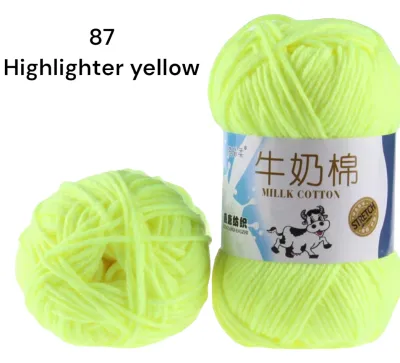
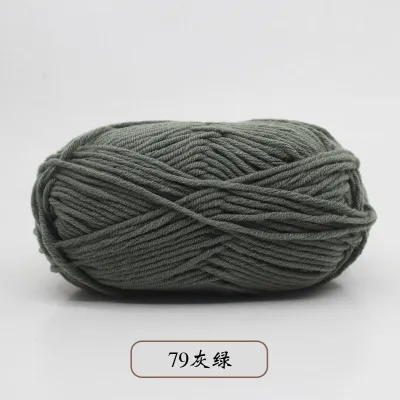
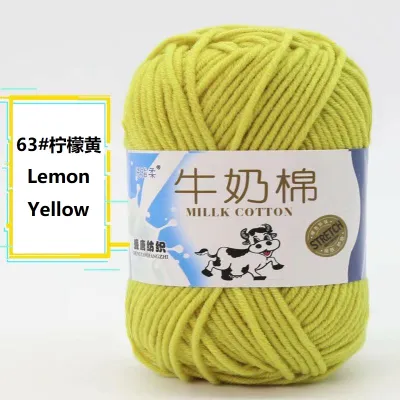
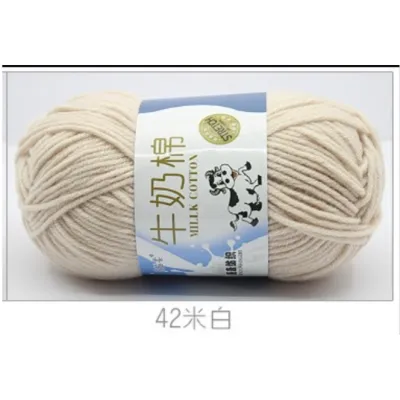
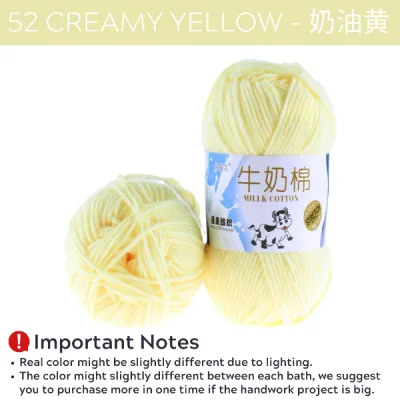
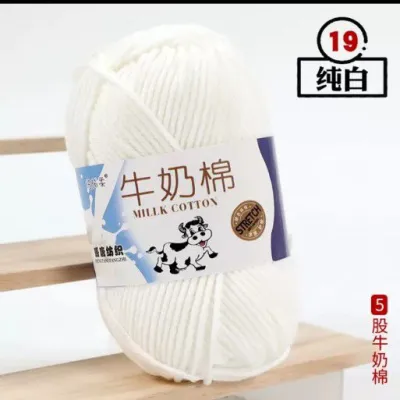
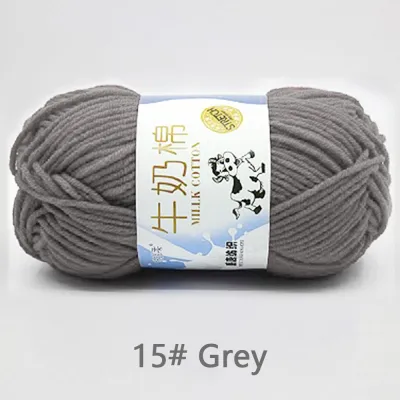
Prices are valid at publication and may change. Please refer to the product page for the latest price.
In regions such as Australia and New Zealand, “5 ply” remains a standardized category name for a specific thickness of yarn. If you are looking at universal classification systems, such as the one established by the Craft Yarn Council, 5 ply yarn generally aligns with Category 2 (Fine) weight, commonly referred to as Sport weight. It sits comfortably between 4 ply (Fingering weight) and 8 ply (Double Knitting or DK weight).
Because different manufacturers spin their fibers with varying degrees of tension and loft, a 5 ply yarn from one brand may feel slightly thicker or thinner than a 5 ply from another. For example, a rustic, loftier wool might bloom and fill space more than a tightly spun, mercerized cotton of the same ply. Therefore, you should always inspect the yarn band for the manufacturer’s recommended needle or hook size, as well as the standard weight symbol, before starting your project.
Recommended Knitting Needle Sizes for 5 Ply Yarn
When knitting with 5 ply yarn, the standard metric needle range spans from 2.75 mm to 3.5 mm (roughly equivalent to US sizes 2 to 4). Selecting where to land within this range is a balance between the structure of the stitch and the intended use of the finished item.

The smaller end of the spectrum, specifically 2.75 mm to 3.0 mm needles, is highly suited for projects that demand durability and a dense, firm fabric. If you are knitting socks, gloves, or intricate colorwork patterns, these smaller needles prevent gaps between stitches. This tight weave ensures the finished item resists wear and tear, holds its shape over time, and keeps cold air out.
Conversely, the larger end of the range, spanning 3.25 mm to 3.5 mm needles, is the preferred choice for garments and accessories where drape, softness, and flexibility are paramount. Lightweight sweaters, cardigans, baby blankets, and delicate shawls benefit immensely from these slightly larger needles. They allow the yarn fibers room to breathe and bloom, creating a fabric that flows naturally rather than standing stiffly.
Remember that these ranges are baseline recommendations. If your pattern specifies a particular gauge, that measurement must dictate your final needle size, even if it falls outside the typical 2.75 mm to 3.5 mm range.
Recommended Crochet Hook Sizes for 5 Ply Yarn
Crocheting with 5 ply yarn requires a slightly different approach to tool selection. The standard recommended metric range for crochet hooks paired with 5 ply yarn is 3.0 mm to 4.0 mm.
You will notice that this range is slightly larger than the equivalent recommendation for knitting needles. This difference exists because crochet stitches naturally create a denser, thicker, and less flexible fabric than knitted stitches. Using a hook that is too small can result in a stiff, board-like texture that lacks movement. Moving up a fraction of a millimeter allows the yarn to wrap comfortably, preserving the soft, pliable nature of the fiber.
Your specific project will dictate exactly which hook size to pull from your kit:
- Smaller hooks (2.5 mm to 3.0 mm): These are indispensable when making amigurumi (stuffed toys) or structured home decor like coasters and baskets. A tight, dense fabric is essential here to prevent the polyester stuffing from peeking through the stitches.
- Standard to larger hooks (3.5 mm to 4.0 mm): These are ideal for wearable items, such as summer tops, light cardigans, and baby blankets. They ensure the fabric retains a beautiful drape and feels soft against the skin, which is especially important in warm climates like Singapore where heavy, stiff clothing is impractical.
Key Factors That Influence Your Tool Choice
No two crafters knit or crochet with the exact same tension, meaning a tool that works perfectly for one person might produce a completely different result for another. Your personal tension is the primary variable you must account for. If you naturally hold your yarn tightly, your stitches will be smaller and denser, requiring you to go up a needle or hook size to match the pattern’s intended gauge. If you are a loose crafter, you will likely need to drop down a size to prevent your work from looking sloppy or oversized.
The fiber content of your 5 ply yarn also plays a significant role in how it behaves on your tools. Smooth, slippery fibers like silk, bamboo, rayon, or certain acrylic blends slide easily across metal needles and hooks, which can sometimes lead to loose, uneven tension. If you are working with these materials, switching to wooden or bamboo tools can provide the necessary friction to keep your stitches uniform. On the other hand, grabby, rustic wools or alpaca fibers cling to wooden tools, making slick metal needles or hooks a much faster and smoother choice.
Additionally, you must balance the recommendations on the yarn label against the instructions in your pattern. The yarn label provides a general, all-purpose recommendation for a balanced fabric. However, the pattern designer has designed a specific aesthetic and fit. If a pattern calls for a highly airy, open-lace shawl using 5 ply yarn on 5.0 mm needles, you should follow the pattern’s guidance rather than the yarn label’s standard 3.5 mm limit.
How to Make and Measure a Gauge Swatch
The only foolproof way to guarantee your finished project matches the intended dimensions is to create a gauge swatch before you begin. Skipping this step can lead to garments that are far too large or too small, wasting hours of careful work.
To make a swatch, use your chosen 5 ply yarn and the recommended needle or hook size to cast on or chain enough stitches to measure roughly 12 to 15 cm wide. Work in the stitch pattern specified by your project until the piece measures at least 12 cm in height. Working a square slightly larger than the standard 10×10 cm (4×4 inches) measurement area ensures that edge stitches do not distort your count.
Once completed, lay the swatch completely flat on a hard surface without stretching or pulling it. Use a physical ruler or a dedicated gauge tool to measure a 10 cm span in the center of the swatch. Count the exact number of stitches across this horizontal span, including fractional stitches, and then count the number of rows vertically within 10 cm.
Compare your counts to the gauge specified in your pattern and adjust your tools accordingly:
- Too many stitches: If you count too many stitches within the 10 cm area, your fabric is too tight. Switch to a larger needle or hook to loosen your tension.
- Too few stitches: If you count too few stitches within the 10 cm area, your fabric is too loose. Switch to a smaller needle or hook to tighten your tension.
Investing fifteen minutes in a gauge swatch protects your yarn budget and ensures your final piece fits beautifully.
Frequently Asked Questions (FAQ)
Can I use 4 ply needles for 5 ply yarn?
Yes, but with caveats. Standard needles for 4 ply yarn typically range from 2.25 mm to 3.25 mm. If you use these smaller tools on a thicker 5 ply yarn, the resulting fabric will be significantly denser, stiffer, and less pliable. While this is acceptable for structured items like socks or warm winter hats, it is not recommended for garments where drape and softness are desired. For standard garments, it is best to stick to the recommended 2.75 mm to 3.5 mm range.
Does the needle material affect my tension with 5 ply yarn?
Absolutely. The friction between your yarn and your tools directly influences your rhythm and tension. Slick metal needles (such as aluminum or stainless steel) allow 5 ply yarn to glide rapidly, which can sometimes cause loose stitches or dropped loops for beginners. Wooden or bamboo needles offer natural surface resistance, making them excellent for controlling slippery fibers like bamboo or mercerized cotton blends, helping you maintain a consistent, even tension throughout your project.

Community discussion
Share your experience or ask a question. Comments are reviewed before publication.