
Finding the right sewing accessories is the key to transforming a creative fabric concept into a durable, professionally finished garment or craft project. For sewing enthusiasts, tailors, and crafters in Singapore, Kam Long stands as a well-known, traditional haberdashery destination packed with thousands of small notions, tools, and structural components. Navigating this extensive inventory requires a clear understanding of what accessories are available, how to assess their quality on the spot, and how to match them to your specific sewing machine and fabric types. By focusing on practical evaluation methods, you can easily identify which items are worth buying for your immediate projects and which specialized tools deserve a permanent spot in your sewing kit.
Understanding the Kam Long Haberdashery Range
The inventory of an established haberdashery like Kam Long is incredibly diverse, spanning everything from basic sewing consumables to highly specialized hardware. To navigate this selection effectively, it helps to divide the offerings into core categories: fastenings, structural threads, decorative trims, and manual drafting or cutting tools. Fastenings include items like zippers, buttons, snaps, and hook-and-eye closures, which provide functional entry and exit points for garments. Threads, elastics, and structural webbings form the internal support system of your projects, ensuring seams hold together and waistbands retain their shape. Trims and ribbons add aesthetic value, while manual tools like pins, needles, shears, and marking chalk facilitate the precise preparation of your textiles.
Within these categories, you will encounter a clear distinction between everyday consumables and heavy-duty, specialized equipment. Consumables are items that are used up during a project or need frequent replacement, such as standard polyester sewing threads, hand-sewing needles, machine needles, and tailor’s chalk. Specialized supplies, on the other hand, are built for longevity or specific heavy-duty applications, such as high-carbon steel dressmaking shears, heavy-weight metal zippers for denim or leather, and dense nylon webbing for luggage straps. Recognizing this distinction helps you allocate your budget wisely, ensuring you do not overspend on premium versions of items that are naturally disposable, while investing sufficiently in tools that directly impact your cutting accuracy and physical comfort.
Products mentioned in this guide
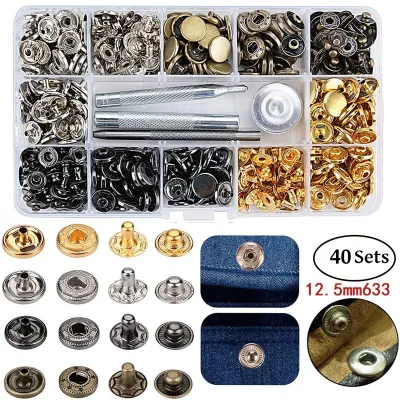
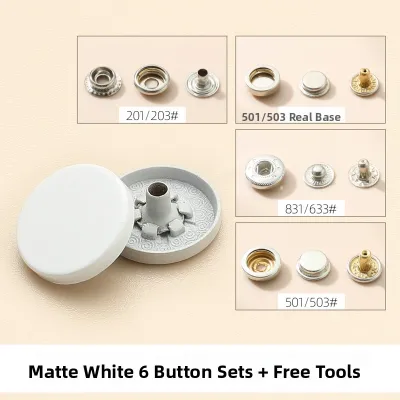
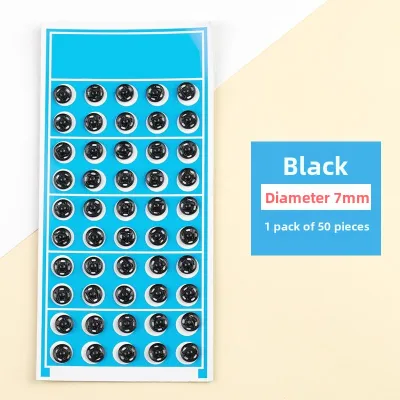
Prices are valid at publication and may change. Please refer to the product page for the latest price.
Evaluating the quality of these items in-store relies on close physical inspection and a careful reading of packaging details. When examining pre-packaged items, look for clear labels indicating material composition, country of origin, and specific dimensions or weight ratings. For loose items like buttons or individual zippers, perform a manual check: slide zipper pulls back and forth to ensure the teeth mesh smoothly without catching, and inspect button holes for clean edges free of plastic flashing or rough metal burrs. High-quality metal hardware should feel substantial and show no signs of surface oxidation or uneven plating, which can eventually rust and ruin your fabrics during washing.
How to Decide Which Sewing Accessories Are Worth Buying
Deciding which accessories are worth your investment comes down to a systematic evaluation of project compatibility, long-term utility, and equipment matching. The first and most critical step is project matching, which involves aligning the weight, strength, and material of the accessory with the characteristics of your fabric. For instance, using a heavy, rigid metal zipper on a delicate silk chiffon blouse will cause the fabric to sag, puckering the seams and potentially tearing the delicate fibers. Conversely, a lightweight nylon coil zipper will fail quickly if installed in a heavy canvas backpack. Always match the structural demands of the finished item to the physical limits of the fastening or thread you choose.

A cost-per-use framework is highly effective for determining when to spend more on premium haberdashery items. For basic consumables like standard sewing thread or straight pins, budget-friendly options sold in bulk are often highly economical and perfectly adequate for general crafting. However, for tools that you hold in your hand for hours—such as dressmaking shears, rotary cutters, or ergonomic seam rippers—investing S$20 to S$50 or more in a high-quality, ergonomic tool is highly justified. Premium cutting tools feature superior edge retention, meaning they require less frequent sharpening and reduce hand fatigue, saving you money and physical discomfort over years of sewing.
Finally, you must verify compatibility with your existing sewing equipment before making a purchase. Sewing machine needles, for example, come in various systems and sizes, ranging from fine 70/10 needles for lightweight silks to thick 110/18 needles for heavy denim or canvas. Using the wrong needle size or type (such as a sharp jeans needle on a delicate knit fabric) can result in skipped stitches, shredded thread, or permanent holes in your textile. Similarly, ensure that any specialized presser feet, zipper feet, or attachment brackets you purchase are fully compatible with your specific sewing machine brand and shank height (low shank, high shank, or slant shank) to avoid damaging your machine’s needle bar or feed dogs.
Essential Categories to Explore for Different Sewing Projects
To build an efficient shopping list, it is helpful to categorize your needs based on the primary task at hand: garment construction, structural alterations, or decorative crafting. Each of these tasks demands a different set of priorities, allowing you to focus your attention on the specific aisles that contain the most relevant and reliable notions.
Fastenings, Closures, and Hardware
When selecting fastenings, the primary goal is to ensure the closure matches the drape and function of the garment. Zippers are available in three main styles: nylon coil, plastic molded, and metal teeth. Nylon coil zippers are highly flexible and lightweight, making them ideal for skirts, dresses, and lightweight cushions where the closure needs to conform to body curves. Plastic molded zippers offer excellent water resistance and durability for outerwear, while metal zippers provide the high tensile strength required for jeans, heavy jackets, and bags. Always check the tape width and the security of the top and bottom stops to prevent the slider from running off the tracks during use.
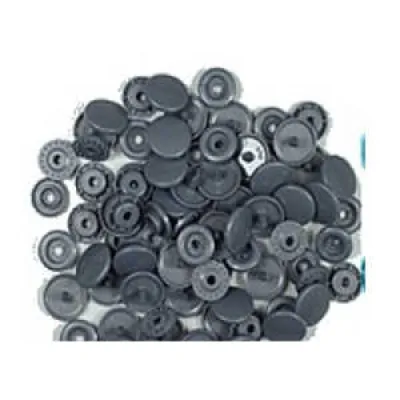
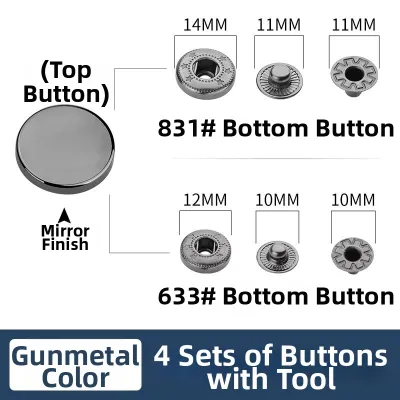
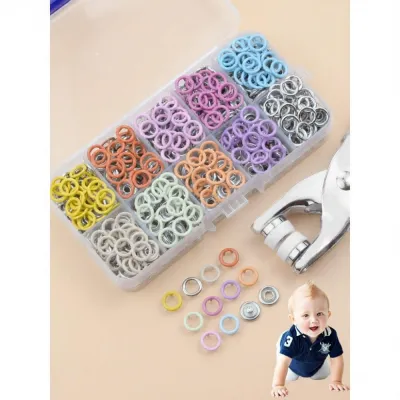
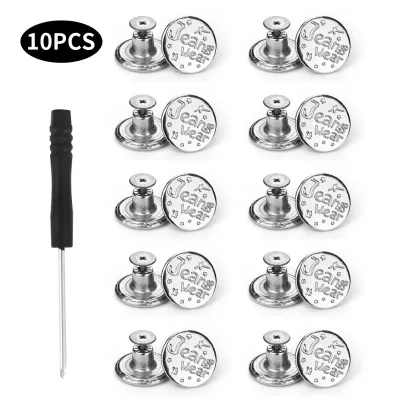
Buttons and snaps require a similar level of scrutiny regarding their physical construction and application method. For buttons, examine the back to determine if they are flat sew-through buttons or shank buttons; shank buttons raise the button slightly off the fabric, which is essential for thick fabrics like wool coats to allow space for the buttonhole layer to sit flat. If you are purchasing metal snaps or press studs, verify whether they require specialized setting tools or if they can be sewn on by hand. For heavy-use items like sportswear or children’s clothing, look for rust-resistant brass or stainless-steel snaps that can withstand repeated machine washing without losing their gripping tension or staining the surrounding fabric.
Threads, Elastics, and Webbing
The integrity of every seam relies entirely on selecting the correct thread fiber and weight. All-purpose polyester thread is the standard choice for most projects because it offers excellent strength, slight elasticity, and high resistance to chemical degradation and UV light. However, specialized fabrics require matching threads: use 100% cotton thread for quilting or dyeing projects, and fine silk thread for hand-basting or sewing delicate silk garments to prevent visible seam line bulk. Always check the thread weight printed on the spool; a standard 50-weight thread is ideal for general construction, while a thicker 30-weight or topstitching thread is necessary for decorative, visible stitching on denim or outerwear.
Elastics and webbings provide the necessary tension and structure for waistbands, cuffs, and straps, but their performance depends heavily on their construction type. Braided elastic narrows when stretched, making it highly suitable for casings where it is hidden, but uncomfortable if sewn directly to the skin. Knitted elastic retains its width when stretched and is soft to the touch, making it the preferred choice for direct waistband applications. For heavy-duty straps on bags or belts, inspect the webbing’s weave density and edge finishing; a loose weave will fray rapidly under tension, whereas a tightly woven nylon or polypropylene webbing will hold its shape and resist abrasion over long periods of use.
Measuring, Marking, and Cutting Tools
Accurate cutting and marking are the foundation of successful sewing, making high-quality hand tools indispensable. When evaluating scissors or rotary cutters, prioritize blade material and handle comfort. High-carbon steel or titanium-coated blades offer the best edge retention, allowing you to cut through multiple layers of fabric cleanly without chewing the edges. Because these tools feature extremely sharp blades, safety is a paramount consideration: always choose rotary cutters with automatic blade guards that cover the sharp edge when not in use, and store your fabric shears in protective sheaths away from children. Never use your fabric scissors on paper, as the wood fibers in paper will quickly dull the finely honed metal edges.
Marking tools must be selected based on the color and texture of your fabric, as well as how easily the marks can be removed. Traditional clay-based tailor’s chalk is excellent for textured wools and structured cottons, leaving crisp lines that can be easily brushed away. For smooth, light-colored fabrics, water-soluble or air-erasable fabric pens provide highly precise lines, but you must always test them on a scrap piece of fabric first to verify that the ink disappears completely after washing or pressing. For measuring, choose a fiberglass or reinforced vinyl measuring tape rather than cheap plastic; fiberglass tapes resist stretching over time, ensuring your body measurements remain highly accurate throughout years of pattern drafting.
Smart Shopping Strategies for Haberdashery Supplies
A trip to a well-stocked haberdashery can easily lead to impulse purchases or buying the wrong sizes if you do not prepare adequately beforehand. Before leaving home, compile a detailed project list that specifies the exact yardage, width, color codes, and structural requirements for every notion you need. Bring along small fabric swatches of your projects; this allows you to hold threads, zippers, and buttons directly against the actual material under natural light to ensure a perfect color match and weight compatibility. Having these physical references eliminates guesswork and prevents the frustration of returning home with a zipper that is slightly too short or a thread color that clashes with your fabric.
Once you are in the store, take the time to inspect every physical item carefully before heading to the cashier. Check thread spools to ensure the thread is wound evenly without knots, tangles, or visible dust accumulation, which can cause tension issues in your sewing machine. Inspect rulers and cutting mats for any warping or scratches that could compromise their flat surface, and verify that the printed measurement markings are crisp, clear, and consistent across different tools. If you are purchasing metal hardware, run your fingers along the edges to check for sharp burrs that could snag delicate fabric fibers during assembly or wear.
It is also essential to understand standard retail policies regarding haberdashery items, particularly those sold by the meter. Most traditional sewing shops classify cut-to-length items—such as ribbons, laces, elastics, webbings, and zippers cut from continuous rolls—as final sale items that cannot be returned or exchanged. Because of this policy, always calculate a small extra allowance (typically 10% to 15% more than your pattern specifies) to account for seam finishes, shrinkage, or minor cutting mistakes. For pre-packaged, non-customized goods like needle packs or boxed tools, keep your receipt intact and check if the store permits exchanges within a specific timeframe in case you discover a manufacturing defect upon opening the packaging at home.
Frequently Asked Questions (FAQ)
Can I return or exchange cut-to-length haberdashery items?
Generally, retail stores do not accept returns or exchanges on any haberdashery items that have been customized or cut to a specific length, such as ribbons, elastics, webbings, or continuous zippers. Once these materials are cut from the master spool, they cannot be easily resold to another customer at the same value. However, if you purchase a pre-packaged, non-customized item—such as a sealed pack of sewing machine needles or a boxed rotary cutter—and discover a clear manufacturing defect, most retailers will offer an exchange for the same product upon presentation of your receipt. To avoid costly mistakes, always double-check your pattern measurements and add a small safety margin of extra length before the store assistant cuts your material.
How do I test if a thread or elastic is suitable for my fabric?
Before sewing your actual garment, always perform a series of simple physical tests on a scrap piece of your project fabric. To test elastic compatibility, pin a short length of the elastic to your fabric scrap and stretch it to its limit; if the fabric puckers excessively or distorts permanently after the elastic recovers, the elastic tension is too strong for that specific fabric weight. For thread testing, sew a quick test swatch using your planned stitch length and tension settings; inspect the seam for puckering, skipped stitches, or thread breakage, which indicate tension or needle size mismatch. Finally, wash and press this test swatch to ensure the thread does not shrink at a different rate than the fabric and that any marking tool lines wash out completely without leaving permanent stains.

Community discussion
Share your experience or ask a question. Comments are reviewed before publication.