
The intersection of music, pop culture, and classic design has reached a peak with the highly anticipated Jisoo x Hello Kitty stationery collaboration. For students preparing for the upcoming school term, this collection offers a unique opportunity to infuse daily academic routines with personal style. However, building the perfect back-to-school shopping list requires more than just selecting the most visually appealing items. To ensure your supplies survive the rigors of daily classes, exams, and transit, you must evaluate each piece through a lens of utility, durability, and practical design. This guide will help you navigate the collection, identify the most functional essentials, and build a balanced shopping list that keeps you organized and inspired throughout the school year.
Essential Stationery Categories for Your Shopping List
Notebooks are the foundation of your academic toolkit. When selecting a notebook from this collaboration, pay close attention to the paper weight, which is measured in grams per square meter (GSM). Standard school notebooks often feature thin paper around 60 to 70 GSM, which is prone to ink feathering and bleed-through, especially if you prefer writing with gel pens or liquid ink rollers. For a clean writing experience on both sides of the page, look for notebooks with a paper weight of at least 80 GSM, or 100 GSM if you plan to use heavy highlighters or fountain pens. Additionally, consider the binding style. Twin-ring spiral bindings are highly practical because they allow the notebook to fold completely flat on cramped school desks, making it easier to write near the margins. Stitched or thread-bound notebooks, on the other hand, offer a sleeker profile and prevent pages from accidentally tearing out, making them ideal for long-term reference journals or subject diaries. Finally, choose the ruling format that matches your coursework: grid or dotted paper is indispensable for mathematics, science, and graphing, while standard lined paper is best for structured note-taking in humanities and language classes.
A reliable pen is your primary tool for lectures, exams, and homework assignments. When evaluating writing instruments in the collection, prioritize ergonomics and ink performance over design alone. For extended writing sessions, look for pens that feature a soft, textured silicone grip. A proper grip cushions your fingers, reduces the pressure required to hold the pen, and minimizes hand fatigue during long exams. The pen mechanism also plays a role in daily convenience; retractable click pens are excellent for quick note-taking because they eliminate the risk of losing a cap, whereas capped pens often provide a tighter seal that prevents liquid ink from drying out over time. Pay close attention to the ink type. Gel pens offer vibrant, highly saturated lines and a smooth glide, but they require a few seconds to dry, which can lead to smudging—especially for left-handed writers. Ballpoint pens use oil-based inks that dry instantly and work well on almost any paper quality, though they may require slightly more writing pressure. Hybrid ink pens combine the smoothness of gel with the fast-drying properties of ballpoint, making them an outstanding choice for fast-paced classroom environments.
Products mentioned in this guide
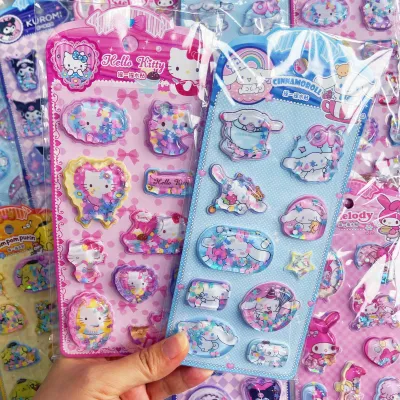
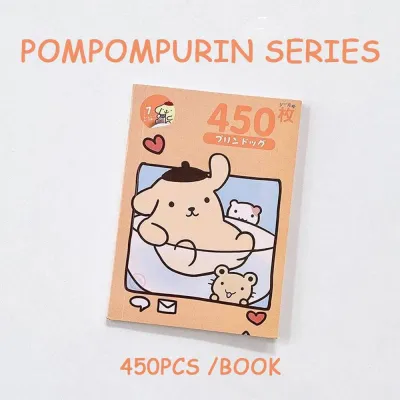
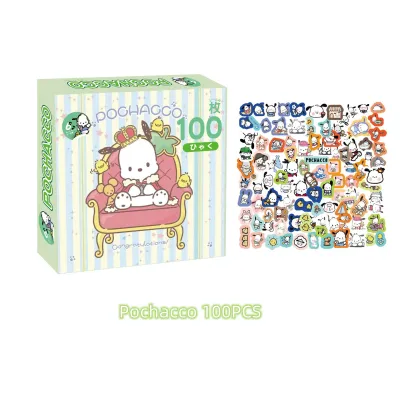
Prices are valid at publication and may change. Please refer to the product page for the latest price.
Your pencil case is the central hub for all your writing tools, erasers, rulers, and correction tapes. To protect your investment in themed stationery, choose an organizer made from robust, wear-resistant materials. Heavy-duty canvas, water-resistant nylon, and flexible silicone are excellent choices that can withstand being tossed into a crowded backpack daily. Inspect the zipper quality carefully; a sturdy nylon coil zipper with a secure metal pull tab is less likely to split or jam when the case is packed to capacity. The internal layout is just as important as the exterior design. Look for organizers that feature multiple compartments, such as dedicated elastic loops to keep your favorite pens from scratching against each other, mesh pockets for small items like paperclips or USB drives, and a spacious main compartment for bulkier items like calculators or correction tape. A well-organized pencil case not only protects your supplies but also saves valuable time during class by keeping your essential tools easily accessible.
How to Evaluate Quality Beyond the Aesthetic
To ensure your themed notebooks are fully compatible with your preferred writing tools, always verify the manufacturer’s paper specifications before purchasing. If the GSM rating is not clearly printed on the cover or product description, you can perform a simple physical assessment. Hold a single page up to the light; higher-quality, denser paper will block more light and feel noticeably sturdier between your fingers. If you are shopping in a physical store that allows testing, bring your favorite gel pen or highlighter and write a small test stroke on an inconspicuous back page. Observe how the ink behaves: if the ink spreads out along the paper fibers (feathering) or shows through clearly on the reverse side (ghosting), the paper may be too thin for heavy ink flow. Opting for a higher GSM ensures that your notes remain neat, legible, and professional on both sides of every sheet.

Collaboration stationery often commands a premium price, so it is essential to verify that the manufacturing quality matches the aesthetic value. When examining pencil cases, pouches, or tote bags, turn the item slightly inside out to inspect the internal seams. High-quality stitching should be straight, tight, and free of loose threads or raw, fraying fabric edges. Double-stitched seams at high-stress points, such as zipper ends and corner joints, indicate a durable construction that can handle the weight of heavy metal rulers and multiple pens. Test the zipper mechanism several times to ensure it glides smoothly without catching on the interior lining or fabric teeth. Additionally, check the attachment point of any decorative charms or zipper pulls; these should be secured with sturdy metal rings rather than thin thread, ensuring they do not snap off during daily backpack transport.
Before finalizing your themed stationery shopping list, it is wise to review your school’s specific guidelines regarding classroom supplies. Some academic institutions maintain strict rules about the size, color, and design of stationery items to minimize distractions during lessons. For instance, pencil cases with built-in toys, loud mechanical features, or excessively bright, reflective surfaces might not be permitted in certain classrooms. Similarly, some exams require clear, transparent pencil cases to prevent academic dishonesty. To balance your love for the collaboration with school compliance, consider choosing items with elegant, minimalist designs—such as a classic canvas pouch featuring a subtle embroidered character, or a sleek multi-pen with a small, tasteful logo. This allows you to express your personal style while ensuring your tools remain fully functional and acceptable in every academic setting.
Sourcing Authentic Jisoo x Hello Kitty Products
Due to the immense popularity of both Jisoo and Hello Kitty, counterfeit merchandise is common on unverified platforms. To ensure you are purchasing genuine, high-quality collaboration items, always source your stationery from official retail channels. These include the official online stores of the collaborating brands, authorized department store counters, and verified flagship stores on major ecommerce platforms. Purchasing through these channels guarantees that the products are manufactured under strict quality control standards, using safe, non-toxic materials that are safe for daily handling.
Authentic collaboration merchandise always features specific licensing markers that distinguish it from cheap imitations. Look for a holographic authenticity sticker on the product packaging; these stickers typically feature a unique serial number and shift colors when tilted under direct light. Additionally, check the back or bottom of the packaging for official copyright notices, which should clearly state the licensing agreements between Sanrio and the collaborating partners. Genuine items also boast superior print quality; the graphics will be crisp, with vibrant, accurate colors and sharp lines, whereas counterfeit items often suffer from blurry prints, pixelated edges, and misaligned colors.
When shopping online, learn to spot the warning signs of unauthorized third-party sellers. Be highly skeptical of listings that use generic stock images instead of actual product photos, or those that feature spelling errors and awkward phrasing in the product titles. Unusually low prices are another major red flag; if a premium collaboration item is priced significantly below the standard retail rate of authorized dealers, it is highly likely to be a counterfeit or an unlicensed print-on-demand product. These unauthorized items not only violate intellectual property rights but also frequently use sub-par materials, such as thin paper that tears easily, weak zippers that break after a few uses, and inks that emit strong, unpleasant chemical odors.
Budgeting and Prioritizing Your Themed Supplies
When building a themed stationery collection, it is easy to overspend on items you may rarely use. To keep your budget in check, divide your shopping list into high-use daily essentials and occasional decorative pieces. Allocate the majority of your budget to items that directly impact your daily academic performance, such as a highly durable pencil case, a comfortable multi-pen, and sturdy notebooks for your core subjects. Decorative or collectible items, such as specialty stickers, novelty paperclips, or themed sticky notes, should be treated as minor additions. This approach ensures that your primary tools are of the highest quality, while still allowing you to enjoy the aesthetic charm of the collaboration.
You do not need an entirely themed desk setup to enjoy the benefits of a beautiful stationery collection. A highly effective strategy is to mix a few premium collaboration pieces with standard, high-quality basic supplies. For example, you can invest in a single, high-quality themed pencil case and fill it with standard, budget-friendly wooden pencils, highlighters, and rulers. Similarly, you can purchase a premium themed multi-pen and use standard, widely available ink refills to keep it running throughout the school year. This hybrid approach allows you to showcase your favorite design elements without incurring the high cost of a fully themed inventory, making your budget go much further.
Before you begin shopping, establish a realistic spending limit in S$ for your back-to-school stationery. When evaluating the cost of themed items, consider their expected lifespan and daily utility. For instance, spending S$25 on a durable, well-constructed canvas pencil case that will last for several school years is a highly cost-effective investment. Conversely, spending a similar amount on disposable items like themed wooden pencils or low-capacity sticky notes may not offer the same long-term value. By focusing your spending on durable, reusable items and setting a firm budget, you can build a beautiful, functional, and financially sensible stationery collection that supports your academic success.
Frequently Asked Questions (FAQ)
Can I use standard ink refills in collaboration pens?
Yes, in most cases you can use standard ink refills, but you must verify compatibility first to avoid damaging the pen body. Start by unscrewing the pen to access the empty ink cartridge. Look for a manufacturer’s specified refill code or model number printed directly on the side of the cartridge. If no code is visible, measure the physical dimensions of the cartridge, including its total length, the diameter of the tube, and the position of any plastic ridges or spring stops. Compare these measurements with standard refills available at your local stationery store. Many collaboration pens are built around standard refill formats, allowing you to easily swap out the ink while preserving the beautifully designed outer casing.
How do I clean a fabric pencil case without damaging the print?
To maintain the vibrant graphics of your printed fabric pencil case, always use gentle, non-abrasive cleaning methods. Begin by completely emptying the case and shaking out any loose pencil shavings, dust, or paper scraps. Dampen a clean microfiber cloth with lukewarm water and a tiny drop of mild dish soap or gentle laundry detergent. Gently spot-clean any surface stains or ink marks using light, circular motions; avoid vigorous scrubbing, which can cause the printed graphics to crack, fade, or peel. Never use harsh chemical solvents, bleach, or abrasive pads. Once clean, wipe away any soap residue with a damp cloth and allow the pencil case to air dry completely in a well-ventilated indoor area, away from direct sunlight or high heat sources.

Community discussion
Share your experience or ask a question. Comments are reviewed before publication.