
Choosing the right material for patches for jeans is the single most important factor in ensuring a repair lasts through daily wear and repeated wash cycles. Jean patches are primarily made from denim, cotton twill, or synthetic blends, each offering distinct levels of flexibility, thickness, and structural support. Selecting the ideal patch requires matching the weight, weave, and stretch of the patch material to the specific damage and location on your denim garment. By evaluating these fabric characteristics beforehand, you can achieve a repair that blends seamlessly, moves comfortably with your body, and prevents further tearing.
Understanding Common Jean Patch Materials
Denim is characterized by its classic twill weave, where the weft threads pass under two or more warp threads, creating a distinct diagonal pattern. When selecting denim patches, you must evaluate the fabric weight, which is typically measured in ounces per square yard. Heavyweight denim patches offer excellent structural integrity for rugged wear, while lightweight options are better suited for modern, stretch-infused jeans. Color fading variations also play a critical role; choosing a patch that matches the wash and fade level of your jeans ensures the repair remains discreet.
Cotton twill is a highly durable woven fabric that features a similar diagonal rib pattern to denim but is often available in a wider variety of solid colors and lighter weights. This material provides a smooth, structured surface that is highly resistant to tearing, making it an excellent choice for internal reinforcement or visible, contrasting repairs. Because it lacks the bulk of heavy denim, cotton twill allows for clean folding and crisp edges, which simplifies the sewing process for both hand and machine repairs.
Products mentioned in this guide
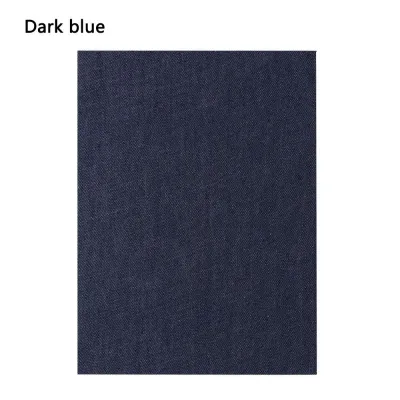
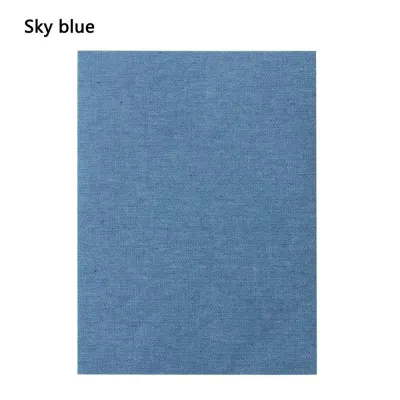
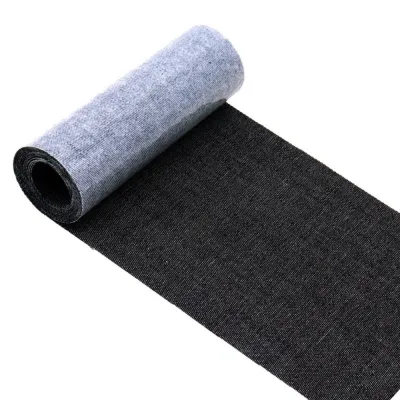
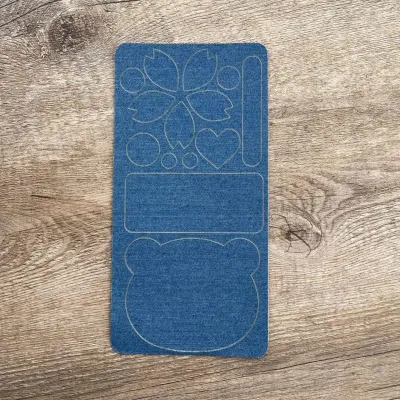
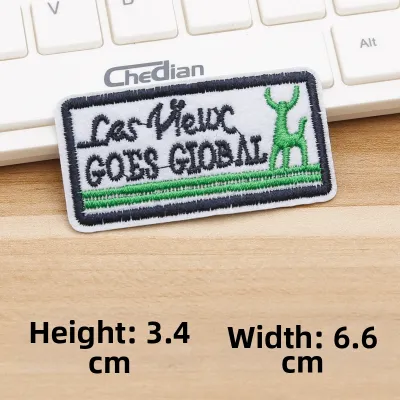
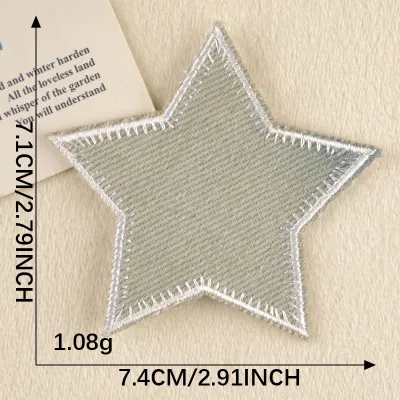
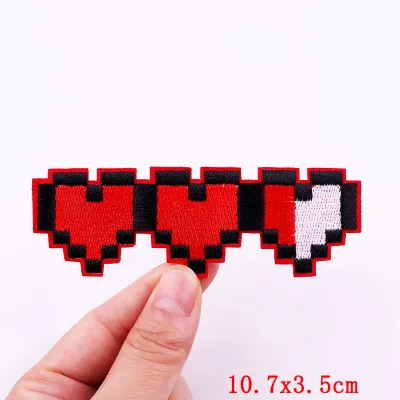

Prices are valid at publication and may change. Please refer to the product page for the latest price.
Many modern patches incorporate synthetic fibers such as polyester, nylon, or elastane blended with cotton. These synthetic blends are designed to provide stretch and flexibility, making them highly compatible with contemporary skinny jeans or activewear denim. However, synthetic patches often feature heat-activated adhesive backings that require careful handling. High heat from an iron can melt or distort synthetic fibers, so verifying the manufacturer’s temperature guidelines is essential to prevent damaging the patch or the host garment during application.
Matching Patch Materials to Your Repair Needs
Repairs located in high-friction zones, such as the inner thighs, seat, or knees, demand materials that can withstand constant rubbing and tension. For these areas, prioritizing weight and weave matching is critical to prevent the patch from shearing away from the host fabric. A patch that is too thin will quickly wear through, while a patch that is excessively heavy or stiff will create a hard ridge that chafes the skin and puts undue stress on the surrounding original fabric. Opt for a medium-to-heavyweight denim or a robust cotton twill that closely mirrors the density of your jeans.

When dealing with large tears, structural blowouts, or areas where the original fabric has completely worn away, the primary goal is to stabilize the garment and prevent further distortion. In these scenarios, you should use stable, non-stretch fabrics like heavy denim or structured cotton twill as a backing or face patch. Non-stretch materials act as an anchor, holding the torn edges in alignment and distributing physical stress evenly across the repair zone. Avoid using highly elastic patches for large structural repairs, as they can sag, pucker, or pull the surrounding denim out of shape over time.
For minor punctures, small fraying spots, or purely aesthetic enhancements, you have much greater freedom in material selection. Lighter cotton blends, printed fabrics, embroidered canvases, or pre-designed decorative patches are ideal for these low-stress applications. Since these areas do not bear significant physical tension, you can prioritize visual appeal, color contrast, and personal style over heavy-duty structural strength. Using lighter materials also keeps the repaired area soft and pliable, preserving the natural drape of the jeans.
How to Check Patch Compatibility and Quality Before Buying
Before purchasing patches for jeans, it is vital to compare the physical properties of the patch against the host denim. Hold both fabrics in your hands to assess their relative thickness and stiffness; a patch that is significantly heavier than the jeans will cause the surrounding fabric to pucker and tear at the stitch lines. If your jeans contain elastane or spandex for stretch, select a patch with a similar degree of elasticity to ensure the repaired area can expand and contract naturally without popping stitches.
Always inspect the manufacturer’s product labels and packaging for detailed care specifications. Look for explicit information regarding washability, expected shrinkage rates, and colorfastness guarantees. Unwashed or raw cotton patches can shrink significantly during their first cycle in a washing machine, which can warp the shape of your repaired jeans. Choosing pre-shrunk patch materials or washing the patch before application helps maintain a flat, stable repair over the lifespan of the garment.
The way a patch’s edges are finished determines how much preparation work you will need to perform before application. Examine whether the patch has serged (overlocked) edges, heat-sealed borders, or raw, unfinished cuts. Serged and heat-sealed edges are highly resistant to fraying and can be applied directly to the garment with minimal prep. Raw edges, on the other hand, will unravel during washing unless you apply a fray-prevention treatment, fold the edges under, or secure them with a dense satin or zigzag stitch.
Application Methods and Long-Term Care
The choice between iron-on and sew-on patches depends heavily on the patch material and the location of the repair. Iron-on patches utilize a heat-activated adhesive backing that offers a quick, no-sew solution, but this adhesive may struggle to bond securely with highly textured, heavy denim or heat-sensitive synthetic blends. For a permanent repair in high-stress areas, sewing the patch—either by hand or with a sewing machine—is highly recommended. Combining both methods by ironing the patch in place first and then stitching around the perimeter provides the ultimate level of security.
To maximize the lifespan of your repaired jeans, always adhere to the care instructions provided on both the garment and the patch packaging. Wash the repaired jeans inside out in cool or lukewarm water to minimize friction on the patch edges. Avoid using harsh detergents or bleach, which can degrade fabric adhesives and weaken the sewing threads. When drying, opt for air drying or a low-heat tumble cycle, as high dryer temperatures can melt iron-on adhesives and cause synthetic patch fibers to warp or lose their elasticity.
Regularly inspect your repaired jeans for early signs of wear to prevent minor issues from turning into major tears. Look closely for lifting edges on iron-on patches, loose or broken stitches along the perimeter, or localized fabric thinning near the seam lines. If you notice an iron-on patch beginning to peel, you can often re-secure it temporarily by applying heat with an iron, though adding a few reinforcement stitches is the best long-term fix. Addressing minor thread breaks or edge lifting immediately will keep the patch secure and extend the life of your favorite denim.
Frequently Asked Questions (FAQ)
Can I use regular cotton fabric instead of a dedicated jean patch?
Yes, you can use regular cotton fabric, but it requires careful preparation because it is typically much lighter and less dense than standard denim. To prevent the cotton fabric from stretching, puckering, or tearing under the weight of the surrounding denim, you should apply a layer of fusible interfacing or stabilizer to the back of the cotton patch. Additionally, because raw cotton fabric frays easily, you must finish the edges using pinking shears, a zigzag stitch, or by folding the edges under before sewing it onto the jeans.
How do I prevent the edges of a cut denim patch from fraying?
To prevent custom-cut denim patches from fraying, you can employ several mechanical or chemical techniques. Mechanical methods include sewing a dense zigzag or overlock stitch around the raw edges using a home sewing machine, or folding the edges inward by a quarter-inch and pressing them flat before topstitching. Alternatively, you can apply a thin layer of liquid fabric sealant or fray-check solution along the cut edges, allowing it to dry completely to lock the loose threads in place without adding bulk to the repair.

Community discussion
Share your experience or ask a question. Comments are reviewed before publication.