
Japanese fabrics are highly regarded for their exceptional craftsmanship, distinct textures, and diverse material compositions. The most common materials used in these textiles include natural fibers like cotton, linen, and silk, alongside versatile blends such as cotton-linen. They differ significantly in their weave structures, weights, and finishes, which directly influence their drape, breathability, and suitability for various sewing projects. Understanding these differences allows you to select the ideal textile for garments, quilting, or home accessories.
Understanding Common Japanese Fabric Materials
Natural fibers form the foundation of traditional and modern Japanese textile production. These fibers, including cotton, linen, and silk, offer inherent breathability and distinct tactile qualities. However, it is important to avoid assuming that all fabrics made from the same natural fiber will behave identically. The final drape, weight, and texture are heavily influenced by how the fibers are spun and woven, meaning a lightweight cotton gauze will behave entirely differently from a heavy cotton canvas.
Blended fabrics combine the best attributes of multiple fiber types to enhance performance and ease of handling. For example, mixing cotton with linen can retain the airy breathability of linen while adding the structural stability and wrinkle resistance of cotton. These blends are particularly popular for everyday wear and home items because they often require less intensive care and are easier to guide through a sewing machine.
Products mentioned in this guide
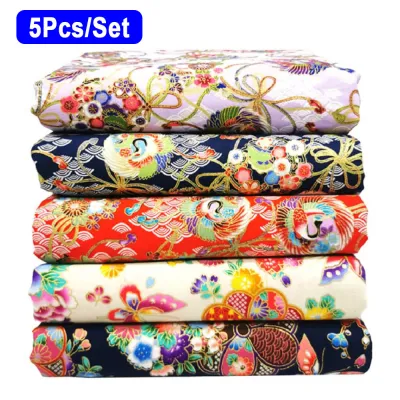
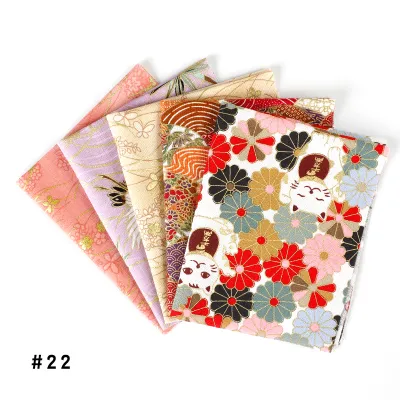
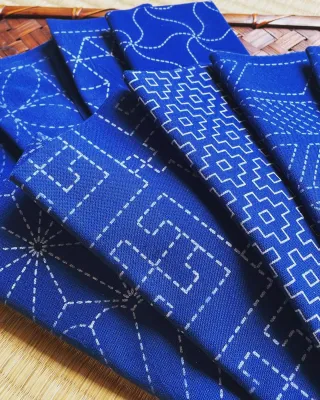
![☘️[GREENSTEPS SG] Sarashi fabric | Tenugui | 100% Cotton | Made in Japan | Ready to Dye | Perfect for Sashiko | Chef towel | Reusable](https://img.lazcdn.com/g/p/f9501637184c3aea0f1dcd141f7e05dc.jpg_400x400q80.jpg_.webp)
Prices are valid at publication and may change. Please refer to the product page for the latest price.
Because performance traits like shrinkage, colorfastness, and stiffness vary widely, you should always verify the specific characteristics of a fabric by checking the manufacturer’s product label. Relying solely on the general material name can lead to unexpected results during washing or sewing. Examining the weave density and checking for any specialized finishes will give you a clearer picture of how the fabric will perform over time.
Natural Fibers: Cotton, Linen, and Silk
Cotton is perhaps the most versatile and widely available material in Japanese textile manufacturing. It comes in a vast range of weights and specialized weaves, such as double gauze, which consists of two thin layers of cotton basted together for an incredibly soft, breathable feel ideal for baby clothes and summer shirts. On the other end of the spectrum, sashiko-style cotton bases feature heavy, reinforced running stitches that provide excellent durability and a distinct textured surface, making them perfect for structured jackets and durable bags.
Linen is celebrated for its rustic, textured appearance and exceptional breathability, making it a staple for warm-weather apparel. While linen naturally tends to wrinkle, the severity of these creases depends largely on the tightness of the weave and the thickness of the yarns. A loosely woven linen will drape softly and flow with movement, whereas a tightly woven, heavier linen offers more structure and is highly suited for tailored trousers or lightweight outerwear.
Silk represents the pinnacle of luxury in Japanese textiles, historically associated with traditional kimono production. This fiber is characterized by its natural sheen, smooth texture, and delicate drape, but it requires careful handling and specialized sewing techniques. When working with silk, you must use fine needles and pins to avoid leaving permanent holes, and finishing the raw edges properly is essential to prevent the slippery threads from unraveling.
Blends and Processed Textiles
Cotton-linen blends are highly favored by sewing enthusiasts because they strike an excellent balance between comfort and practicality. By combining these two fibers, manufacturers create a textile that possesses the characteristic slubby texture of linen but is significantly easier to iron and sew than pure linen. This blend offers enough structural integrity to hold crisp seams while remaining lightweight and breathable enough for comfortable daily wear.
Processed finishes and treatments can dramatically alter the hand feel and physical properties of both natural and blended fabrics. Some Japanese fabrics undergo specialized washing, brushing, or dyeing processes that pre-soften the fibers or create a unique crinkled texture. Because these treatments can affect how much the fabric shrinks during its first wash, you should always consult the manufacturer’s specification sheet or product details to understand the care requirements before purchasing.
Matching Materials to Your Sewing Projects
Selecting the right fabric requires matching its physical properties to the functional demands of your project. For apparel and garments, you must consider how the fabric’s weight and drape will support the intended silhouette of the clothing. Lightweight, fluid fabrics like double gauze or fine silk are ideal for gathered skirts, blouses, and relaxed tops that require movement. Conversely, structured garments like utility jackets, structured dresses, or trousers demand medium-to-heavyweight cottons or structured cotton-linen blends that can hold their shape and withstand daily wear.

Quilting and patchwork projects have very specific material requirements to ensure a clean, long-lasting finish. For these crafts, you should look for stable, tightly woven cotton fabrics, often referred to as quilting cottons. These fabrics are easy to cut accurately, hold pressed seams exceptionally well, and resist fraying along the raw edges during the assembly of intricate patterns. Using fabrics with consistent weight and weave density across your patchwork pieces prevents uneven stretching and warping when the quilt is assembled and washed.
Home decor items and everyday accessories require materials that prioritize durability and structural integrity. If you are sewing items like tote bags, cushions, table runners, or aprons, heavier fabric weights such as cotton canvas, sashiko cloth, or thick linen blends are highly recommended. These materials can withstand frequent friction, support the weight of carried items, and maintain their shape over time. For added structure in bags and pouches, you can pair these durable fabrics with appropriate fusible interfacing to reinforce the seams and panels.
Verifying Quality, Care, and Handling Requirements
To ensure your sewing project is successful, you must carefully read the fabric labels and manufacturer specifications before making a purchase. Verify the fabric’s physical dimensions, including its usable width, to ensure you have enough material for your pattern layout. Look for detailed information regarding the exact fiber content percentages, as even a small percentage of synthetic fiber can alter how the fabric responds to heat and moisture. Additionally, pay close attention to the recommended washing temperatures, drying instructions, and ironing limits to avoid accidentally damaging the delicate fibers or melting any specialized finishes.
Pre-washing your fabric is a critical step that should never be skipped, particularly when working with natural fibers like cotton and linen which are prone to shrinkage. To verify how the fabric will behave, cut a small, measured test swatch and wash it using your planned laundering method. This trial allows you to measure any shrinkage and check for color bleeding, ensuring that your finished garment or item will not warp, shrink, or discolor during subsequent washes.
Proper handling during the sewing process requires matching your sewing machine needle and thread to the specific weight and fiber content of your fabric. Lightweight fabrics like silk or double gauze require fine, sharp needles (such as size 70/10 or microtex needles) and lightweight thread to prevent puckering and fabric damage. Medium and heavyweight cottons or linens are best sewn with universal or jeans needles (sizes 80/12 to 90/14) and standard polyester or cotton thread, which provide the necessary strength to secure the seams without straining the machine.
Frequently Asked Questions (FAQ)
How can I tell if a Japanese fabric is authentic or high quality?
You can assess the quality of a Japanese fabric by examining several observable physical characteristics. High-quality textiles typically feature a highly consistent weave with no accidental slubs, gaps, or uneven tension, unless those textures are an intentional part of the design. Additionally, authentic Japanese fabrics often have clean, well-finished selvedges (the self-finished edges of the fabric) and come with clear, detailed manufacturer labels that specify the exact fiber composition, care instructions, and origin.
Do Japanese cotton fabrics shrink more than standard cotton?
The shrinkage rate of Japanese cotton fabric is not inherently higher than standard cotton, but it depends entirely on the specific weave, finish, and whether the manufacturer pre-shrunk the material. Loosely woven structures, such as double gauze, tend to shrink more significantly than tightly woven canvas or quilting cottons. To prevent shrinkage from ruining your project, it is a mandatory step to wash and dry a test swatch—or pre-wash the entire fabric length—using the exact care methods you plan to use for the finished item before you begin cutting your pattern pieces.

Community discussion
Share your experience or ask a question. Comments are reviewed before publication.