
Quick Answer: Which Japanese Fabric Should You Choose?
Selecting the ideal Japanese fabric for your sewing project depends on finding the right balance of structure, drape, breathability, and ease of handling. There is no single superior material; instead, the best option is the one that matches your pattern requirements and the comfort needs of the wearer.
For projects that require crisp lines, structured silhouettes, or precise piecing—such as button-up shirts, pleated skirts, structured dresses, tote bags, and patchwork quilting—Japanese cotton is the most reliable choice. Its stability under the needle makes it exceptionally easy to cut and sew, making it a favorite for beginners and experienced sewists alike.
If your goal is to craft breathable, relaxed garments that excel in hot and humid climates like Singapore, Japanese linen is highly recommended. It offers excellent moisture-wicking properties and natural cooling, making it perfect for loose-fitting summer trousers, casual tunics, and durable home textiles like aprons and table linens.
Products mentioned in this guide
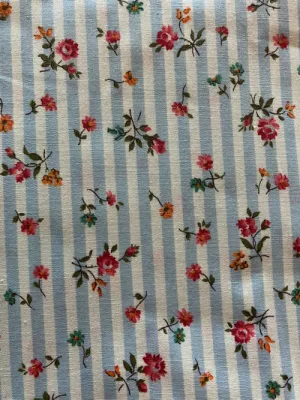
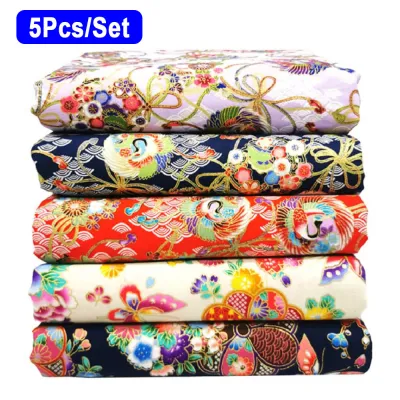
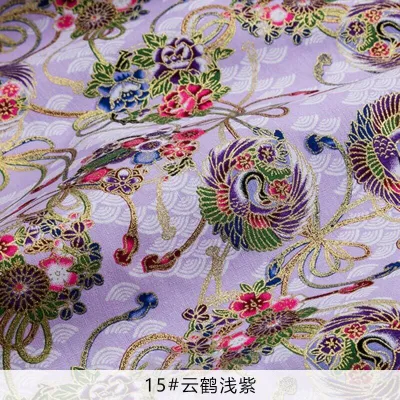
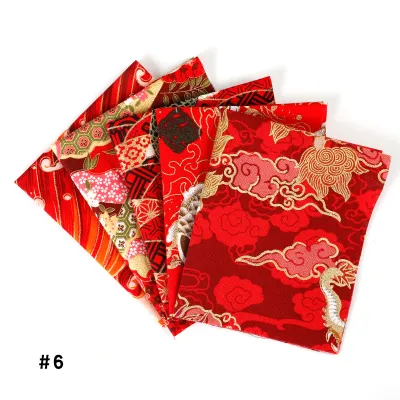
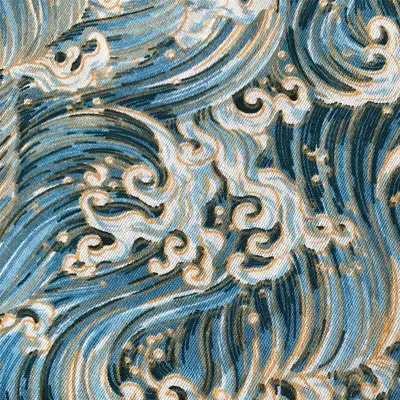
Prices are valid at publication and may change. Please refer to the product page for the latest price.
When your project demands maximum softness and airflow next to the skin, Japanese double gauze is the outstanding candidate. Composed of two micro-light layers of cotton gauze basted together, this fabric is ideal for baby clothing, swaddles, lightweight loungewear, and breezy summer blouses. However, its delicate, spongy texture requires careful handling and specialized sewing techniques to manage shifting and fraying.
Understanding the Core Characteristics of Each Fabric
To make an informed decision for your next sewing project, it is essential to understand the physical and structural properties of these three popular Japanese textiles. The way a fiber is harvested, spun, and woven directly influences how the finished fabric behaves under your sewing machine, how it feels against the skin, and how it holds its shape over time.

Japanese Cotton: Versatile and Structured
Japanese cotton is globally renowned for its exceptional quality, which stems from the meticulous manufacturing processes and high-grade cotton fibers utilized by Japanese mills. This fabric category is incredibly broad, ranging from feather-light cotton lawn and voile to medium-weight broadcloth and heavy-duty cotton canvas. Regardless of the weight, standard Japanese cotton is characterized by a smooth, uniform finish that feels comfortable against the skin and displays printed designs with incredible clarity.
When working with Japanese cotton, you will immediately notice its structural stability. It lies flat on the cutting table, resists slipping, and feeds smoothly through the sewing machine feed dogs without stretching out of shape. It holds sharp creases beautifully when pressed with an iron, making it ideal for creating crisp collars, neat pleats, and precise patch pockets. However, because cotton fibers possess limited natural elasticity and the weave is typically dense, this fabric lacks the fluid, liquid-like drape of rayon, silk, or lightweight tencel. Always check the specific weave and weight on the product bolt or label, as a cotton lawn will behave very differently from a structured cotton canvas.
Japanese Linen: Breathable and Textured
Flax-derived linen woven in Japan is highly prized for its unique texture and premium handfeel. Japanese textile mills often employ specialized washing and tumbling techniques—such as bio-washing—to break down the initial stiffness of the flax fibers, resulting in a fabric that is softer and more pliable than standard utility linen right off the bolt. It is characterized by natural slubs, which are slight irregularities and variations in the thickness of the yarns that give the fabric its signature rustic, organic appearance.
Linen is exceptionally breathable and highly conductive, meaning it quickly absorbs moisture and dissipates heat away from the body. This makes it an invaluable textile for tropical environments where staying cool is a daily priority. While linen possesses a gorgeous, relaxed drape, it is highly prone to wrinkling due to the low elasticity of flax fibers. These wrinkles are a natural characteristic of the material and are often celebrated as part of its casual aesthetic. When purchasing, verify whether the fabric is 100% pure linen or a cotton-linen blend; blends often combine the breathability of linen with the wrinkle resistance and easier care of cotton.
Double Gauze: Ultra-Soft and Airy
Japanese double gauze is a unique textile engineered specifically for comfort and breathability. Its construction consists of two incredibly thin, open-weave layers of cotton gauze that are joined together at regular intervals by invisible basting stitches. This dual-layer design traps a thin layer of air between the sheets of fabric, creating a soft, slightly bouncy, and insulating yet highly breathable material that feels weightless against the sensitive skin of infants and adults.
Because of its open, delicate weave, double gauze has a natural mechanical give, meaning it stretches slightly when pulled diagonally, even though it is a woven fabric rather than a knit. This characteristic makes it incredibly comfortable to wear, but it also presents unique challenges during the construction process. The fabric tends to shift, stretch, and fray easily when cut or sewn. To prevent distortion, sewists must employ specific techniques, such as using fine pins, a sharp microtex needle, and a walking foot to ensure both layers feed through the machine at the exact same rate.
Side-by-Side Comparison: Sewing, Drape, and Care
To help you quickly evaluate these materials side-by-side, the following table summarizes their practical handling, performance, and maintenance characteristics.
| Feature | Japanese Cotton (Lawn/Broadcloth) | Japanese Linen | Japanese Double Gauze |
|---|---|---|---|
| Sewing Difficulty | Very Easy; highly stable and forgiving for beginners | Medium; can shift slightly and frays at raw edges | Medium to High; prone to stretching, shifting, and heavy fraying |
| Drape & Structure | High structure; holds crisp creases; low to moderate drape | Moderate, relaxed drape; softens significantly with washing | Soft, spongy drape; develops a characteristic puckered texture |
| Breathability | Moderate to High (highly dependent on weave density) | Excellent; maximum airflow and moisture-wicking | Excellent; lightweight and highly breathable |
| Wrinkle Resistance | Moderate; wrinkles can be easily pressed out with a hot iron | Low; wrinkles easily and holds creases naturally | Moderate; natural puckers disguise minor wrinkles |
| Recommended Needle | Universal or Sharp (Size 70/10 to 80/12) | Sharp or Universal (Size 80/12 to 90/14) | Microtex or Sharp (Size 70/10 to 80/12) |
| Seam Finishing | Standard pinking, zigzag, or overlock | Overlock, flat-felled, or bound seams | French seams or overlock are essential to prevent fraying |
Beyond their physical behavior during assembly, these fabrics demand different approaches to preparation and care. Natural fibers are inherently prone to shrinkage when exposed to water and heat. Because double gauze is woven loosely, it shrinks significantly during its first wash, causing the two layers to contract and form its signature puckered, crinkled texture. To avoid ruining your garment’s sizing, you must pre-wash and dry your fabric using the exact laundering methods you plan to use for the finished item.
Ironing techniques also vary across these materials. Japanese cotton can withstand high heat and heavy steam, allowing you to press seams completely flat. Linen requires high heat and abundant steam to smooth out stubborn wrinkles; pressing linen while it is still slightly damp yields the crispest results. In contrast, double gauze must be ironed with extreme care. Pressing double gauze with heavy downward pressure or pulling the fabric under a hot iron can temporarily flatten the natural crinkles, which will cause the fabric to expand. If you cut your pattern pieces while the gauze is artificially flattened by an iron, the garment will shrink and become too small once it is washed and returns to its natural puckered state. Always test a small scrap of fabric first to observe how it responds to your iron’s heat and steam settings.
Best Sewing Projects for Each Fabric Type
Matching the physical properties of your fabric to the structural demands of your sewing pattern is the key to creating a successful, long-lasting garment or accessory. Here is a guide to selecting the best projects for each material type.
When to Choose Japanese Cotton
Japanese cotton is the ultimate utility fabric, making it the ideal selection for projects that require clean lines, structural integrity, and durability. Because it behaves predictably under the sewing machine, it is highly recommended for beginners who are still mastering straight seams, curves, and fabric control.
- Structured Apparel: Choose medium-weight Japanese cottons for button-up shirts, structured A-line skirts, shirt dresses, and garments featuring crisp pleats or gathers. The fabric will hold the intended silhouette of the pattern beautifully without sagging.
- Accessories and Bags: Heavyweight cottons, such as Japanese cotton canvas or duck cloth, are perfect for sewing tote bags, backpacks, zipper pouches, and hats. These projects require a dense, sturdy weave that can support the weight of daily essentials.
- Patchwork and Quilting: High-quality Japanese quilting cottons are prized for their tight weave and minimal shrinkage, making them excellent for precise patchwork piecing and quilting projects where matching seams and corners is critical.
When to Choose Japanese Linen
Japanese linen is best suited for projects that embrace a relaxed, casual lifestyle. Its strength and organic texture make it perfect for items that will undergo frequent use and laundering, as the fibers actually grow softer and more lustrous with age.
- Relaxed-Fit Summer Wear: Linen is the premier choice for loose-fitting trousers, wide-leg pants, casual shorts, oversized tunics, and unstructured summer dresses. The natural drape of the fabric complements simple, minimalist sewing patterns.
- Kitchen and Dining Textiles: Due to its high absorbency and natural antibacterial properties, linen is ideal for sewing durable aprons, tea towels, reusable napkins, and tablecloths that elevate everyday dining.
- Structured Loungewear: Medium-weight linen-cotton blends work beautifully for lightweight robes, utility jackets, and casual chore coats that require a balance of breathability and light structure.
When to Choose Double Gauze
Double gauze is designed for ultimate sensory comfort, making it the perfect choice for garments worn close to the skin, especially in warm, humid weather.
- Infant and Children's Items: The cloud-like softness of double gauze makes it the gold standard for baby swaddles, bibs, blankets, rompers, and toddler clothing. It is incredibly gentle on delicate, sensitive skin.
- Lightweight Sleepwear and Loungewear: Craft loose-fitting pajamas, nightgowns, and relaxed robes from double gauze to experience maximum airflow and comfort during warm nights.
- Breezy Summer Tops: Choose double gauze for peasant blouses, relaxed tunics, and simple gathered tops. The natural volume of the puckered fabric adds a beautiful, airy dimension to simple silhouettes.
- Avoid Structured Garments: Do not use double gauze for tailored trousers, fitted jackets, heavy bags, or any project that requires sharp pleats, precise topstitching, or rigid support. The loose weave will stretch out under tension, and seams on tight-fitting garments are prone to pulling apart.
Practical Decision Framework for Your Next Project
To finalize your fabric choice before purchasing, use this step-by-step conditional decision framework to ensure a perfect match between your material and your sewing goals.
- Analyze the Pattern Requirements: Look closely at your sewing pattern's fabric recommendations. Does the design rely on crisp structure, or does it require a soft, fluid drape? If the pattern features sharp collars, pleats, or precise geometric lines, select Japanese cotton. If the pattern is loose, flowing, and minimalist, choose Japanese linen or double gauze.
- Evaluate Wearer Comfort and Climate: Consider where and when the finished item will be worn. For daily wear in hot, humid climates like Singapore, Japanese linen and double gauze offer superior breathability and heat dissipation compared to densely woven cottons.
- Assess Your Sewing Experience Level: If you are a beginner or want a stress-free, quick sewing session, Japanese cotton is the most forgiving option. If you are comfortable managing shifting fabrics and finishing delicate seams, progress to Japanese linen or double gauze.
- Perform a Stretch and Weight Verification: Before cutting, verify if your pattern requires stretch. None of these three woven fabrics contain elastane or spandex, meaning they do not possess recovery stretch. Double gauze has a slight mechanical give, but it cannot replace knit fabrics. If your pattern specifies a knit or a highly fluid, heavy drape (like rayon), none of these three fabrics will yield the intended result without pattern modifications.
Frequently Asked Questions (FAQ)
Do I need to pre-wash Japanese double gauze before sewing?
Yes, pre-washing Japanese double gauze is an essential step that should never be skipped. Because of its loose, double-layered weave, double gauze shrinks significantly during its first wash and develops its characteristic puckered texture. If you sew the garment using unwashed fabric, the completed item will shrink dramatically and distort along the seam lines after its first trip through the laundry. Always wash and dry the raw fabric using the exact settings you plan to use for the finished garment, then gently steam it without pulling or flattening the texture before cutting your pattern pieces.
Is Japanese linen softer than regular linen?
While Japanese linen is woven from the same natural flax fibers as regular linen, it is often significantly softer right off the bolt. This is because many Japanese textile mills utilize advanced finishing processes, such as mechanical tumbling, enzyme washes, or bio-washing, which gently break down the stiff pectin in the flax fibers before the fabric is sold. However, it still retains the characteristic body, crispness, and texture of natural flax. Like all high-quality linens, it will continue to soften, lose its initial stiffness, and develop a more beautiful, fluid drape with every subsequent wash cycle.

Community discussion
Share your experience or ask a question. Comments are reviewed before publication.