
Quick Answer: Which Hemming Tape Should You Use?
Selecting the ideal hemming tape for a garment or home textile project depends on three primary variables: fabric weight, heat tolerance, and the required durability of the finished edge. Because different fabrics respond uniquely to heat and mechanical stress, there is no single universal hemming solution.
Use iron-on (fusible) hemming tape if you need a quick, stitch-free repair, are working with light-to-medium weight heat-tolerant fabrics (such as cotton or linen), or do not have access to a sewing machine or manual stitching tools. It is highly convenient for rapid adjustments and temporary alterations.
Use sew-in hemming tape (such as bias binding, seam binding, or hem facing) for heavy fabrics, garments subjected to frequent laundering, delicate or sheer materials that cannot tolerate heat or adhesive, and projects requiring a permanent, professional finish.
Products mentioned in this guide
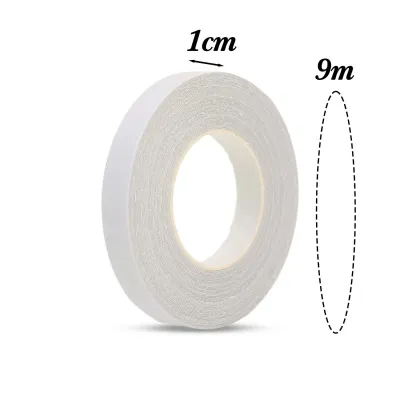
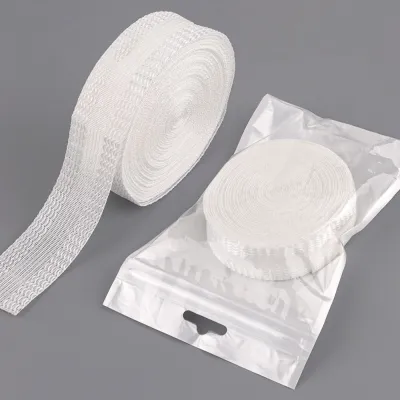
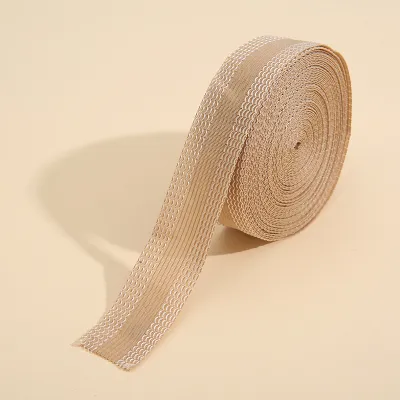
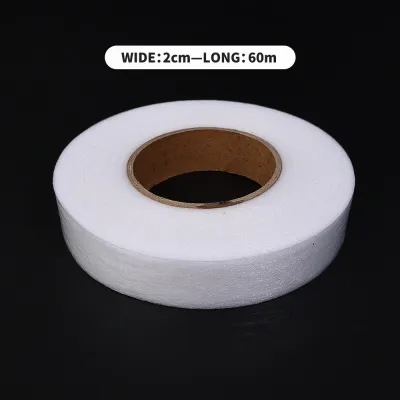
Prices are valid at publication and may change. Please refer to the product page for the latest price.
Before purchasing or applying any hemming product, always check the garment’s care label. If the fabric cannot tolerate high iron temperatures or is marked “dry clean only,” a heat-activated adhesive tape can permanently damage the fibers, making a sew-in option the only safe choice.
Understanding the Basics: Iron-On vs Sew-In Hemming Tape
To make an informed purchasing decision, it is essential to understand that “hemming tape” refers to two entirely different categories of haberdashery. In retail environments and online marketplaces, the term is frequently used colloquially to describe only adhesive-based products, which can lead to costly purchasing mistakes for structural sewing projects.

Iron-On Hemming Tape (Fusible Web)
Iron-on hemming tape is a heat-activated adhesive web or double-sided adhesive strip. It contains no actual fabric; instead, it is composed of synthetic thermoplastic polymers (such as polyamide, copolyester, or polyurethane) that melt when heat and steam are applied. When sandwiched between two layers of fabric and pressed with a household iron, the adhesive liquefies, penetrates the fabric fibers, and solidifies as it cools, creating a chemical bond that holds the hem in place without a single stitch.
Sew-In Hemming Tape (Hem Binding and Facing)
Sew-in hemming tape is a physical strip of woven or knitted fabric. Common varieties include cotton bias tape, rayon seam binding, polyester hem facing, and nylon twill tape. Rather than gluing the layers together, you stitch this tape directly to the raw edge of the fabric. It serves as a protective barrier, enclosing raw edges to prevent fraying, adding structure to lightweight hems, or extending the length of a garment by acting as a hem facing. It relies entirely on a mechanical connection—thread—to secure the hem.
Misidentifying these products can stall your project. Purchasing a fusible web when your delicate silk trousers require a soft, stitched rayon seam binding can ruin the silk with adhesive bleed-through. Conversely, buying a non-adhesive cotton bias tape when you need a five-minute heat-fused repair for a school uniform will leave you without the means to complete the job quickly.
Head-to-Head Comparison: Key Decision Factors
When deciding between these two hemming methods, evaluating how each tape performs under specific conditions will help you avoid garment damage and ensure a lasting finish. The following comparison outlines the critical performance dimensions of both options.
| Decision Dimension | Iron-On Hemming Tape (Fusible Web) | Sew-In Hemming Tape (Stitched Binding) |
|---|---|---|
| Primary Mechanism | Heat-activated thermoplastic adhesive bond | Mechanical stitched attachment (machine or hand) |
| Fabric Compatibility | Best for flat, smooth, heat-tolerant natural and synthetic fibers | Universal; safe for delicate, sheer, textured, or heavy fabrics |
| Durability & Care | Moderate; can degrade over time with frequent hot washes or tumble drying | High; lasts the lifetime of the garment's thread and fabric |
| Tools & Skill Required | Household iron, pressing cloth; minimal technical skill | Sewing machine or hand needle, thread, pins; basic sewing skills |
| Visual Finish | Completely invisible on the exterior; clean, stitch-free look | Visible topstitching on the exterior, or decorative interior edge |
| Reversibility | Difficult; adhesive residue often remains in the fabric fibers | Simple; easily undone by unpicking the stitches with a seam ripper |
Fabric Compatibility and Heat Tolerance
Iron-on tape requires direct heat and pressure to activate. This makes it incompatible with heat-sensitive synthetic fibers like nylon, acetate, or acrylic, which can melt or warp under an iron. It is also unsuitable for highly textured fabrics like velvet, corduroy, or heavily sequined materials, as the pressure of the iron will crush the pile or melt the embellishments. Sew-in tape, because it requires no heat for application, is entirely safe for these sensitive materials.
Durability and Wash Resistance
Stitched hems are inherently more durable than adhesive bonds. The thermoplastic polymers in iron-on tape can gradually break down when exposed to high water temperatures, harsh detergents, dry cleaning solvents, or the intense heat of a tumble dryer. In tropical climates like Singapore, where garments are laundered frequently due to humidity, an iron-on hem may begin to peel or lift after several wash cycles. Sew-in tape remains structurally stable through hundreds of wash and dry cycles, provided the sewing thread matches the durability of the fabric.
Application Tools and Skill Requirements
Iron-on tape is highly accessible to beginners. The only tools required are a standard household iron, a flat ironing board, and a damp pressing cloth. The application takes only a few minutes per garment. Sew-in tape demands a higher level of preparation and skill. You must know how to operate a sewing machine or execute clean hand stitches, such as a blind hem stitch or catch stitch. You also need matching thread, sewing pins, and fabric scissors.
Visual Finish and Aesthetics
If your goal is a perfectly clean, minimalist exterior with zero visible stitching, iron-on tape delivers an invisible bond. This is highly desirable for modern tailored trousers, skirts, and clean-edge curtains. Sew-in tape typically results in a visible line of topstitching on the outside of the garment, unless you perform a meticulous hand-sewn blind hem. However, sew-in tape can also be used decoratively, adding a contrasting pop of color or a clean, professional bias-bound edge to the inside of unlined coats and jackets.
Reversibility and Alteration Flexibility
Children’s clothing, school uniforms, and fashion trends often require hems to be let down or altered. Sew-in tape is highly reversible; you simply slide a seam ripper under the stitches, cut them, and pull the tape away without leaving any trace on the fabric. Iron-on tape is much harder to reverse. Once the adhesive melts into the fabric fibers, removing it completely is difficult. Even if you reheat the tape to peel it apart, a sticky, shiny residue often remains, which can ruin the garment if you attempt to lower the hemline.
When to Choose Iron-On Hemming Tape
Iron-on hemming tape is a highly effective tool when speed, convenience, and a stitch-free appearance are your primary goals. Understanding its ideal applications and physical limits will ensure your adhesive hems do not fail prematurely.
Ideal Scenarios for Fusible Tape
- Quick Alterations and Repairs: If you need to hem a pair of trousers or a skirt for an event and do not have the time or tools for a full sewing session, iron-on tape can complete the task in under ten minutes.
- Lightweight to Medium Natural Fibers: Cotton, linen, and stable cotton-polyester blends respond beautifully to fusible web. The open weave of these fabrics allows the melted adhesive to grip the fibers securely.
- Home Decor Projects: Iron-on tape is excellent for hemming straight-edged window curtains, table runners, and fabric napkins where mechanical stress is low and frequent washing is not required.
- Crafting and Appliqué: Temporary positioning or securing small fabric shapes before final stitching is made much easier with lightweight fusible webs.
Limitations and Material Risks
Standard iron-on tape should not be used on fabrics with low melting points. Sheer silks, delicate chiffons, and synthetic nylons can scorch or melt instantly under the iron temperatures required to activate the adhesive. Furthermore, if the adhesive is too heavy for the fabric, it can seep through to the right side of the garment, leaving a permanent, stiff, shiny stain. Highly textured fabrics like faux fur, velvet, or heavily embroidered textiles will not bond correctly because the adhesive cannot make uniform contact with a flat surface.
Selection Criteria for Fusible Webs
When purchasing iron-on hemming tape, match the weight of the tape to the weight of your fabric. Manufacturers typically categorize these products into three distinct classes:
- Ultra-Lightweight / Fine: Designed for delicate, sheer, or lightweight fabrics. These webs are thin and flexible, ensuring the hem retains its natural drape without becoming stiff.
- Regular / Regular-Weight: The standard choice for everyday garments like cotton trousers, skirts, and lightweight home textiles.
- Heavy-Duty: A thick, dense adhesive web designed for heavy utility fabrics like denim, canvas, and heavy cotton twill. These require more heat and steam to activate but provide a much stronger bond.
Always read the manufacturer’s packaging to verify the tape’s washing and dry-cleaning compatibility. Ensure these parameters align with the care instructions of your garment before proceeding.
When to Choose Sew-In Hemming Tape
Sew-in hemming tape is the professional standard for garment construction, offering unmatched structural integrity, durability, and a polished finish. While it requires more time and technical skill, its performance on complex or high-wear textiles is superior to adhesive alternatives.
Ideal Scenarios for Stitched Tape
- Heavy and Bulky Garments: Heavy wool coats, denim jeans, canvas workwear, and thick upholstery fabrics exert too much physical tension for adhesive webs to hold. Sew-in tape reinforces these heavy edges and keeps them secure under stress.
- Delicate, Sheer, and Luxury Fabrics: Fine silk, satin, chiffon, and lace are easily ruined by heat and glue. Sew-in seam binding or fine lace hem tape protects these delicate raw edges and secures the hem without risk of chemical damage.
- Curved Hems: Hemming a curved edge, such as a circle skirt or a rounded shirt tail, with straight iron-on tape is nearly impossible without creating unsightly puckers. Bias-cut sew-in tape (bias binding) is naturally stretchy and can be easily shaped around curves for a smooth, flat finish.
- High-Stress and High-Wash Items: Children's play clothes, athletic wear, and daily uniforms undergo intense friction and frequent hot-water washing. Stitched hems withstand this wear and tear without peeling.
Limitations and Risks
The primary trade-offs of sew-in tape are the time investment and the learning curve. If you are unfamiliar with sewing machine tensions, needle sizes, or hand-stitching techniques, you may experience issues like puckered seams, skipped stitches, or visible thread lines that detract from the garment’s appearance. Additionally, choosing a sew-in tape that is too heavy or stiff for your garment fabric can create an awkward, bulky ridge at the hemline, ruining the natural drape of the clothing.
Selection Criteria for Sew-In Tapes
To achieve a professional result, you must match the fiber content, weight, and cut of the sew-in tape to your project fabric. This ensures that when the garment is washed, both the fabric and the tape shrink and stretch at the same rate, preventing puckering.
- Fiber Matching: Use cotton bias tape for cotton and linen garments. Use rayon or polyester seam binding for silk, wool, and synthetic garments.
- Bias-Cut vs. Straight-Cut: Choose bias tape (cut on a 45-degree angle) for any curved hemlines or necklines to allow for stretch. Choose straight-cut seam binding or hem facing for straight, stable hemlines on trousers or skirts.
- Weight Matching: Ensure the tape is of a similar or slightly lighter weight than the garment fabric. Heavy twill tape on a lightweight summer dress will pull the hem down awkwardly, while delicate rayon binding on heavy denim will fail to provide adequate edge protection.
How to Test and Verify Before You Commit
Because applying the wrong hemming method can permanently damage your fabric, conducting safe, reversible tests on a scrap of fabric or an inconspicuous area of the garment is a mandatory step in any project. These tests allow you to observe how the materials interact before making a permanent commitment.
1. The Heat and Adhesive Test (For Iron-On Tape)
Before applying fusible tape to your garment, locate a scrap of the same fabric or use a hidden interior seam allowance to perform a heat tolerance and bleed-through test.
- Step 1: Set your iron to the temperature recommended on the hemming tape packaging. Disable the steam setting initially.
- Step 2: Place a small piece of the iron-on tape between two layers of your test fabric. Always place a clean, dry pressing cloth (such as a scrap of plain cotton fabric) between the iron and your garment to protect the fibers.
- Step 3: Press the iron firmly onto the pressing cloth over the test area for the exact number of seconds specified by the manufacturer (typically 10 to 15 seconds). Do not slide the iron back and forth, as this can shift the tape; press straight down.
- Step 4: Allow the fabric to cool completely for at least two minutes. Inspect the fabric for any signs of scorching, melting, color shifting, or a stiff, shiny residue seeping through to the right side. If the fabric feels excessively stiff or the adhesive has bled through, switch to a lighter-weight tape or a sew-in method.
2. The Drape and Bulk Test (For Sew-In Tape)
To ensure your chosen sew-in tape does not alter the natural movement of your garment, perform a temporary fitting test.
- Step 1: Pin the sew-in tape along the raw edge of your garment's hem as intended, folding the hem up into its final position.
- Step 2: Hang the garment on a hanger or dress form, or try it on. Observe how the fabric falls at the hemline.
- Step 3: Check for any stiff ridges, puckering along the pinned line, or an unnatural flare at the bottom of the skirt or trouser leg. If the hem looks bulky or does not drape naturally, the tape is too heavy. You will need to select a lighter, softer seam binding or use a fine hand-stitched hem without tape.
3. The Wash Simulation
If your garment will be laundered frequently, test the durability of your chosen method on a prepared fabric scrap before finishing the actual garment.
- Step 1: Hem a small scrap of your fabric using your chosen iron-on or sew-in method.
- Step 2: Wash and dry the test scrap according to the garment's care label instructions, using your standard laundry detergent.
- Step 3: Inspect the washed scrap. Check if the iron-on tape has begun to peel, bubble, or lift at the corners. For the sew-in tape, check for uneven shrinkage between the tape and the fabric, which causes puckering along the stitch line. If the iron-on tape lifts, you may need a stronger adhesive weight, or you should transition to a stitched hem.
The Stop Condition
If your garment’s care label explicitly states “Do Not Iron,” or if your heat test results in fabric scorching, fiber melting, or permanent adhesive staining, you must stop immediately. Do not attempt to use iron-on hemming tape. Instead, proceed with a sew-in hemming tape, use a traditional hand-stitched blind hem, or consult a professional tailor to ensure the garment is not ruined.
Frequently Asked Questions (FAQ)
Can I use iron-on hemming tape on denim or heavy wool?
Standard lightweight iron-on hemming tape is generally insufficient for thick, dense fabrics like denim or heavy wool. The adhesive web is too thin to penetrate and grip the deep, heavy fibers, causing the bond to fail quickly under the physical weight of the hem. If you must use a fusible option, you must purchase a heavy-duty fusible web specifically formulated for thick utility fabrics. However, for a truly permanent, secure hold that withstands the heavy wear and frequent washing typical of denim and wool, a stitched hem using a sewing machine or sew-in hem tape is highly recommended.
Does sew-in hemming tape prevent fraying?
Whether sew-in tape prevents fraying depends entirely on how it is applied. If you use bias tape or double-fold seam binding to fully encase the raw edge of the fabric before stitching, it will completely seal the edge and prevent any fraying. However, if you apply a standard flat hem facing or single-fold seam binding to a folded hem without finishing the raw edge first, the fabric inside the fold can still fray over time. Before applying flat sew-in tape, ensure the raw edge of your fabric is finished with a serger, a zigzag stitch, or pinking shears to guarantee long-term durability.
How do I remove iron-on hemming tape if I make a mistake?
To remove iron-on hemming tape, you must carefully reheat the adhesive to soften it. Place a damp pressing cloth over the hem and press with a hot iron for several seconds to steam and liquefy the glue. Gently and slowly peel the fabric layers apart while they are still warm. To address any remaining sticky residue, apply a specialized fabric adhesive remover or rub the area gently with a cloth soaked in rubbing alcohol, ensuring you test this solvent on a hidden area first to check for colorfastness. Be aware that reheating carries a high risk of damaging delicate, heat-sensitive fabrics, so extreme caution is required.

Community discussion
Share your experience or ask a question. Comments are reviewed before publication.