
When altering a garment or finishing a home decor project, selecting the right hemming method directly impacts both the appearance and the lifespan of your fabric. The decision between iron-on (fusible) hemming tape and sew-in hemming tape hinges on three critical factors: your fabric’s physical properties, the level of durability your project demands, and your personal comfort level with a needle and thread.
At a high level, iron-on hemming tape serves as a fast, accessible, no-sew alternative. It is best suited for quick emergency repairs, lightweight to medium-weight stable fabrics, and beginners who do not own a sewing machine. Conversely, sew-in hemming tape is a professional-grade stabilizer or binding that is physically stitched into place. This method is ideal for heavy-duty textiles, delicate or heat-sensitive materials, high-wear garments, and crafters comfortable with basic hand or machine stitching.
Understanding the distinct mechanics, material limitations, and application techniques of each tape type will help you avoid ruined fabrics and collapsed hems. The following sections break down the performance trade-offs of each option to help you make an informed choice for your next sewing or alteration project.
Products mentioned in this guide
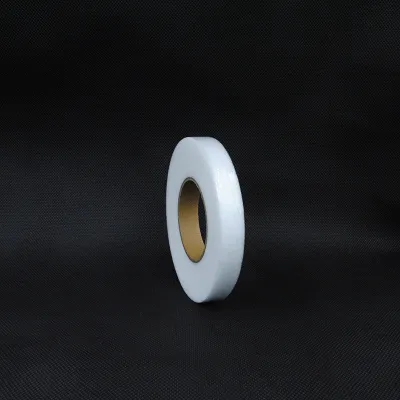
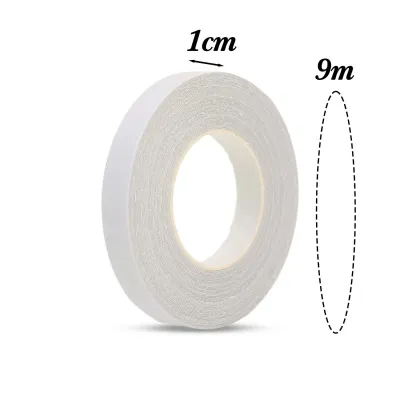
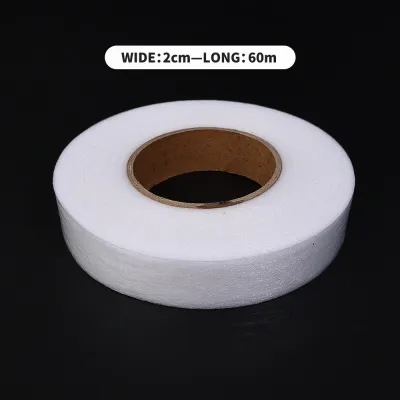
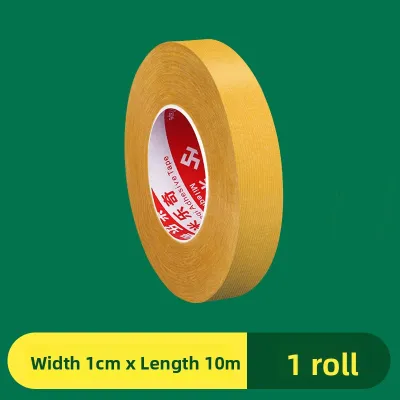
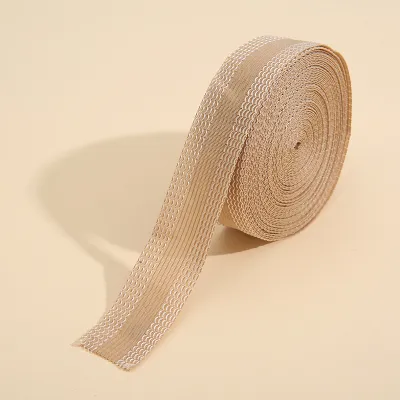
Prices are valid at publication and may change. Please refer to the product page for the latest price.
Understanding the Basics: How Each Tape Works
Iron-on hemming tape, often referred to as fusible web or bonding tape, is a heat-activated adhesive strip. It is manufactured from thermoplastic polymers, such as polyamide or copolyester, which melt when subjected to heat and steam. When sandwiched between two layers of fabric and pressed with a hot iron, the adhesive liquifies, flows into the textile fibers, and solidifies as it cools, creating a chemical and physical bond that holds the layers together without any thread.
Sew-in hemming tape, on the other hand, is a non-adhesive textile strip. It is typically woven from cotton, polyester, rayon, or nylon, and is available in various forms, including bias tape, seam binding, and lace hem tape. Instead of gluing the layers together, you fold this tape over the raw edge of the fabric or stitch it flat against the hemline, securing it mechanically with thread. It acts as a structural stabilizer, preventing the raw edges from fraying while reinforcing the hemline against daily wear.
The fundamental difference between the two lies in their bonding mechanisms: one relies on thermal adhesives to fuse fibers together, while the other relies on mechanical thread tension and fabric integration. This difference dictates how each tape behaves under physical stress, heat, and moisture, directly influencing which projects they can successfully support.
Key Comparison Dimensions for Your Project
To determine which hemming tape is right for your project, you must evaluate how each option performs across several critical dimensions, ranging from fiber compatibility to long-term wear.

Fabric Compatibility and Heat Sensitivity
Iron-on hemming tape is highly compatible with stable, natural, and blended fibers of medium weight, such as cotton, linen, and standard polyester blends. However, because it requires direct heat and pressure to activate the adhesive, it poses a significant risk to heat-sensitive materials. Delicate synthetics like acrylic, acetate, and nylon, as well as fine natural luxury fibers like silk, can easily scorch, melt, or develop permanent shiny marks under the high temperatures required for a secure fuse.
Furthermore, lightweight or loosely woven fabrics, such as chiffon, organza, or fine rayon, are susceptible to adhesive bleed-through. When the thermoplastic web melts, it can seep through the thin face of the fabric, leaving unsightly, stiff, and sticky patches on the exterior of the garment. Heavily textured fabrics, such as velvet, corduroy, or highly embossed materials, are also poor candidates for fusible tape, as the heat and pressure required to set the bond will crush the fabric pile.
Sew-in hemming tape is universally compatible with all fabric types because its application does not require heat. It is the safest choice for delicate, textured, and highly heat-sensitive materials. Because it is stitched rather than fused, there is zero risk of adhesive bleed-through or fiber melting, making it the standard choice for high-end tailoring and delicate fabric alterations.
Durability and Washability
While iron-on hemming tape provides a strong initial bond, its durability is inherently limited. The chemical adhesive can degrade over time when exposed to repeated machine washing, high-temperature tumble drying, or dry-cleaning solvents. In warm, humid environments like Singapore, the combination of ambient moisture and body heat can accelerate the breakdown of lower-quality adhesives, causing the hem to peel or lift at the corners.
To maximize the lifespan of a fused hem, you must carefully inspect the tape’s packaging specifications and match them with the garment’s care label. Many fusible tapes require gentle washing cycles in cold water and air-drying to maintain their structural integrity. If a garment requires frequent, heavy laundering—such as children’s play clothes or work uniforms—fusible tape is generally not a reliable long-term solution.
Sew-in hemming tape offers permanent durability that matches or exceeds the lifespan of the garment itself. Because the bond is secured by interlocking threads, it is highly resistant to repeated washing, high-temperature drying, dry cleaning, and intense mechanical stress. If a stitch does eventually break, it can be easily repaired with a few hand stitches without needing to replace the entire hem support.
Skill Level and Equipment Requirements
Iron-on hemming tape is the ultimate user-friendly option for those with no sewing experience. The equipment required is minimal and readily available in most households: a standard iron with steam capabilities, an ironing board or flat heat-resistant surface, and a clean pressing cloth to protect the fabric face. No knowledge of stitch patterns, needle sizes, or tension settings is required, making it an excellent entry-point solution for quick home crafts or emergency wardrobe fixes.
Sew-in hemming tape demands a foundational understanding of sewing techniques and a broader toolkit. To apply it successfully, you will need hand-sewing needles or a sewing machine, pins or basting thread to hold the tape in place, and a thread color that precisely matches your fabric.
If you are sewing by hand, you must be comfortable with stitches like the blind catch stitch to ensure the hem remains invisible from the outside. If you are using a machine, you must know how to adjust the tension, select the correct needle type (such as a sharp microtex needle for fine silks or a heavy-duty needle for denim), and guide the fabric evenly to prevent puckering.
Finish, Drape, and Reversibility
Applying iron-on hemming tape introduces a layer of synthetic polymer into the hemline, which naturally adds stiffness. On structured garments like heavy cotton trousers or canvas tote bags, this added rigidity can be beneficial, helping the hem maintain a clean, crisp line. However, on fluid, lightweight garments like summer dresses, silk skirts, or soft drapes, the adhesive layer can ruin the natural drape, causing the fabric to hang awkwardly or fold in rigid, unnatural angles.
Additionally, iron-on tape is difficult to reverse. Once the adhesive has melted into the fabric fibers, removing it completely is a challenge. Even if you reheat the hem to peel the layers apart, a sticky, greyish adhesive residue is often left behind, which can attract dirt and ruin the appearance of the fabric, making it unsuitable for temporary alterations.
Sew-in hemming tape preserves the natural drape, flexibility, and movement of the textile. Because the tape is soft and flexible, the hemline retains its fluid motion, swaying naturally with the wearer.
Crucially, sew-in hems are completely and easily reversible. If you need to let down a hem for a growing child, adjust a rental garment, or alter a vintage piece, you simply slip a seam ripper under the stitches and slide it loose. The fabric will return to its original state without any sticky residue or fiber damage.
Iron-On vs Sew-In Hemming Tape: At a Glance
The table below summarizes the key differences between iron-on and sew-in hemming tapes to help you quickly identify the best option for your project.
| Attribute | Iron-On (Fusible) Hemming Tape | Sew-In Hemming Tape |
|---|---|---|
| Best For | Quick fixes, temporary crafts, stable garments | Permanent tailoring, high-wear apparel, delicate items |
| Fabric Suitability | Medium-weight cotton, polyester, stable blends | All fabrics, including silk, wool, velvet, and knits |
| Durability | Moderate; can degrade with heat, moisture, and washing | High; permanent hold that resists frequent washing and dry cleaning |
| Tools Needed | Iron, ironing board, pressing cloth | Sewing machine or hand needles, thread, pins, scissors |
| Drape & Stiffness | Adds stiffness; can restrict fluid movement | Maintains natural drape and flexibility of the textile |
| Reversibility | Difficult; often leaves permanent adhesive residue | Excellent; easily reversed by cutting the stitches |
| Standard Widths | Typically 10mm to 25mm | Typically 12mm to 50mm |
| Price Range | Budget-friendly (S$3 to S$10 per roll) | Budget to mid-range (S$5 to S$15 per roll) |
Decision Framework: When to Use Which Tape
When standing in the haberdashery aisle or looking at your sewing table, use this structured framework to make your final selection.
Choose Iron-On Hemming Tape If…
- You are facing a time crunch: You need to fix a fallen hem on a pair of trousers or a dress minutes before an event or a workday.
- The project involves stable, flat fabrics: You are working with medium-weight cottons, linens, or polyester blends that can safely withstand high iron temperatures.
- The item will not undergo frequent washing: You are hemming decorative home items like lightweight window curtains, table runners, or holiday costumes that are washed infrequently.
- You do not own sewing equipment: You want a clean, finished look without investing in a sewing machine, needles, or specialized sewing skills.
Choose Sew-In Hemming Tape If…
- The garment is a long-term investment: You are altering high-quality wardrobe staples, formal wear, or vintage garments that you expect to wear and wash for years.
- The fabric is delicate or highly textured: You are working with silk, chiffon, rayon, velvet, wool, or heavily beaded fabrics that would be crushed or melted by an iron.
- The garment requires a soft, fluid silhouette: You want to maintain the natural, swinging drape of a circle skirt, a bias-cut dress, or wide-leg trousers.
- The project involves heavy-duty materials: You are working with thick denim, canvas, or heavy upholstery fabrics where physical thread tension is required to hold the thick folds in place.
Verify First If…
- The fabric has a specialized finish: Water-repellent, stain-resistant, or wax-coated fabrics may chemically resist thermoplastic adhesives, causing iron-on tape to peel off almost immediately. For these fabrics, a sew-in tape applied with a specialized needle is required.
- The garment is highly structured: Tailored suit jackets, coats, or corsetry often feature internal canvas, horsehair braid, or weights. Standard hemming tapes cannot replicate these structural elements; consult a professional tailor if you are unsure how to preserve the garment's shape.
- The care label prohibits heat: If a garment is marked "Do Not Iron" or "Dry Clean Only," the heat required to activate fusible tape will damage the fibers, or the dry-cleaning solvents will dissolve the adhesive. Always follow the manufacturer's care instructions first.
Best Practices for a Clean, Secure Hem
Regardless of the tape type you choose, achieving a professional, clean finish requires careful preparation and precise execution.
Preparing the Fabric and Workspace
Before applying any tape, you must prepare your textile. If you are working with new fabric or a newly purchased garment, pre-wash and dry it according to its care instructions. Natural fibers like cotton and linen often shrink during their first wash; hemming before washing can result in a puckered, distorted hemline later.
Next, measure your desired hem length carefully using a sewing gauge or ruler. Fold the fabric to the target length and press the fold flat with an iron to create a sharp, visible crease. If you are working with delicate fabrics, always place a clean, dry pressing cloth between the iron and the fabric to prevent scorching.
Finally, ensure your workspace is clean. Wipe down your ironing board and inspect your iron’s soleplate. Any residual starch, burnt adhesive, or dirt on the iron can transfer to your fabric, leaving permanent stains.
Applying the Tape Safely
When applying your chosen tape, precision prevents damage to your project fabric.
For Iron-On Tape:
- Cut the tape to the exact length of the hem; do not let the tape extend past the fabric edge, or it will melt directly onto your iron's soleplate.
- Sandwich the tape completely between the folded layers of fabric.
- Place a damp pressing cloth over the hem area.
- Press the iron down firmly on the cloth for 10 to 15 seconds. Do not glide or slide the iron back and forth, as this motion can shift the tape and distort the fabric hem.
- Lift the iron, move to the next section, and repeat.
- Allow the fused hem to cool completely on a flat surface for at least 5 to 10 minutes before moving or wearing the garment, allowing the polymer bond to fully set.
For Sew-In Tape:
- Align the tape along the raw edge of the fabric hem and pin or baste it in place to prevent shifting.
- Select a sewing machine needle size that matches your fabric weight (e.g., size 70/10 for lightweight silks, size 90/14 for medium cottons).
- Use high-quality polyester or cotton thread that matches the color of the fabric face.
- Stitch slowly along the designated stitching line, keeping your seam allowance consistent.
- Remove pins as you approach them; never sew directly over pins, as this can bend the needle or damage your sewing machine's timing.
Always perform a complete test run on a 10cm scrap piece of your project fabric first. This allows you to verify that the adhesive bonds securely, the iron temperature is safe, or your sewing machine’s thread tension and needle size are perfectly adjusted before working on your actual garment.
Frequently Asked Questions (FAQ)
Can I use iron-on hemming tape on stretchy fabrics like knits?
Standard iron-on hemming tape is rigid and does not stretch. If applied to stretch knits, jersey, or activewear, the adhesive strip will restrict the fabric’s natural elasticity, causing the hemline to pucker, ripple, or pop open when the garment is pulled or worn. For stretchy fabrics, you should use a specialized stretch-fusible web designed to flex with the fibers, or opt for a sew-in method using a flexible stretch stitch (such as a zigzag or twin-needle stitch) on your sewing machine.
How do I remove iron-on hemming tape if I make a mistake?
To remove iron-on hemming tape, you must reheat the adhesive to soften it. Place a damp pressing cloth over the hem and press a hot steam iron down for 10 seconds, then immediately and gently peel the fabric layers apart while they are still warm. To address any sticky adhesive residue left behind on the fibers, you can apply a specialized fabric adhesive remover or take the garment to a professional dry cleaner, but always test any liquid solvent on an inconspicuous, hidden area of the fabric first to ensure it does not cause color loss or fiber degradation.
Is hemming tape strong enough for heavy curtains or upholstery?
While heavy-duty iron-on hemming tapes are available, the constant gravitational pull and physical weight of heavy floor-length curtains or thick upholstery fabrics can cause chemical adhesives to fail over time, especially in warm, humid climates. For heavy home decor projects, a sew-in hemming tape or traditional machine stitching is highly recommended. The mechanical strength of thread ensures that the heavy fabric layers remain securely bonded for years without the risk of sudden peeling or sagging.
Community discussion
Share your experience or ask a question. Comments are reviewed before publication.