
Choosing between iron-on and sew-in hem tape is the deciding factor between a five-minute, no-sew repair and a highly durable, professional finish. Iron-on hem tape is ideal for quick, no-sew repairs on heat-tolerant, woven fabrics, while sew-in hem tape is necessary for delicate, heat-sensitive, or highly stretchy materials that require mechanical stitching for lasting durability. Your choice depends primarily on your fabric’s heat tolerance, the project’s permanence requirements, and the tools you have available.
In warm, humid climates like Singapore, garments undergo frequent laundering to stay fresh. This regular washing puts significant stress on clothing seams and hems. Understanding how different hemming tapes interact with moisture, heat, and fabric fibers is essential to prevent your hems from unraveling at inconvenient moments. By evaluating your fabric type and project goals beforehand, you can select a hemming solution that looks clean, drapes naturally, and stands up to daily wear.
Core Differences in Application and Required Tools
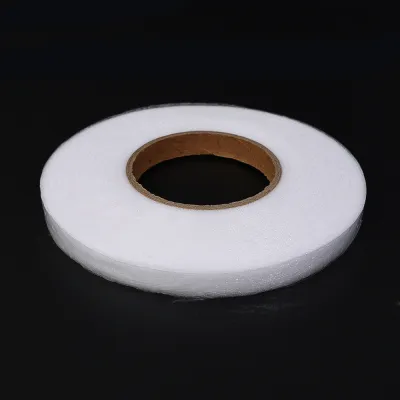
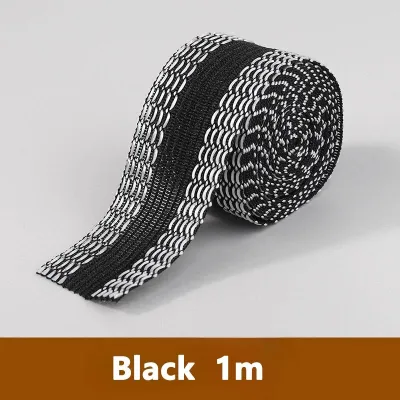
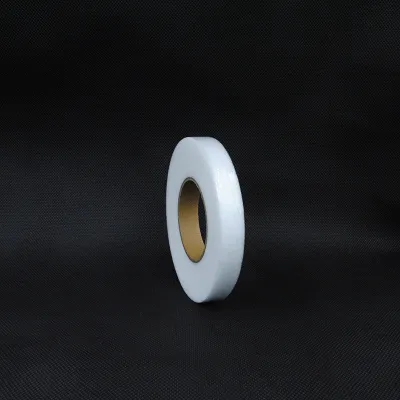
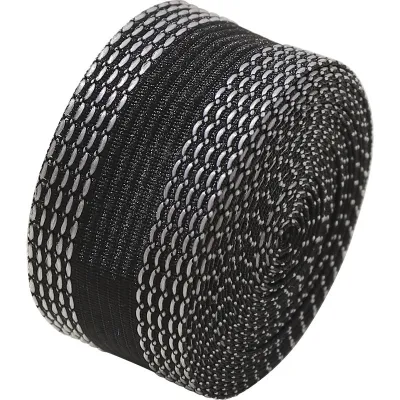
The primary distinction between these two haberdashery staples lies in how they bond with your fabric. Iron-on hem tape, often referred to as fusible web, consists of a heat-activated adhesive that melts when pressed. This melted adhesive penetrates the fabric fibers, fusing the folded hem layers together as it cools. In contrast, sew-in hem tape is a non-adhesive fabric strip—typically made of woven polyester, rayon, or cotton—that is stitched directly onto the raw edge of the fabric to stabilize it and provide a clean, bulk-free edge for hand or machine stitching.
Products mentioned in this guide
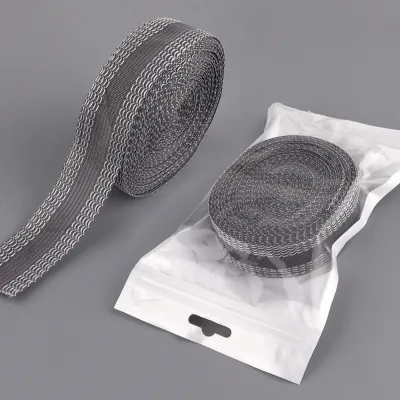
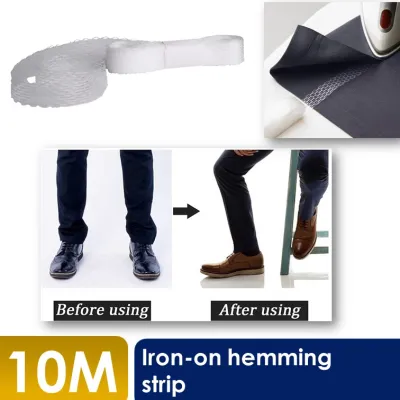
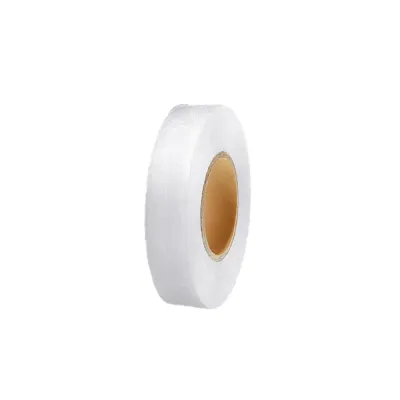
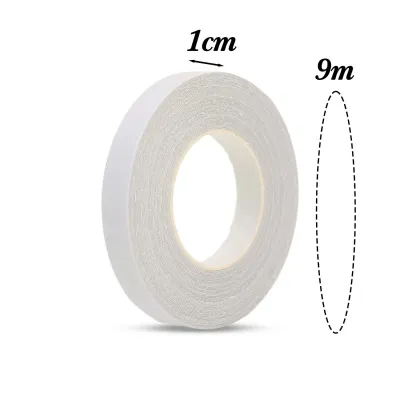
Prices are valid at publication and may change. Please refer to the product page for the latest price.
The tools required for each method dictate the preparation and workspace needed. For iron-on tape, you need a household iron with adjustable temperature settings, a flat ironing board, and a damp pressing cloth to protect the garment’s surface from direct heat. For sew-in tape, your toolkit must include a sewing machine or hand-sewing needles, pins to secure the tape in place, scissors, and a spool of thread that matches your fabric color.
These differing application methods also influence the skill level and time investment required. Iron-on tape is highly accessible for beginners and requires no sewing experience, making it a popular choice for rapid, last-minute alterations. However, it demands careful alignment and patience, as rushing the heating process can result in weak bonds or misaligned hems. Sew-in tape requires basic sewing proficiency, such as executing a straight stitch or a blind hem stitch, and takes longer to complete. Despite the extra time, it offers greater control over the fabric’s drape and allows for precise adjustments during the sewing process.
Fabric Compatibility and Heat Tolerance Limits
Before purchasing any hem tape, checking your fabric’s care label is a critical first step. The care label provides essential clues about the material’s thermal limits, usually indicated by iron symbols with one, two, or three dots. Iron-on hem tape requires a specific level of heat and steam to activate its adhesive properties fully. If your garment is made of heat-sensitive synthetic fibers like nylon, acrylic, or spandex, the high temperature needed to melt the tape can easily scorch, glaze, or melt the fabric itself.

Using chemical adhesives on highly stretchy, textured, or delicate fabrics presents unique challenges. On elastic materials like knitwear or activewear, standard iron-on adhesives create a rigid, inflexible bond. When the fabric stretches during wear, the adhesive barrier restricts movement, causing the fabric to pucker or the bond to crack and fail. On textured fabrics like velvet, corduroy, or heavy wool, the adhesive may not penetrate the pile evenly, leading to an insecure hold. Furthermore, lightweight and sheer fabrics like silk, chiffon, or thin polyester are highly susceptible to adhesive bleed-through, where the melted glue seeps through the weave, leaving permanent, unsightly shiny patches on the visible side of the garment.
Sew-in hem tape becomes the mandatory choice when working with these sensitive, delicate, or highly elastic materials. Because it relies on mechanical stitching rather than chemical melting, sew-in tape poses zero risk of thermal damage or adhesive staining. It preserves the natural drape and flexibility of lightweight silks and stretchy knits, ensuring the finished hem moves fluidly with the body.
Durability, Washability, and Long-Term Permanence
The longevity of your hem depends heavily on the type of bond holding the fabric layers together. Sew-in hem tape relies on a mechanical bond created by interlocking threads. This physical connection is incredibly resilient, easily withstanding repeated machine washing, high-temperature drying, and professional dry cleaning without losing its structural integrity. It is a reliable method for garments that undergo heavy wear and frequent laundering, such as school uniforms, work trousers, and everyday casual wear.
Iron-on hem tape relies on a chemical bond that is inherently more vulnerable to environmental factors. Over time, exposure to hot water, harsh detergents, fabric softeners, and the high heat of a tumble dryer can cause the adhesive to degrade. In humid environments, the constant moisture in the air can also slowly weaken the chemical bond, leading to peeling at the corners or a sagging hemline. To maximize the lifespan of an iron-on hem, you must carefully verify the manufacturer’s wash temperature limits and dry-cleaning restrictions printed on the tape’s packaging.
Another key consideration is the reversibility of the alteration. Sew-in tape is completely reversible and adjustable; if you need to let down a hem or adjust its length, you can simply use a seam ripper to snip the stitches, remove the tape, and press the fabric flat. Iron-on tape, however, is designed to be permanent. While it can sometimes be reheated and peeled away, it often leaves behind a stiff, sticky adhesive residue that is incredibly difficult to remove without damaging the fabric fibers. This makes iron-on tape less suitable for children’s clothing that needs to be let down as they grow, or for high-value garments where preserving the original fabric condition is paramount.
Decision Framework: Matching Tape to Your Project
To simplify your purchasing decision, evaluate your project against these specific criteria to determine which hem tape type best meets your needs.
Choose Iron-On If…
- You need to complete a quick, temporary, or emergency repair before an event.
- You are working with stable, medium-weight woven fabrics like cotton, linen, or lightweight denim.
- You do not own a sewing machine or prefer a completely no-sew hemming method.
- The garment will be washed infrequently or dry-cleaned according to the tape's specifications.
Choose Sew-In If…
- You are working with delicate, sheer, heat-sensitive, or highly stretchy fabrics.
- The item is a heavy-duty home textile, such as heavy drapes, curtains, or upholstery, where gravity will pull down adhesive bonds over time.
- You want a permanent, professional-grade finish that can withstand frequent, high-temperature laundering.
- You want the flexibility to alter or reverse the hem length in the future without leaving residue.
Verify First If…
- You are dealing with fiber blends (e.g., a cotton-polyester mix). Always test a small piece of iron-on tape on an inconspicuous area or fabric scrap first to check for heat tolerance and adhesive compatibility.
- The garment requires frequent dry cleaning, as some dry-cleaning solvents can dissolve fusible adhesives.
| Fabric or Project Type | Recommended Tape Type | Key Selection Criteria |
|---|---|---|
| Cotton & Linen Wovens | Iron-On or Sew-In | High heat tolerance; accepts both methods beautifully |
| Silk, Chiffon, & Satin | Sew-In | Prevents adhesive bleed-through and preserves drape |
| Polyester, Nylon, & Acrylic | Sew-In | Eliminates the risk of fabric melting or scorching |
| Knits, Spandex, & Activewear | Sew-In | Maintains fabric elasticity and prevents puckering |
| Heavy Denim, Canvas, & Curtains | Sew-In | Provides the mechanical strength needed for heavy weights |
| Quick Pant or Skirt Repairs | Iron-On | Offers a fast, low-profile, and convenient solution |
Pre-Purchase Verification and Sizing Checklist
Before heading to the checkout, taking a few precise measurements and checking product specifications will save you time and prevent project errors. First, measure your hem allowance—the width of the folded fabric that forms the hem. You should select a hem tape width that is slightly narrower than your hem allowance. For example, if your folded hem is 2 cm wide, a 1.5 cm tape is ideal. Choosing a tape that is too wide will cause excess adhesive to ooze out during ironing, sticking to your iron or leaving shiny marks on the outside of your garment.
Next, examine the material composition of the tape itself. Iron-on tapes are typically made of polyamide, polyester, or polyurethane, each offering different levels of flexibility and wash resistance. Sew-in tapes are available in cotton, rayon, or polyester blends. Ensure the tape’s fiber content and care instructions are compatible with your garment’s fabric blend to avoid uneven shrinkage during washing.
Finally, if you are working on a critical, highly visible, or expensive sewing project, it is highly recommended to purchase a small test pack of hem tape first. These starter rolls are affordable, typically ranging from S$3 to S$8. Testing the tape on a scrap piece of your project fabric allows you to observe the bond strength, check for any adhesive bleed-through, and evaluate the final drape of the hem before committing to the entire garment. Additionally, check the retailer’s return policy to ensure you can exchange unused rolls if you find the width or style is not a suitable fit for your sewing kit.
Frequently Asked Questions (FAQ)
Can I use iron-on hem tape on stretchy knit fabrics?
Standard iron-on hem tape is not recommended for stretchy knit fabrics because the adhesive creates a stiff, rigid bond. When the knit fabric stretches, this rigid barrier prevents the material from expanding, leading to puckering, distorted seams, or cracking of the adhesive bond. For stretchy garments, it is best to use sew-in hem tape, which allows the mechanical stitches to flex with the fabric, or seek out specialized stretch-fusible tapes designed specifically to expand with elastic fibers.
How do I remove iron-on hem tape if I make a mistake?
To remove iron-on hem tape, you must reheat the adhesive to soften it. Place a damp pressing cloth over the hemmed area and press it with a hot iron for several seconds to reactivate the glue. While the fabric is still warm, gently and slowly peel the two layers of fabric apart. If any sticky adhesive residue remains on the fabric, you can try pressing a scrap piece of clean cotton fabric over the residue to absorb it, or apply a mild, fabric-safe adhesive remover after testing it on an inconspicuous area first.

Community discussion
Share your experience or ask a question. Comments are reviewed before publication.