
Indian cotton fabric is distinguished by its incredible breathability, diverse traditional weaves, and a unique texture that balances a soft, rustic feel with structural stability. Unlike highly standardized, slick commercial cottons, Indian cotton preserves a natural, matte character that softens beautifully with every wash. This makes it an exceptional choice for warm-weather apparel and detailed sewing crafts, offering a distinct aesthetic and tactile experience that stands out in the world of textiles.
Understanding what sets this fabric apart requires looking at how the cotton is grown, spun, and woven. From the gossamer-light drape of ancient weaves to the sturdy structure of handloom fabrics, Indian cotton offers a versatile palette for creators. Choosing the right variety and preparing it correctly ensures that your sewing projects are both beautiful and durable.
Core Characteristics of Indian Cotton Fabric
To appreciate Indian cotton fabric, one must first understand its physical and structural traits. These inherent qualities dictate how the fabric behaves under a sewing machine needle, how it drapes on the body, and how it performs over years of wear.
Products mentioned in this guide
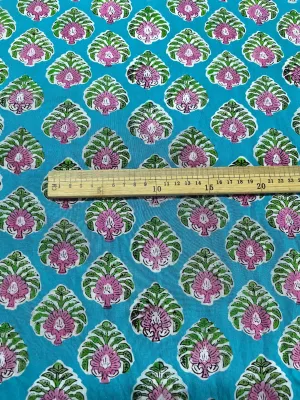
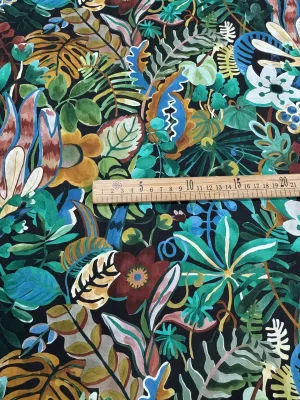
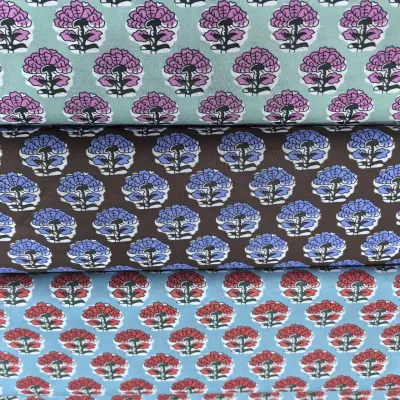
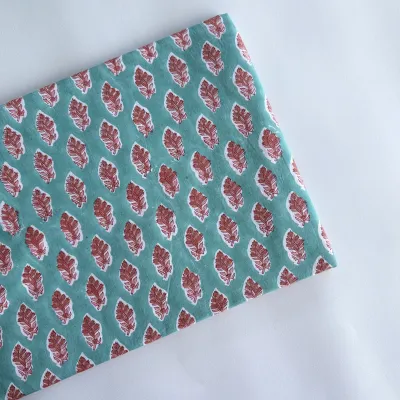
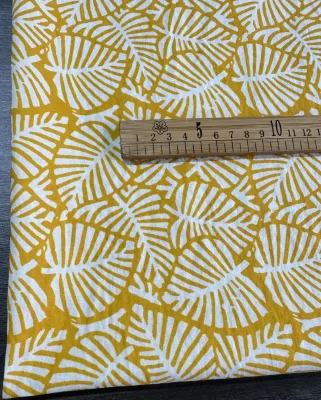
Prices are valid at publication and may change. Please refer to the product page for the latest price.
Fiber Length and Staple Variations
A significant portion of traditional Indian cotton is produced from short-to-medium staple fibers, harvested from indigenous cotton varieties. Short-staple fibers yield a yarn with more character, featuring tiny, natural variations that translate into a textured, tactile fabric. However, the Indian textile landscape is highly diverse. The country also produces prestigious long-staple and extra-long-staple cottons, such as Suvin cotton. Suvin is highly sought after for its fine, strong fibers that rival the best Giza or Pima varieties, allowing weavers to spin incredibly fine, strong yarns that feel exceptionally smooth.
Texture and Hand Feel
Traditional Indian cottons, particularly those woven on handlooms (such as Khadi), possess a distinctively rustic, slightly uneven hand feel. This organic texture is a hallmark of artisan craftsmanship rather than a defect. The slight variations in yarn thickness create a fabric that feels substantial yet breathable. Even commercial-grade Indian cotton cambric or voile maintains a lightweight, crisp quality that feels dry and comfortable against the skin, avoiding the synthetic, slippery feel of heavily processed polyester-blend cottons.
Breathability and Moisture Management
The open-weave structures of many traditional Indian fabrics, combined with the natural moisture-wicking properties of the cotton fiber, allow for superb air circulation. In hot and humid climates like Singapore, where humidity levels frequently exceed 80%, this breathability is crucial. The fabric quickly absorbs perspiration and allows it to evaporate, keeping the wearer cool and comfortable throughout the day. The natural fibers do not trap heat, making Indian cotton garments feel significantly cooler than synthetic alternatives.
Weave Diversity
Indian cotton is processed into an array of distinct weaves, each suited to different purposes:
- Mulmul: Often referred to as cotton voile or royal muslin, this is an ultra-fine, sheer, and gossamer-light weave that drapes elegantly and feels incredibly soft.
- Cambric: A closely woven, smooth, and slightly crisp plain-weave fabric that offers excellent structure and opacity for everyday wear.
- Handloom (Khadi): Hand-spun and hand-woven fabrics that offer a thicker, highly textured, and highly durable option with a rich, organic appearance.
- Kalamkari and Block-Print Bases: Typically medium-weight, plain-weave cottons designed specifically to absorb and showcase intricate hand-stamped natural dyes.
Indian Cotton vs. Other Popular Cotton Varieties
To choose the right fabric for your sewing project, it is helpful to compare Indian cotton with other global standards. While Egyptian and Pima cotton are celebrated for their long, uniform fibers that create a silky, lustrous surface, standard Indian cotton focuses on lightweight comfort, breathability, and a matte, natural finish.

Texture and Finish
Egyptian and Pima cotton fabrics undergo intensive processing and mercerisation to enhance their sheen and strength, resulting in a smooth, luxurious surface ideal for high-end bedding and formal shirts. In contrast, standard Indian cotton is typically left with its natural matte finish. It does not possess a high sheen, but it offers a charming, lived-in aesthetic that feels casual, artistic, and deeply authentic. For projects where a rustic or relaxed look is desired, Indian cotton is unmatched.
Durability and Aging
One of the most remarkable traits of Indian cotton is how it responds to laundering. While highly refined, long-staple cottons can sometimes pill or lose their initial silky luster over time if not cared for meticulously, Indian cotton actually improves with age. The fibers relax with repeated washing, making the fabric progressively softer and more supple while retaining its structural integrity. It resists pilling remarkably well due to the way the yarns are spun and woven.
Comparison Table
| Fabric Type | Average Staple Length | Texture & Finish | Breathability | Best Sewing Applications | Typical Price Band |
|---|---|---|---|---|---|
| Indian Cotton | Short to Medium (Suvin is Extra-Long) | Matte, slightly textured to ultra-soft, rustic | Exceptional | Summer wear, kurtis, block-print quilts, light curtains | Budget to Mid-Range |
| Egyptian Cotton | Extra-Long | Silky, highly smooth, lustrous | High | Luxury bed linens, formal shirts, high-end apparel | Premium |
| Pima Cotton | Extra-Long | Very smooth, soft, slight sheen | High | Premium t-shirts, knitwear, soft children's wear | Premium |
| Standard Upland | Medium | Uniform, standard commercial finish | Moderate to High | General utility fabrics, basic quilting, casual wear | Budget |
Ideal Sewing Projects for Indian Cotton
Translating the unique characteristics of Indian cotton into successful sewing projects requires matching the weight and drape of the fabric to the right pattern. The versatility of this material makes it a favorite for both apparel and home crafts.
Warm-Weather Apparel
The lightweight and breathable nature of Indian cotton makes it the premier choice for tropical garments. It is highly suited for loose-fitting summer dresses, airy blouses, traditional kurtis, and relaxed wide-leg trousers. Weaves like mulmul or lightweight cambric drape beautifully without clinging, allowing maximum airflow. For garments like gathered skirts or tiered dresses, the fabric provides a lovely, soft volume without adding bulk or weight.
Quilting and Patchwork
Quilters highly value Indian cotton, particularly hand-blocked or dabu-printed fabrics. The plain-weave structure of cotton cambric offers excellent stability, meaning it does not stretch or distort easily when cut into intricate geometric shapes. The slightly textured surface also helps fabric layers grip one another during the piecing and quilting process, resulting in highly precise seams and a beautiful, crinkled texture once washed.
Home Decor and Linens
Medium-weight Indian cottons and handloom weaves are excellent for soft home furnishings. They make beautiful, light-filtering curtains that diffuse harsh sunlight without completely blocking it, creating a warm, inviting glow in a room. Additionally, their durability makes them ideal for everyday cushion covers, table runners, and napkins that require frequent washing. The natural texture adds a layer of organic warmth to modern interior designs.
Projects to Avoid or Modify
Due to its lightweight and fluid nature, standard Indian cotton is not suited for highly structured tailoring, such as heavy blazers, structured trench coats, or garments requiring stiff, architectural silhouettes. It also lacks inherent elasticity, so it should not be used for tight-fitting garments unless cut on the bias or modified with elastic panels. If a project demands a high-sheen, ultra-smooth finish, opt for Egyptian cotton or silk-cotton blends instead.
Essential Checks Before Cutting and Sewing
Working with Indian cotton is a joy, but because it is often minimally processed or hand-woven, it requires specific preparation to ensure your finished project looks professional and does not warp or shrink after its first wash.
Shrinkage and Pre-Washing
Because Indian cotton is often woven from natural fibers without heavy synthetic chemical finishes, it is prone to significant shrinkage during its first wash. It is essential to pre-wash your fabric in the same water temperature you plan to use for the finished garment.
For vibrant, hand-printed fabrics like Ajrakh, Kalamkari, or Indigo block prints, perform a colorfastness check first. Submerge a small swatch in warm water with a mild detergent; if the water discolors heavily, you may need to wash the fabric separately multiple times or use a commercial dye fixative before cutting. This step prevents the rich dyes from bleeding onto other panels of your garment during future washes.
Weave Density and Transparency
Before finalizing your pattern layout, hold the fabric up to a light source. Lightweight weaves like mulmul or voile are semi-sheer and will require a lining, an underlining, or a layered garment design to ensure opacity. If you prefer not to line the garment, opt for a denser cotton cambric or a medium-weight handloom fabric.
Grainline and Distortion
Handloom fabrics and hand-printed textiles can sometimes become slightly distorted or pulled off-grain during the weaving, washing, or printing process. Lay your fabric flat on a cutting table and check if the crosswise threads run perfectly perpendicular to the selvage. If the fabric is skewed, gently pull it diagonally from opposite corners to realign the grain before pinning and cutting your pattern pieces. This prevents your finished garments from twisting or hanging unevenly.
Needle and Thread Selection
To prevent snagging or damaging the delicate fibers of lightweight Indian cotton, select the correct sewing machine needle.
- For fine weaves like mulmul or voile, use a size 70/10 universal or sharp needle.
- For medium-weight cambric or handloom cotton, a size 80/12 needle is highly appropriate.
- Pair these with a high-quality, fine cotton or all-purpose polyester thread (such as 50-weight) to ensure smooth, puckering-free seams.
Washing and Maintenance for Longevity
Proper care preserves the rich colors, delicate prints, and soft texture of Indian cotton fabric, ensuring your handmade creations last for years.
Washing Guidelines
To preserve the rich colors and delicate fibers of Indian cotton, always wash garments in cold or lukewarm water (not exceeding 30°C) using a mild, pH-neutral liquid detergent. Avoid harsh chemical bleaches, optical brighteners, or heavy cycle agitation, which can break down the natural fibers and cause hand-printed designs to fade prematurely. Hand washing is highly recommended for delicate handloom or block-printed items, particularly during the first few washes.
Drying Practices
Never tumble dry delicate Indian cotton on high heat, as this can cause extreme shrinkage and fiber brittleness. Instead, gently shake out the wet garment, reshape it, and hang or flat-dry it in a shaded outdoor area. Keeping the fabric out of direct, intense sunlight prevents UV rays from fading natural vegetable dyes and vibrant prints, which is especially important in sunny tropical regions.
Ironing and Storage
Indian cotton responds exceptionally well to ironing. For a crisp, professional finish, iron the fabric on a medium-to-high cotton setting while it is still slightly damp. Alternatively, use a steam iron to easily smooth out stubborn wrinkles. Store your cotton garments in a cool, dry, and well-ventilated wardrobe to prevent moisture buildup and mildew, which can quickly develop in humid climates. Avoid storing garments in plastic bags; instead, use breathable cotton garment bags if long-term storage is required.

Community discussion
Share your experience or ask a question. Comments are reviewed before publication.