
Direct Answer: Evaluating IK Copier Paper for Your Needs
When evaluating whether IK copier paper offers the best value for your operations in Singapore, the answer depends on matching specific paper properties to your equipment and printing volume. IK paper is a prominent fixture in many local offices, primarily favored for high-volume, everyday document production. However, determining if it represents the absolute best value requires looking beyond the price tag of a single carton. The true value of any copier paper lies in its runnability—how smoothly it passes through your specific laser or inkjet printers without causing costly jams or misfeeds. For specialized tasks, such as high-resolution color presentations or double-sided marketing materials, alternative premium brands with higher brightness or heavier weights may be more appropriate. Before committing to a bulk purchase, always verify current stock levels, packaging integrity, and delivery terms with official stationery suppliers or reputable e-commerce platforms.
Key Specifications to Compare Before Buying
To make an informed comparison between IK paper and other brands on the market, you must understand the technical specifications printed on the packaging. These metrics directly influence print quality, printer wear, and overall reliability.

Paper Weight (GSM) Grams per square meter (GSM) measures the density and weight of the paper. The most common options are 70gsm and 80gsm. When inspecting packaging, note that 70gsm paper is thinner and lighter. It is highly economical for high-volume draft printing, internal memos, and reducing mailing costs. However, it has lower opacity, meaning text from the reverse side may bleed through, making it less suitable for double-sided printing. In contrast, 80gsm paper is the standard for professional business documents. It offers greater stiffness and opacity, which prevents double-sided prints from showing through and ensures smoother feeding through high-speed office copiers.
Products mentioned in this guide
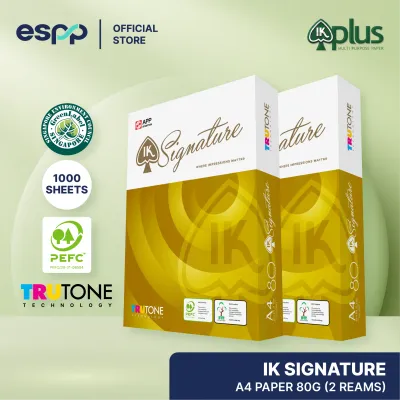
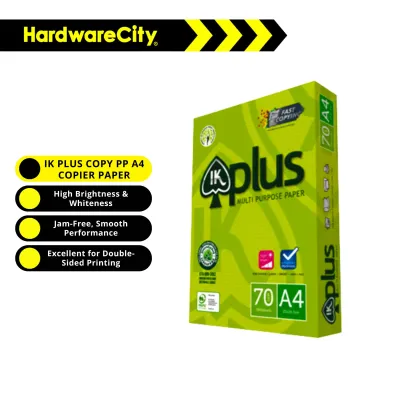
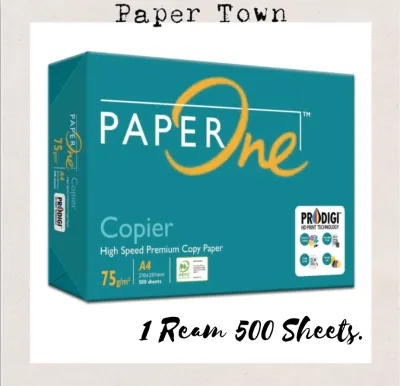
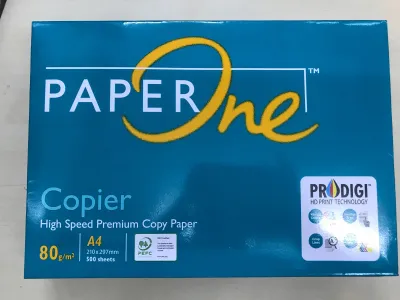
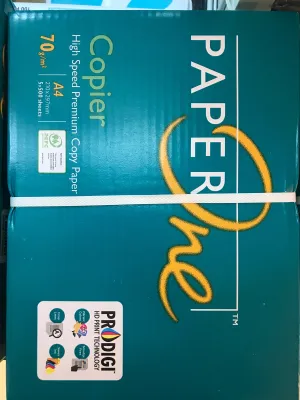
Prices are valid at publication and may change. Please refer to the product page for the latest price.
Brightness and Whiteness Brightness refers to the percentage of light reflected from the paper’s surface, typically measured using the ISO standard. A higher brightness rating (such as 95% ISO or above) results in sharper contrast between the black toner and the white background, making text easier to read. Whiteness, on the other hand, measures the shade of the paper, which can lean toward blue-white or creamy-white. For standard office reports, a moderate brightness is sufficient. For client-facing proposals or color-heavy documents, look for brands offering premium brightness ratings to ensure colors appear vibrant and true to life.
Moisture Content and Curling Singapore’s tropical climate presents a unique challenge for paper storage and printing. High relative humidity can cause paper to absorb moisture from the air, leading to edge curling and frequent paper jams. Manufacturers typically control moisture content to a precise range (often between 4% and 5%) during production. When comparing brands, look for those that specify moisture-resistant packaging. Observing how flat a sheet lies when pulled from a freshly opened ream is a practical way to verify if the paper has maintained its optimal moisture level.
Surface Smoothness and Edge Cut The physical texture of the paper affects both print definition and printer longevity. A smooth surface ensures even toner transfer and crisp ink absorption. Conversely, rough paper can cause uneven print density and accelerate the wear of printer rollers. Furthermore, inspect the edge-cut quality of the sheets. Poorly cut paper leaves microscopic paper dust and loose fibers behind. Over time, this dust accumulates inside the printer, clogging optical sensors and causing rollers to slip. High-quality brands use precision rotary slitting machines to ensure clean, dust-free edges.
How to Match Paper Profiles to Your Printing Scenarios
Selecting the right paper involves aligning the brand’s specific product tier with your daily printing demands and hardware capabilities. No single paper type excels at every task, so categorizing your needs is essential.
High-Volume Daily Printing For routine office tasks, such as printing internal drafts, emails, and packing slips, the primary goals are minimizing cost-per-sheet and maintaining high feed rates. In these scenarios, a standard 70gsm or 80gsm utility paper, like IK’s standard copier range, is highly effective. These papers are engineered to feed reliably through high-speed machines without the premium cost associated with high-brightness or specialty coatings.
Client-Facing or Professional Documents When preparing external proposals, contracts, presentations, or certificates, the tactile and visual quality of the paper reflects your brand’s professionalism. For these applications, transition to a premium tier. Look for paper with a weight of 80gsm or higher, combined with high whiteness and brightness ratings. This ensures that charts, logos, and text stand out sharply, and the physical feel of the document conveys substance.
Inkjet vs. Laser Compatibility Different printing technologies interact with paper fibers in distinct ways. Laser printers use heat and pressure to fuse dry toner powder onto the page. Therefore, paper used in laser copiers must be heat-stable to prevent curling under high temperatures. Inkjet printers, however, spray liquid ink onto the surface. If the paper is too absorbent, the ink will feather and bleed, resulting in fuzzy text. Check the manufacturer’s label on the ream to ensure the paper is rated for your specific printer type. Many modern papers are labeled as ‘multi-purpose’ or ‘dual-system,’ but verifying this compatibility prevents poor print results.
Implementing a Trial Strategy Before purchasing multiple cartons of any brand, implement a small-scale trial. Purchase a single ream (500 sheets) of the candidate paper and run it through your primary office printers. Observe the drying speed of the ink, check for any bleed-through on double-sided prints, and monitor the machine for any feeding issues or multi-sheet pulls. This hands-on verification is the most reliable way to confirm compatibility with your specific hardware and office environment.
Calculating True Value and Cost Per Sheet
Evaluating the value of copier paper requires looking beyond the upfront purchase price of a carton. A comprehensive assessment factors in operational efficiency and waste reduction.
Calculating Cost Per Sheet To establish a baseline for comparison, calculate the cost per individual sheet. Divide the total price of the carton by the total number of sheets. For example, if a carton containing 5 reams of 500 sheets (2,500 sheets total) costs S$28.00, the cost per sheet is S$0.0112. Perform this calculation across different brands and carton sizes to identify the most economical option on paper.
Factoring in the Hidden Costs of Jams A cheaper paper brand may seem attractive initially, but frequent paper jams quickly erode those savings. Every jam results in wasted paper, lost toner, and lost employee productivity. If a low-cost paper causes even a small percentage of misfeeds, the cost of wasted materials and time can easily exceed the price difference of a slightly more expensive, reliable brand. High runnability is a critical component of true value.
Storage and Shelf Life In Singapore’s humid environment, how paper is wrapped determines its shelf life. Premium brands package their reams in moisture-barrier wrappers, which often feature a thin plastic or wax lining. This protective barrier prevents the paper from absorbing ambient moisture while stored in your supply closet. If a brand uses cheap, non-barrier paper wrappers, the sheets may spoil and curl before you even load them into the printer, leading to significant waste.
Bulk Buying Checklist When purchasing paper in bulk to secure lower rates, always verify the associated terms:
- Delivery Fees: Ensure that delivery charges do not offset the bulk savings, or look for suppliers offering free delivery above a certain order value.
- Minimum Order Quantities (MOQ): Confirm if the supplier requires a minimum number of cartons to qualify for wholesale pricing.
- Return Policies: Verify the supplier's policy regarding damaged cartons or defective batches, ensuring you can exchange items if moisture damage occurs during transit.
Where to Buy and How to Verify Authenticity
Sourcing genuine copier paper from reliable channels is essential to ensure consistent performance and protect your printing equipment from damage.
Authorized Distributors vs. E-commerce Platforms Established B2B office supply companies and authorized distributors are the safest sources for bulk paper purchases. They maintain climate-controlled warehouses, ensuring the paper remains dry and flat before delivery. While general online marketplaces and e-commerce platforms may offer competitive pricing, buyers must exercise caution. Ensure the seller has positive ratings and a history of selling genuine office supplies to avoid counterfeit or poorly stored stock.
Verifying Packaging Integrity When your order arrives, inspect the packaging closely. Genuine IK paper and other major brands feature high-quality, crisp printing on their cartons and ream wrappers. Look for intact manufacturer security seals, clear batch codes, and production dates. Be wary of cartons that appear re-taped, generic, or show signs of tampering, as these may contain lower-grade paper substituted into branded packaging.
Inspecting Upon Delivery Conduct a quick physical inspection before accepting any bulk delivery:
- Carton Damage: Check for crushed corners or punctured boxes, which can bend the corners of the paper inside and cause immediate feeding jams.
- Moisture Exposure: Inspect the cardboard for dampness, water stains, or soft spots, which indicate exposure to rain or high humidity during transport.
- Seal Integrity: Ensure the plastic strapping bands or factory tape on the cartons are unbroken.
Frequently Asked Questions (FAQ)
Does a higher GSM always guarantee better print quality?
No, a higher GSM (grams per square meter) does not automatically guarantee superior print quality. While a heavier paper like 80gsm or 100gsm provides greater opacity and stiffness—making it ideal for double-sided printing and professional documents—it does not dictate surface smoothness or brightness. Print clarity and contrast depend more on the paper’s surface finish, chemical coatings, and brightness rating. Furthermore, using excessively heavy paper in standard office printers can lead to feeding difficulties, paper jams, or increased wear on the printer’s rollers if the machine is not rated to handle higher weights.
How should I store copier paper to prevent jamming in a humid climate?
To prevent paper from absorbing moisture and jamming in Singapore’s humid climate, keep all paper reams sealed in their original moisture-barrier wrappers until the exact moment you load them into the printer tray. Once a ream is opened, load only the amount of paper needed for immediate use, and store the remaining sheets in a resealable plastic container or a dedicated dry cabinet. Additionally, store paper cartons off the floor on pallets or shelves, and keep them away from open windows, direct sunlight, and air-conditioning vents, which can cause rapid temperature fluctuations and condensation.

Community discussion
Share your experience or ask a question. Comments are reviewed before publication.