
Presenting a pair of mandarin oranges during Chinese New Year is a time-honored tradition that symbolizes the sharing of wealth, luck, and prosperity. While placing them in a simple paper carrier bag is common, taking the time to wrap them individually or as a set using decorative paper and ribbon elevates this gesture into a deeply thoughtful, elegant gift. By choosing the right stationery supplies and mastering a few simple folding techniques, you can create stunning, professional-looking presentations that stand out during festive visits.
Wrapping round, irregular objects like fruit requires a bit of patience and the right materials. Unlike flat boxes, oranges have natural curves and varying sizes, meaning your choice of paper flexibility, adhesive strength, and ribbon texture will directly impact the final look. With a few basic stationery tools and some creative styling, you can transform ordinary fruit into a beautiful centerpiece of festive blessings.
Choosing the Right Paper and Ribbon for Oranges
Selecting the correct wrapping paper is the most critical step when dealing with round objects. Standard wrapping paper that is too thick or rigid will crease awkwardly and tear easily when forced around curves. Instead, opt for lightweight decorative papers with a weight of around 80 gsm to 100 gsm, which offer the perfect balance of flexibility and strength. Textured papers, such as lightweight kraft paper, patterned washi paper, or metallic tissue paper, conform beautifully to the shape of the orange without springing back open.
Products mentioned in this guide
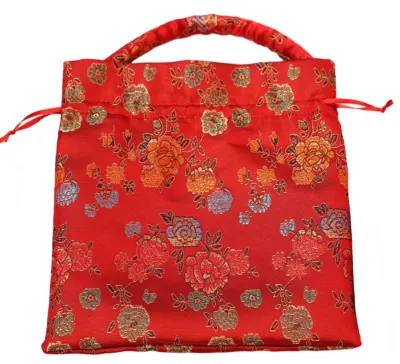
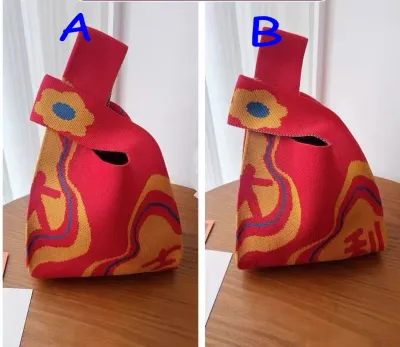
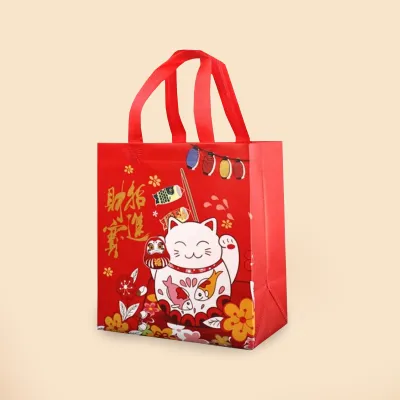
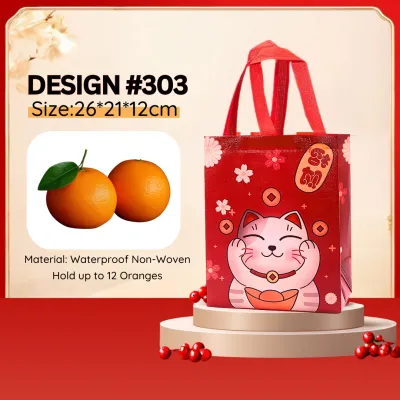
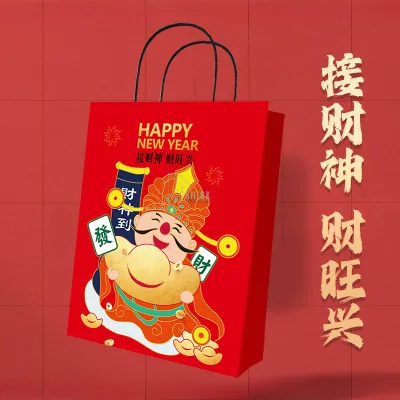
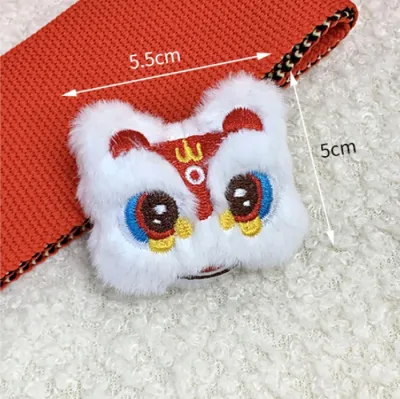
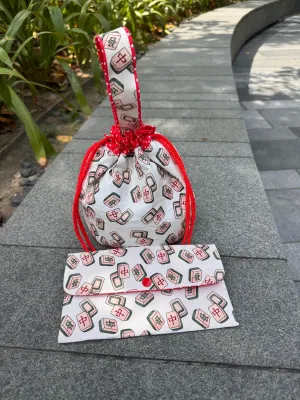
Prices are valid at publication and may change. Please refer to the product page for the latest price.
If you want the bright orange color of the peel to remain visible, high-quality cellophane is an excellent alternative. Cellophane is moisture-resistant, highly flexible, and can be layered over colored tissue paper to create a vibrant, multi-dimensional effect. When purchasing paper from your local stationery store or online marketplace, look for sheets with festive patterns like gold foil accents, traditional floral motifs, or geometric patterns that complement the vibrant orange hue.
Your choice of ribbon adds the final touch of sophistication to the presentation. Satin ribbons offer a smooth, glossy finish that reflects light beautifully, making them ideal for elegant, traditional bows. Grosgrain ribbons, with their distinct ribbed texture, provide more friction, which helps knots stay secure and prevents slipping on glossy paper surfaces. A ribbon width of 1.5 cm to 2.5 cm is generally the most proportionate size for standard mandarin oranges.
To complete your wrapping kit, gather essential fastening tools and decorative embellishments. High-quality double-sided tape is indispensable for securing folds invisibly without the messy look of standard liquid glue. A pair of sharp stationery scissors is crucial for achieving clean, fray-free cuts on both paper and ribbon. For added festive flair, consider incorporating small gold stickers, custom gift tags, or even a small sprig of dried flowers to tuck under the ribbon knot.
Step-by-Step Guide to Wrapping a Single Orange
To wrap a single mandarin orange neatly, start by measuring and cutting your paper to the correct dimensions. Placing the orange directly on the paper helps you gauge the size without relying on guesswork. For a standard-sized orange, cut a square sheet of paper measuring approximately 25 cm by 25 cm. This size provides enough coverage to wrap around the circumference of the fruit while leaving ample material at the top or sides to gather and secure.

One of the most elegant techniques for wrapping a single round object is the Pleated Fold, which creates a beautiful gathered crown at the top of the orange. Begin by placing the orange directly in the center of your cut paper square, ensuring the stem side of the fruit faces upward. Take one corner of the paper and bring it up to the top center of the orange, holding it gently in place with one finger.
Next, work your way around the orange, pulling the adjacent paper upward and creating small, overlapping pleats as you go. Use your thumb and forefinger to pinch and crease each pleat tightly against the curve of the fruit. This pleating action naturally gathers the excess paper at the top stem, creating a neat, fan-like collar around the crown of the orange. Once all sides are gathered, hold the neck of the gather firmly.
If you prefer a whimsical look, the Candy-Wrapper Twist is an excellent alternative that works exceptionally well with cellophane or flexible tissue paper. Cut a rectangular piece of paper instead of a square, measuring roughly 30 cm by 20 cm. Place the orange in the center of the rectangle, roll the paper tightly around the fruit to form a cylinder, and secure the seam with a small piece of double-sided tape. Gently twist both exposed ends of the cylinder close to the fruit, securing each twist with a small piece of ribbon to mimic a classic candy wrapper.
Whichever method you choose, securing the paper firmly is key to a professional finish. For the Pleated Fold, wrap a small piece of clear stationery tape or a twist tie around the gathered neck to hold the pleats in place before you apply the decorative ribbon. This temporary hold frees up both of your hands, allowing you to focus entirely on tying a perfect, symmetrical bow without the paper unraveling.
Wrapping Multiple Oranges as a Festive Gift Set
When visiting relatives and friends during Chinese New Year, mandarin oranges are traditionally gifted in pairs to represent double blessings and harmony. Wrapping two or more oranges together requires a slightly different approach to ensure the bundle remains stable, looks cohesive, and is easy for the recipient to carry. Without a proper foundation, multiple oranges will roll around inside the paper, causing the wrap to lose its shape and potentially tear.
To prevent rolling, construct a simple base card using thick cardstock or a small piece of cardboard. Cut a rectangle of sturdy cardstock (around 300 gsm) measuring approximately 16 cm by 8 cm, which is the perfect size to support two standard oranges side-by-side. For an extra touch of luxury, you can wrap this cardboard base in matching tissue paper or use gold-colored cardstock. Place the two oranges snugly next to each other on top of this base.
For wrapping a pair of oranges, the Pouch Wrap is the most effective and visually appealing method. Cut a rectangular sheet of wrapping paper measuring roughly 40 cm by 30 cm. Place your prepared cardboard base with the two oranges in the exact center of the paper. Bring the two long sides of the paper up over the oranges, overlapping them at the top center, and secure them temporarily with a small piece of double-sided tape.
Next, tuck the open ends of the paper inward toward the base, similar to how you would wrap the ends of a gift box. Fold the resulting side flaps upward and gather them toward the center top, creating a beautiful, unified pouch. This method keeps the oranges securely anchored to the flat base while gathering all the excess paper at the top, ready to be bound with a festive ribbon.
If you are wrapping a larger cluster of four or six oranges, consider using a small shallow bamboo tray or a decorative paper box as your base. Arrange the oranges in a neat grid or pyramid structure within the tray. Wrap the entire tray in a large sheet of clear cellophane, gathering the cellophane at the very top of the arrangement. This showcase style keeps the fruit highly visible while protecting it from dust and handling.
Tying and Styling the Ribbon for a Festive Finish
Once your oranges are neatly wrapped in paper, the ribbon serves as both a functional binder and a decorative highlight. Position the ribbon around the gathered neck of your pleated wrap or pouch. Ensure the ribbon is pulled snug enough to keep the paper from slipping, but avoid pulling it so tight that it pinches or bruises the delicate orange peel underneath.
To tie a classic, balanced bow, start by crossing the two ends of the ribbon and pulling them into a simple single knot. Create a loop with one end, wrap the other end around the base of the loop, and push it through the center gap to form the second loop. Pull both loops gently to tighten the knot. To ensure the bow sits flat and faces forward, adjust the loops so they are of equal size and pull the tails downward.
For a more luxurious and festive look, try the Double-Loop Bow. This style works best with satin ribbon. Instead of making just one loop on each side, fold the ribbon back and forth to create two loops on the left and two on the right before tying the center knot. This creates a fuller, more voluminous bow that mimics the elaborate decorations found in professional gift boutiques.
Trimming the ribbon ends correctly is essential to prevent fraying and maintain a polished appearance. Avoid cutting the ribbon straight across, as this looks unfinished and encourages the threads to unravel. Instead, fold the ribbon tail in half vertically and cut upward at a 45-degree angle from the open edge to the fold; this creates a classic, elegant swallowtail V-cut. Alternatively, a simple diagonal cut at a sharp 45-degree angle works beautifully.
To elevate the presentation further, slide a festive gift tag or a small red packet onto the ribbon before tying the final knot. You can write a personalized greeting or a traditional spring couplet on the tag. If you have leftover gold cord or twine, wrap it around the ribbon knot a few times, leaving the metallic ends to dangle alongside the main ribbon tails for a beautiful contrast of textures.
Troubleshooting Common Wrapping Mistakes
Wrapping round, organic shapes can be challenging, and it is common to encounter a few minor setbacks during your first few attempts. One of the most frequent issues is paper tearing, especially around the sharp bottom edges of the orange or where the paper is gathered tightly. To prevent tears, avoid pulling the paper with excessive force. If you are using delicate handmade or thin tissue paper, consider double-layering it with a sheet of plain white tissue paper underneath to add structural strength without adding bulk.
Another common challenge is managing excess bulk at the gathered ends of the wrap. If your paper square was slightly too large, the gathered top of your Pleated Fold may look thick, messy, and disproportionate to the size of the fruit. To fix this, simply use your scissors to trim the excess paper above the ribbon knot. Cutting the gathered paper in a slight upward curve or a zigzag pattern creates a beautiful, flower-like flare that looks intentional and neat.
Ribbon slipping is another frustrating issue, particularly when wrapping with glossy paper, cellophane, or smooth satin ribbons. If your ribbon keeps sliding down the neck of the wrap, anchor it invisibly. Apply a small square of double-sided tape directly to the paper where the ribbon will sit, then press the center of the ribbon firmly onto the tape before tying your knot. This simple trick keeps the ribbon perfectly positioned throughout transit.
Finally, ensure that you do not trap excess air inside cellophane wraps, which can make the package look puffy and unstable. Before securing the final knot on a cellophane pouch, gently press down on the sides of the wrap to let any trapped air escape. This ensures the wrapping fits snugly against the contours of the mandarin oranges, resulting in a much cleaner, tighter, and more professional presentation.
Frequently Asked Questions (FAQ)
How long can wrapped mandarin oranges stay fresh?
Mandarin oranges wrapped in breathable paper, such as lightweight kraft or tissue paper, can generally stay fresh for about five to seven days at room temperature. Paper allows natural air circulation, which prevents moisture buildup and reduces the risk of mold. However, if you use non-breathable materials like cellophane or plastic wraps, moisture can easily become trapped inside, especially in warm, humid tropical climates. This trapped condensation can accelerate spoilage. To maximize shelf life, store wrapped oranges in a cool, dry place away from direct sunlight, and always inspect the fruit for soft spots, blemishes, or a fermented scent before wrapping them as gifts.
Can I use regular printer paper or newspaper for wrapping?
Regular printer paper is generally not recommended for wrapping mandarin oranges because it is too stiff, heavy, and lacks the flexibility needed to conform smoothly to round shapes. Attempting to fold printer paper around an orange will result in sharp, bulky creases and a high likelihood of the paper tearing at the corners. Newspaper, while offering better flexibility, poses a hygiene risk due to wet ink transfer. The ink from the newspaper can easily rub off onto your hands and onto the orange peel, which is unhygienic for the recipient who will handle and peel the fruit. For the best results, stick to dedicated wrapping paper, tissue paper, or lightweight kraft paper designed for gift wrapping.

Community discussion
Share your experience or ask a question. Comments are reviewed before publication.