
Gift pouches offer an elegant, sustainable, and highly versatile alternative to traditional wrapping paper. They accommodate awkwardly shaped items with ease, reduce paper waste, and double as a functional keepsake for the recipient. Elevating a simple pouch into a stunning, professional-looking gift presentation requires careful material selection, thoughtful internal structure, and the right finishing touches. By mastering a few basic techniques, you can transform a simple fabric bag into a memorable unboxing experience.
Choosing the Right Pouch for Your Gift
To achieve a polished look, the pouch must match the physical dimensions and weight of the item inside. A pouch that is too small will stretch, strain the seams, and distort the overall shape, while an oversized pouch can make the gift look sparse and neglected. When measuring your gift, measure its length, width, and depth. Add at least two to three centimeters of clearance on all sides, plus an additional five to eight centimeters at the top to allow the fabric to gather naturally without compressing the contents.
The material of the pouch sets the tone for the entire presentation and should align with the occasion. For formal events, weddings, or luxury items, opt for rich textures like velvet, satin, or silk, which drape beautifully and convey a sense of sophistication. For casual gatherings, rustic themes, or eco-friendly gifts, natural fibers such as organic cotton, linen, or sturdy canvas are excellent choices. These materials offer a tactile, grounded feel and are highly durable, making them more likely to be reused by the recipient.
Products mentioned in this guide
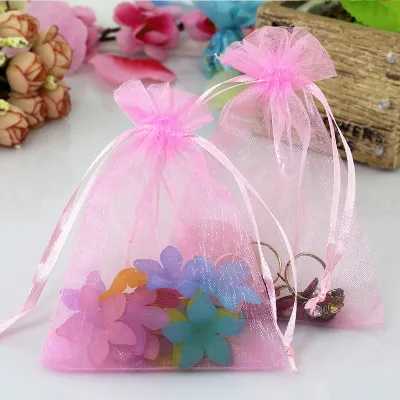
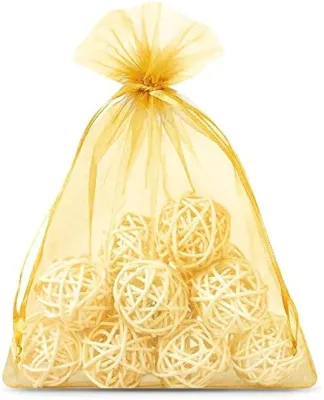
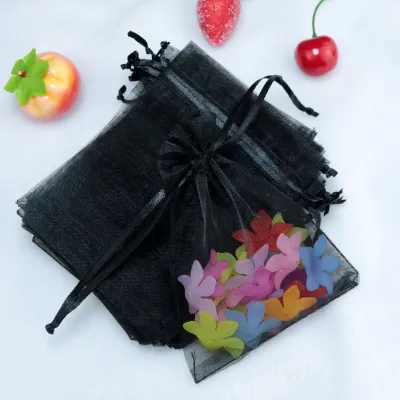
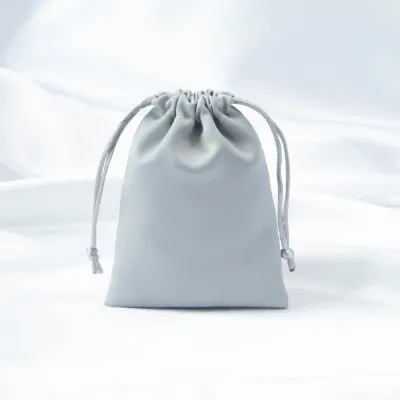
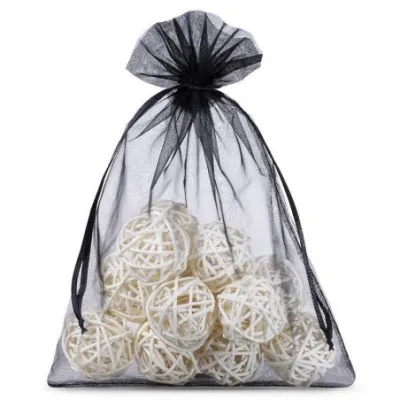
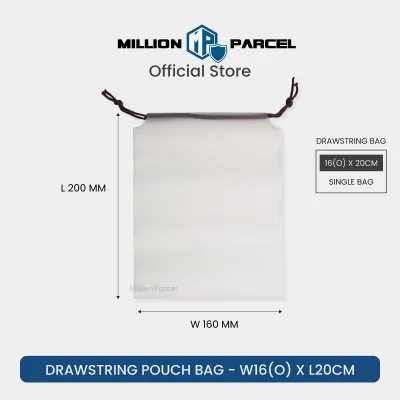
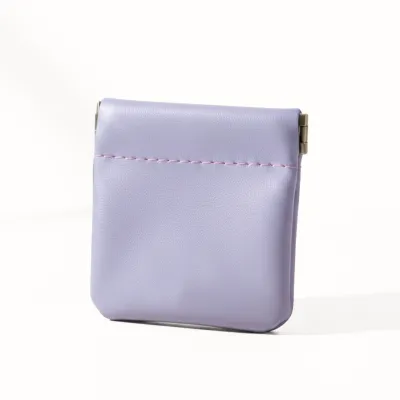
Prices are valid at publication and may change. Please refer to the product page for the latest price.
Closure mechanisms also play a dual role in security and aesthetics. Drawstring closures are the most common and versatile, offering a classic gathered look that is easy to embellish with ribbons or tags. Zippered pouches provide a modern, clean silhouette and excellent security for smaller items like jewelry or cosmetics, though they offer less flexibility for bulky contents. Button or snap closures add a vintage, artisanal charm, making them ideal for handmade gifts or stationery sets.
Essential Tools and Materials for Pouch Gift Wrapping
While the pouch itself is the star of the show, a few supplementary materials are necessary to build structure and add decorative flair. Internal padding is crucial for maintaining the pouch’s shape and protecting the contents. Acid-free tissue paper, shredded wood shavings, or natural raffia work beautifully to cushion the gift and fill out empty spaces. These materials prevent the item from shifting during transit and ensure the pouch looks plump and inviting.

External embellishments allow you to customize the presentation and tie the theme together. Keep a selection of high-quality ribbons on hand, such as double-faced satin, grosgrain, or organic cotton tape. Natural jute twine or baker’s twine adds a charming, rustic touch to cotton or linen pouches. You can also incorporate small botanical elements, such as dried lavender sprigs, eucalyptus leaves, or pressed flowers, alongside personalized, handwritten gift tags to create a bespoke look.
Having the right stationery tools nearby makes the assembly process seamless and precise. A pair of sharp fabric shears is essential for cutting clean, fray-free ribbon edges. Double-sided tape can be useful for securing loose folds of tissue paper or anchoring delicate embellishments without leaving visible adhesive marks. If you plan to customize the fabric itself, fabric-safe ink pads, rubber stamps, or fine-tip fabric markers are excellent tools to have on your workspace.
Step-by-Step Guide to Arranging and Wrapping the Gift
Preparing the Gift and Pouch
Before assembling your presentation, take a moment to prepare both the gift and the pouch to ensure they look pristine. Wipe down the gift item with a soft, lint-free cloth to remove any fingerprints, dust, or price stickers. If the item is delicate or has sharp edges that could snag the fabric, wrap it gently in a single layer of neutral-colored tissue paper. This extra layer acts as a protective barrier and adds an element of anticipation during the unboxing.
Next, inspect the pouch itself for any imperfections that might detract from its appearance. Fabric pouches, especially those made of linen, cotton, or canvas, often accumulate creases during storage. Use a handheld steamer or a warm iron to smooth out any wrinkles, paying close attention to the seams and the top collar. Check the interior of the pouch for loose threads, lint, or manufacturing debris, and snip away any stray fibers with your scissors to ensure a clean presentation.
Placing and Securing the Gift Inside
Achieving a balanced, upright presentation requires strategic placement of the item inside the pouch. Always position the heaviest or widest part of the gift at the very bottom of the bag. This lowers the center of gravity, allowing the pouch to sit upright on a flat surface without tipping over. If you are gifting multiple small items, place the largest item at the back and arrange the smaller pieces in front to create a visually appealing hierarchy.
To prevent the fabric from collapsing or showing awkward bulges, use internal padding to fill any remaining voids. Gently crumple sheets of tissue paper or nestle a handful of raffia around the gift, shaping the pouch from the inside out. The goal is to create a smooth, rounded silhouette that hints at the contents without revealing their exact contours. Once the padding is in place, pull the drawstrings or close the fastening mechanism slowly, guiding the fabric folds with your fingers so they gather evenly around the neck.
Adding External Embellishments
Once the pouch is closed, you can elevate its appearance by layering decorative elements over the closure. If using a drawstring pouch, tie a complementary ribbon or length of twine directly over the gathered knot. This hides the functional string and adds a luxurious layer of texture. For a classic look, tie a neat bow with long, cascading tails, cutting the ribbon ends at a sharp forty-five-degree angle to prevent fraying.
To personalize the gift, slide a handwritten tag onto the ribbon before tying the final knot. You can tuck a small sprig of dried foliage, such as rosemary or baby’s breath, under the ribbon for a touch of natural color and fragrance. If the pouch material is flat and smooth, like canvas or tight-weave cotton, you can use a custom rubber stamp with fabric ink to print a subtle monogram or seasonal motif directly onto the center of the pouch, creating a truly unique keepsake.
Creative Presentation Ideas for Pouch Gifts
To make your gift even more memorable, design the presentation so the pouch serves a clear secondary purpose. Choose high-quality materials that the recipient will want to keep and repurpose, such as a sturdy canvas pouch for travel toiletries, a soft velvet bag for jewelry storage, or a linen pouch for organizing small electronics. You can include a small, handwritten note suggesting these alternative uses, highlighting the sustainable and thoughtful nature of your packaging choice.
For a highly luxurious unboxing experience, try nesting the wrapped pouch inside a rigid gift box or a structured paper bag. Line the outer container with coordinating tissue paper, and place the pouch gently in the center. This multi-layered approach combines the structural suspense of a traditional gift box with the soft, tactile surprise of a fabric pouch. It also provides extra protection for the gift during transport, making it an excellent option for delicate items.
Color coordination is another powerful tool for creating a cohesive, thematic presentation. Align the colors of your pouch, ribbon, and tags with the specific season or occasion. For end-of-year festive gifts, pair deep forest green or rich burgundy pouches with gold-foiled ribbons. For spring celebrations or baby showers, opt for soft pastel linens paired with cream-colored cotton twine. Matching these elements to the recipient’s personal style or home decor adds an extra layer of thoughtfulness.
Common Mistakes to Avoid When Using Pouches
One of the most frequent errors in pouch wrapping is choosing a bag that is too tight for the gift. Forcing an item into an undersized pouch strains the stitching, distorts the fabric, and can even damage the gift itself. If you find yourself struggling to close the drawstring or if the seams look taut, transition to a larger pouch size. A beautiful presentation relies on the natural, relaxed drape of the fabric, which is only possible when there is adequate breathing room.
Another common pitfall is over-embellishing the exterior, which can quickly make the presentation look cluttered and chaotic. Avoid layering too many competing textures, colors, or large ornaments that obscure the natural beauty of the pouch material. Let the quality of the fabric speak for itself, and limit your decorations to one or two carefully chosen accents, such as a single high-quality ribbon and a simple tag. Restraint often yields a far more sophisticated and professional result.
Finally, never rely solely on a fabric pouch to protect highly fragile or breakable items. Because pouches lack the rigid, impact-resistant structure of cardboard boxes, they offer minimal protection against drops or pressure. If you are gifting delicate glassware, ceramics, or fine cosmetics, always wrap the item thoroughly in protective bubble wrap or thick layers of tissue paper before placing it inside the pouch. Alternatively, place the fragile item in a sturdy inner box first, then wrap that box in a decorative pouch.
Frequently Asked Questions (FAQ)
Can I use a pouch for fragile gifts?
Yes, but you must take extra precautions to protect the item. Fabric pouches do not provide the rigid structural defense of a traditional cardboard box, making fragile items vulnerable to impact. To wrap a breakable gift safely, wrap the item securely in several layers of protective tissue paper or cushioning material before placing it inside the pouch. For added protection, place the fragile item in a small, sturdy box first, and then slide the box into a beautifully fitted fabric pouch.
How do I clean and reuse a fabric gift pouch?
Cleaning and reusing a fabric pouch depends on its material composition. Always check the manufacturer’s care label if one is attached to the interior seam. For minor spots or dust, gently dab the fabric with a damp cloth and a mild detergent, then allow it to air dry flat. For cotton, linen, or canvas pouches, you can hand wash them in cool water to preserve their shape and color. Avoid machine washing delicate velvet, satin, or silk pouches, as this can damage the fibers and ruin the fabric’s natural sheen.

Community discussion
Share your experience or ask a question. Comments are reviewed before publication.