
Navigating Singapore’s public transport network and retail landscape is incredibly seamless with a contactless smart card. However, the convenience of tap-and-go payments has also made these cards a target for unauthorized resellers. To verify if your card is genuine, you must check for physical markers like the CEPAS logo and high-resolution print quality, and confirm its digital footprint using NFC scanning on the official mobile app. Ensuring you buy official EZ-Link cards from authorized channels protects your funds and prevents the frustration of being stranded at an MRT gantry or bus card reader.
Why Verifying Your EZ-Link Card Matters
EZ-Link cards are the backbone of daily commuting and micro-payments in Singapore, used by millions of residents and tourists alike. Because these cards hold real monetary value, they are subject to strict regulatory standards. When you purchase an unauthorized or counterfeit card, you risk losing not only the upfront cost of the card but also any stored value you load onto it.
The primary danger of using a non-compliant card is sudden failure at transit touchpoints. If a card’s internal chip or antenna is damaged, poorly replicated, or blocked by the transit authority, transit gantries will reject it. This can leave you stranded during peak commute hours, forcing you to find alternative payment methods on short notice.
Products mentioned in this guide
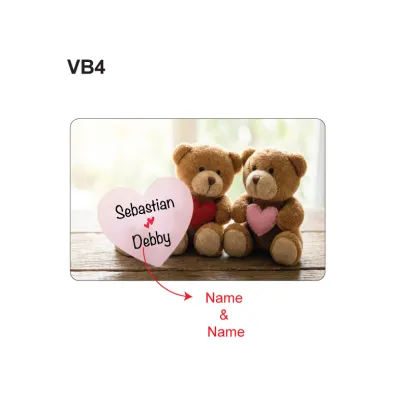


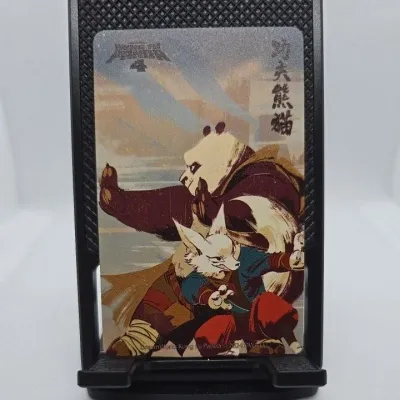

Prices are valid at publication and may change. Please refer to the product page for the latest price.
Furthermore, official consumer protection and refund policies do not apply to counterfeit cards. If a genuine card malfunctions, you can easily seek a replacement or refund at any transit ticketing office. With an unauthorized card, however, there is no recourse for recovering your funds once the card fails or is flagged and blacklisted by the transit network.
Physical and Visual Signs of an Official EZ-Link Card
Identifying a genuine EZ-Link card begins with a close physical inspection. Official cards are produced under strict quality control guidelines, resulting in a highly standardized product.

Print Quality and Card Material Official cards are made from durable, high-grade polyvinyl chloride (PVC) that feels sturdy and does not bend easily under light pressure. The edges of the card are perfectly smooth, rounded, and free of rough plastic burrs or uneven cuts. Inspect the artwork on both sides of the card. Genuine cards feature sharp, high-resolution printing with vibrant colors and clear text. If you notice pixelation, color bleeding, or blurry lettering, the card is likely a cheap imitation.
Official Branding and Logos Every official card must display specific branding elements. Look for the official EZ-Link logo, which features distinctive, clean typography and correct color proportions. On the back of the card, you should always find the CEPAS logo (Contactless e-Purse Application System), which indicates compliance with Singapore’s national standard for electronic payments. The presence of this logo, along with clear copyright information and official terms of use, is a strong indicator of authenticity.
Security Markings and Card Numbers Every official card is assigned a unique 16-digit Card Access Number (CAN), which is clearly printed on the back. This number should be crisp, perfectly aligned, and easy to read. Some limited-edition or co-branded cards may also feature subtle holographic overlays or specific micro-printing that is difficult for counterfeiters to replicate. You can cross-reference any unusual card design with the official online gallery provided by the issuer to verify if the design was ever officially produced.
Red Flags That Indicate a Counterfeit or Unauthorized Card
While some fakes are sophisticated, most unauthorized cards exhibit clear warning signs that can be spotted with a little attention to detail.
Poor Craftsmanship and Low-Quality Materials Counterfeiters often use substandard materials to save on production costs. If a card feels unusually thin, flimsy, or excessively flexible, it should be treated with suspicion. Look closely at the alignment of the printed elements; off-center logos, skewed text columns, or misaligned margins are common indicators of amateur production.
Suspicious or Non-Standard Packaging When purchased from legitimate retailers, new EZ-Link cards are typically sold in branded packaging, such as cardboard backing cards, blister packs, or official paper sleeves. If a seller offers you a loose card without any packaging, or presents it in a generic, unbranded plastic sleeve, this is a major red flag. Legitimate distributors do not distribute individual cards without their official retail packaging.
Altered and Tampered Surfaces A common practice among unauthorized sellers is “skinning” or physical modification. Sellers may take a standard, genuine card, peel off the original top layer, sand down the surface, and reprint a custom design over the internal chip. This process often leaves visible clues, such as uneven thickness, peeling corners, or a rough texture along the edges. Such modifications can easily damage the internal copper antenna, leading to intermittent reading failures or complete card malfunction at transit gates.
How to Authenticate Your Card Using the EZ-Link App
Digital verification is the most reliable way to confirm that the internal RFID chip is genuine and recognized by the official payment network.
NFC Scanning via the Mobile App Most modern smartphones are equipped with Near Field Communication (NFC) technology. To verify your card, download the official EZ-Link mobile application from your device’s official app store. Enable NFC in your phone’s settings, open the app, and select the option to scan or add a card. Place your card flat against the back of your phone where the NFC antenna is located. A genuine card will be instantly detected by the app, displaying its unique 16-digit CAN and current stored value balance.
Checking Transaction History Once the app reads the card, navigate to the transaction history section. For a brand-new card purchased from an authorized source, the transaction history should either be completely empty or show only the initial activation and loading transaction. If you scan a supposedly new card and find a long history of transit journeys or retail purchases, the card has been previously used, cloned, or tampered with.
Understanding Digital Limitations While successful NFC scanning confirms that a valid chip is present, it is not a foolproof guarantee against sophisticated cloning. A cloned card duplicates the digital identity of a genuine card. If the original card is reported lost or stolen, the transit authority will blacklist its unique CAN, which immediately deactivates both the original and the clone. Therefore, digital verification must always be paired with physical inspection and secure purchasing habits.
Authorized Channels to Buy EZ-Link Cards in Singapore
The simplest and most effective way to avoid counterfeit cards is to purchase them exclusively from authorized, official distributors across Singapore.
Physical Retail Locations For physical purchases, always rely on established, official channels. These include:
- SimplyGo Ticket Offices: Located at major MRT stations and bus interchanges.
- Passenger Service Centres: Situated inside MRT stations.
- Authorized Convenience Stores: National chains such as 7-Eleven and Cheers.
- Official Retail Partners: Major supermarkets and designated customer service counters.
Official Online Outlets If you prefer shopping online, only purchase from the official brand stores hosted on major e-commerce platforms. Look for verified seller badges, official mall indicators, or purchase directly from the issuer’s official website. These stores ship cards directly from authorized warehouses, ensuring that both the physical card and the internal chip are completely authentic.
Channels to Avoid Do not buy cards from unverified third-party sellers on online marketplaces, peer-to-peer selling apps, social media groups, or temporary street booths. Be highly skeptical of listings offering bulk cards at steep discounts, or cards advertised as being pre-loaded with high monetary values for a fraction of the cost. If a deal seems too good to be true, it is almost certainly a scam.
Steps to Take If You Receive a Suspected Fake Card
If you suspect that you have purchased a counterfeit or unauthorized card, taking prompt action can protect your personal finances and help prevent others from falling victim to the same scam.
Cease Use and Do Not Top Up Do not attempt to use the suspected card at transit gantries or retail shops, and do not add any additional money to the card balance. Using a counterfeit card on public transport can result in the card being confiscated by transit staff, and any funds you load onto a fake card will be permanently lost once the card is blacklisted.
Report the Seller If you purchased the card online, immediately file a dispute with the e-commerce platform to request a refund. Report the seller’s account for listing counterfeit goods, providing any physical photos or app scanning errors as evidence. You can also report the incident to Singapore’s consumer protection authorities, such as the Consumers Association of Singapore (CASE), to flag the fraudulent activity.
Manage Your Expectations Understand that recovering funds from unauthorized sellers can be highly challenging, especially if the transaction took place outside of an established platform’s buyer protection window. This reality underscores why purchasing only from official, authorized channels is the only reliable way to safeguard your money.
Frequently Asked Questions (FAQ)
Can I use a customized or third-party designed EZ-Link card?
While official custom-designed, limited-edition, or co-branded cards are regularly released by the official issuer, third-party customized cards are not authorized. These unauthorized cards are often created by peeling or sanding down genuine cards to apply custom stickers or prints. Using these cards violates the official terms of service, and because the physical modification can easily damage the internal NFC antenna, they are highly likely to fail or be rejected by transit readers.
Do official EZ-Link cards expire?
Yes, official cards have a set validity period, which is typically up to five years from the date of manufacture or initial issuance. This expiration is tied to the physical lifespan and security standards of the internal smart chip. You can easily check your card’s expiry date by scanning it at an MRT ticketing machine, viewing it on a transit receipt, or checking the official mobile app. If your card has expired, you can usually transfer the remaining balance to a new card or apply for a refund through official transit ticketing channels.

Community discussion
Share your experience or ask a question. Comments are reviewed before publication.