
Drawstring gift bags offer a charming, sustainable, and highly reusable alternative to traditional wrapping paper. Whether you are preparing a small token of appreciation or a curated set of party favors, personalizing these bags elevates the entire gifting experience. Transforming a plain cotton, linen, or organza pouch into a polished, professional-looking presentation does not require advanced crafting skills. Instead, it relies on selecting compatible materials, applying clean design techniques, and paying close attention to structural details.
A beautifully decorated drawstring bag serves a dual purpose: it acts as eye-catching packaging that builds anticipation, and it remains a functional keepsake that the recipient can reuse for storage or travel. To achieve a high-end look, you must consider how different decorative elements interact with the bag’s fabric, weight, and natural drape. By mastering a few simple customization methods, you can easily tailor your gift packaging to suit any occasion, from formal gatherings to casual celebrations.
Essential Materials and Tools for Bag Decoration
Selecting the right tools is the foundation of a successful decorating project. Because drawstring bags come in various materials—such as rustic cotton canvas, delicate organza, smooth satin, or sturdy coated paper—your choice of adhesives, inks, and embellishments must be highly compatible with the specific medium. Using the wrong adhesive can lead to peeling decorations, while incompatible inks may smudge or bleed into the fabric fibers.
Products mentioned in this guide
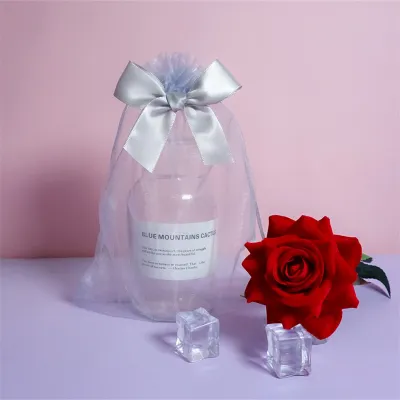
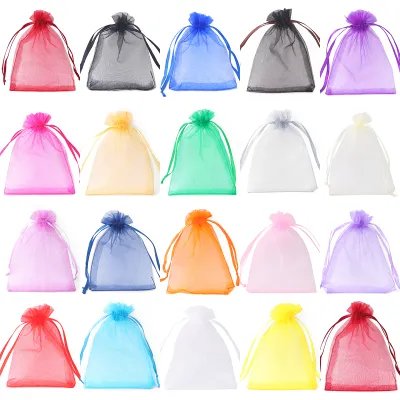
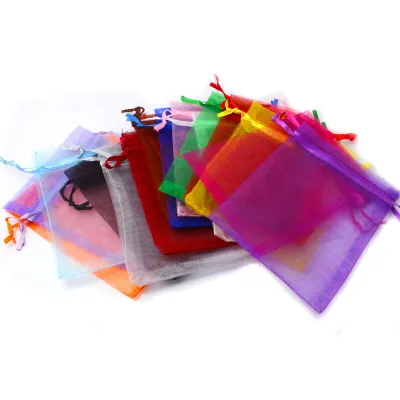
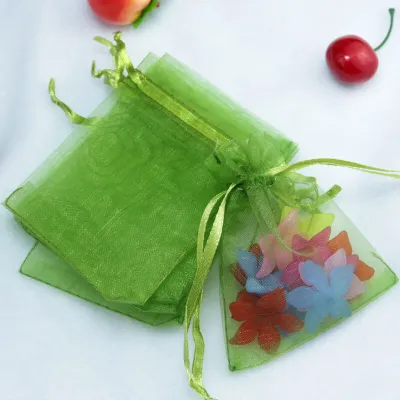
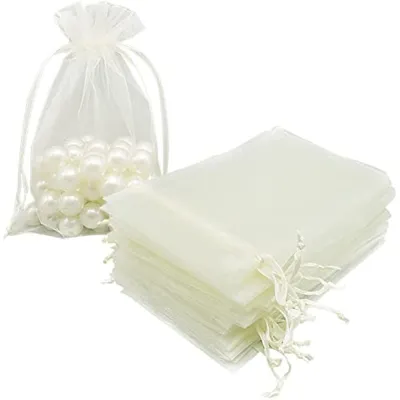
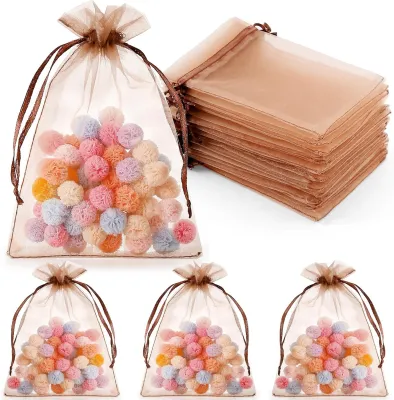
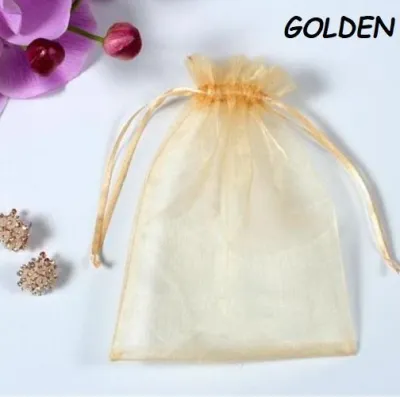
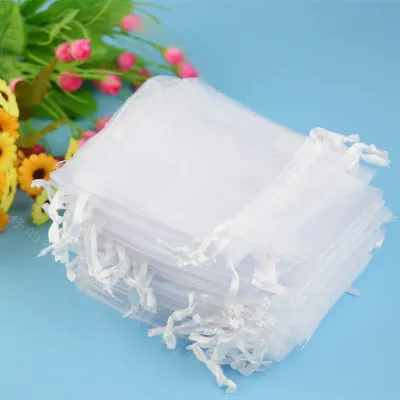
Prices are valid at publication and may change. Please refer to the product page for the latest price.
When working with textiles like cotton, linen, or canvas, a high-quality fabric glue is indispensable. Fabric glues are formulated to remain flexible when dry, preventing the decorated areas from becoming brittle or cracking. For sheer or delicate materials like organza, heavy liquid glues should be avoided, as they easily seep through the mesh and create unsightly, stiff patches. Instead, opt for lightweight double-sided adhesive tape or specialized clear-drying craft glues applied sparingly with a fine-tip applicator. If you are decorating coated paper drawstring bags, standard paper-crafting adhesives, such as tape runners or quick-drying white glue, will provide a secure bond without warping the paper.
The decorative elements themselves should complement the texture and weight of the bag. Premium satin, grosgrain, or velvet ribbons can replace standard cotton drawstrings to instantly elevate the bag’s appearance. Custom cardstock or kraft paper tags add a professional touch, especially when paired with pigment-based stamp inks that offer crisp, fade-resistant impressions. For a classic, vintage aesthetic, wax seals can be applied directly to tags or ribbon ends. However, because wax is rigid, it should never be applied directly to flexible fabric surfaces where it is prone to cracking and detaching.
Before applying any adhesive, ink, or paint to your gift bag, always conduct a hidden spot test. Use a small, inconspicuous area—such as the inside of the bottom seam or the inner fold of the drawstring channel—to apply a tiny drop of glue or a stroke of ink. Allow it to dry completely to check for bleed-through, staining, or unwanted fabric stiffness. This simple verification step ensures that your chosen materials perform beautifully on the final product without ruining the presentation.
Step-by-Step Techniques to Elevate Plain Drawstring Bags
Achieving a polished finish requires a systematic approach to preparation and application. By following a structured process, you can ensure that your designs are aligned, secure, and durable enough to withstand handling.

Surface Preparation
Before applying any decorative elements, ensure the bag’s surface is completely clean, flat, and dry. Fabric bags often accumulate lint or dust during storage, which can interfere with adhesive bonding and ink transfer. Use a lint roller to sweep both sides of the bag. If the fabric is wrinkled, press it with a household iron on the appropriate heat setting for the material. Creases can cause stamps to skip or heat-transfer designs to misalign. In humid climates, ensure the bags are stored in a dry environment prior to decorating, as excess moisture in the fibers can delay ink drying times and weaken adhesive bonds.
Applying Flat Designs
Flat designs, such as stamping, stenciling, or heat-transfer vinyl (HTV), provide a clean, modern look. To stamp a fabric bag, place a thick piece of cardboard or cardstock inside the bag first. This barrier prevents ink from bleeding through to the back side of the bag. Select a permanent pigment ink formulated for fabric, press the stamp evenly onto the ink pad, and apply firm, downward pressure onto the bag without rocking the stamp. Let the ink dry completely; some fabric inks require heat-setting with an iron (using a protective pressing cloth) to become permanent. For stenciling, secure the stencil with low-tack painter’s tape and apply fabric paint using a dry sponge or stencil brush in a dabbing motion to prevent paint from seeping under the edges.
Attaching Dimensional Embellishments
Adding three-dimensional elements like charms, dried flowers, or layered ribbons adds depth and texture. When securing these items, placement is key. Position dimensional decorations on the lower two-thirds of the bag, well below the cinch line, so they are not crushed when the drawstring is pulled tight. Use a small dab of flexible fabric glue to secure lightweight items like dried lavender sprigs or small wooden shapes. For heavier charms or metal pieces, consider using a needle and thread to sew a few simple stitches through the fabric. This mechanical attachment is far more secure than glue and prevents the embellishment from sagging or falling off during transit.
Customizing the Drawstring
The drawstring itself is an excellent canvas for customization. To replace a plain stock cord, carefully thread a safety pin through one end of your new ribbon or decorative cord, insert it into the drawstring channel, and guide it all the way around until it exits the same opening. You can add decorative wooden beads, tassels, or metal cord ends to the tips of the drawstrings. Always verify that the bag still opens and closes smoothly after adding these elements. The beads or knots should not block the channel openings, and the cord must remain long enough to allow the bag to open fully for easy access to the gift inside.
Design Concepts for Various Gifting Scenarios
The styling of your drawstring bag should harmonize with the occasion and the recipient’s taste. By adjusting your color palette, textures, and decorative accents, you can create a cohesive presentation that feels highly intentional.
Minimalist and Elegant
For formal events, corporate gifts, or sophisticated celebrations, a minimalist approach works best. Choose a monochrome or neutral color palette, such as cream, slate gray, or soft taupe. Use a high-quality linen or cotton bag and pair it with a thin, matching silk ribbon. Instead of busy patterns, focus on clean typography on a single, heavy-weight cardstock tag. A subtle, neutral-colored wax seal on the tag adds a touch of luxury without overwhelming the design. This understated style relies on the premium quality of the materials rather than bold decorations to make an impression.
Playful and Vibrant
For birthdays, baby showers, or casual festive gatherings, embrace bold colors and mixed media. Opt for bright cotton or canvas bags and decorate them with colorful geometric stamps or hand-painted patterns. You can mix textures by pairing a vibrant grosgrain ribbon with a contrasting yarn tassel or a whimsical acrylic charm. Incorporating playful elements, such as colorful wooden beads on the drawstring ends, adds a cheerful, energetic feel to the package that appeals to all ages.
Natural and Seasonal
An eco-friendly, rustic aesthetic is perfect for holiday gifting, autumn celebrations, or artisanal products. Start with unbleached cotton, burlap, or linen bags. Use natural jute twine or hemp cord for the drawstrings. Decorate the bag with simple botanical stamps, or attach a small bundle of dried flowers, such as eucalyptus, cinnamon sticks, or bunny tails, using a rustic knot. A simple kraft paper tag tied to the drawstring completes the organic, hand-crafted look, emphasizing sustainability and natural beauty.
Common Mistakes and How to Prevent Them
Even with high-quality materials, small oversight errors can compromise the final look of your decorated gift bag. Understanding these common pitfalls will help you achieve a flawless result every time.
One of the most frequent issues is adhesive failure. Using standard water-based school glue on non-porous or synthetic fabrics like organza or satin often results in a weak bond, messy runs, and stiff, dark stains that ruin the fabric’s drape. Always match the adhesive to the material, apply it sparingly, and allow it to cure fully according to the manufacturer’s instructions. If a glue spot becomes too stiff, it can distort how the bag hangs when filled.
Structural issues also arise when bags are overloaded with heavy embellishments. Attaching large metal charms, heavy clay ornaments, or excessive layers of thick decorations can weigh down the fabric, causing it to sag, tear, or pull out of shape. Furthermore, if decorations are placed too close to the top of the bag, they will interfere with the drawstring mechanism. When the bag is cinched, the gathered fabric can crush delicate dried botanicals or hide your carefully stamped designs. Always leave the top third of the bag clear of rigid decorations to allow the fabric to gather naturally.
Finally, design imbalance occurs when the bag’s natural fold lines and filled shape are ignored. A design that looks perfectly centered when the bag is flat may shift or become distorted once the bag is filled with a three-dimensional object. To prevent this, place a temporary placeholder item—such as a small box or a block of foam—inside the bag while planning your decoration layout. This allows you to visualize exactly how the design will sit on the curved, filled surface of the bag before permanently securing any elements.
Frequently Asked Questions (FAQ)
Can I wash a decorated cotton drawstring bag after it has been gifted?
Whether a decorated bag can be washed depends entirely on the materials used for customization. If you decorated the bag using permanent fabric paint, heat-set pigment inks, or embroidery, the bag can generally be hand-washed in cold water. However, if you used glues, paper tags, wax seals, or delicate dimensional embellishments like dried flowers and metal charms, the bag is not washable. To preserve the bag’s appearance, advise the recipient to remove any detachable decorations, tags, and cords before spot-cleaning the fabric with a damp cloth and mild detergent.
How do I prevent the drawstring cords from fraying when adding beads?
Fraying cords can make threading beads difficult and look untidy over time. To prevent this, apply a small amount of clear nail polish or fabric sealant to the very tip of the cord and let it dry completely to bind the loose fibers together. For synthetic cords like nylon or polyester, you can carefully singe the tip with a lighter flame for a fraction of a second to melt and seal the fibers. Once the beads are threaded, secure them in place by tying a tight overhand knot or a double knot at the end of the cord. For a more polished look, you can also use metal crimp beads clamped tightly with pliers to lock the decorative beads in place.

Community discussion
Share your experience or ask a question. Comments are reviewed before publication.