
Selecting the right clear plastic bag size for shipping is a balance of precise measurement and material selection. If a bag is too small, the seams will split under transit pressure; if it is too large, excess plastic can fold over, look unprofessional, and easily get caught in automated sorting machinery. To find the perfect fit, you must calculate your product’s three-dimensional volume, account for material thickness, and leave enough clearance for a secure seal.
By taking a systematic approach to measuring your inventory, you can minimize packaging waste, protect your items from environmental damage, and ensure your packages arrive safely at their destination.
How to Measure and Calculate the Right Bag Dimensions
To determine the minimum bag dimensions required for your product, you need to measure the item’s maximum length, width, and depth (thickness) at its widest points. Do not rely on flat measurements alone, as any item with depth will pull the sides of a flat bag inward, reducing the available width and length.
Products mentioned in this guide
![💯 [SG STOCK] 4 sizes - HDPE Thin Pack CLEAR Plastic Bag | 5x8 6x9 7x10 10x12 | Food Storage | Transparent Plastic Bag | Disposable plastic Bag | Disposable Thin Pack](https://img.lazcdn.com/g/p/24ed7ea0ef69233e42527cf0e9e26e9a.png_400x400q80.png_.webp)
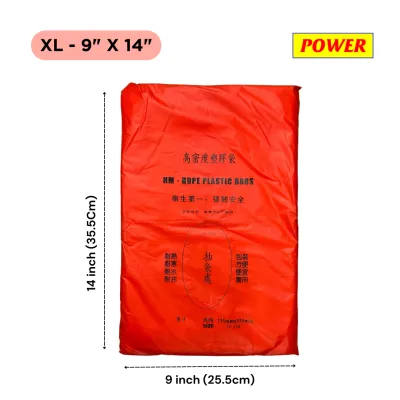
![[Food Grade] ONS HDPE Transparent Thin Pack Hygienical Food Packaging Plastic Bag For Food](https://img.lazcdn.com/g/p/cff0a1803b5723254f9d034f5132a5b1.png_400x400q80.png_.webp)
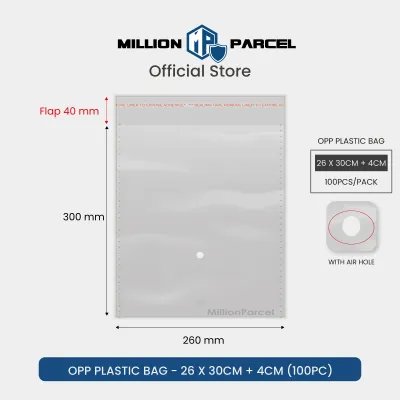


Prices are valid at publication and may change. Please refer to the product page for the latest price.
For a standard flat clear plastic bag, use the following formulas to calculate the minimum dimensions needed:
- Required Bag Width = Product Width + Product Thickness + 1 inch (approx. 2.5 cm) safety margin
- Required Bag Length = Product Length + Product Thickness + 2 inches (approx. 5 cm) sealing allowance
The sealing allowance at the open end of the bag is critical. This extra length ensures you have enough material to fold over, apply adhesive tape, or feed through a heat sealer without compressing or distorting the product inside.
Matching Bag Sizes to Common Product Categories
Different product shapes dictate whether you should use a standard flat bag or a gusseted bag. Flat items like art prints, sticker sheets, and single notebooks fit perfectly in standard flat bags. Bulky or boxy items like multi-pack journals, pen cases, or desk organizers require either a much larger flat bag or a gusseted bag.

Gusseted clear bags feature folded pleats on the sides or bottom that expand when filled. This design is highly efficient for three-dimensional items because it accommodates depth without requiring an excessively wide flat bag, resulting in a cleaner and more professional presentation.
Before finalizing your packaging choice, always check the final packed dimensions against your courier’s size restrictions. In Singapore, local postal services and couriers have strict dimensional tiers for letterbox delivery and standard parcel delivery. An oversized bag that bulges can push your package into a higher pricing tier, resulting in unexpected shipping surcharges.
Flat, Thin, and Compressible Items
For flat stationery, documents, and apparel, product thickness is minimal. For example, a single catalog, a set of greeting cards, or a t-shirt can be treated as almost flat, but they still require a small allowance to slide into the bag smoothly.
When packaging compressible goods like clothing or soft pencil cases, aim for a snug fit. This prevents the items from shifting during transit, which can cause wrinkles or uneven weight distribution inside the shipping mailer.
Avoid using a bag that is significantly larger than the item. Excess plastic that is folded and taped down multiple times adds unnecessary bulk, looks untidy, and can easily snag on the conveyor belts of sorting facilities.
Rigid, Bulky, and Irregular Items
Rigid items like hardcover books, acrylic desk organizers, or wooden stamp blocks do not compress. This means your measurements must be exact, as there is zero flexibility in the product itself to accommodate a tight fit.
If you are packaging an item with sharp corners or irregular protrusions, standard flat bags are highly susceptible to corner punctures. For these items, transition to a gusseted clear bag or add protective cardboard corner guards before bagging.
Always allow an extra safety margin of at least 0.5 inches (about 1.3 cm) beyond the standard formula for rigid items. This ensures the product slides in easily without scraping or tearing the side seals of the bag during fulfillment.
Understanding Bag Thickness and Material Specs
Plastic bag thickness is typically measured in mils (thousandths of an inch) or microns. Understanding this specification is crucial for choosing a bag that won’t tear during transit.
For lightweight protection, such as keeping dust and moisture off individual greeting cards or sticker sheets inside a rigid mailer, a thickness of 1 to 1.5 mil (25 to 38 microns) is usually sufficient. These bags offer excellent clarity to showcase stationery designs.
For direct shipping where the clear bag acts as the primary outer barrier, or is placed inside a paper mailer, look for a thickness of 2 to 3 mil (50 to 75 microns). Heavy, sharp, or highly irregular items require heavy-duty bags of 4 mil (100 microns) or more to resist punctures.
Always check the manufacturer’s specifications for seam strength and material type. Low-density polyethylene (LDPE) offers excellent flexibility and impact resistance, while biaxially-oriented polypropylene (BOPP) provides high clarity and crispness but is more prone to splitting along the seams if overstuffed.
Packing and Sealing Practices for Secure Shipping
Once you have selected the right size, proper packing technique is essential. Gently press out excess air before sealing the bag. Trapped air turns the bag into a balloon, making it highly vulnerable to bursting when stacked under heavier parcels in a delivery vehicle.
Choose a sealing method that matches your bag material. Polyethylene (LDPE) bags respond well to impulse heat sealers, creating a permanent, tamper-evident bond. For polypropylene (BOPP) bags, self-adhesive peel-and-seal strips or high-tack packaging tape are often more practical.
Perform a quick physical check on your first few packed items. Gently squeeze the sealed bag to ensure the seams do not pop, and verify that the corners are not under excessive tension. If the plastic looks strained, increase the bag size by one inch in width or length.
Frequently Asked Questions (FAQ)
Can I use standard document sleeves for shipping thick stationery sets?
Standard document sleeves or clear pocket folders are designed for filing, not shipping. They typically feature thin seams and open tops that lack the structural integrity to withstand transit. Attempting to ship thick stationery sets in these sleeves often results in split seams and lost items. Instead, use dedicated clear shipping bags with reinforced side seals and secure adhesive closures.
Do clear plastic bags provide enough protection for fragile items?
Clear plastic bags are excellent for protecting items from water, dust, and dirt, but they offer virtually no impact protection. If you are shipping fragile stationery items like ceramic pen holders, glass ink bottles, or delicate planners, you must wrap them in bubble wrap or cushioning material first. Once cushioned, the item can be placed inside the clear bag to seal out moisture, or placed in a sturdy cardboard box.

Community discussion
Share your experience or ask a question. Comments are reviewed before publication.