
Using a magnetic drawing board is an intuitive, mess-free way for children to express their creativity and develop fine motor skills. To get started, place the board on a flat surface, hold the magnetic stylus like a pencil, and draw directly on the screen. When the drawing is complete, slide the eraser bar slowly from one side to the other to clear the screen and start fresh. Because this classic toy uses magnetic forces rather than ink or paper, it requires no refills and creates zero mess, making it an ideal companion for quiet play at home or during travel.
Understanding how the board works can help you and your child get the most out of it. The screen contains a thick, white liquid suspension filled with tiny magnetic particles, usually iron oxide, housed within a grid of tiny honeycomb-shaped cells. When the magnetic tip of the stylus passes over the clear plastic screen, it pulls these dark particles to the top of the cells, making your lines visible. Sliding the eraser sweeps a long bar magnet across the back of the screen, pulling the particles back down to the bottom of the cells and leaving the screen clean once again.
What You Need Before Starting
Before handing the drawing board over to your child, take a moment to identify and organize all the essential components. A standard magnetic drawing board set typically includes the main drawing board, a specialized magnetic pen or stylus, several geometric stamps, and a pen tether. The stamps usually come in basic shapes like circles, triangles, or stars, and they have small magnets embedded in their flat bases. Ensuring all these parts are present before play begins prevents frustration and helps your child explore the full range of the toy’s features.
Products mentioned in this guide
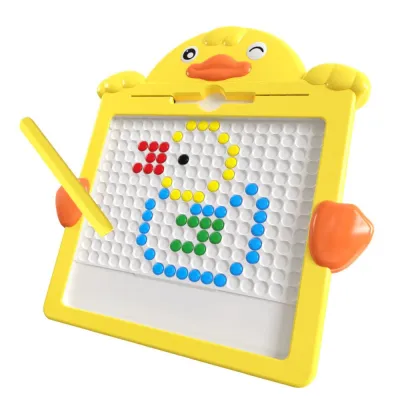
![[SG SELLER] Kids magnetic drawing doodle board children toy art and craft learning toys educational christmas gift](https://img.lazcdn.com/g/p/e8f1387adcec4443c1cafcc7c773d1cb.jpg_400x400q80.jpg_.webp)
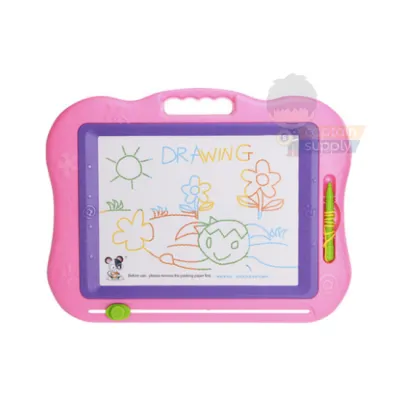
Prices are valid at publication and may change. Please refer to the product page for the latest price.
Next, perform a quick safety and quality inspection of the board. Examine the clear plastic screen closely for any deep scratches, cracks, or punctures. Because the screen contains a liquid suspension, any breach in the plastic outer layer can lead to internal leaks. While the materials used are non-toxic, a leak can create a stubborn mess on clothing and furniture and will permanently damage the board’s drawing capability. Check the outer plastic frame for any sharp edges or warping that might have occurred during shipping or storage.
Finally, select an appropriate environment for drawing. Place the board on a flat, stable surface such as a child-sized table, a desk, or even a firm carpeted floor. Keep the drawing board away from strong external magnets, such as large stereo speakers, heavy-duty refrigerator magnets, or magnetic tablet covers, as these can disrupt the internal particles. Additionally, avoid exposing the board to extreme heat or direct sunlight for extended periods, as high temperatures can thin the internal liquid suspension and affect how the magnetic particles behave.
Step-by-Step Guide to Drawing and Erasing
To achieve the best results on a magnetic drawing board, encourage your child to practice proper grip and pressure techniques. Hold the magnetic pen much like a standard pencil, but at a slightly more upright angle to ensure the magnetic tip makes optimal contact with the screen surface. Teach your child to use light to moderate pressure when drawing. Because the drawing effect is created by magnetic attraction rather than physical friction, pressing down hard is unnecessary and can permanently scratch or dent the soft plastic screen. Light, smooth strokes will yield dark, continuous lines without damaging the toy.

When it is time to clear the screen, the sliding eraser must be used correctly to ensure a completely clean slate. Guide the slider slowly and smoothly from one edge of the board to the other. If the slider is moved too quickly, the internal magnet does not have enough time to attract and pull down all the magnetic particles, which leaves faint gray lines behind. If a single pass does not completely clear the screen, simply slide the bar back in the opposite direction at a steady, deliberate pace to sweep away any remaining residue.
Using the geometric stamps is another excellent way to create clean, sharp designs on the board. To apply a stamp, place it flat against the screen surface and press down firmly but gently. To prevent smudging, instruct your child to lift the stamp straight up and away from the screen rather than sliding or tilting it as they remove it. Lifting the stamp vertically ensures that the magnetic particles remain perfectly aligned with the shape of the stamp, resulting in a crisp, recognizable outline of a circle, star, or triangle.
Troubleshooting Common Screen and Slider Issues
If you notice that the lines on the board are appearing faint, broken, or uneven, there are a few simple checks you can perform. First, inspect the tip of the magnetic pen to ensure it is clean and free of any metal debris or dirt that might be blocking the magnetic pull. Next, wipe the screen surface with a dry cloth to remove any oily fingerprints or dust. If the board has been stored in a very cold room, the internal liquid suspension can thicken, making it harder for the particles to move; simply letting the board sit at room temperature for an hour will usually restore its responsiveness.
Incomplete erasing, often referred to as “ghosting,” is another common issue that is easily resolved. If faint images or dark patches remain on the screen after erasing, it is usually because the slider was moved too quickly or the internal magnet has slightly misaligned. Try sliding the eraser back and forth three or four times at a very slow, steady pace. If the problem persists, inspect the track on the sides of the board for any trapped debris, crumbs, or small toy pieces that might be preventing the slider from moving completely to the edge of the frame.
If the eraser slider becomes stiff or feels stuck, do not attempt to force it across the board. Applying excessive physical force can snap the internal plastic gears or break the string mechanism that guides the eraser bar. Instead, turn the board over and gently tap the back of the frame to see if any trapped particles or small objects fall out of the track. If the slider remains stuck, look closely into the side tracks with a flashlight to check for physical obstructions, and gently clear them using a dry cotton swab or a soft-bristled brush.
Daily Care and Storage for Longevity
Establishing simple daily care habits will keep your magnetic drawing board in excellent condition for years. Always attach the magnetic pen to the board using the provided tether string. If your board did not come with a pre-attached string, you can thread a piece of durable nylon cord or yarn through the loop on the pen and the corresponding hole on the board’s frame. Keeping the pen tethered prevents it from being lost under furniture, and storing the geometric stamps in their designated recessed slots on the frame ensures they are always within reach.
Cleaning the board regularly helps maintain a clear view of your child’s artwork. Use a dry or slightly damp microfiber cloth to wipe down the screen and frame, removing dust, dirt, and sticky fingerprints. Never use harsh household chemicals, window cleaners, rubbing alcohol, or abrasive scrubbing pads on the screen. These substances can degrade the clear plastic, causing it to become cloudy, brittle, or permanently scratched, which ruins the visibility of the drawings underneath.
Proper storage is equally important for preserving the internal mechanism of the board. Store the board either flat on a shelf or upright in a toy bin where it will not be subjected to heavy pressure. Never stack heavy books, toys, or storage boxes directly on top of the drawing screen, as constant weight can permanently compress the internal honeycomb cells. Keep the board in a temperature-controlled indoor environment, away from damp areas or drafty windows, to protect the liquid suspension inside.
Fun Activities to Try with Your Magna Doodle
Once your child is comfortable with the basic drawing and erasing techniques, you can introduce creative activities to expand their play. Encourage them to practice tracing simple shapes and combining the geometric stamps to build recognizable objects. For example, they can stamp a triangle on top of a hand-drawn square to create a house, or use circle stamps as wheels beneath a rectangular car. This activity helps children recognize patterns and understand how basic shapes combine to form more complex images.
Collaborative drawing games are a fantastic way to build social skills and hand-eye coordination. Try playing a game of “pass-and-draw,” where you draw a single line or shape on the board and then pass it to your child to add the next element. Take turns back and forth until you have created a funny animal or a whimsical landscape together. You can also play a simplified version of guessing games, where one person stamps a shape or draws a simple clue and the other guesses what it represents before the screen is erased.
Finally, the magnetic drawing board serves as an excellent, low-pressure tool for early learning and handwriting practice. Children who are hesitant to practice letters or numbers on paper often enjoy doing so on a magnetic board because mistakes can be instantly wiped away with a quick slide of the eraser. You can write a letter or number on the screen and have your child trace over your lines, or write simple spelling words for them to copy. This interactive approach builds writing confidence and fine motor control in a fun, stress-free environment.
Frequently Asked Questions (FAQ)
Is the magnetic pen safe if a child puts it in their mouth?
The magnetic pen is constructed from durable, non-toxic plastic, and the small magnet is securely sealed inside the tip to prevent it from coming loose. However, you should always supervise young children during play, especially toddlers under three years old who tend to explore objects with their mouths. Regularly inspect the pen for any signs of cracking or wear, and discard the pen immediately if the plastic casing becomes damaged or if the magnet is exposed, as small magnets pose a serious hazard if swallowed.
Can I use a regular fridge magnet on the drawing screen?
You should avoid using regular household fridge magnets, magnetic building tiles, or other external magnets on the drawing screen. These magnets are often significantly stronger than the stylus and stamps designed specifically for the toy. Using a strong external magnet can permanently damage the delicate honeycomb cells inside the screen, causing the magnetic particles to clump together permanently or leaving dark, stubborn marks that the sliding eraser will not be able to clear.

Community discussion
Share your experience or ask a question. Comments are reviewed before publication.