
Finding a high-quality thank you card for a teacher in Singapore involves balancing aesthetic appeal, paper quality, and appropriate messaging. Whether you are celebrating Teacher’s Day, marking the end of the academic year, or commemorating a graduation milestone, a well-chosen card serves as a lasting keepsake of a student’s gratitude. By focusing on reputable stationery brands that prioritize material integrity and thoughtful design, you can ensure your gesture of appreciation feels both personal and professional. Selecting a high-quality card shows that you have put thought and effort into recognizing the educator’s dedication, making the message inside feel even more meaningful.
Core Criteria for Selecting Teacher Thank You Cards
When evaluating different card options, paper weight and texture are the first indicators of quality. Look for cardstock that ranges between 250 gsm and 350 gsm (grams per square meter). This weight ensures the card feels substantial in the hand and can stand upright on a classroom desk or shelf without bowing or creasing over time. Textured finishes, such as linen, felt, or cotton-blend papers, add a tactile dimension that immediately elevates the card’s premium feel compared to standard glossy paper.
Print quality is equally critical for ensuring the card looks professional and polished. Inspect the card closely to ensure that text, illustrations, and borders are sharp, crisp, and free from any pixelation or color bleeding. High-quality printing processes prevent the ink from looking dull or faded, ensuring that vibrant colors and intricate details stand out. Matte or satin finishes are generally preferred for teacher cards, as they reduce glare under classroom fluorescent lights and resist fingerprint smudges during handling.
Products mentioned in this guide
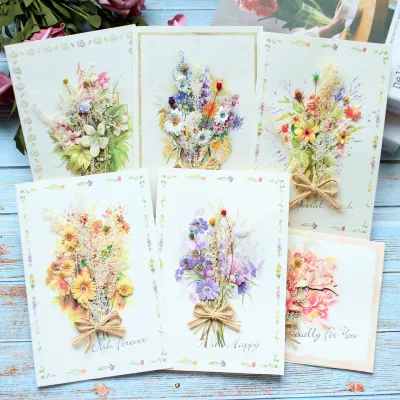
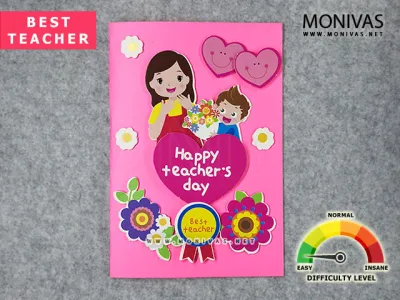
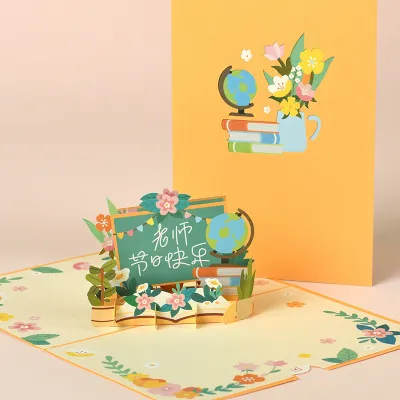
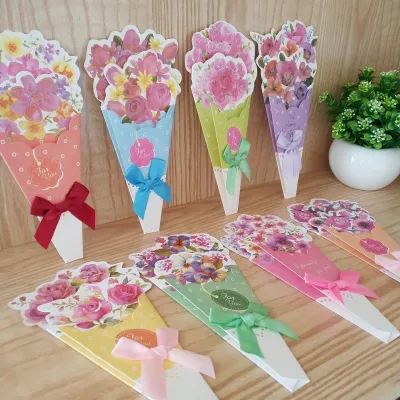
![[MIN 3 CARDS] 🇸🇬SG Punny Teacher Appreciation Card Special Editions for Graduation Greeting Thank You Heartfelt Support Message Card](https://img.lazcdn.com/g/ff/kf/S46b8562713de4564b8cea4c9945a655fF.jpg_400x400q80.jpg_.webp)
![[Bundle of 5 pcs] Mini Teachers Day Cards / Gift Tags Custom Teachers Day Gift Card Mini Card Customised Thank You Cards](https://img.lazcdn.com/g/p/a8f4a9d7b8d4c331651f403db842fa8d.jpg_400x400q80.jpg_.webp)
Prices are valid at publication and may change. Please refer to the product page for the latest price.
Finally, assess the envelope compatibility and the overall structural integrity of the card set. A premium card should always be paired with a matching, high-quality envelope that is thick enough (typically 100 gsm or higher) to prevent the card’s design from showing through. The envelope should be slightly larger than the card to allow it to slide in and out smoothly without catching or bending the corners. Check that the adhesive strip is reliable, whether it requires moistening or features a convenient peel-and-seal backing, to ensure the contents remain secure.
How to Build Your Brand Shortlist
To build a reliable shortlist of stationery brands without relying on arbitrary rankings, start by looking for consistent positive feedback on local stationery forums and retail reviews. Pay attention to comments regarding the durability of the paper, the accuracy of the online product photos compared to the physical items, and how well the cards survive shipping. Brands that consistently receive praise for their packaging and customer service are safer choices for online purchases.

Another key factor is whether a brand offers specialized teacher-appreciation or school-themed collections rather than just generic thank you cards. Brands that dedicate design resources to education-themed lines often produce more thoughtful, relatable, and unique illustrations. These specialized designs might feature classroom motifs, literary quotes, or creative representations of different academic subjects, which can make the card feel much more tailored to an educator’s daily life.
Additionally, evaluate the brand’s transparency regarding material sourcing and environmental sustainability. Many modern stationery brands now highlight their use of FSC-certified (Forest Stewardship Council) paper, which guarantees that the wood pulp comes from responsibly managed forests. Choosing brands that utilize eco-friendly materials, such as recycled paper, soy-based inks, or biodegradable packaging, adds an extra layer of thoughtfulness to your purchase, aligning your gratitude with responsible consumer choices.
Reliable Purchasing Channels in Singapore
Navigating physical retail spaces in Singapore is one of the most effective ways to evaluate card quality firsthand. Major local bookstores, lifestyle boutiques, and dedicated stationery shops located in central shopping districts carry a curated selection of both local and international card brands. Visiting these physical stores allows you to feel the paper texture, inspect the print quality, and compare different designs side by side before making a decision. Many of these retailers organize their displays by occasion, making it easy to locate teacher-themed cards quickly.
For a wider selection, official brand stores on major e-commerce platforms and independent brand websites offer excellent digital storefronts. When shopping online, it is important to verify that you are purchasing from the official brand store or an authorized distributor to avoid low-quality counterfeits or unauthorized reprints. Look for detailed product listings that specify the exact dimensions, paper weight, and envelope details, and read customer reviews to confirm the product matches the description.
Understanding the price tiers in S$ can help you match your gifting budget across different retailers. Budget-friendly cards from major bookstore chains typically range from S$2 to S$4, offering simple designs on standard cardstock. Mid-range cards from established design brands or local boutiques usually cost between S$5 and S$8, featuring superior paper stock, unique illustrations, and sometimes special finishes like foil stamping. Premium, hand-assembled, or letterpress cards can range from S$10 to S$15, making them ideal for milestone graduations or collective class gifts where multiple students contribute.
Matching Card Designs to Different Teaching Contexts
Selecting the right card design requires matching the visual tone to the educational level of the student and the teacher. For preschool and primary school educators, playful, colorful, and whimsical designs are highly appropriate. Cards featuring bright illustrations of school supplies, friendly animals, or cheerful classroom scenes resonate well with the energetic and nurturing environment of early childhood education. These designs allow younger students to connect with the card’s imagery easily.
For secondary school, junior college, or university educators, a more sophisticated and minimalist design is often more fitting. Elegant typography, subtle botanical illustrations, or clean geometric patterns convey a sense of respect and maturity that aligns with higher levels of education. Choosing a refined design acknowledges the professional mentorship and academic guidance the educator has provided, making it suitable for older students and young adults to present.
If appropriate, look for cards that incorporate subject-specific motifs to show an extra level of thoughtfulness. A science teacher might appreciate a card featuring vintage botanical prints or laboratory glassware, while a mathematics teacher might enjoy a clever geometric pattern or a subtle math-themed pun. When selecting these designs, ensure the pre-printed message balances heartfelt appreciation with professional boundaries, avoiding overly casual language to maintain a respectful tone.
Adding a Personal Touch to Pre-Made Cards
To customize a store-bought card without damaging its original design, start by choosing the right writing instruments. Water-based pigment gel pens, fine-liner felt tips, and classic ballpoint pens are excellent choices for standard matte cardstock because they dry quickly and resist smudging. Avoid using heavy alcohol-based markers or highly fluid fountain pen inks, as these are prone to bleeding through the paper and ruining the design on the reverse side. Always allow the ink to dry completely before folding the card or placing it in the envelope.
Incorporating small, flat keepsakes inside the envelope is another wonderful way to personalize your gesture. A beautifully designed paper bookmark, a sheet of small decorative stickers, or a carefully pressed and dried leaf or flower adds a unique, tactile element to the card. These flat items fit easily inside the envelope without adding bulk that could crease the card or tear the paper during handling. Avoid bulky or heavy items like metal keychains or thick coins, which can damage the cardstock.
The most important element of personalization is structuring a meaningful handwritten message inside the card. Begin with a formal and respectful salutation, addressing the teacher by their preferred title. Next, share a specific memory, lesson, or instance where the teacher’s guidance, patience, or encouragement made a positive impact on the student’s learning journey. Conclude with a sincere statement of gratitude and a warm, professional closing, transforming a standard pre-made card into a deeply personal keepsake.
Frequently Asked Questions (FAQ)
Is it appropriate to include a gift card with a thank you card?
Yes, but you must first verify the school’s official guidelines regarding gift-giving policies. Many educational institutions in Singapore have strict limits on the monetary value of gifts teachers can accept to maintain professional integrity and prevent conflicts of interest. If a gift card is permitted, keep the value modest and position the handwritten thank you card as the primary focus of your appreciation, rather than an afterthought to the gift.
Should the card be signed by the student, the parents, or both?
The signature should reflect the student’s age and level of involvement. For younger children in preschool or early primary school, a joint signature is ideal; the parent can write the main message of appreciation, and the child can sign their name or add a small drawing. For older students in secondary school or tertiary institutions, the message should be entirely student-led to reflect their personal growth and direct relationship with the educator, though parents can add a brief, separate note if desired.
What is the best time to give a teacher appreciation card?
The most suitable occasions are Teacher’s Day, the end of the academic school year, or during graduation periods. To present the card, choose a quiet moment before or after class, or during a designated school celebration, to avoid disrupting lessons or causing unnecessary distractions in the classroom. If a face-to-face handover is not possible, leaving the card in the teacher’s staffroom pigeonhole is a highly respectful and convenient alternative.

Community discussion
Share your experience or ask a question. Comments are reviewed before publication.