
Selecting the right Teacher’s Day card in Singapore requires balancing aesthetic appeal, paper quality, and the emotional weight of your message. With Teacher’s Day celebrated annually, the market fills with options ranging from mass-produced commercial cards to bespoke creations by local independent artists. Navigating these choices involves understanding what makes a card durable, how different paper finishes interact with your writing tools, and where to find the most reliable sellers. By evaluating card brands based on their production standards and retail channels, you can select a card that conveys genuine appreciation while standing the test of time on a teacher’s desk.
What to Look for in a Quality Teacher's Day Card
To ensure your card feels substantial and looks professional, start by inspecting the paper weight, texture, and finish. High-quality greeting cards typically use cardstock ranging from 250 to 350 grams per square meter (GSM). This weight provides enough rigidity to stand upright on a desk or shelf without bending, warping, or sagging over time. The texture of the paper—whether it is a smooth satin, a textured linen, or an uncoated matte finish—greatly influences both the tactile experience and how well the card accepts different types of ink.
Design relevance is another critical factor when selecting a card. Look for motifs that resonate with the teaching profession, such as classic educational symbols, books, or modern minimalist illustrations that reflect a teacher’s specific subject area. It is important to ensure the aesthetic tone is respectful and culturally appropriate for Singapore’s diverse educational landscape. Avoid overly casual designs unless you have a close, long-standing relationship with the educator, opting instead for clean layouts and thoughtful typography.
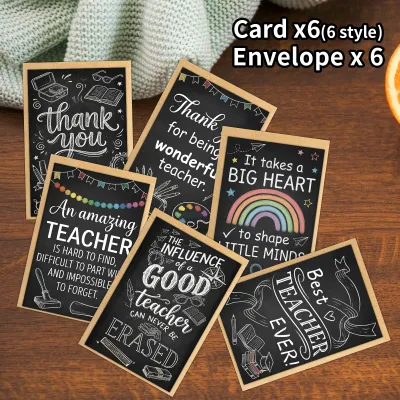
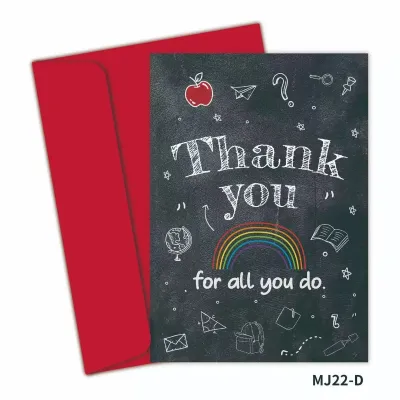
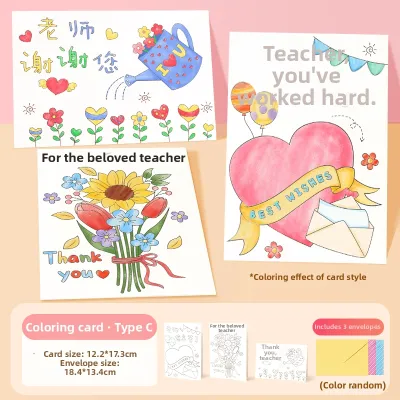
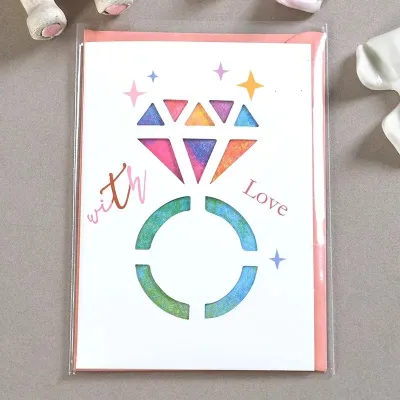
Products mentioned in this guide
![[MIN 3 CARDS] 🇸🇬SG Punny Teacher Appreciation Card Special Editions for Graduation Greeting Thank You Heartfelt Support Message Card](https://img.lazcdn.com/g/ff/kf/S46b8562713de4564b8cea4c9945a655fF.jpg_400x400q80.jpg_.webp)
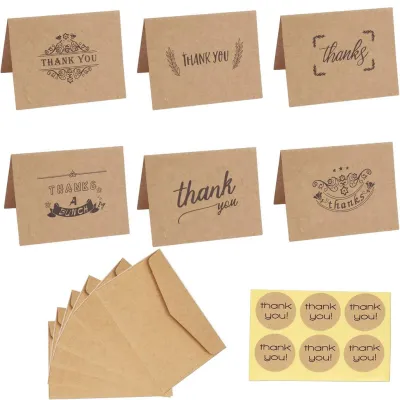
![[Bundle of 5 pcs] Mini Teachers Day Cards / Gift Tags Custom Teachers Day Gift Card Mini Card Customised Thank You Cards](https://img.lazcdn.com/g/p/e3114fc2d12157bf39c4a7c658e3eba9.jpg_400x400q80.jpg_.webp)
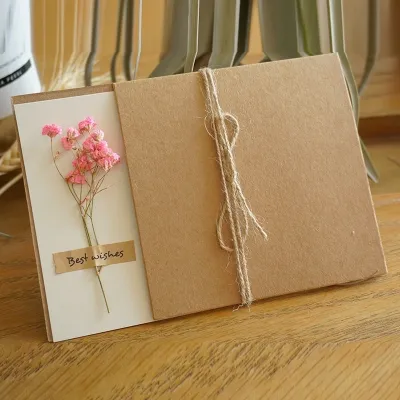
Prices are valid at publication and may change. Please refer to the product page for the latest price.
Additionally, verify the physical dimensions and standard sizing of the card. Common standards like A6 (105mm x 148mm) or folded A5 (148mm x 210mm) are highly practical because they fit standard envelope sizes perfectly. A poorly sized card that is forced into a tight envelope can suffer creased corners or torn edges before it even reaches the recipient. Ensure the envelope paper weight is also robust enough to protect the card during transit or when carried in a student’s school bag.
Finally, consider the balance between pre-printed interior messages and blank spaces. A pre-printed message can offer a polished, formal sentiment, which is highly convenient if you are short on time. However, a blank interior provides the necessary space for a personalized, handwritten note from the student or parent. If a card is intended for an entire class to sign, look for larger formats or folding designs that offer ample writing area without crowding the signatures.
Types of Card Brands Available in Singapore
The greeting card market in Singapore is diverse, catering to various budgets, design preferences, and levels of personalization. Buyers can choose from large-scale commercial publishers, independent local creators, and established international brands. Understanding how these categories differ helps you align your purchase with your specific gifting goals, whether you need a quick, affordable option or a unique, handcrafted keepsake.

Local Stationery and Bookstore Labels
Local stationery and bookstore labels are the most accessible options in Singapore, commonly found in major retail chains and neighborhood bookshops. These brands typically offer a wide range of traditional designs featuring classic educational themes, appreciation quotes, and colorful illustrations. Because they are produced in large quantities, these cards are highly affordable and offer excellent value for families buying cards for multiple teachers.
The primary advantage of these local retail labels is convenience. You can easily find them alongside other school supplies, notebooks, and gift wraps, making them a one-stop solution during the busy school term. However, because these designs are mass-produced, they may lack the uniqueness of independent designs. It is also important to note that stock for these cards is highly seasonal; displays typically appear in retail stores a few weeks before Teacher’s Day and sell out quickly as the date approaches.
When purchasing from local bookstore labels, inspect the card racks carefully. Because these cards are high-traffic items, individual pieces can sometimes suffer from bent corners or minor scuffs from customer handling. Opt for cards that are individually wrapped in protective plastic sleeves to ensure they remain pristine until you are ready to write your message.
Independent Local Artists and Crafters
For those seeking a unique and culturally resonant design, independent local artists and crafters offer an excellent alternative. These creators often incorporate local Singaporean slang, school culture references, and hand-drawn illustrations that feel deeply personal and relatable. You can discover these independent brands at local craft fairs, seasonal pop-up markets, and dedicated online marketplaces that showcase local design talent.
While independent cards offer unmatched originality, they do come with certain trade-offs. They generally carry a higher price point than mass-produced alternatives due to smaller print runs and premium material choices, such as recycled textured paper or specialty risograph inks. Additionally, stock is often limited, and if you require custom modifications or bulk orders, you must account for longer lead times. When purchasing from independent creators, always verify the authenticity of the artwork and ensure you are buying directly from the artist or an authorized stockist.
Many independent artists also prioritize sustainable production methods. You will often find cards printed on FSC-certified paper or recycled cardstock, which may have a slightly warmer, cream-toned appearance and a tactile, fibrous texture. These papers are excellent for writing but require a brief compatibility check with your pens, as highly absorbent recycled fibers can cause certain liquid inks to feather slightly along the edges of your handwriting.
International Greeting Card Labels
International greeting card labels are widely recognized for their standardized quality control, premium finishes, and sophisticated designs. These brands often utilize advanced printing techniques, such as gold foil stamping, embossing, and intricate laser-cut patterns, which are difficult to replicate on a small scale. They are ideal for those who want a highly polished, formal card that conveys a sense of luxury and prestige.
When opting for an international brand, it is crucial to check whether the pre-printed messages and cultural references are appropriate for the Singaporean context. Some international cards may use terminology or seasonal themes that do not align with local school systems. To ensure you are getting genuine products rather than low-quality counterfeits, purchase these cards from established department stores or authorized local distributors who import directly from the parent brands.
These premium international cards often feature heavy, multi-layered construction, sometimes incorporating ribbon ties, wooden elements, or pop-up structures. While visually stunning, these features add thickness and weight. If you plan to mail these cards rather than hand-delivering them, verify the total weight and thickness against local postal guidelines to ensure you apply the correct postage rate.
Where to Shop for Teacher's Day Cards in Singapore
Finding the right card involves choosing the most appropriate shopping channel based on your timeline and need for physical inspection. Visiting physical retail environments, such as major bookstores, specialty stationery boutiques, and department stores, allows you to perform a tactile inspection of the card. You can feel the paper weight, check the smoothness of the finish, and verify that the colors are vibrant and true to the design. This hands-on approach eliminates the risk of buying a card that feels flimsy or cheap.
Alternatively, online marketplaces and official brand websites offer unparalleled convenience, a broader selection of designs, and the ability to order in bulk. Online shopping is particularly beneficial if you are coordinating a class-wide gift and need to purchase multiple cards at once. Many online sellers also offer digital previews of customized designs, allowing you to review the layout before printing begins.
When purchasing cards online, executing key verification steps is essential to avoid disappointment. Always check customer reviews to assess the seller’s reliability and the actual quality of the delivered goods. Confirm the estimated delivery timelines carefully, especially during peak seasonal periods when postal services may experience delays. Finally, read the seller’s return and refund policies so you know your options if the cards arrive bent, creased, or damaged during transit.
Customization and Personalization Options
Customizing a Teacher’s Day card adds a deeply personal touch that shows extra thought and effort. You can choose between DIY personalization and professional printing services depending on your budget and creative skills. DIY personalization involves handwriting heartfelt messages, adding physical photographs, or using decorative stamps and stickers. This approach is highly flexible and allows students to express their creativity directly on the page.
Professional printing services, on the other hand, allow you to incorporate custom text, class photos, or even school crests directly into the card’s design. If you choose this route, you must verify the printer’s minimum order quantities (MOQs), as some custom services require a minimum run of ten or twenty cards. You should also prepare your digital files according to the printer’s specifications, ensuring high-resolution images (typically 300 DPI or higher) and correct color profiles to prevent blurry or discolored prints.
Whether you personalize the card yourself or order a printed version, pay close attention to ink quality and paper compatibility. Glossy or highly coated papers can cause gel pens, fountain pens, and heavy markers to smudge or bleed because the ink cannot penetrate the surface quickly. For smooth writing, pair glossy cards with quick-drying ballpoint pens or specialized permanent markers. If you prefer using fountain pens or gel inks, select cards made from uncoated, matte, or textured paper, which absorb ink rapidly and prevent smearing.
To ensure a flawless finish, perform a simple writing test. Use a spare scrap of similar paper or a tiny, inconspicuous corner on the back of the card to test your chosen pen. Write a small stroke and observe the drying speed; if the ink remains wet after five seconds, switch to a finer pen tip (such as a 0.5mm ballpoint) or a faster-drying ink formula. For younger children handling adhesives or solvent-based markers during DIY decoration, ensure all materials are labeled non-toxic and acid-free to guarantee safety during prolonged contact.
Frequently Asked Questions (FAQ)
How early should I order customized Teacher's Day cards?
For customized or bulk orders, it is best to place your order at least three to four weeks before Teacher’s Day. This timeline accounts for design proofing, printing production, and shipping logistics. During peak seasons, high demand can extend processing times, and shipping delays are more common. Always check the vendor’s specific dispatch policies and confirm the estimated delivery date before completing your purchase.
Is it better to buy a card with a pre-written message or a blank one?
The choice depends on your relationship with the teacher and how much you want to write. Pre-written cards are excellent for formal, polite expressions of gratitude and save time when you have multiple teachers to thank. Blank cards are superior for sharing specific, heartfelt memories or when multiple students need to sign their names. When writing on a blank card, perform a quick test with your chosen pen on a small, inconspicuous corner of the card to verify that the ink dries quickly and does not bleed through the paper.
Community discussion
Share your experience or ask a question. Comments are reviewed before publication.