
Pairing the right knitting needles or crochet hooks with your Aminah yarn depends on the yarn’s specific weight, fiber composition, and your personal stitch tension. To achieve the perfect drape and structural integrity for your projects, you should start with the baseline tool recommendations printed directly on the Aminah yarn band—typically ranging from 2.25 mm for fine lace weights up to 10 mm or larger for bulky yarns. From this starting point, you can fine-tune your selection by choosing materials like bamboo for slippery fibers or polished aluminum for textured yarns, and always verify your tension with a washed gauge swatch before starting your final piece.
Finding Baseline Tool Sizes on Aminah Yarn Labels
Every ball of Aminah yarn comes wrapped in a paper band that serves as an essential technical blueprint for your project. To find the baseline tool recommendations, look closely at the back of the label. You will typically find a series of standardized symbols, including a small ball of yarn with a number in the center (representing the standard yarn weight category from 0 to 7) alongside tiny illustrations of crossed knitting needles and a single crochet hook. Next to these icons, the manufacturer lists the recommended tool sizes, usually expressed in millimeters (mm) and often accompanied by regional sizing equivalents like US or UK numbers.
These suggested sizes are calculated based on an average tension to produce a standard fabric density. They are highly reliable starting points, but they are not absolute rules. Because every crafter holds their yarn and tools with a unique level of tightness, your actual results may vary.
Products mentioned in this guide
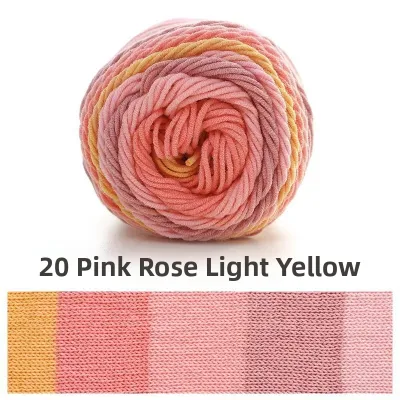
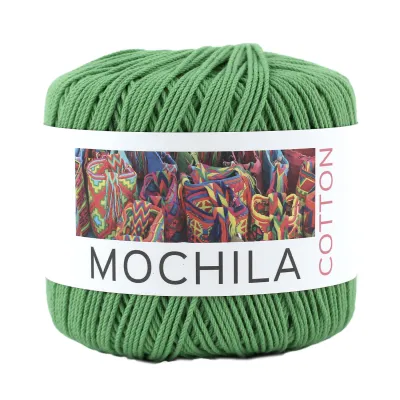
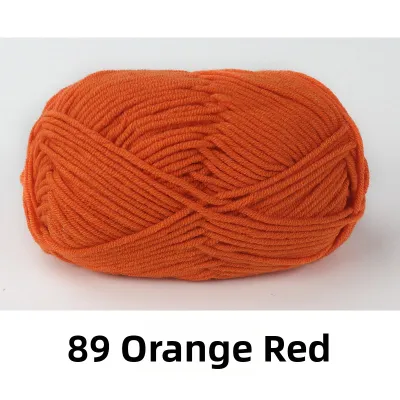
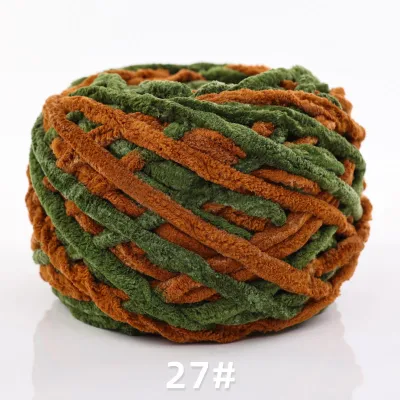
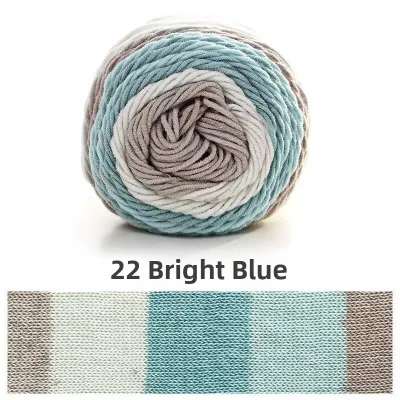
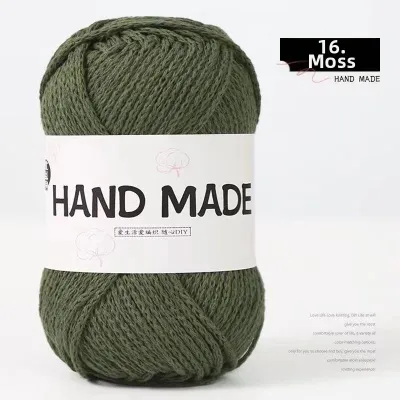
Prices are valid at publication and may change. Please refer to the product page for the latest price.
It is highly recommended to keep the yarn label intact and stored safely in your project bag until your work is completely finished. The label contains critical dye lot numbers, which you will need if you run out of yarn and must purchase more of the exact same color match, as well as specific washing and care instructions that dictate how to clean your finished piece without causing shrinkage or felting.
Matching Tool Sizes to Common Yarn Weights
When you are working with Aminah yarn, matching the thickness of your fiber to the correct tool size is the single most important factor in determining how your finished fabric will behave. If your tool is mismatched, your project can easily end up either too stiff to wear or too loose to hold its shape. Understanding the general correlation between yarn thickness and tool diameter allows you to make informed adjustments for any project.

General Knitting Needle Size Ranges
The fundamental rule of knitting needle selection is that finer yarns require thinner needles to keep the stitches neat and compact, while thicker, bulkier yarns require larger needles to allow the fibers room to breathe. When working with Aminah yarn, you should cross-reference the yarn’s weight category with universal, industry-standard yarn weight charts rather than relying on memory. For example, a super fine Category 1 yarn typically pairs with needles ranging from 2.25 mm to 3.25 mm, whereas a medium Category 4 worsted weight yarn generally pairs with 4.5 mm to 5.5 mm needles.
Because needle sizing conventions vary globally, you will encounter metric measurements, US numbers, and historic UK/Canadian sizes. In Singapore, metric sizing in millimeters is the most precise and widely accepted standard. When purchasing tools or reading international patterns, always use a reliable conversion chart to verify that the physical diameter of your needle matches the millimeter requirements of your Aminah yarn. A simple needle gauge tool with precisely drilled holes is an invaluable accessory for verifying the actual size of unmarked needles in your collection.
General Crochet Hook Size Ranges
Crochet hooks follow a similar progression, starting from incredibly fine steel hooks designed for delicate lace threads and moving up to large aluminum, wood, or plastic hooks for chunky fibers. However, crochet stitches naturally use more yarn and create a thicker, denser fabric than knitting stitches. Because of this structural difference, crochet hooks often require a slightly larger size than knitting needles for the exact same yarn weight to achieve a comparable, flexible fabric drape.
While metric millimeter markings are the safest way to choose a hook, you will frequently see regional letter and number systems, such as a US size G (4.0 mm) or H (5.0 mm). For a standard Category 3 light worsted Aminah yarn, a 4.0 mm to 5.0 mm hook is a common baseline, but a Category 5 bulky yarn might require an 8.0 mm to 9.0 mm hook. Paying close attention to these variations ensures that your crochet fabric remains soft and pliable, rather than turning into a dense, heavy board that is uncomfortable to wear in Singapore’s warm, tropical weather.
Choosing Tool Materials Based on Yarn Texture
The physical material of your knitting needles or crochet hooks plays a massive role in how smoothly your yarn glides as you work. The friction between the tool’s surface and the yarn’s fibers affects your stitch speed, your hand fatigue, and your ability to maintain consistent tension.
High-Friction Tools for Slippery Yarns
Slippery yarns—such as those made from mercerized cotton, silk blends, bamboo viscose, or highly polished synthetic acrylic fibers—require extra control to prevent stitches from sliding off your tools. These smooth fibers have very little natural grip, making them prone to dropping off the ends of slick metal needles or hooks.
For these slippery Aminah yarn varieties, tools made from bamboo, natural wood, or matte-finish plastic are highly recommended. These organic materials possess a subtle natural texture that creates gentle surface drag. This friction provides excellent stitch control, which is particularly beneficial for beginners who are still mastering their tension. The slight resistance prevents the yarn from sliding off accidentally, allowing you to focus on your stitch anatomy without losing progress. In Singapore’s humid climate, wooden and bamboo tools also feel comfortable in the hands, absorbing minimal moisture while maintaining a steady, comfortable grip.
Low-Friction Tools for Sticky or Fuzzy Yarns
Conversely, some yarns have a high level of natural friction. Sticky or fuzzy fibers—such as mohair, brushed alpaca, rustic wool blends with a prominent halo, or heavily textured novelty yarns—tend to cling to themselves and to high-friction tool surfaces.
When working with these textured Aminah yarns, you should opt for low-friction tools made from highly polished metal, such as anodized aluminum or stainless steel, or slick, polished resin. The ultra-smooth surface of polished metal allows sticky fibers to glide effortlessly without catching, snagging, or splitting. This significantly reduces hand strain during long crafting sessions and prevents the delicate halo of fuzzy yarns from becoming frayed or matted. Using a slick metal tool ensures that your stitches flow smoothly, maintaining a consistent rhythm even when working with highly textured or grabby fibers.
Fine-Tuning Tool Size with a Gauge Swatch
Even if you match your Aminah yarn weight to the recommended tool size perfectly, your personal crafting style will ultimately dictate the final dimensions of your project. This is why creating a gauge swatch is a non-negotiable step for any project where size and fit matter, such as sweaters, hats, or structured accessories.
A gauge swatch is a small test square, typically measuring at least 15 cm by 15 cm, knitted or crocheted using the exact yarn, tools, and stitch pattern specified in your project instructions. To create one, cast on a sufficient number of stitches to span wider than 10 cm, and work enough rows to exceed 10 cm in height.
Once your swatch is complete, lay it flat on a hard, level surface. Use a firm ruler or a specialized gauge measuring frame to count the exact number of stitches horizontally and rows vertically within a 10 cm (4-inch) square. Do not stretch the fabric as you measure.
If your count reveals too many stitches within the 10 cm area, your tension is tighter than the designer’s, resulting in a stiff, undersized fabric; you must switch to a larger tool size to loosen your stitches. If you count too few stitches, your tension is looser, creating a floppy, oversized fabric; you must switch to a smaller tool size to tighten your gauge.
Crucially, always wash and block your gauge swatch before taking your final measurements. Different fiber blends in the Aminah yarn range react uniquely to water; some may bloom and expand, while others may contract slightly. Blocking the swatch according to the care instructions on the label ensures that your measurements reflect how the finished garment will actually fit after its first wash.
Common Tool and Yarn Pairing Mistakes to Avoid
Avoiding a few common pitfalls can save you hours of frustration and preserve the quality of your Aminah yarn. One of the most frequent mistakes is blindly following the yarn label’s recommended tool size without ever checking your personal tension. This often leads to garments that are either several sizes too large or too small, rendering your hard work unwearable.
Another critical error is mixing different tool materials within the same project. For example, starting a sweater sleeve on bamboo double-pointed needles after knitting the body on a metal circular needle can cause highly visible inconsistencies in your stitch size and fabric density. This happens because the difference in friction between metal and wood subtly alters your natural tension. Always stick to the same tool material throughout an entire project.
Using a needle or hook that is far too small for a thick Aminah yarn is another common misstep. This tight pairing forces the fibers together too densely, resulting in a stiff, heavy, board-like fabric that lacks drape and flexibility.
Lastly, never use tools with rough surfaces, chipped tips, or snags. Damaged tips can easily split the yarn plies, causing unsightly fuzzy patches, weakening the structural integrity of your stitches, and potentially ruining your fabric. Always run your fingers over your needles and hooks to verify they are perfectly smooth before starting.
Frequently Asked Questions (FAQ)
What should I do if my Aminah yarn label is missing?
If your Aminah yarn label is lost, you can easily determine its weight using the wraps-per-inch (WPI) method. Wind the yarn snugly but gently around a standard ruler or WPI tool, ensuring the strands sit side-by-side without overlapping or leaving gaps. Count how many times the yarn wraps within a one-inch space. A higher number of wraps indicates a finer yarn, which you can then cross-reference with standard WPI charts to identify the yarn weight and select the appropriate starting needle or hook size.
Do knitting needles and crochet hooks use the same sizing system?
While both tools are sized in millimeters, their regional sizing systems (such as US or UK letters and numbers) are completely different and cannot be used interchangeably. For example, a US size 8 knitting needle is 5.0 mm, but a US size H/8 crochet hook is also 5.0 mm, whereas other numbers diverge significantly. To prevent confusion and ensure an accurate match for your Aminah yarn, always ignore the regional letters or numbers and refer directly to the universal metric millimeter (mm) measurement marked on your tools.

Community discussion
Share your experience or ask a question. Comments are reviewed before publication.