
Selecting the right corrugated box size requires a systematic approach to measuring your items, calculating the space needed for protective cushioning, and understanding how manufacturers specify box dimensions. By matching the physical requirements of your goods to the internal dimensions of a box, you can prevent transit damage, control shipping costs, and minimize material waste. This guide provides a practical framework to help you measure items accurately, account for protective layers, and select the ideal corrugated box for any shipping or storage task.
Why Proper Box Sizing Matters for Your Items
Using a box that does not fit your item properly introduces several risks that can compromise the safety of your shipment. When a corrugated box is too large, the item inside is prone to shifting and sliding during transit. This excessive movement is a primary cause of surface scratches, broken components, and structural damage, especially when shipping fragile goods. Even with void fill, an oversized box remains vulnerable to external crushing because the item inside does not help support the box’s structure.
Conversely, attempting to force an item into an undersized box creates outward pressure on the walls. This structural stress leads to bulging, which weakens the corners and seams of the corrugated board. A bulging box is significantly more likely to burst open along its taped seams when stacked under other packages in a delivery vehicle. Furthermore, when the item is pressed directly against the box walls, there is no room for protective cushioning, leaving the item completely exposed to external impacts.
Products mentioned in this guide
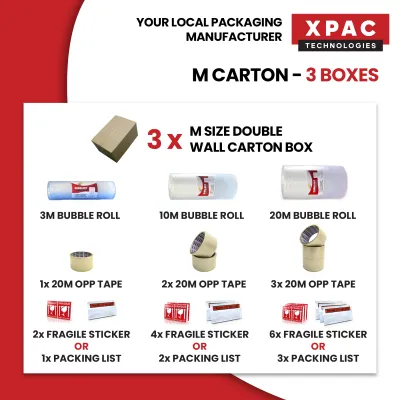
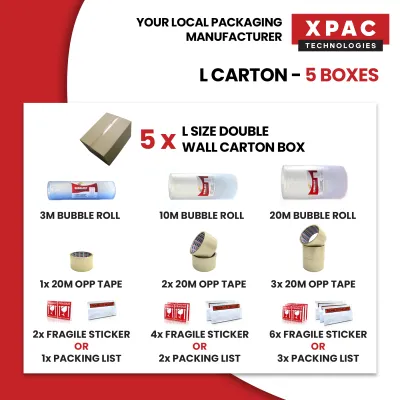
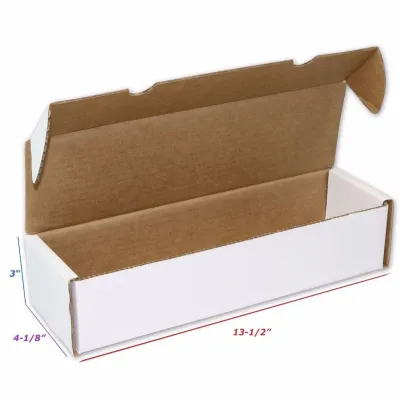
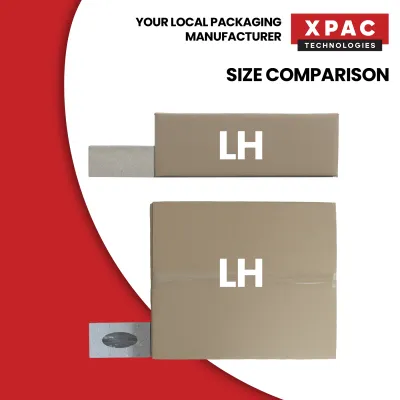
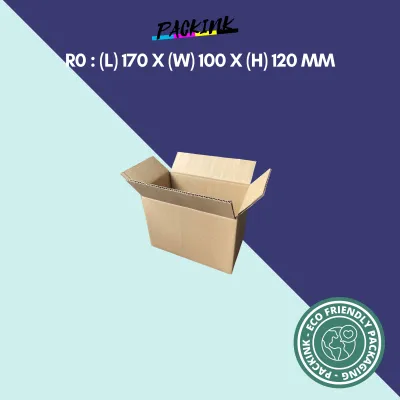
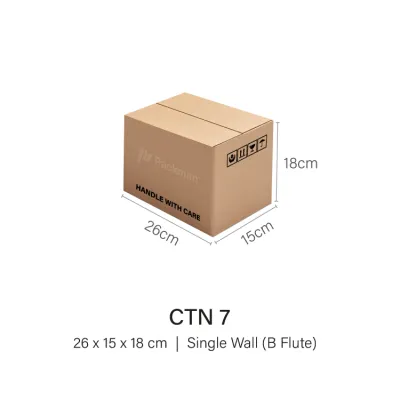
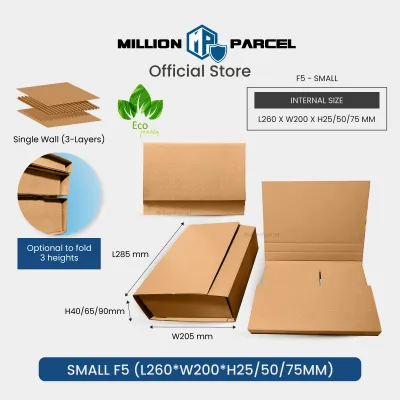
Prices are valid at publication and may change. Please refer to the product page for the latest price.
Beyond physical protection, box dimensions directly influence your shipping expenses. Most major postal and courier services calculate shipping rates based on dimensional weight, which factors in the package’s volume rather than just its actual weight. Shipping items in oversized boxes means you are paying to transport empty space. Additionally, using larger boxes than necessary increases your consumption of single-use void fill materials, driving up both your packaging costs and your environmental footprint.
How to Measure Your Items Accurately
To establish a reliable baseline for your packaging decisions, you must measure your items using standard, precise techniques. Begin by placing the item on a flat, stable surface. Use a firm measuring tape or a rigid ruler rather than a flexible sewing tape, as flexible tapes can sag and lead to inaccurate readings. For standard rectangular items, measure the three primary axes: length, width, and height. Always record these measurements in the standard industry order of length first, followed by width, and then height.

When dealing with irregularly shaped items, such as molded plastics, tools, or decorative objects, you must measure them as if they were enclosed in an invisible rectangular box. Identify the absolute widest, longest, and highest points of the object, including any protruding handles, knobs, or cables. For example, if you are measuring a coffee mug, your width measurement must extend from the outer edge of the handle to the opposite rim. Failing to account for these protrusions will result in a box that is too small to close.
Consistency in units is critical when comparing your item measurements to manufacturer box specifications. Record all measurements in a single unit, such as millimeters or centimeters, depending on the standard used by your local packaging suppliers. Avoid rounding down your measurements; instead, round up to the nearest millimeter to ensure you do not accidentally select a box that is too tight. Keep a written log of these dimensions so you can easily reference them when evaluating different box options.
Accounting for Protective Packaging and Void Fill
An item’s bare dimensions represent only the starting point of your packaging calculations. Before selecting a box, you must account for the thickness of the protective materials required to cushion the item during transit. The level of protection needed depends heavily on the fragility of the item. Robust items like books may only require a single layer of wrapping, while delicate items like glassware or electronics demand thick, shock-absorbing barriers on all sides.
To calculate the final dimensions of your wrapped item, you must add the thickness of the cushioning material to all six sides of the object. For instance, if you plan to wrap a fragile item in bubble wrap that is 2 centimeters thick, you must add 4 centimeters to the length, 4 centimeters to the width, and 4 centimeters to the height. This calculation ensures that the item is fully suspended in protective material and does not come into direct contact with any of the box’s inner walls.
You must also evaluate the need for extra space at the top and bottom of the box for secure sealing and additional void fill. When boxes are stacked in transit, the top and bottom faces bear significant pressure. Reserving a small buffer zone of approximately 1 to 2 centimeters at the top and bottom allows you to insert crumpled paper, foam pads, or air pillows. This extra layer acts as a crumple zone, absorbing vertical impacts and preventing the box flaps from collapsing inward under weight.
Understanding Corrugated Box Dimensions and Strength
When browsing corrugated boxes, you will encounter two sets of dimensions: inner dimensions and outer dimensions. It is critical to understand that manufacturers almost always list boxes by their inner dimensions. These measurements represent the usable space inside the box once it is assembled. Outer dimensions, on the other hand, reflect the total space the box occupies on a shelf or in a delivery truck, which is slightly larger due to the thickness of the corrugated walls.
The difference between inner and outer dimensions is determined by the thickness of the corrugated board, which is defined by its flute profile. Single-wall boxes, which feature one layer of arched fluting between two flat liners, typically have wall thicknesses ranging from 1.5 to 4 millimeters. Double-wall boxes, designed for heavier items, combine two layers of fluting and are significantly thicker. This wall thickness reduces the usable internal space, meaning a box with large outer dimensions might have surprisingly limited inner capacity.
In addition to physical dimensions, you must verify the structural limits of the corrugated box by checking the manufacturer’s specifications or the box certificate printed on the bottom flap. This stamp provides essential details regarding the box’s burst strength or edge crush test rating, which indicates how much weight the box can safely support when stacked. Never exceed these weight limits, as overloading a box compromises its structural integrity, regardless of how perfectly the item fits inside the dimensions.
Step-by-Step Guide to Matching Item Size to Box Size
Once you have recorded your item’s wrapped dimensions and understand how box sizes are specified, you can begin the matching process. Start by comparing your final “item plus cushioning” dimensions directly against the listed inner dimensions of the candidate box. The inner dimensions of the box must be equal to or slightly larger than your wrapped item’s dimensions on all three axes. If even one axis of the box is smaller than your wrapped item, the box will not close properly without compressing the protective layers.
Next, consider the orientation of the item inside the box. Align the longest axis of your item with the length of the box, the second-longest axis with the width, and the shortest axis with the depth. This alignment generally provides the most stable configuration and prevents the item from tipping over during handling. For items that must remain upright, such as liquids or delicate vertical structures, ensure the height of the box accommodates the item’s vertical orientation with sufficient clearance for top cushioning.
If an exact size match is unavailable from your supplier, always choose a slightly larger box rather than a smaller one. You can easily compensate for a slightly oversized box by adding extra void fill, such as packing peanuts or crumpled paper, to prevent the item from shifting. However, avoid choosing a box that is excessively large, as this will require an inefficient amount of void fill and may trigger higher dimensional weight shipping fees. Aim for a box that leaves a consistent, manageable gap of no more than a few centimeters on each side.
Common Sizing Mistakes and How to Avoid Them
One of the most frequent errors in packaging selection is confusing inner and outer dimensions. Buyers who measure their items and then purchase a box based on its outer dimensions often find that the item cannot fit inside due to the thickness of the corrugated walls. To avoid this, always double-check the supplier’s product description to confirm that the listed measurements refer specifically to the internal usable space of the box.
Another common mistake is ignoring the total weight of the packed item. A box may have the perfect physical dimensions to hold a heavy metal tool, but if the weight of the tool exceeds the box’s structural capacity, the bottom of the box can blow out during transport. Always cross-reference the total weight of your item and packaging materials with the manufacturer’s recommended weight limit. If your item is heavy, opt for double-wall corrugated boxes or reinforced shipping cartons.
Finally, many shippers rely on “universal” or standard box sizes without considering the specific shape and fragility of their items. While standard boxes are convenient, they often lead to poor fits for long, flat, or highly irregular objects. Forcing a long item diagonally into a standard square box creates large, empty triangular spaces that require excessive void fill and increase the risk of the box collapsing. Instead, seek out specialized box styles, such as shallow folders or long mailing tubes, to match the natural geometry of your items.
Frequently Asked Questions (FAQ)
Should I use inner or outer dimensions when ordering a corrugated box?
You should always use the inner dimensions of a corrugated box to ensure that your item and its protective cushioning will fit inside. The inner dimensions represent the actual usable space within the assembled box. Outer dimensions are primarily used by shipping carriers to calculate dimensional weight and shipping fees, and by warehouse managers to plan storage space on shelves and pallets.
How much extra space should I leave for bubble wrap or packing peanuts?
There is no single universal standard for cushioning space, as the required buffer depends entirely on the fragility of your item and the type of material used. For lightweight or sturdy items, a buffer of 1 to 2 centimeters on all sides may be sufficient. For highly fragile items like glass or electronics, you should consult the packaging material manufacturer’s guidelines, which often recommend a consistent buffer zone of 5 centimeters or more of protective wrap to absorb impacts effectively.

Community discussion
Share your experience or ask a question. Comments are reviewed before publication.