
Selecting the correct polybag size is a balancing act between secure product protection and cost-effective shipping. To find the right fit, you must measure your product’s three-dimensional shape, apply a simple geometric formula to determine the flat bag dimensions, and select a plastic thickness that matches the item’s weight and edges. Getting these dimensions right prevents transit damage, keeps your packaging looking professional, and avoids unnecessary shipping costs.
Whether you are shipping apparel, books, or boxed goods, understanding how to translate physical items into flat packaging dimensions ensures your products arrive intact. This guide breaks down the exact formulas for flat and bulky items, explains industry thickness standards, and helps you choose the optimal bag for your specific inventory.
Why Proper Polybag Sizing Matters for Protection
Using a polybag that is too small creates immediate structural vulnerabilities. When a product is forced into an undersized bag, the plastic stretches taut, placing immense pressure on the side seams and the self-adhesive seal. This tension makes the bag highly susceptible to bursting open during sorting or transit, leaving your merchandise exposed to dirt, moisture, and loss.
Products mentioned in this guide


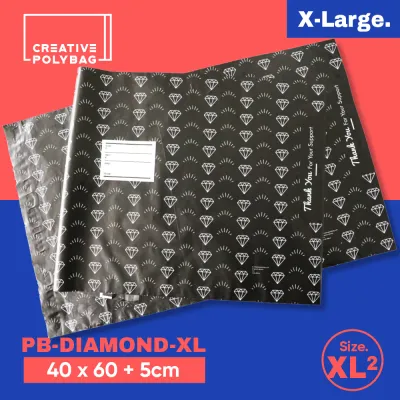

Prices are valid at publication and may change. Please refer to the product page for the latest price.
Conversely, an oversized polybag introduces a different set of risks. Excess plastic allows the product to slide and shift continuously inside the package. This internal movement increases friction, which can scuff product surfaces or cause the item to bunch up awkwardly. Furthermore, loose folds of plastic are easily caught in automated sorting conveyor belts, increasing the likelihood of snags, tears, and shipping delays.
Optimizing your bag dimensions also directly impacts your business bottom line and customer satisfaction. Well-fitted packaging uses less material, which aligns with sustainable shipping practices and reduces volumetric weight charges from local couriers. When customers receive a neat, properly proportioned package rather than a crumpled, oversized bag, it immediately elevates their unboxing experience and trust in your brand.
In humid tropical climates like Singapore, a secure fit is even more critical. Excess air and loose space inside a bag can trap ambient moisture during storage or transit. A snug, properly sealed polybag minimizes the internal air volume, helping to shield sensitive items like garments and paper goods from dampness and musty odors.
How to Measure and Calculate Polybag Dimensions
To determine the correct polybag size, always measure your product in its final, fully prepared shipping state. If you are shipping clothing, fold the garment exactly as it will sit inside the bag. If the item is already housed in a retail box, measure the exterior dimensions of that box. Use a firm ruler or measuring tape to record the maximum length, width, and height (or thickness) of the item.

For flat or highly compressible items like a single t-shirt, a thin notebook, or soft textiles, the calculation is straightforward. You only need to add a small allowance to the flat dimensions to ensure the item slides in easily without catching. Use the following formula:
- Bag Width = Product Width + 1 inch (approx. 2.5 cm)
- Bag Length = Product Length + 2 inches (approx. 5 cm) + Sealing Flap Allowance
For bulky, rigid, or three-dimensional items such as shoeboxes, books, or electronics, you must account for the height of the item. As a flat bag stretches over a 3D object, the depth consumes both width and length. Use this formula to compensate for the object’s volume:
- Bag Width = Product Width + Product Height + 1 inch (approx. 2.5 cm)
- Bag Length = Product Length + Product Height + 2 inches (approx. 5 cm) + Sealing Flap Allowance
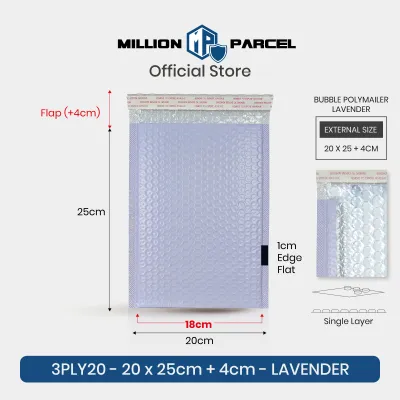
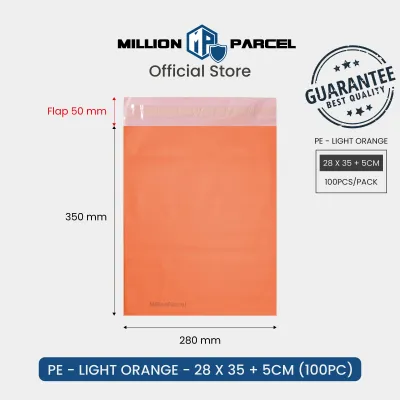
Always remember to account for the sealing flap, which typically requires an additional 1.5 to 2 inches (3.8 to 5 cm) of length depending on the manufacturer’s design. This flap is folded over to seal the bag and does not contribute to the usable internal depth. Adding a minimum comfort allowance of 0.5 to 1 inch to your width calculations prevents the plastic from binding against the product during fulfillment, speeding up your packing process.
Decoding Polybag Thickness: Mil and Micron Explained
Dimensions alone do not guarantee product safety; you must also select the correct plastic thickness. Polybag thickness is universally measured in either “mils” or “microns.” A mil is one-thousandth of an inch (0.001 inches), while a micron is one-thousandth of a millimeter (0.001 mm). For quick reference, 1 mil is equivalent to approximately 25.4 microns.
Understanding these units allows you to match the durability of the bag to the vulnerability of your product:
- 1.5 to 2 Mil (38 to 50 Microns): This is a lightweight, highly flexible grade of plastic. It is best suited for soft, non-abrasive items such as clothing, t-shirts, plush toys, or as an inner dust cover inside a larger shipping box.
- 2.5 to 3 Mil (63 to 75 Microns): This is the industry standard for general e-commerce shipping. It offers medium-duty protection and excellent tear resistance for everyday merchandise, stationery, cosmetics, and boxed items that do not have sharp corners.
- 4 to 6 Mil (100 to 150 Microns): This is a heavy-duty, puncture-resistant grade. It is designed for heavy, rigid, or industrial items, as well as products with sharp edges or protruding corners that would easily pierce thinner materials.
Selecting the right thickness prevents the bag from stretching to its breaking point. While thinner bags are more economical per unit, using them for heavy or sharp items often leads to double-bagging or transit damage, which ultimately costs more in the long run.
Adjusting Polybag Sizes for Different Product Types
Different product materials behave uniquely under the pressure of shipping and handling. Adjusting your calculated baseline size according to the physical characteristics of your inventory prevents packaging failures.
Soft Goods and Apparel Clothing and fabrics are highly compressible, meaning they can yield to pressure. While flat calculations work well, you should avoid sizing down too aggressively. Overstuffing a polybag with bulky winter wear or multiple garments creates a round, sausage-like package. This shape is difficult for courier services to stack, rolls off sorting belts easily, and increases the risk of the seams bursting under sudden impact.
Rigid and Boxed Items For items with fixed, unyielding shapes like board games, framed prints, or retail boxes, you must strictly adhere to the 3D depth formulas. Unlike clothing, these items will not compress to fit a tight bag. If the bag is even slightly too small, the rigid corners of the box will stretch the plastic taut, creating high-stress points that are easily punctured by external contact during transit.
Irregular or Sharp Items If you are shipping items with irregular shapes or sharp protrusions, such as metal hardware, tools, or decorative items, size up slightly to allow the product room to settle naturally. More importantly, prioritize a thicker mil rating rather than simply buying a larger bag. A thick 4-mil bag will resist punctures from sharp corners far better than a loose, oversized 2-mil bag.
Frequently Asked Questions (FAQ)
Should I size up if my product has sharp corners?
Yes, adding a slight size allowance helps reduce overall tension on the plastic, but upgrading the bag’s thickness is the most effective solution. For items with sharp corners or rigid edges, select a polybag with a thickness of 4 mil (100 microns) or higher to prevent the corners from piercing the packaging during transit.
Does the polybag sealing flap count in the listed dimensions?
Generally, the dimensions listed by packaging suppliers (such as 10×12 inches or 25×30 cm) refer to the usable space inside the bag, and the adhesive sealing flap is extra. However, because sizing conventions can occasionally vary between manufacturers, you should always verify whether the flap is included in the total length before placing a bulk order.

Community discussion
Share your experience or ask a question. Comments are reviewed before publication.