
Matching the right yarn with your crochet hook is the secret to achieving clean stitches, comfortable tension, and a beautiful finished project. SKC crochet hooks are a staple in many crafters’ toolkits, known for their accessibility, affordability, and wide range of sizes. Whether you are working with their classic aluminum hooks, warm bamboo options, or soft ergonomic grip lines, understanding how these tools interact with different yarn fibers and brands will elevate your crafting experience.
In Singapore’s vibrant crafting community, finding the perfect pairing involves balancing the physical design of your hook with the weight and fiber content of your yarn. Because SKC hooks are designed with specific head shapes and throat depths, they perform differently depending on whether you are working with a tightly spun cotton, a fluffy acrylic, or a delicate bamboo blend. By learning how to evaluate these physical traits, you can select the ideal yarn for any project, from structured amigurumi to lightweight, breathable summer garments.
Understanding Your SKC Crochet Hook's Physical Traits
To make informed yarn choices, you must first examine the anatomy of your SKC crochet hook. The head and throat of the hook play a critical role in how cleanly you can grab and pull yarn through your stitches. SKC hooks typically feature a semi-tapered head design, which offers a middle ground between inline and fully tapered styles. This shape allows for easy insertion into tight stitches while still providing a secure hold on the yarn loop, making it highly versatile for various stitch patterns.
Products mentioned in this guide
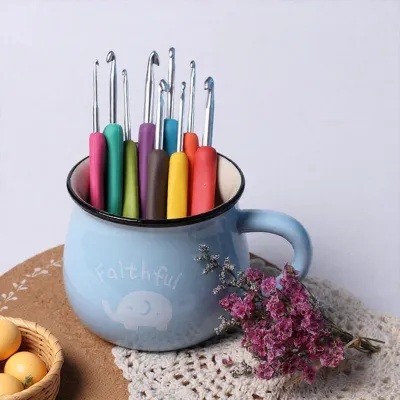
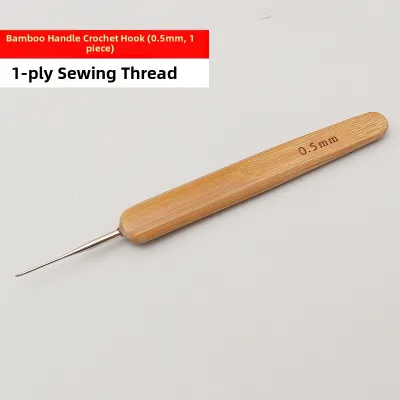
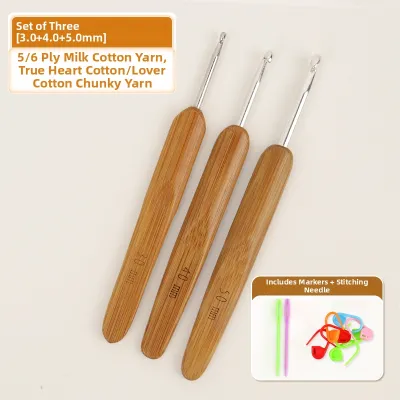
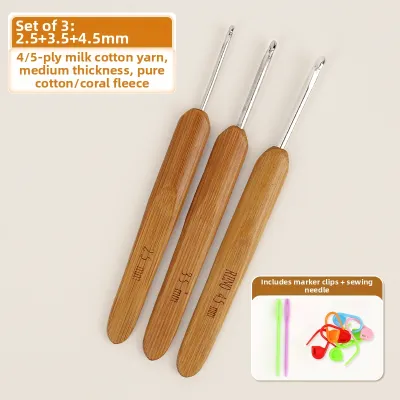
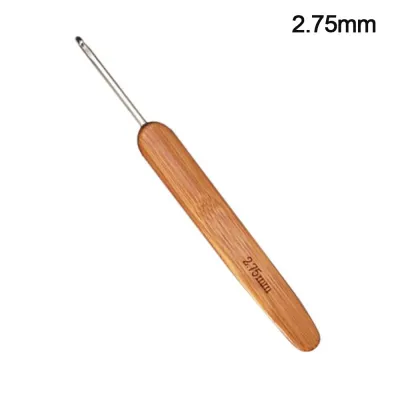
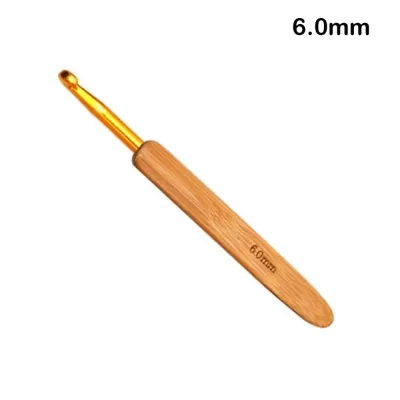
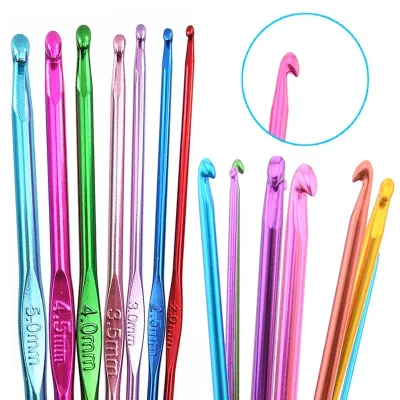
Prices are valid at publication and may change. Please refer to the product page for the latest price.
The depth of the hook’s throat determines how well it retains different yarn plies. A deeper throat prevents thicker or multi-ply yarns from slipping off mid-stitch, whereas a shallower throat allows for faster, smoother movements with finer threads. If you notice your yarn slipping frequently, check if the yarn thickness matches the throat capacity of your specific hook size.
Handle ergonomics and grip styles also significantly impact your stitching comfort and control. SKC offers classic, slim aluminum hooks as well as ergonomic designs featuring cushioned, wider handles. If you are working with heavy, high-tension yarns, an ergonomic handle provides the necessary leverage and reduces hand fatigue. For delicate, lightweight projects where fine control is paramount, the classic slim handles allow for precise, nimble finger movements.
Finally, consider the shaft material and its surface friction. SKC aluminum hooks are exceptionally smooth, allowing acrylic and wool yarns to glide effortlessly with minimal resistance. However, if you are working with slippery fibers like silk, rayon, or bamboo, a bamboo-handled or plastic SKC hook can provide just enough natural surface drag to keep your stitches from sliding off prematurely.
Yarn Selection for Amigurumi and Tight-Stitch Projects
Amigurumi and other structured, tight-stitch projects require a yarn that can maintain a firm shape without allowing the toy stuffing to peek through. For these projects, the interaction between your SKC hook and the yarn’s ply structure is incredibly important. You want to choose yarns that resist splitting, even when subjected to the high tension and tight pulling required for three-dimensional toys.

Tightly plied cotton or cotton-blend yarns are the standard for amigurumi. Brands that offer mercerized cotton or tightly spun milk cotton work exceptionally well with SKC hooks. The smooth surface of mercerized cotton complements the slick finish of SKC aluminum hooks, allowing you to maintain tight tension without experiencing frustrating friction or snagging.
When selecting your yarn, always check the paper banderole for the manufacturer’s recommended hook size. For amigurumi, a helpful rule of thumb is to choose an SKC hook that is 0.5mm to 1.0mm smaller than the smallest size recommended on the label. This deliberate downsizing ensures your stitches are compact and dense, creating a solid fabric that holds its shape beautifully over time.
It is best to avoid highly textured yarns, halo-heavy fibers like mohair, or single-ply roving yarns for tight-stitch projects. These fibers lack the structural integrity needed for tight tension and are highly prone to catching on the hook’s head. The semi-tapered tip of an SKC hook can easily pierce single-ply fibers, leading to splitting and uneven stitches that are difficult to undo.
Yarn Pairing for Garments and Wearable Items
Creating garments and wearable accessories requires a completely different approach to yarn selection. Instead of stiffness and structure, your goal is to achieve drape, flexibility, and a comfortable feel against the skin. This is particularly important in Singapore’s warm and humid climate, where heavy, heat-trapping fibers can make wearables impractical.
To achieve a soft, flowing drape, you must match your SKC hook size carefully to the weight of your yarn. Lightweight yarns such as sport, fingering, or DK weight are ideal for summer tops, shawls, and light cardigans. Pairing a DK weight cotton-bamboo blend with a slightly larger SKC hook (such as a 4.0mm or 4.5mm) creates an open, breathable fabric that moves naturally with the body.
Always evaluate the fiber content listed on the yarn label to ensure skin-contact suitability. Natural fibers like bamboo, linen, and lightweight cotton are excellent choices for warm-weather garments because they breathe well. When worked with smooth SKC aluminum hooks, these fibers glide easily, allowing you to maintain a relaxed, even tension throughout long panels.
Before committing to a full garment, planning and executing a gauge swatch is an essential step. Because everyone’s natural tension varies, working a 10×10 cm swatch with your chosen SKC hook and yarn will reveal whether your fabric has the correct drape and dimensions. If the swatch feels too stiff or dense, try switching to a larger SKC hook size; if it feels too loose or has too many gaps, go down a size.
Yarn Choices for Home Decor and Structural Pieces
Home decor items like baskets, rugs, plant hangers, and thick blankets demand durable, heavy-weight yarns that can withstand daily wear and tear. These projects often require larger SKC hooks, ranging from 6.0mm up to 10.0mm or more, depending on the thickness of the material.
When working with bulky, super bulky, or t-shirt yarns, you must verify that the SKC hook’s shaft and throat can comfortably accommodate the yarn’s thickness. The shaft of the hook determines the final size of your stitches, so the yarn must wrap fully around the shaft without spilling over. If the yarn is too thick for the hook’s throat, it will slip off constantly, disrupting your rhythm and tension.
For structural pieces like baskets or bags, high-durability fibers are essential. Thick cotton cord, t-shirt yarn, and sturdy acrylic blends are excellent choices because they offer the rigidity needed to help three-dimensional items stand upright. These dense fibers require significant physical effort to manipulate, making the choice of hook handle critical.
Using an SKC hook with a wide, cushioned ergonomic handle is highly recommended when working on large, high-tension home decor projects. The ergonomic grip allows you to apply steady pressure using your whole hand rather than just your fingers, significantly reducing the risk of hand fatigue and strain. This setup ensures you can complete large blankets or sturdy storage baskets comfortably.
How to Test Your Hook and Yarn Combination Before Starting
Before diving into a new crochet project, taking the time to test your specific hook and yarn combination can save you hours of frustration and unraveling. A simple testing workflow allows you to evaluate how the fibers behave on your SKC hook and make adjustments before making a significant time investment.
Start by crocheting a standard gauge swatch of at least 10 to 15 rows using the stitch pattern specified in your project. As you work, pay close attention to how the yarn glides over the hook. If you feel excessive friction or hear a squeaking sound, the yarn may be too dry or the hook material may not be a good match for that specific fiber.
Observe the resulting fabric’s density and feel. If the fabric is too stiff and lacks movement, your hook size is likely too small for the yarn weight. Conversely, if the stitches look sloppy or have large gaps, your hook size may be too large. Adjusting your SKC hook size up or down by 0.5mm can dramatically improve the look and feel of your finished piece.
Finally, examine the yarn for signs of wear, pilling, or splitting after a few rows of stitching. If the hook’s head repeatedly catches on the yarn plies, try adjusting your hand angle or switching to a yarn with a tighter twist. Taking these preventive steps ensures a smooth, enjoyable crafting process and a high-quality finished product.
Frequently Asked Questions (FAQ)
Can I use any yarn brand with my SKC crochet hook?
Yes, SKC crochet hooks are highly versatile and can be used with any yarn brand available on the market. Compatibility is determined by the physical weight of the yarn and the millimeter size of the hook, rather than the brand name. Always refer to the recommended hook size range printed on the yarn’s paper banderole as a reliable starting point for your projects.
Why does my yarn keep splitting when I use my SKC hook?
Yarn splitting often occurs when using loosely plied, single-ply, or highly textured yarns with a hook head that has a sharper or more pronounced tip. To prevent this, try switching to a yarn with a tighter, more secure twist, or focus on relaxing your tension slightly to allow the SKC hook to glide cleanly through the center of each stitch loop without piercing the fibers.

Community discussion
Share your experience or ask a question. Comments are reviewed before publication.